Poorer Families Face a Disproportionate Inflation Burden
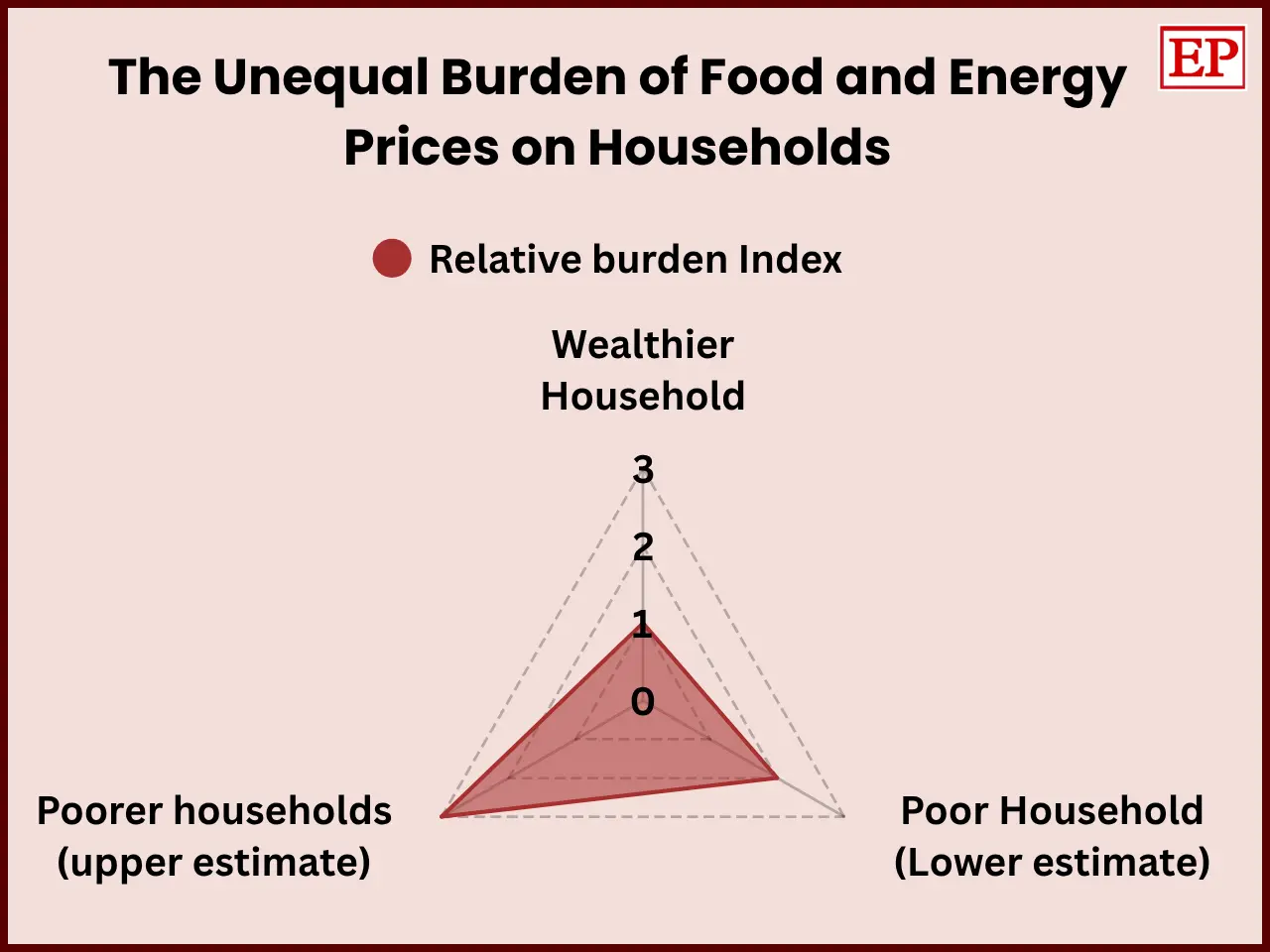
Rising food and energy prices hit lower-income households harder than others. It seems they spend way more of their income on those basics compared to wealthier families. Governments then have to make tough decisions regarding providing support without fueling inflation or spending too much public money.
The IMF notes that poorer households often put two or three times as much toward food and energy. With less savings to fall back on, it becomes tougher for them to handle the price jumps. That part gets a bit messy, because not everyone has the same room to adjust. Meanwhile, for energy-importing economies, higher import costs can reduce real income by up to 2-3% of GDP for a short period under the current shock, while broad subsidies can prove costly to administer, hard to scale back, and prone to leakage to higher-income groups.
Targeted support will have a more sustainable impact
The IMF promotes temporary, targeted, and timely support, taking advantage of existing social protection systems, for example, through direct cash injections. In addition, governments should consider expanding eligibility or benefit levels or increasing benefit amounts for vulnerable groups in need of support. With regard to business sector support, the emphasis should be on addressing temporary liquidity needs rather than providing costly and unfocused support schemes.
Generalized subsidies and price caps should be used sparingly and only in exceptional cases, as they crowd out other expenditures and undermine price incentives and may lead to shortages. The priorities of the authorities should be to cushion those who are most affected and not to subsidize prices nor to look for protection against the low prices of imports, which may cause misallocation of resources. Targeted support to those most in need of it will alleviate the social impact of price increases and be less of a burden to public finances.