News in Brief
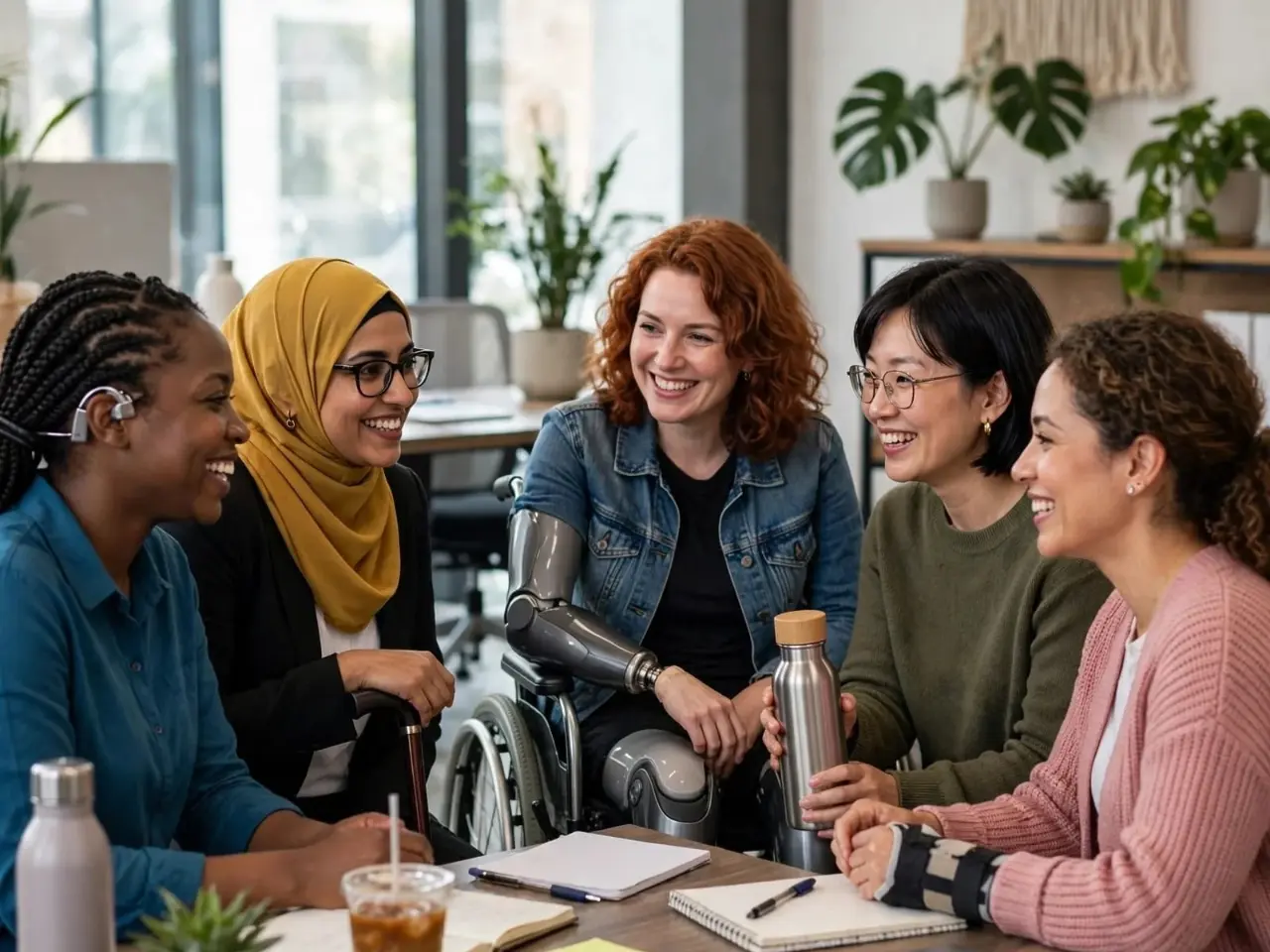
Double Disadvantage: Only 23% of Women with Disabilities Employed, Lowest Globally
UN data shows an astounding disparity between the employment rates of women and men with disabilities: 23% of women with disabilities work, while 34% of men with disabilities do the same, 46% of women without, and 67% of men without. UN DESA & UN Women asserts that Gender and Disability intersect, making the world's steepest employment gap.
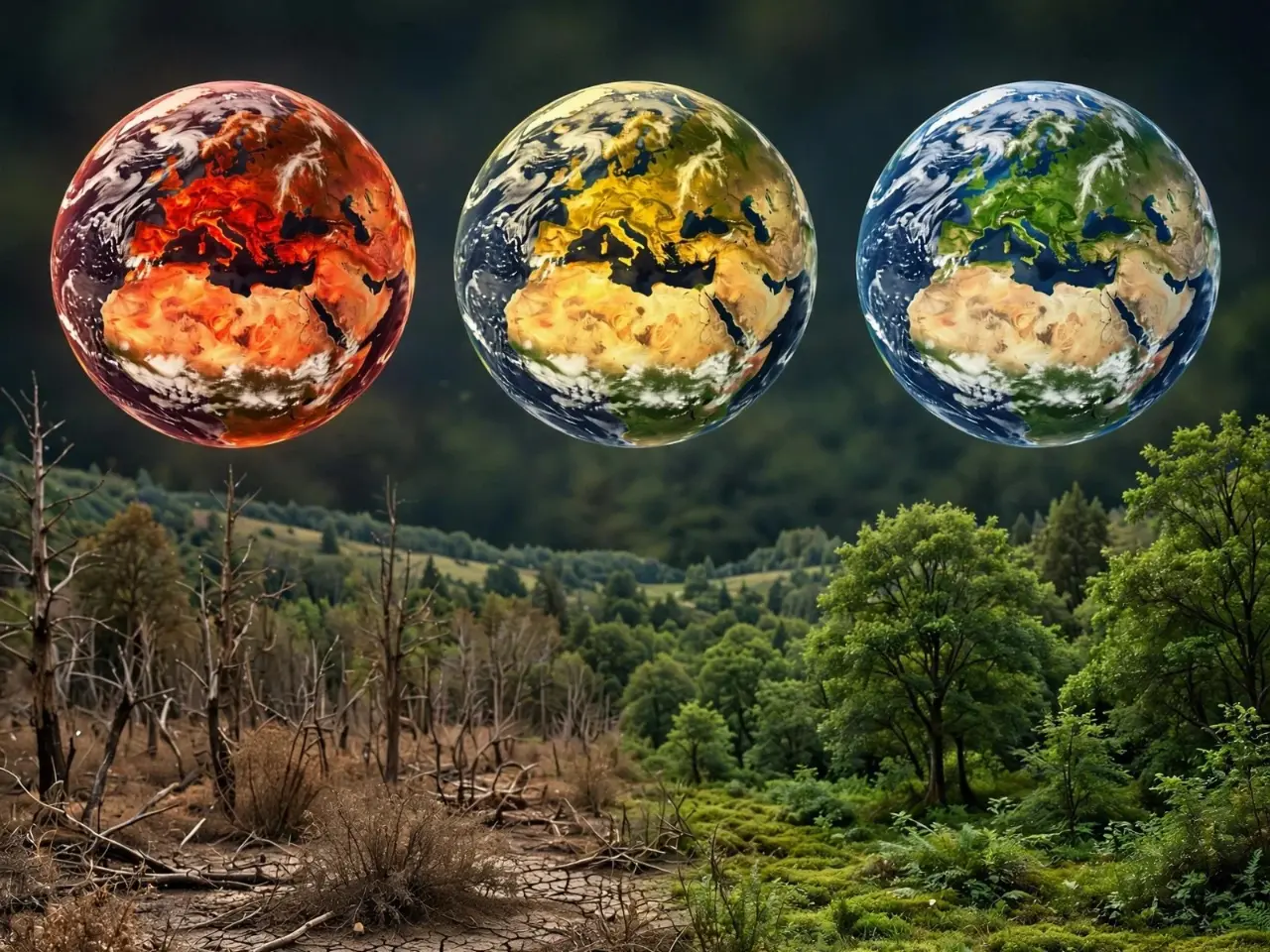
€3.8 Billion Investment Drives Europe’s Net‑Zero & Climate Projects
The European budget for net zero and climate will be about €3.8 billion to cap global warming at 1.5°C, to foster green competitiveness and finance projects that lower emissions and support sustainable, resilient economic growth in Europe.

Major US Tech Giants Surge AI Investment, Driving Capital Spending to Nearly 2% of US GDP by 2026
Leading tech firms like Alphabet, Amazon, Meta, Microsoft & Oracle are rapidly boosting AI capital expenditure, pushing spending from 0.5% of US GDP in 2023 to almost 2% by 2026, signaling a transformative, productivity‑driven AI era.
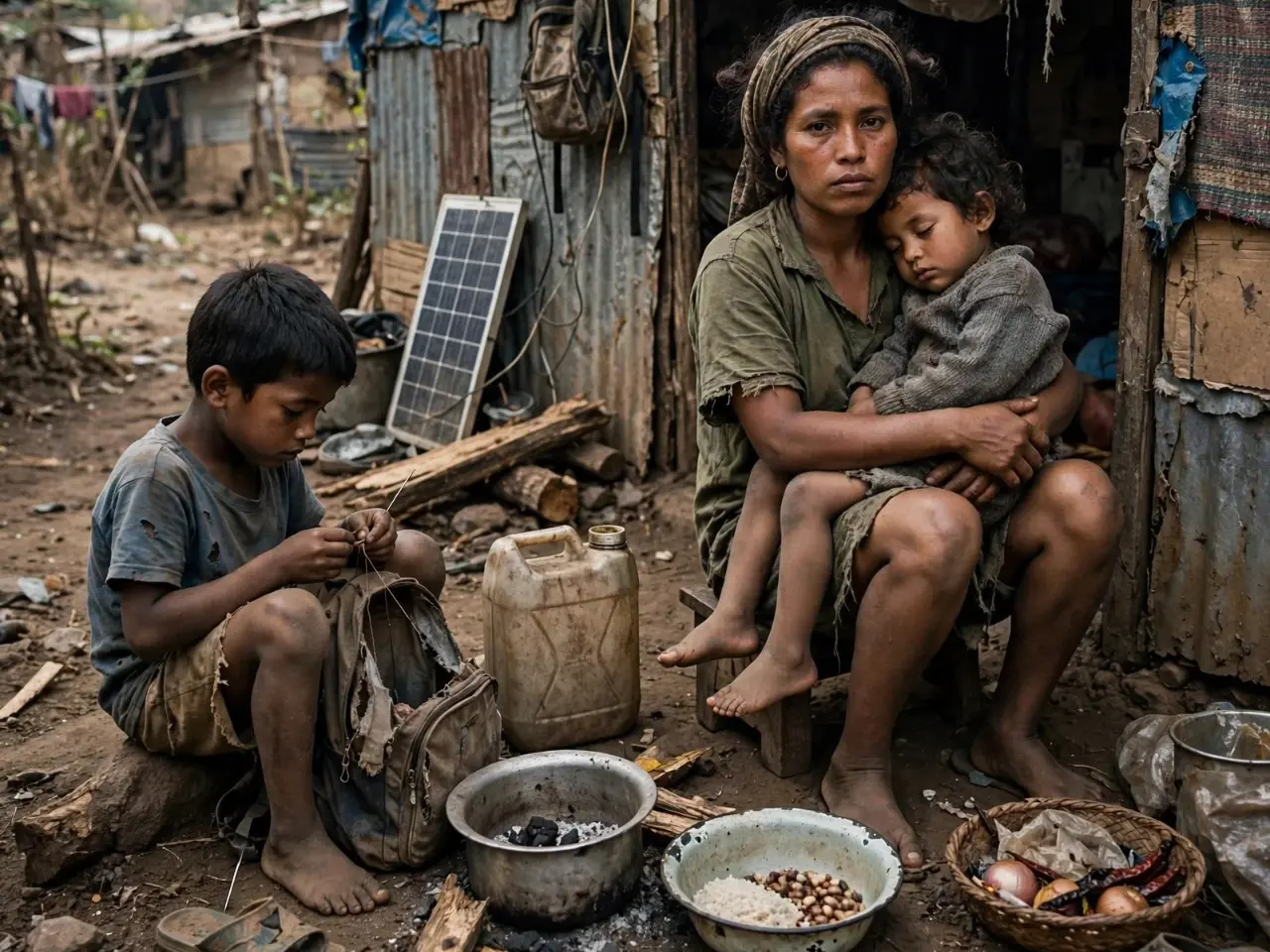
Global Poverty Surges For First Time Since 2010, MPI Shows 33 Countries Halved Poverty Despite Crisis
2026 Multidimensional Poverty Index reports first rise in multidimensional poverty since 2010. Despite global setback, 33 countries halved their MPI value in under 15 years, proving rapid progress is possible with targeted policies.
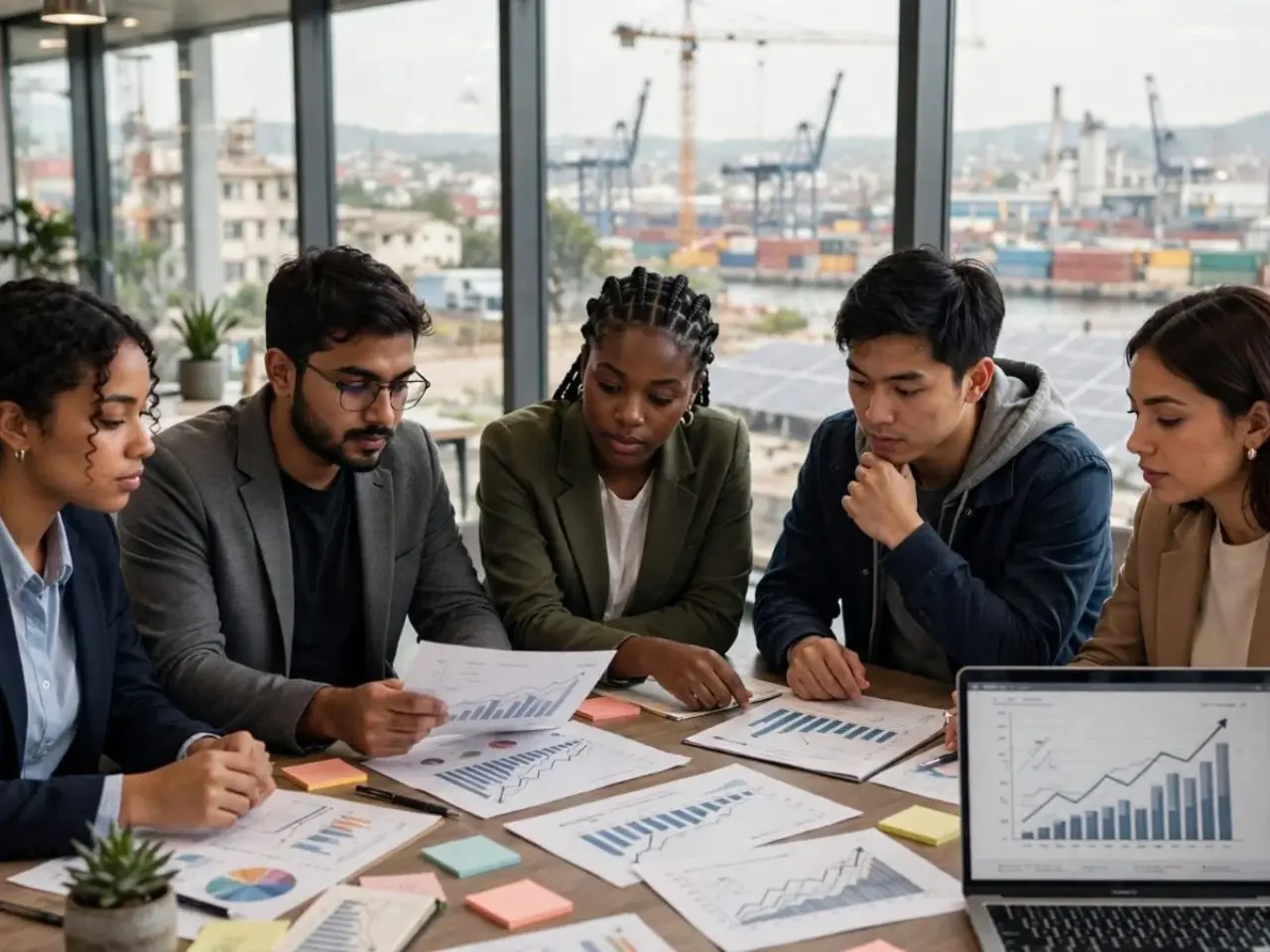
World Bank Mobilizes Record $112B as 1.2 Billion Youth Face Jobs Shortage
In the next 10-15 years, 1.2 billion youth in developing economies will enter the workforce, while only 420 million jobs are anticipated. World Bank Group mobilized a record $112B of private capital to support businesses in the FY26 period for their growth, investment and job creation.
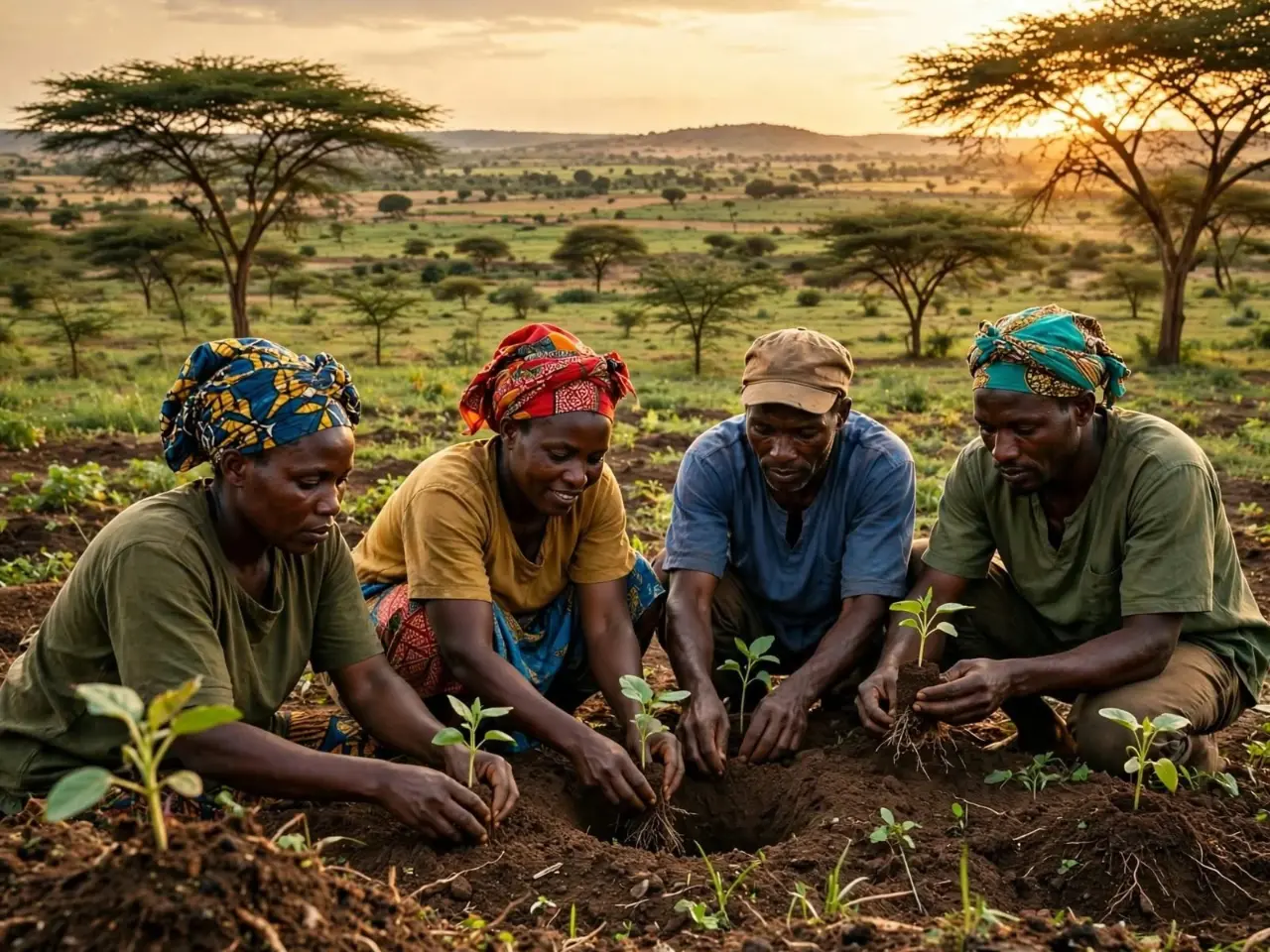
GEF Commits $78 Million To Restore 270,000 Hectares And Empower 5 Million Across Sahel's Great Green Wall
Today, on the Great Green Wall, GEF invests $78 million to restore 270,000+ hectares of degraded land supporting 5 million people over half women, with sustainable livelihoods and climate resilience across 9 Sahel countries.
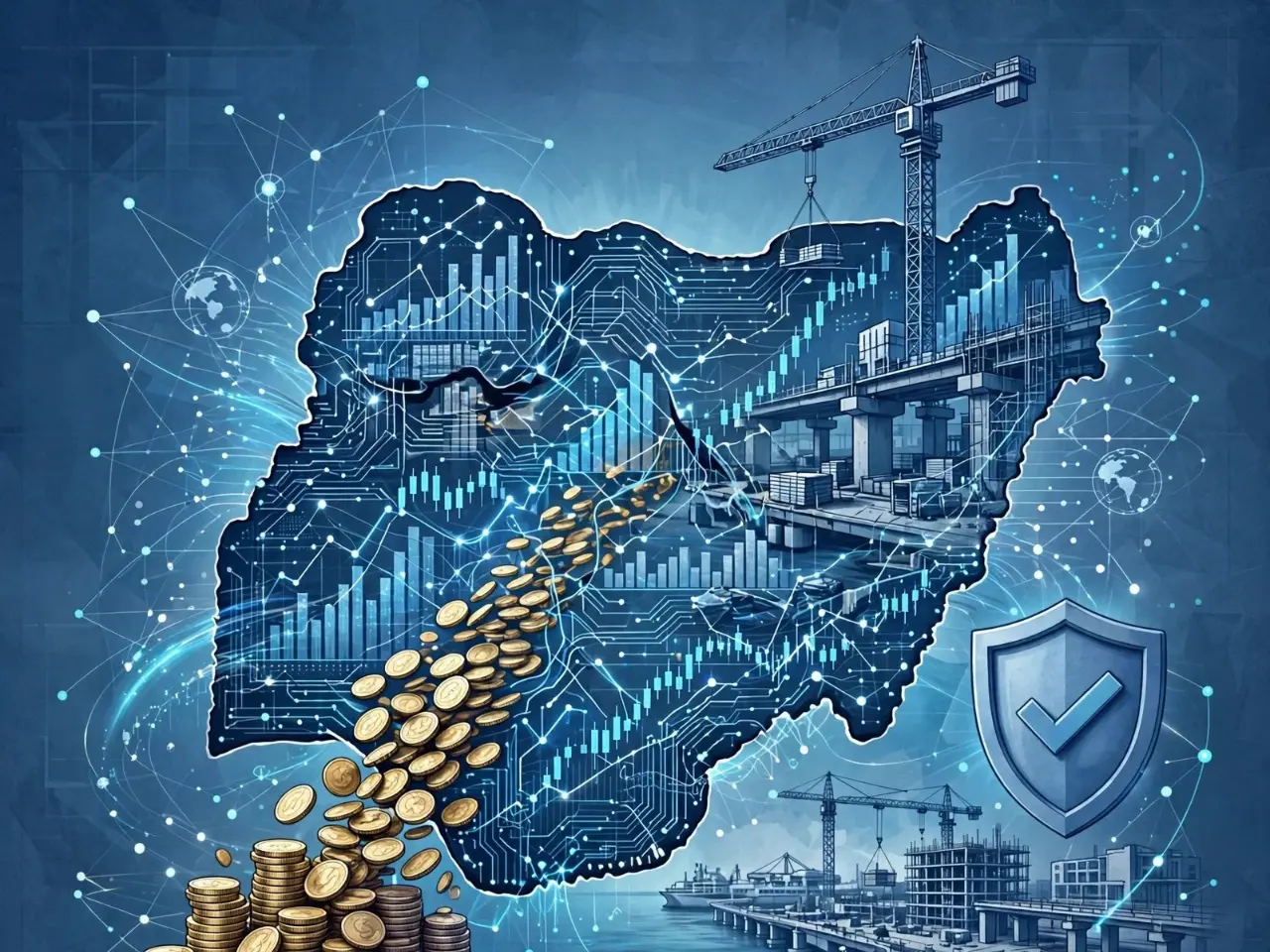
World Bank Group To Unlock $5.79 Billion Private Cash For Nigeria Growth
World Bank Group is mobilizing up to $5.79 billion in private financing for Nigeria by strengthening policy reform and investment platforms, mitigating risks and offering commercial financing opportunities to grow, create jobs and build sustainable development in key sectors and attract global investors to Nigeria.
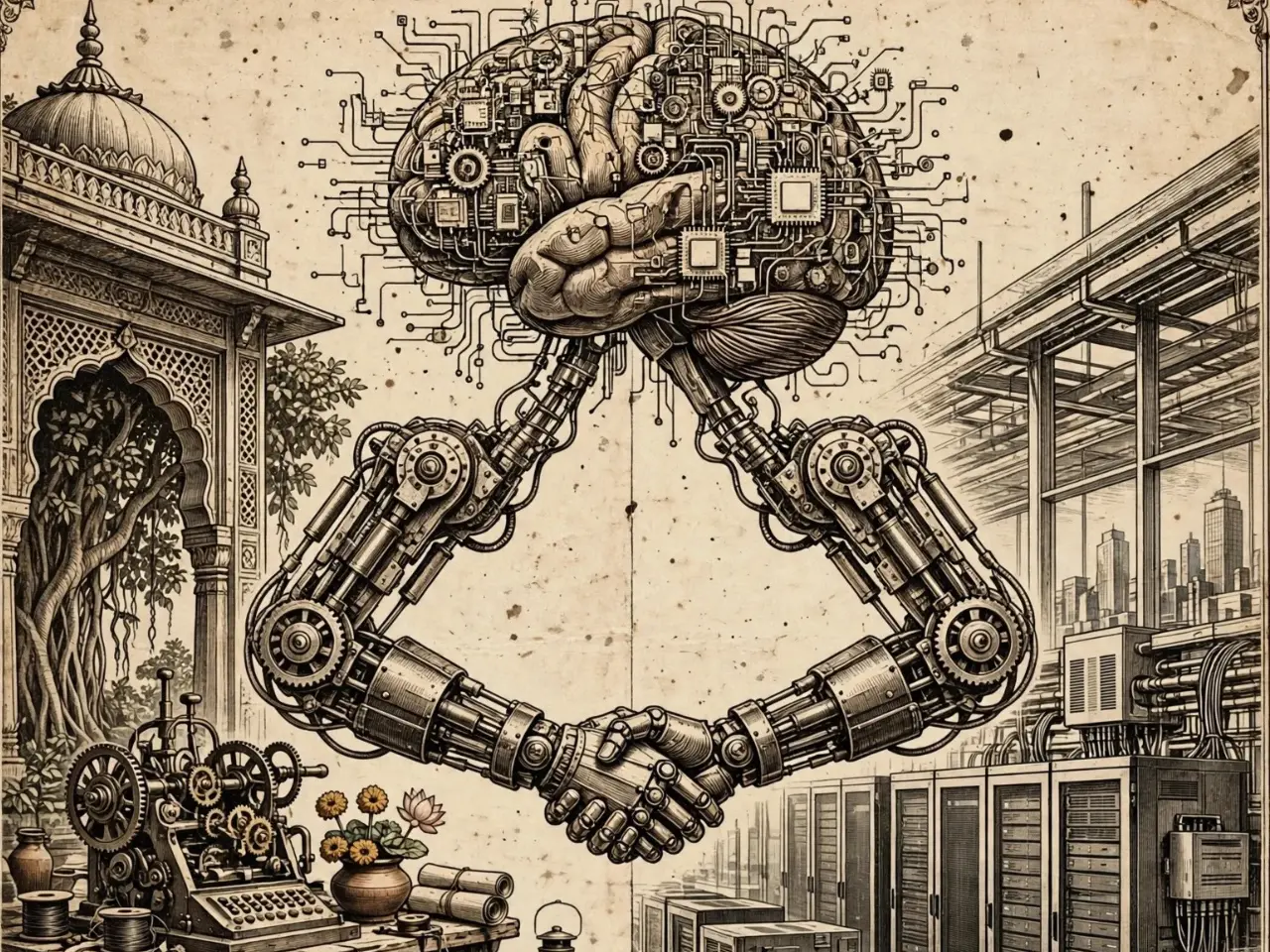
AI Adoption in South Asia: Rising but Lagging Behind Advanced Economies
While businesses in South Asia are starting to adopt AI, with 23% of Indian companies implementing AI, the adoption rate remains low compared to other advanced economies such as the United States (43%). The World Bank underscores threats and opportunities for workers and enterprises in the region.
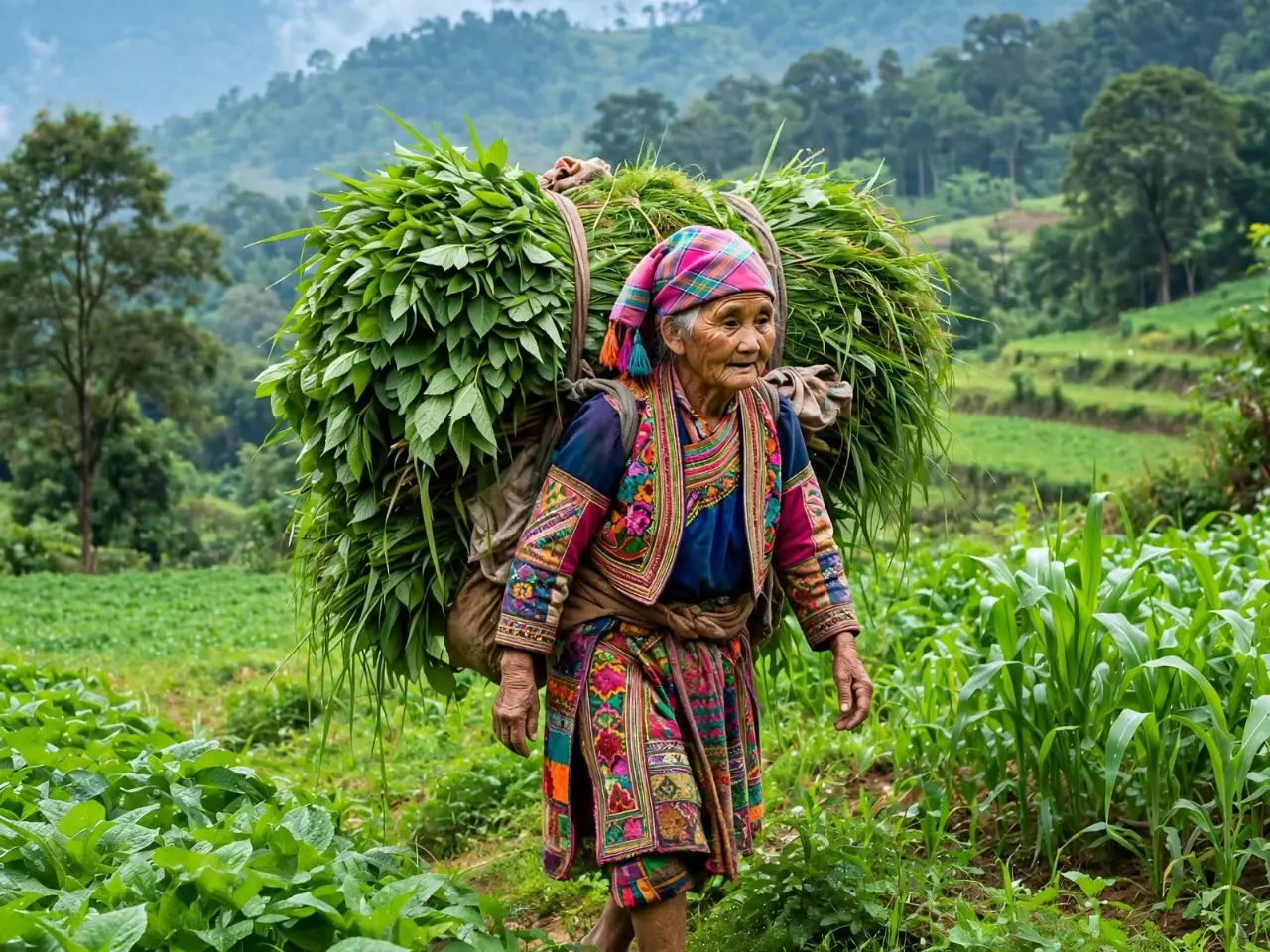
Asia-Pacific Hunger Alert: 73.3 Million Food Insecure, 8.2 Million More at Risk as El Niño Looms
Already 73.3 million in Asia and Pacific are food insecure. Eight million more people may be pushed into hunger due to El Niño, ADB warns. Climate-smart agriculture and food systems are essential if there is to be no crisis in the region.
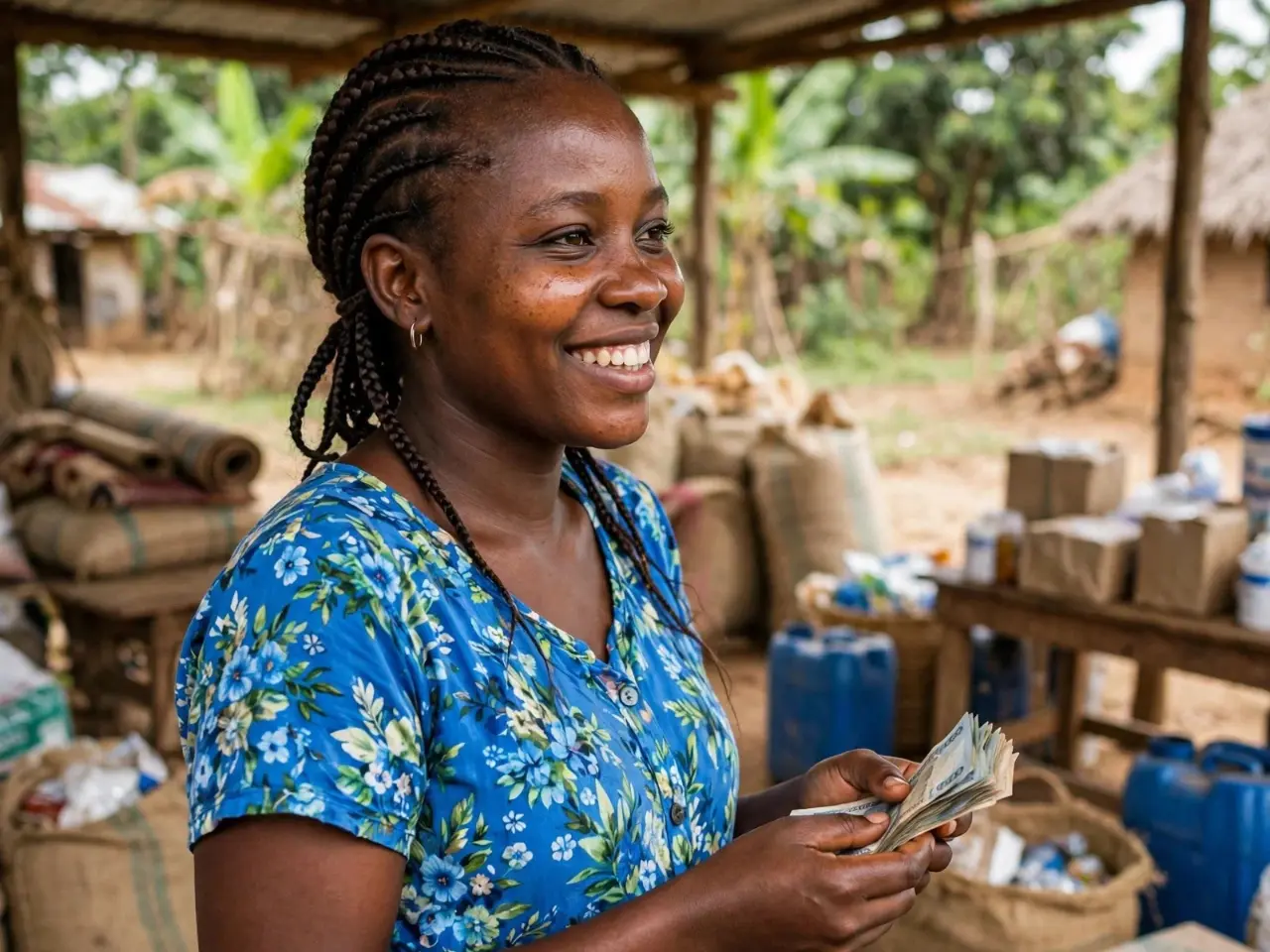
What Real Development Looks Like: 95% Food Security Success in Cameroon
UN CERF and FAO cash support provided for 9,400 vulnerable people had a 95% improved food security rate in Cameroon. This is the new development playbook direct, local and effective as opposed to export factory model in developing economies that have failed.

SpaceX Acquires Nationwide Low-Band Spectrum, Starlink Set To Become Major US Mobile Carrier With Direct-To-Cell Broadband
SpaceX announced the purchase of a portfolio of low-band spectrum nationwide with the aim of turning Starlink into a big mobile carrier in the USA. Starlink Mobile will enable high-speed broadband coverage in every corner of America, alongside Gen2 constellation, which will create a network of dead zones and therefore directly challenge the traditional telecom giants.
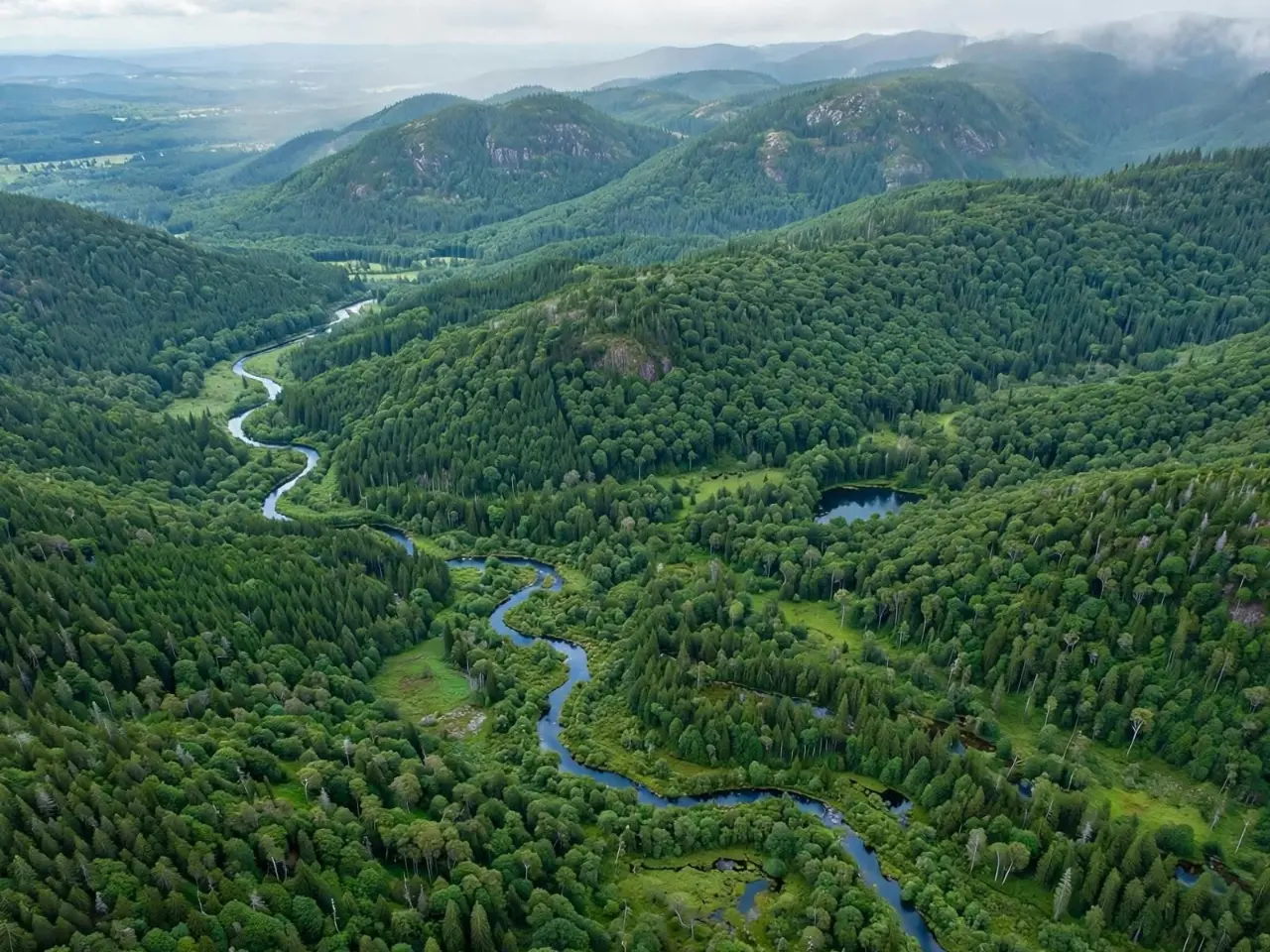
71% Of World's Forests Are Publicly Owned, Only 24% Private
According to the Global Forest Resources Assessment 2025, produced by Food and Agriculture Organisation (FAO), 71% of forest area is publicly owned, 24% private and 4% other. Governments are playing a pivotal role in forest conservation, climate action, and sustainable forest management as public control is the predominant position in the world's forests.
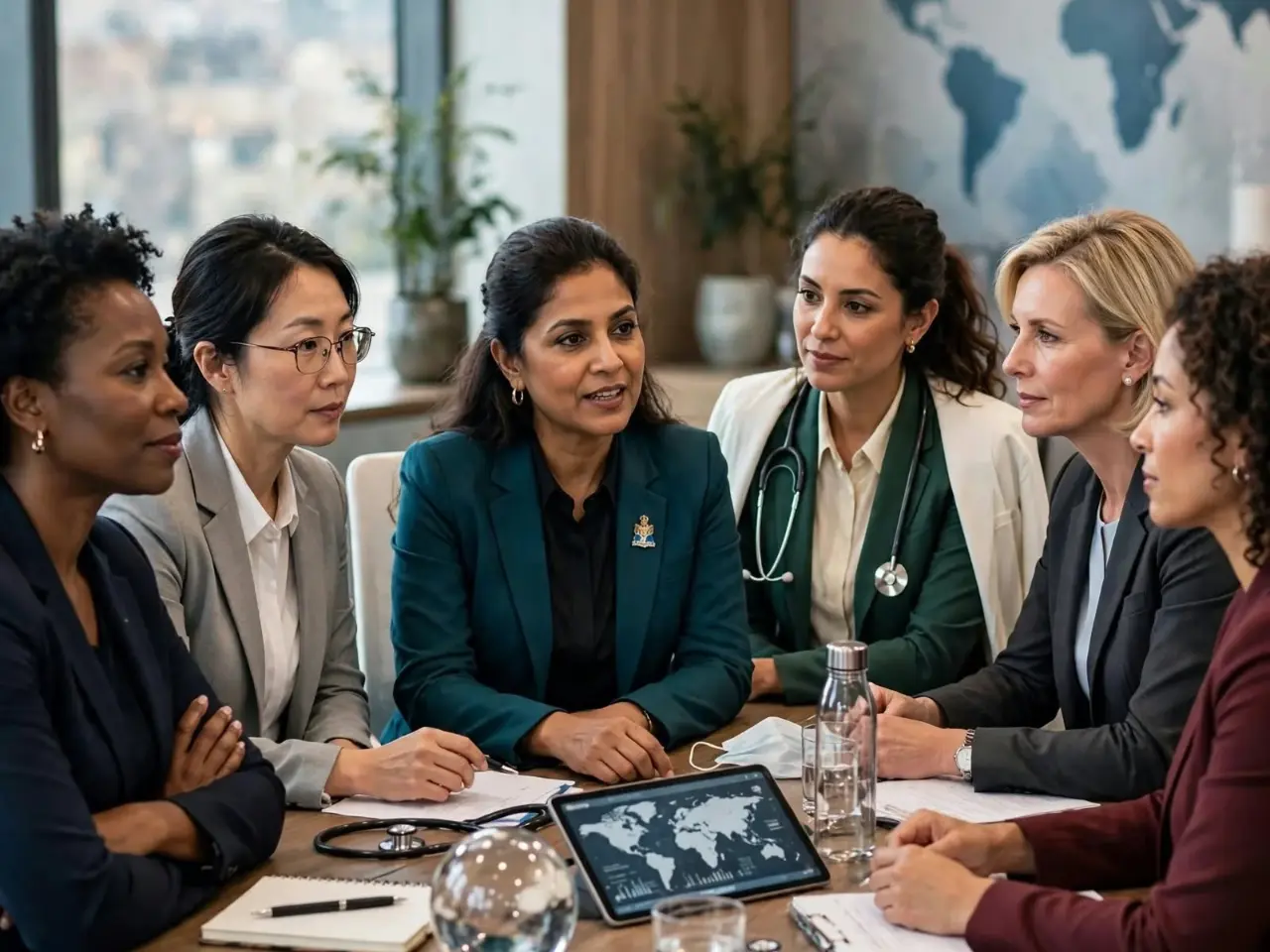
Just 26% Women Are Health Ministers, Get Only 6% Healthcare Funds
Only 26.3% of health ministers are women and only 6% of private healthcare investment globally goes to women. Without women at the table, their health needs are forgotten. New Gender Data: More women in health leadership- better health for all.

1 in 5 Youth Idle in Developing Nations, World Bank Warns of Lost Workforce Future
One in five young people in low- and middle-income countries are neither studying nor working, the World Bank reports. The loss of those crucial skill development years poses a risk to jobs, income and development opportunities in the future, and is already causing concerns about a future global workforce shortage and loss of economic productivity.
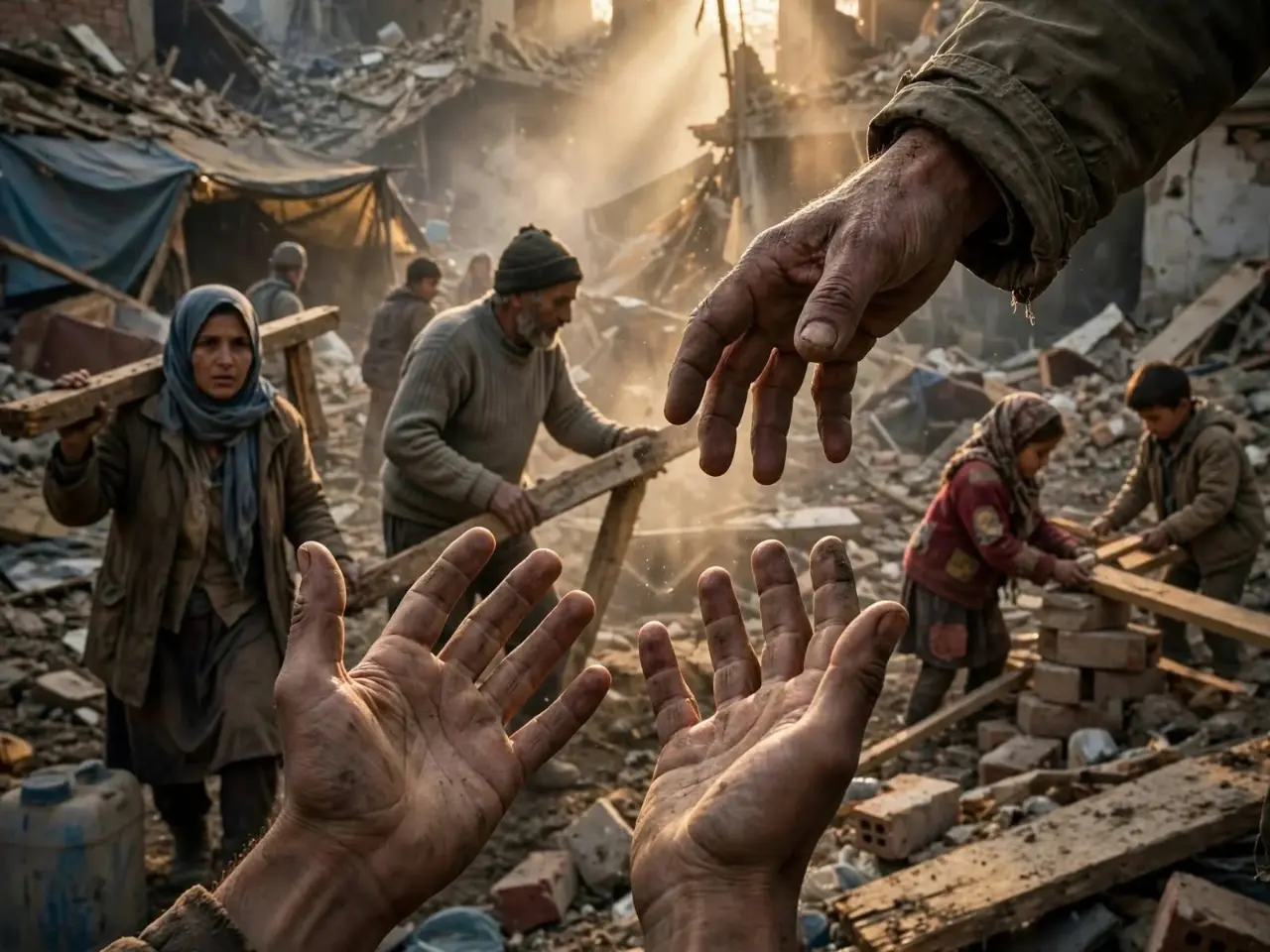
Survival Is Not Recovery: 160 Million Left Behind as Global Aid Drops 23% in 2025
More than 160 million people have exited their crisis situation, but they cannot get better. Aid dropped 23% in 2025, exacerbated by emergency and longer-term recovery needs. Millions are isolated and without work, schools and services. Now the real problem is recovery.
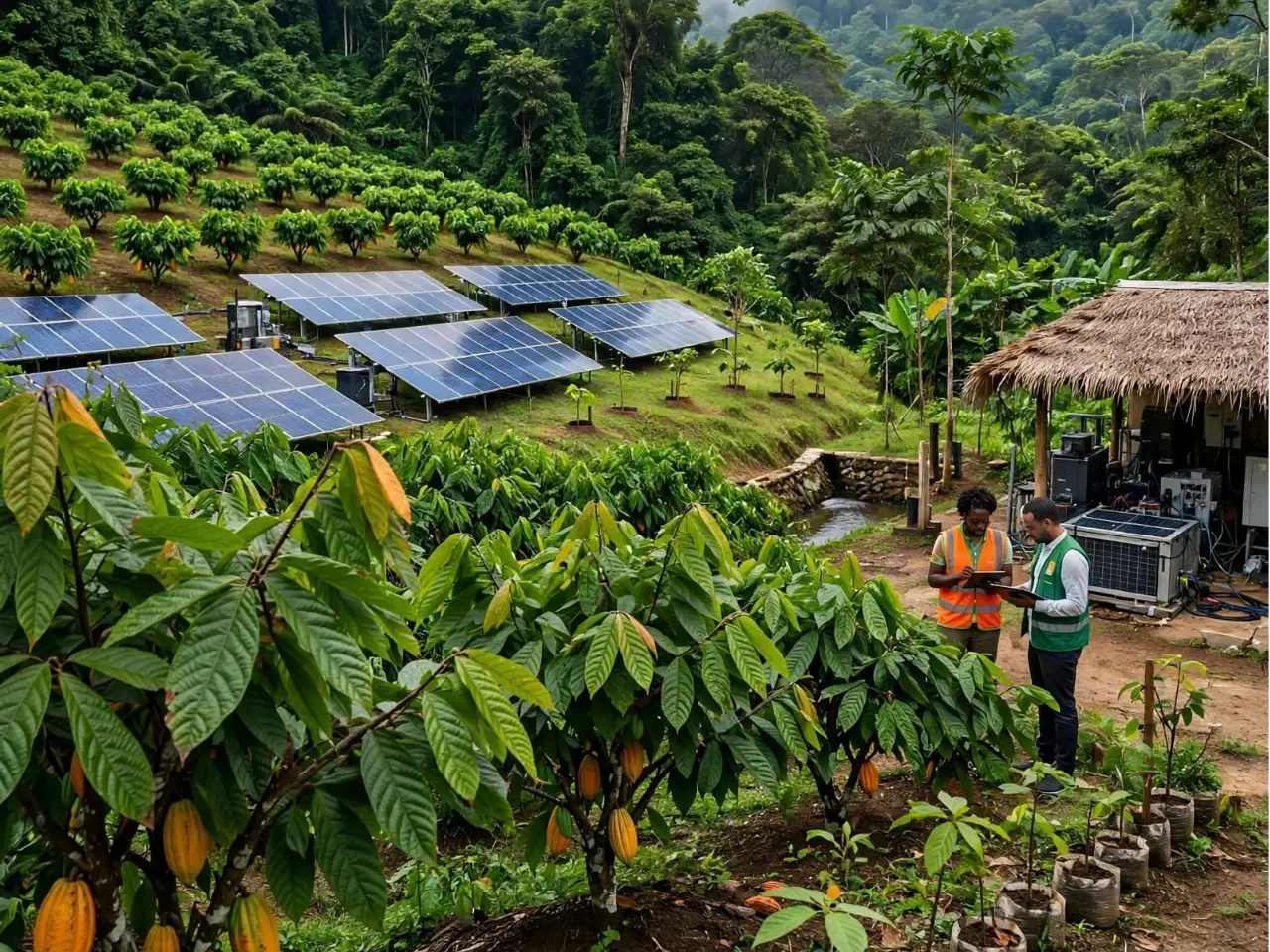
Cote d’Ivoire Raises €433M in West Africa’s First Sustainability-Linked Sovereign Loan Backed by World Bank
Through the first sovereign loan in West Africa under the sustainability terms of the World Bank Group, Cote d'Ivoire has raised a total of €433M. The agreement will provide reduced interest rates and climate-smart climate growth projects, which will set the model for Africa.
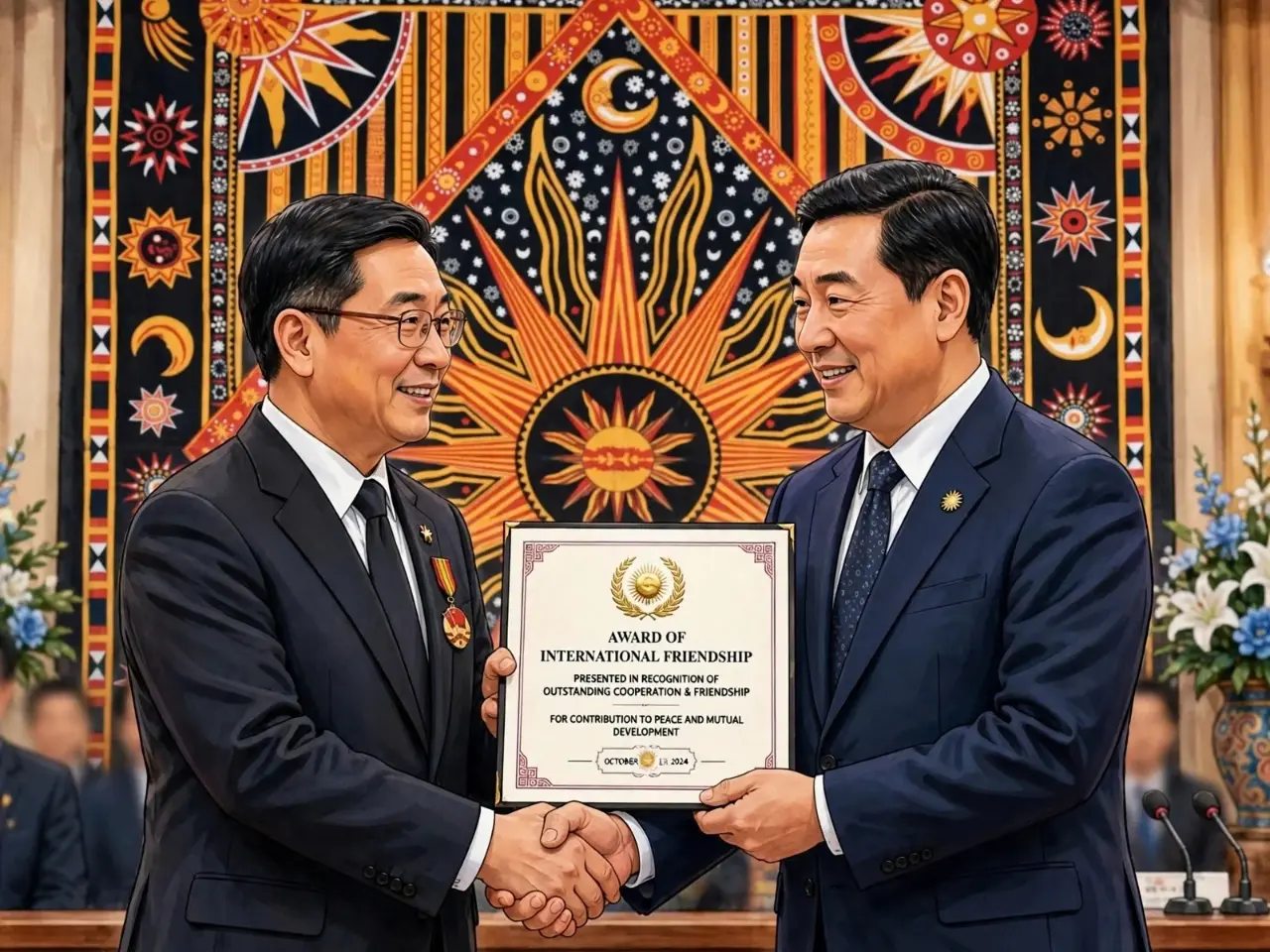
Mongolia Honors ADB President Masato Kanda With Friendship Medal, Secures $1.3 Billion Investment Pledge by 2027
The President of Mongolia, Ukhnaa Khurelsukh, gave the 35-year partnership award Friendship Medal to ADB President Masato Kanda. As part of the visit, Kanda announced that ADB will provide $1.3 billion in investment in Mongolia until 2027 to back development priorities.As part of the visit, Kanda announced that ADB will invest $1.3 billion in Mongolia until 2027 to support development priorities.
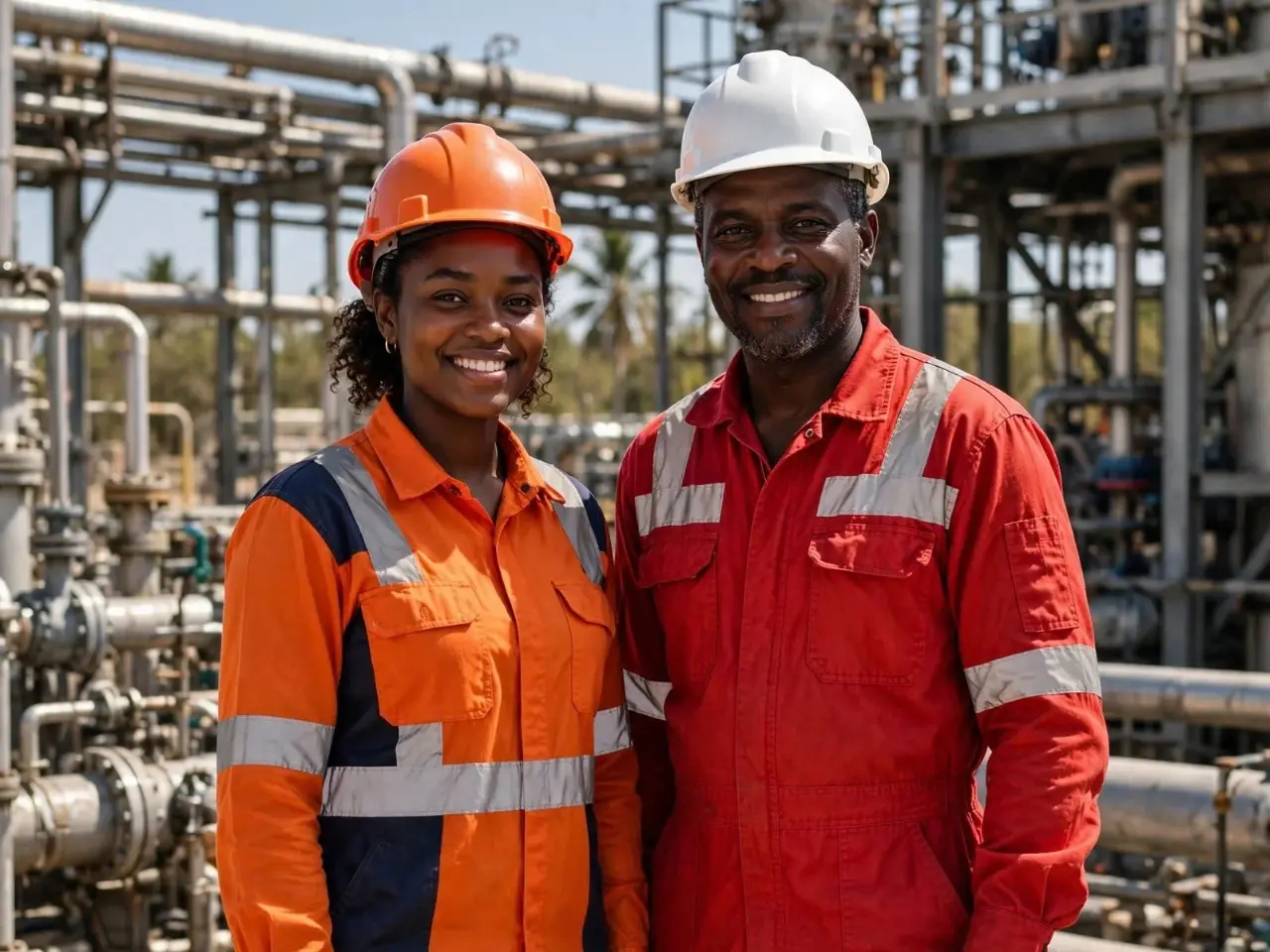
From Crisis to Opportunity: How Small Businesses in Cabo Delgado Mobilized $5.5M Investment and Created 960+ Jobs
Small businesses are seizing the opportunity of recovering in Cabo Delgado, Mozambique. UNDP's CONECTA Negocios initiative mobilized $5.5 million+ in private investment and created, enhanced, and built an environment for communities to access, create or improve 960+ jobs.
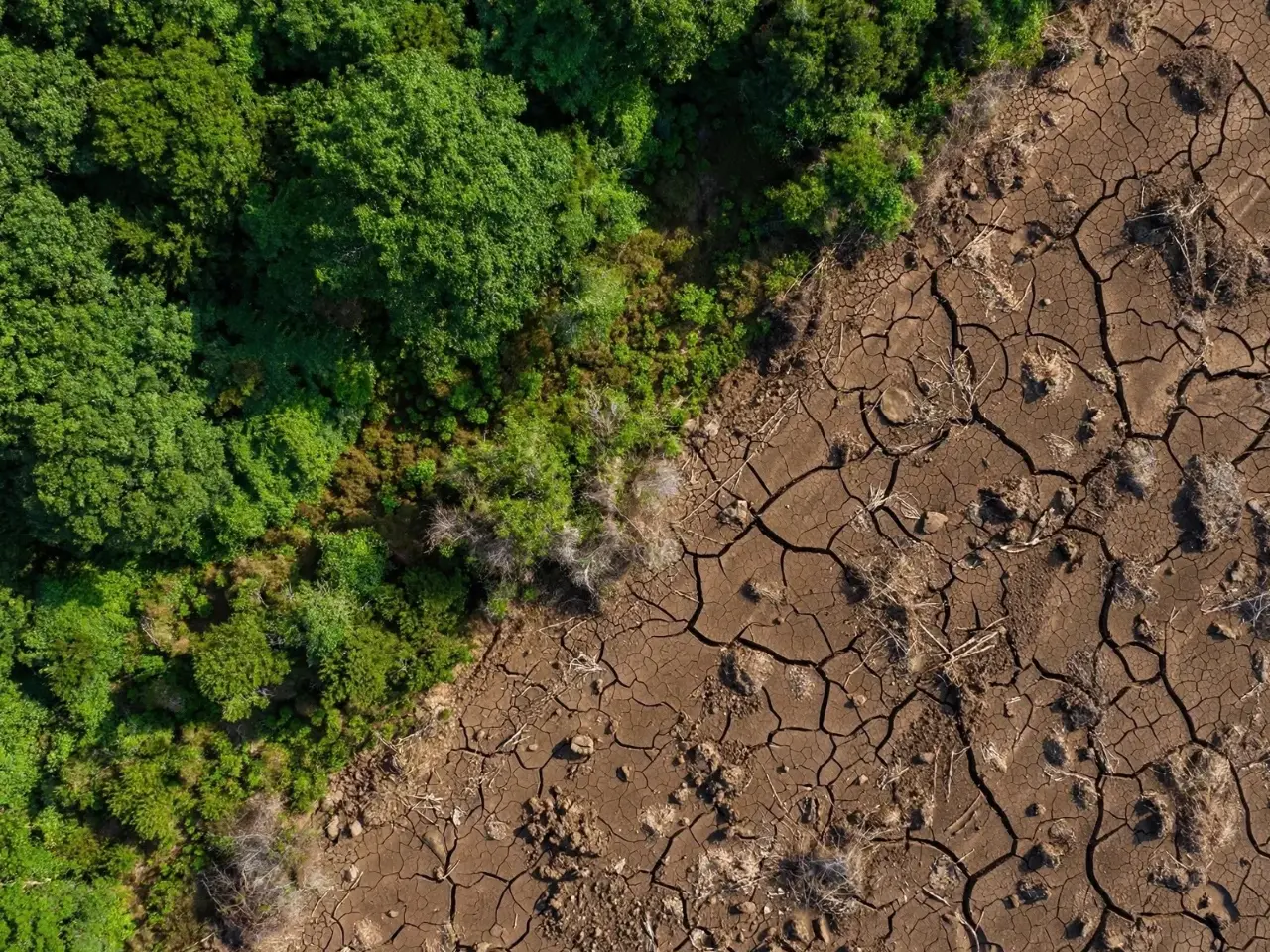
Over 10% of World's Land Degraded, 1040M Hectares of Farmland Lost to Human Impact - FAO SOFO 2026 Reveals
More than 10% of the world's land is degraded, according to the report State of World's Forests 2026 by the Food and Agriculture Organization (FAO). There is 1,040M ha of agricultural land, 460M ha of forest land and 160M ha of other land that are degraded, with cropland and pasture suffering the most severe impacts.
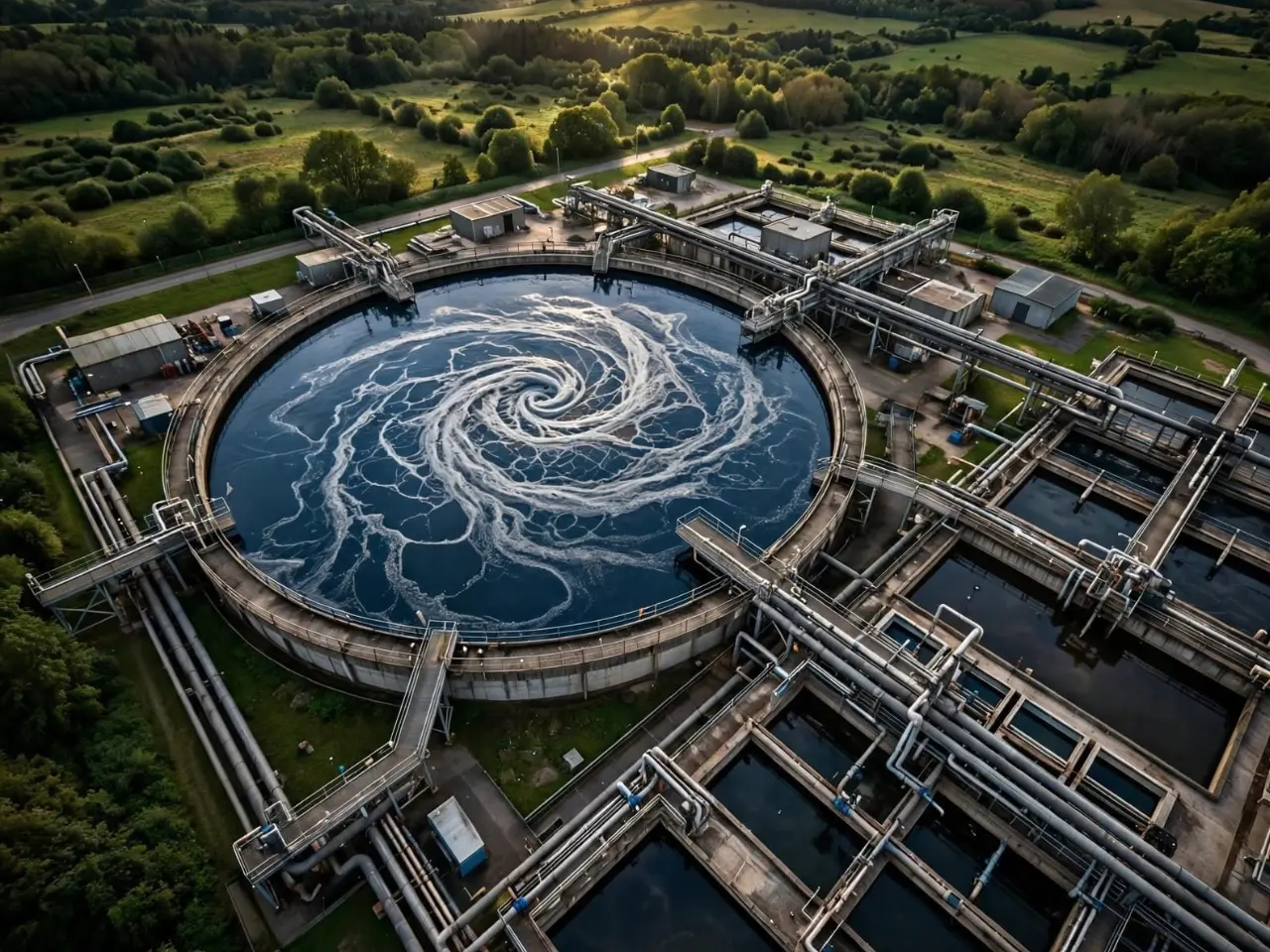
Only 56% of World's Wastewater Treated Safely, UN Warns of Growing Water Crisis
Only 56% of the global domestic wastewater is treated safely, with untreated discharge being a key driver of water pollution, according to a newly released UN report. Growth and increased demand is causing treatment progress to be lagging. The report calls for action to make water management more resilient.
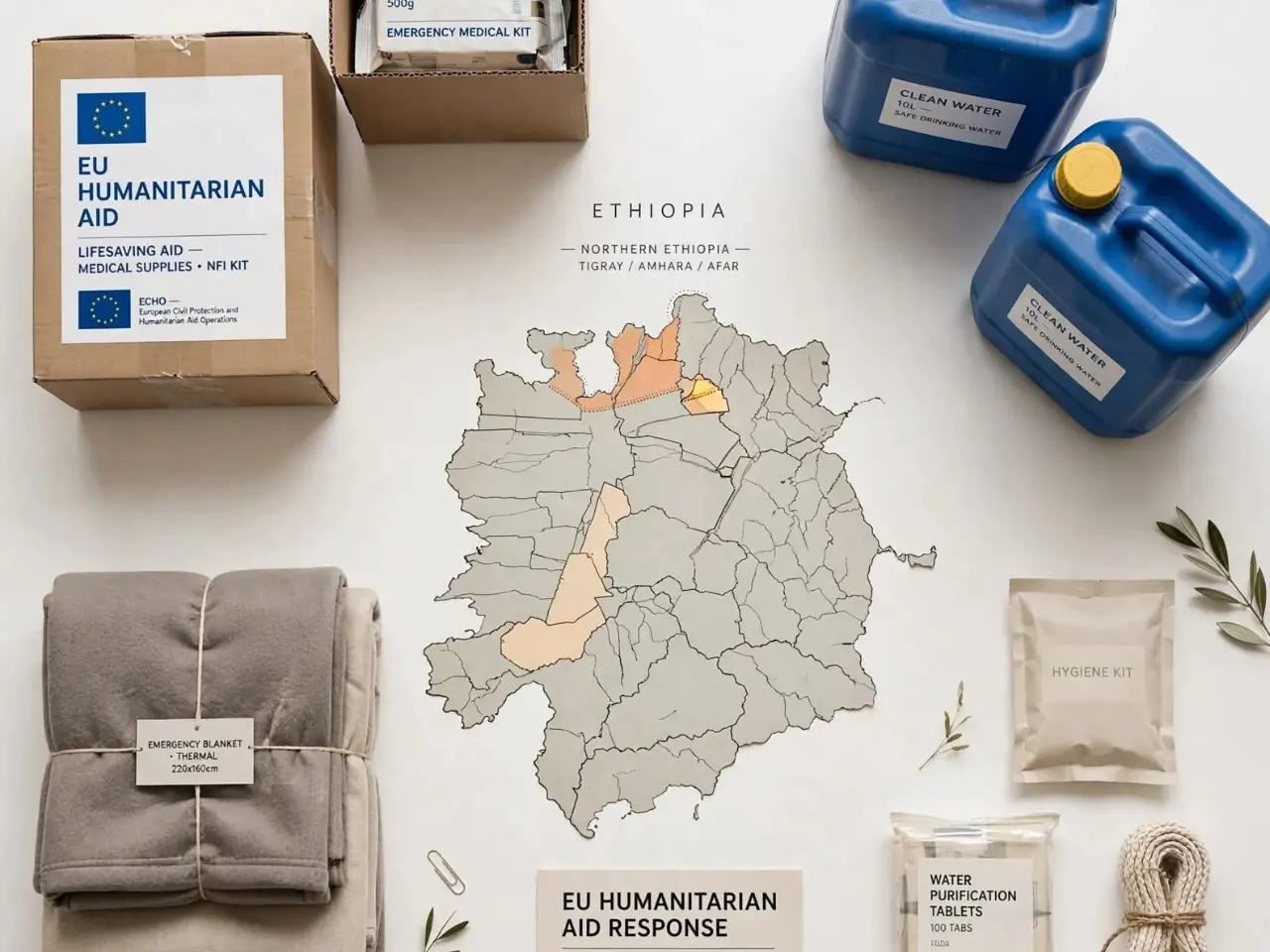
EU Pledges €61 Million Lifesaving Aid as Northern Ethiopia Crisis Worsens
European Union expresses "grave concern" for the situation in Northern Ethiopia and demands its immediate de-escalation, civilian protection and humanitarian access. EU pledges €61 Million for lifesaving and protection assistance to most vulnerable populations impacted by conflict.
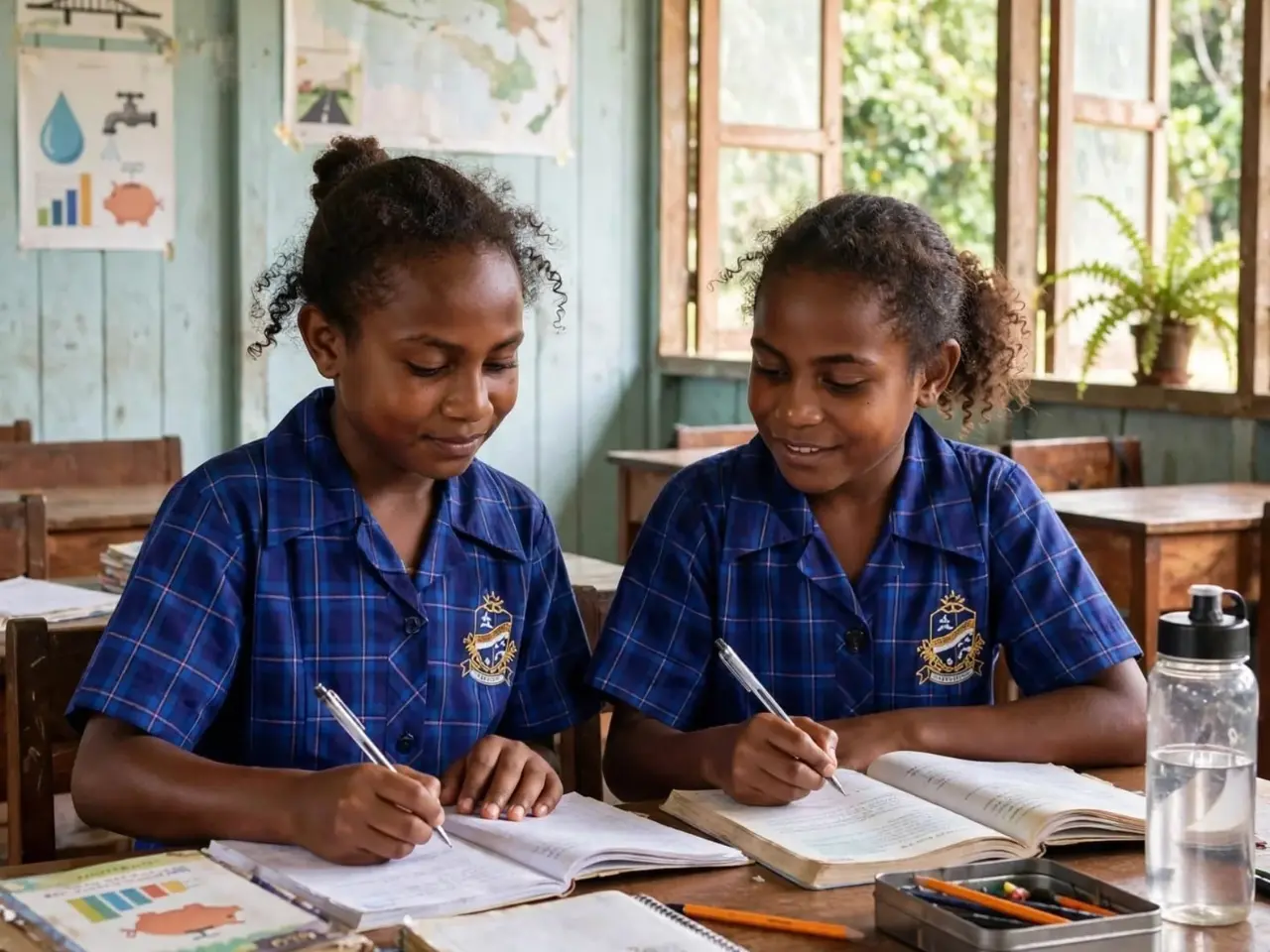
ADB Launches New 5-Year Partnership Strategy to Boost Growth in Papua New Guinea
To help facilitate inclusive and sustainable economic growth, Asian Development Bank (ADB) has released a new Country Partnership Strategy (CPS) for Papua New Guinea that aims to boost public finances, enhance transport and energy connectivity, and increase access to education and healthcare services.
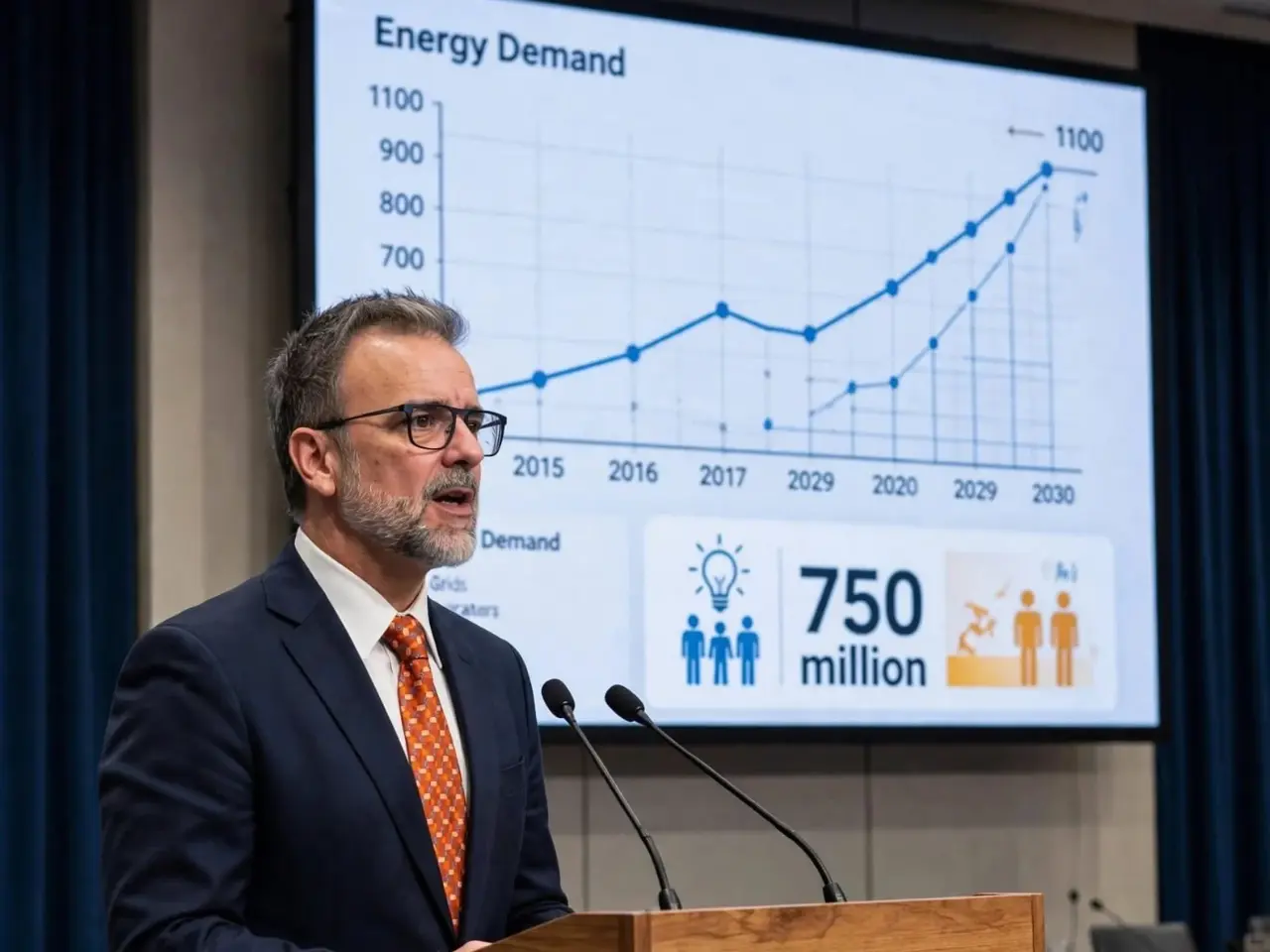
UN Launches Global Grids Accelerator as 750 Million Still Live Without Electricity
At the launch of the UN Global Grids Accelerator, Pedro Manuel Moreno states that the real electricity revolution is taking place right this moment. By 2030, World will have 1,100 TWh/year demand and 750 million people without power. New project to fill the grid gap.

EU and UN Women Launch Initiative to Create 500,000 Jobs for Women in MENA by 2030
EU joins forces with UN Women to launch Surging Women's Employment Initiative to generate 500 000 job opportunities and increase women's employment by 5% in the Middle East and North Africa by 2030, to empower women and stimulate inclusive economic growth.
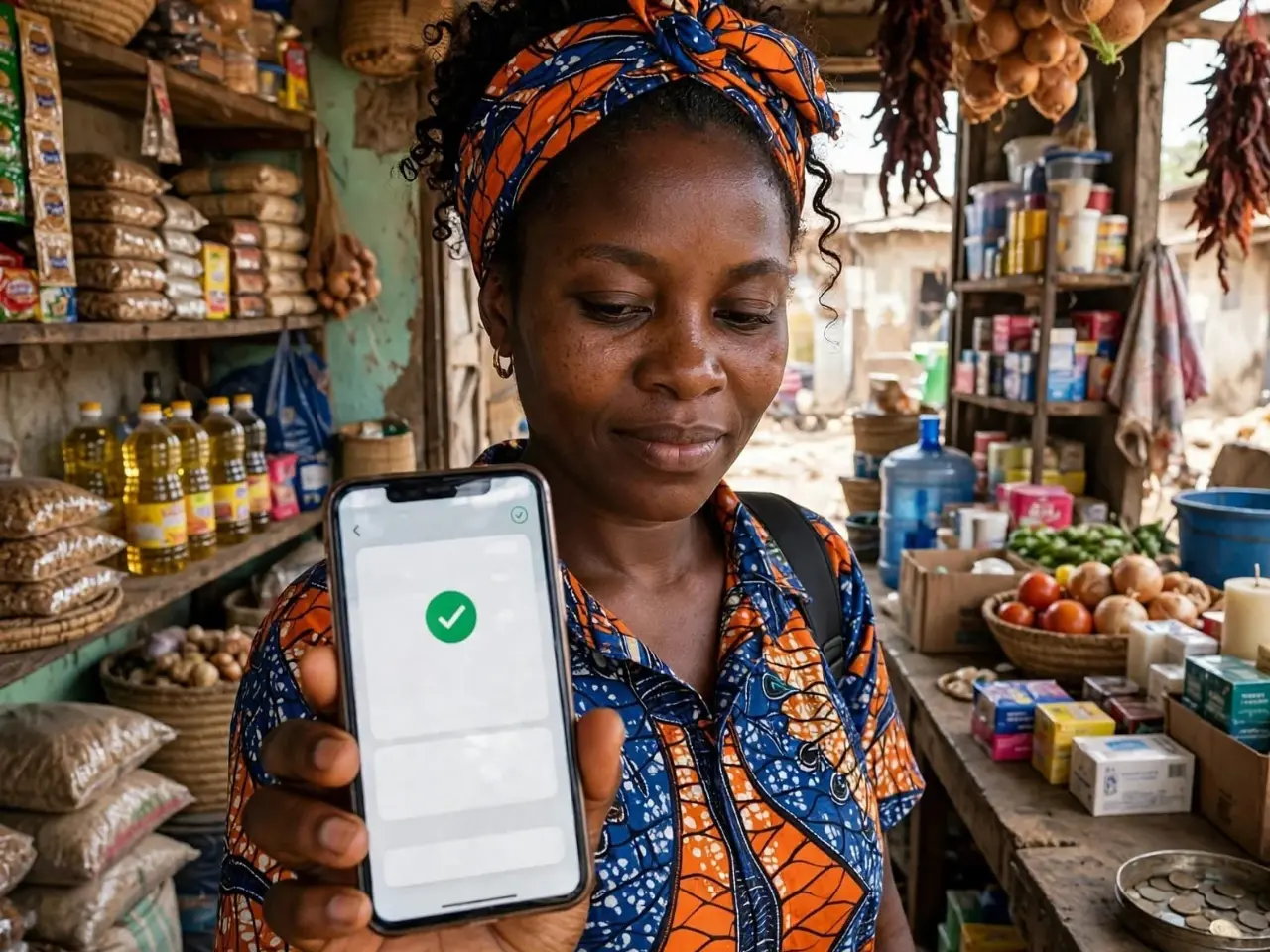
IFC Launches $700 Million Risk-Sharing Initiative to Expand Digital Payments in Emerging Markets
IFC is introducing a risk-sharing program for banks and fintechs to grow digital payments in emerging markets that will guarantee up to $700 million. It is designed to reduce settlement risk and has the potential to release $280 billion in payments, 360M cards, and 90M new users.
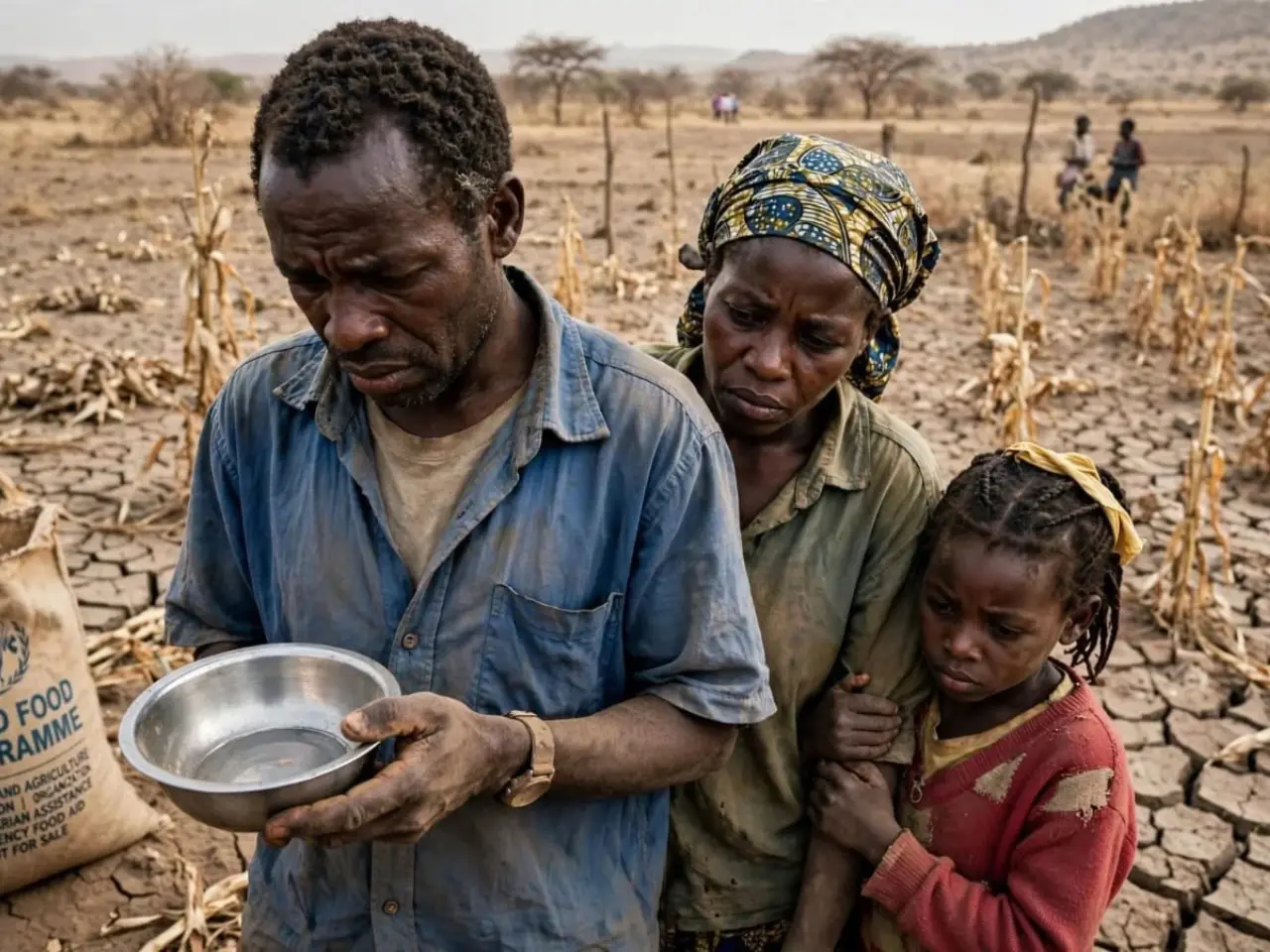
El Niño Puts Smallholder Harvests at Risk: WFP and FAO Step In to Avert Hunger Crisis
El Niño poses a threat to smallholder farmers globally of failing crops reducing food supplies, income and resilience. WFP and FAO are working together to implement anticipatory action to support families' efforts to save crops that took them all year to grow, while hunger risks are increasing for millions.
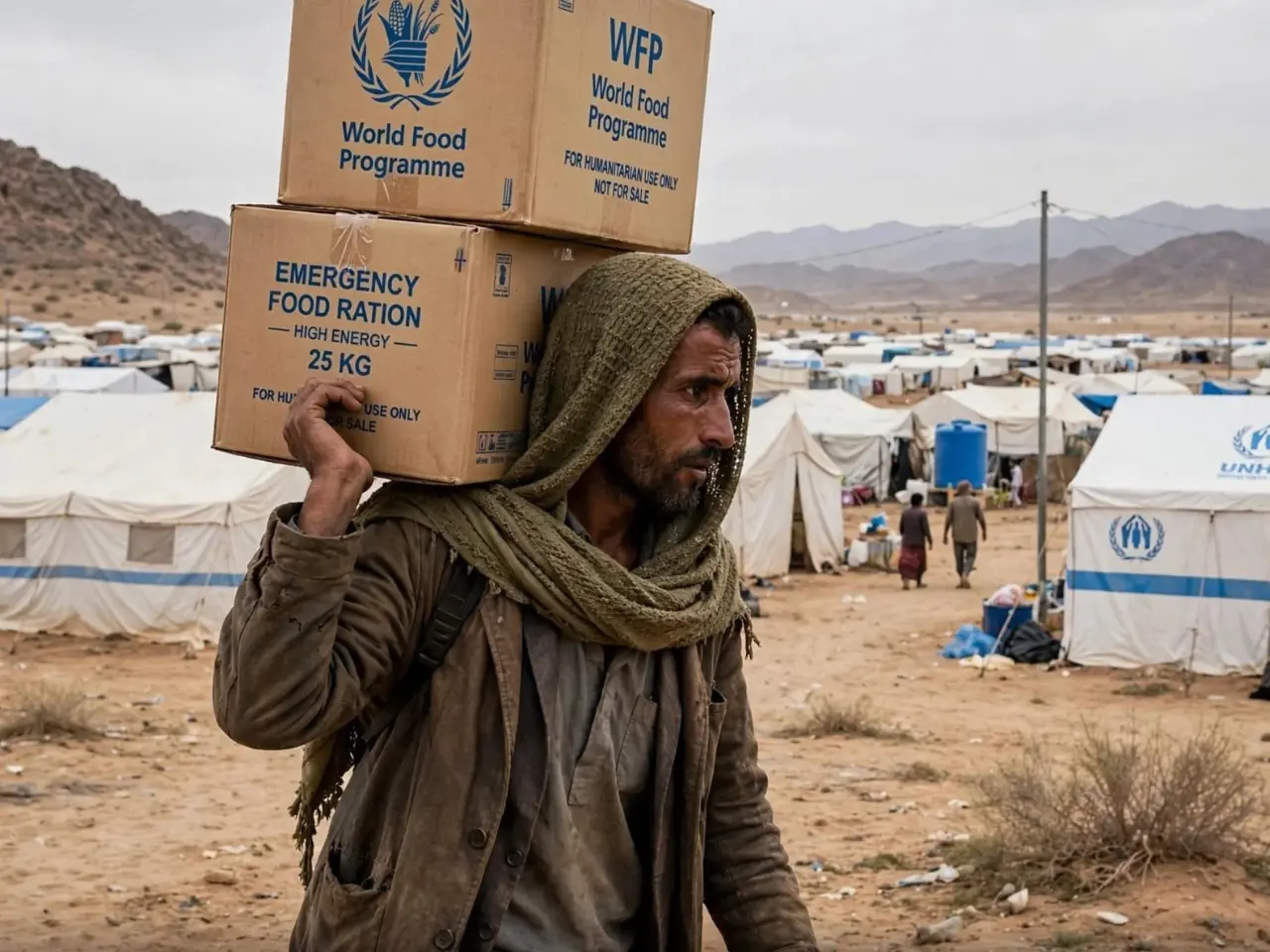
Yemen Crisis: 125,000 Displaced in Days as Fighting Erupts on Western Coast
These days, 125,000 people have been displaced due to renewed fighting along Yemen's western coast. WFP has reached 45,000 with emergency food, and has scaled up to help 1.5 million additional people. Thousands are leaving their homes and urgent funding and safe access is required.
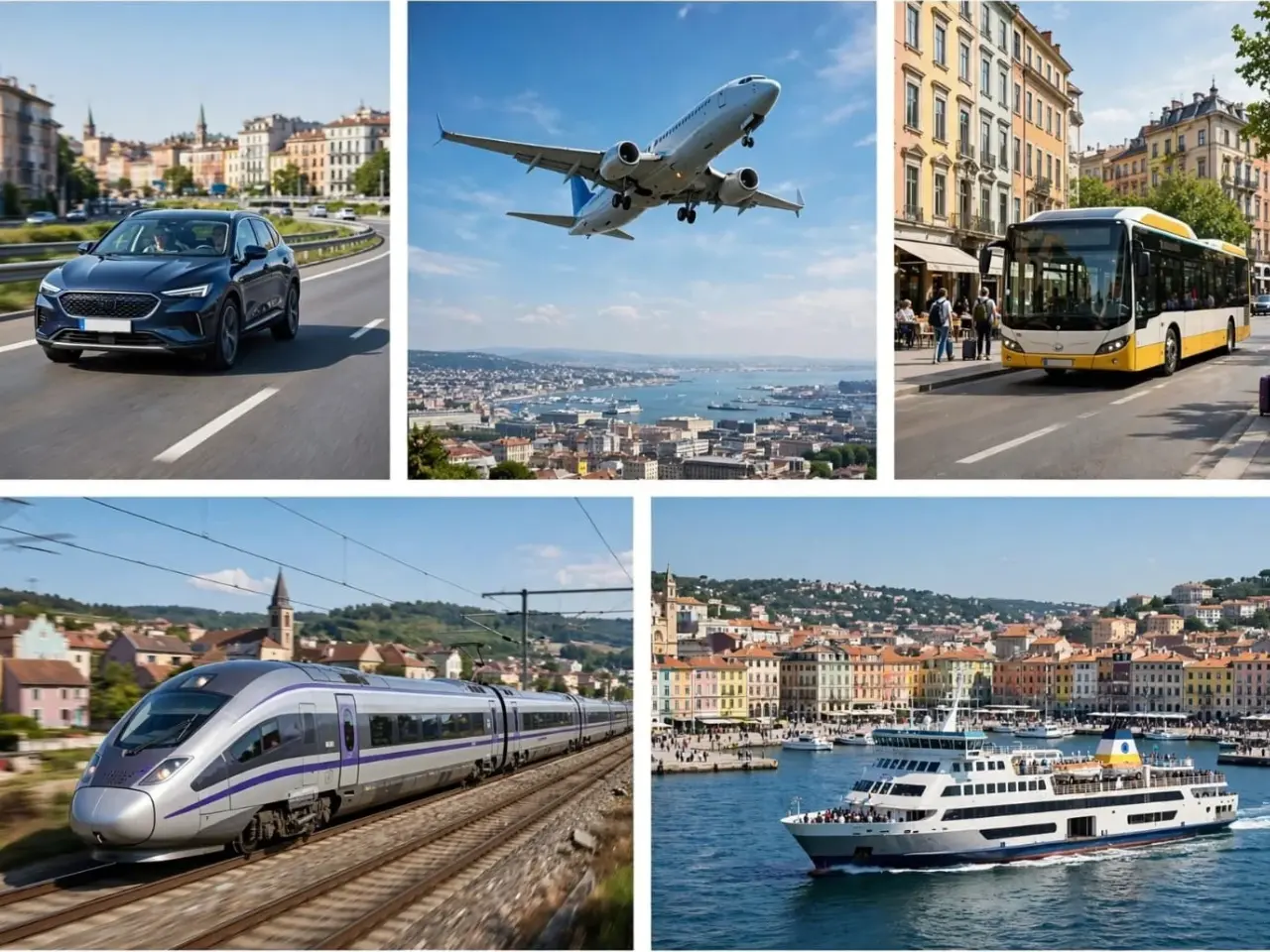
Lithuania Drives Most By Car, Croatia Flies Most - How EU Moved in 2024 Reveals Huge Divide
According to Eurostat 2024 data, Lithuania has the highest rate of car travel (83.7%), Lithuania the highest rate of air travel (45.6%), and Malta the highest rate of bus travel (17%). Hungary has the highest share in train in passenger-kilometres (11.3%) and in Estonia it has the highest share in sea vessels (2.7%).
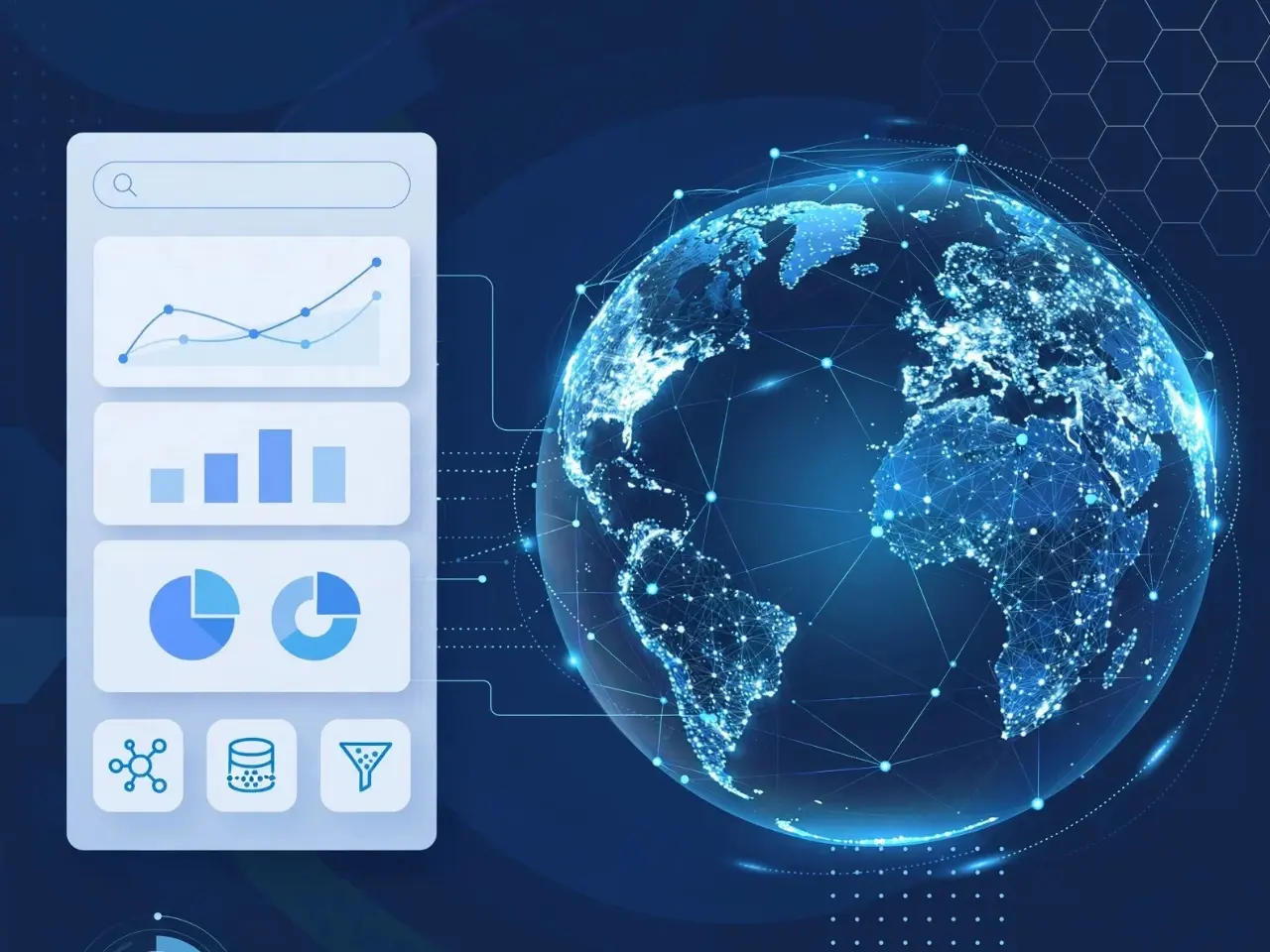
UN Launches System Data Commons With 44 Million Data Points From 26 Agencies to Make Global Data Accessible
The United Nations has launched the System Data Commons, a unified searchable platform bringing together nearly 44 million data points from 26 UN entities. UN Chief António Guterres said behind every statistic is a human story. Explore the platform at data.un.org.
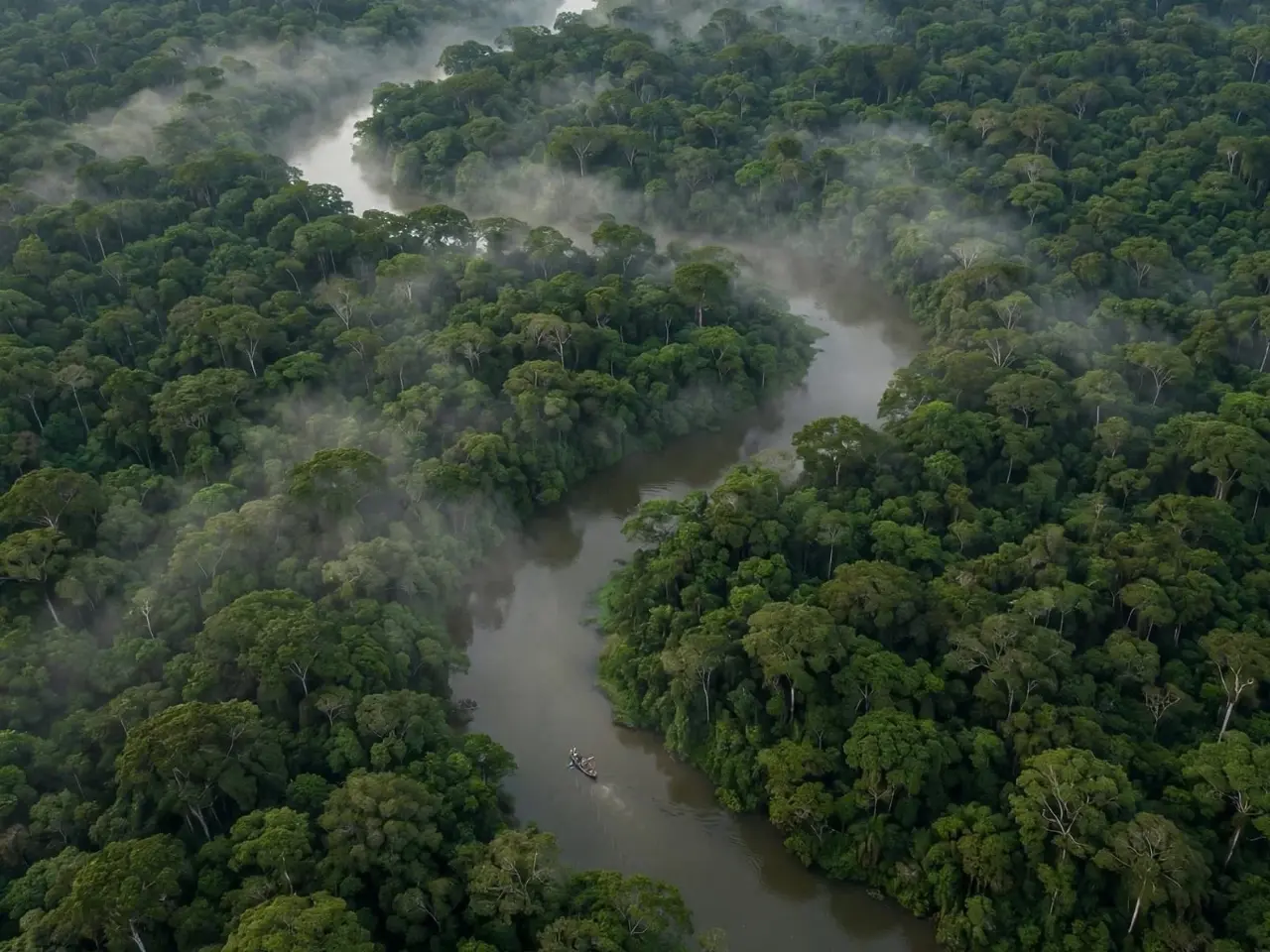
Amazon Saves Forests and Creates Jobs: 7.4 Million Hectares Protected
Working to protect the Amazon is also about jobs, proving that over 10 years, the Amazon Sustainable Landscapes program works. It has successfully achieved 7.4 million hectares of protected areas and assisted 36,200+ direct beneficiaries in sustainable livelihood, showing the connection between forest conservation and economic opportunity.
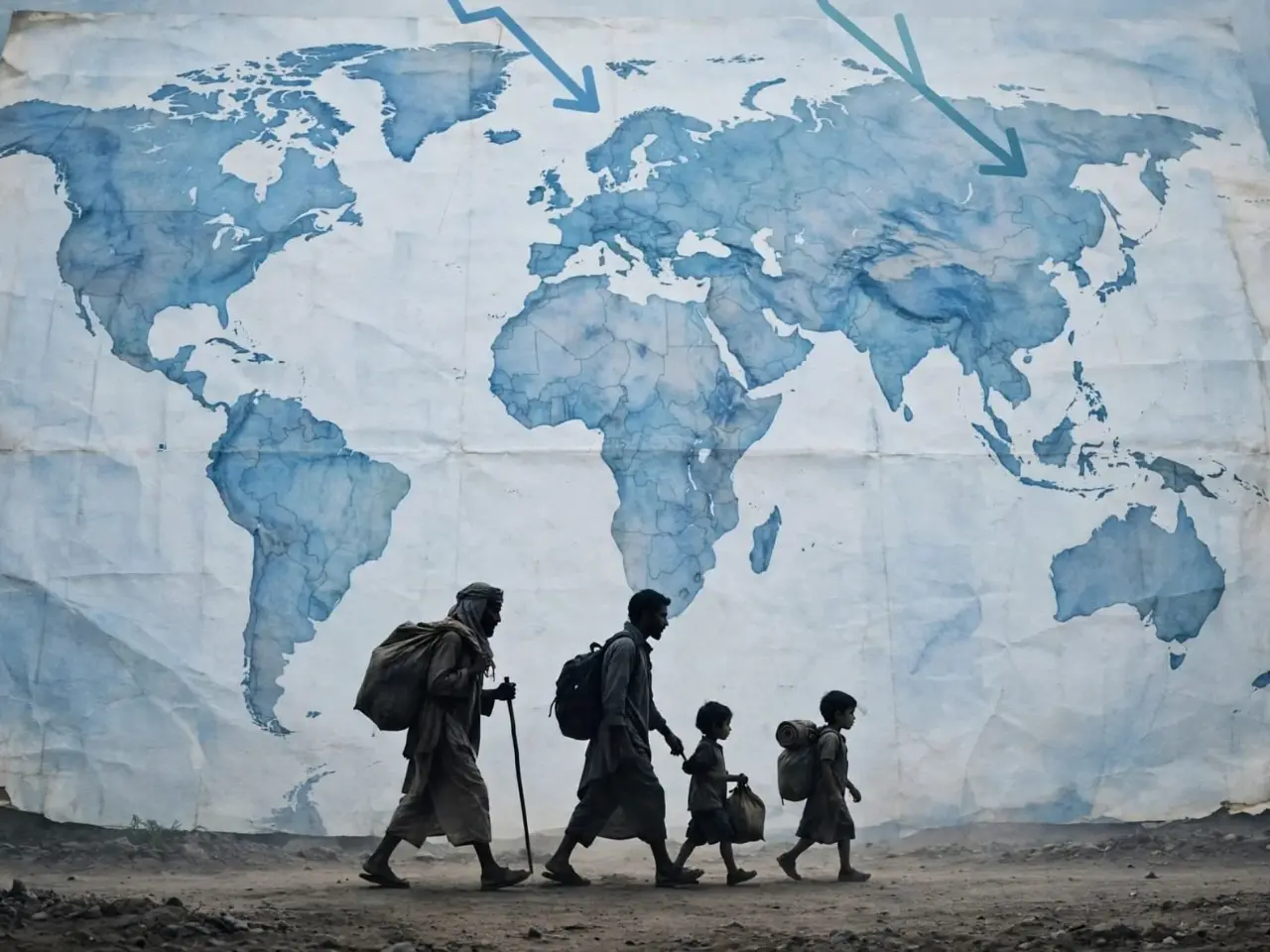
Global Violence Down 23% But 118 Million Forcibly Displaced, UN SDG Report 2026 Reveals Peace Paradox
Despite global trends of decreasing levels of violence, SDG Report 2026 indicates that the number of civilian deaths attributed to armed conflict has dropped by 23% in a single year, with global displacement of 118 million people by December 2025, and peace is far from the region.
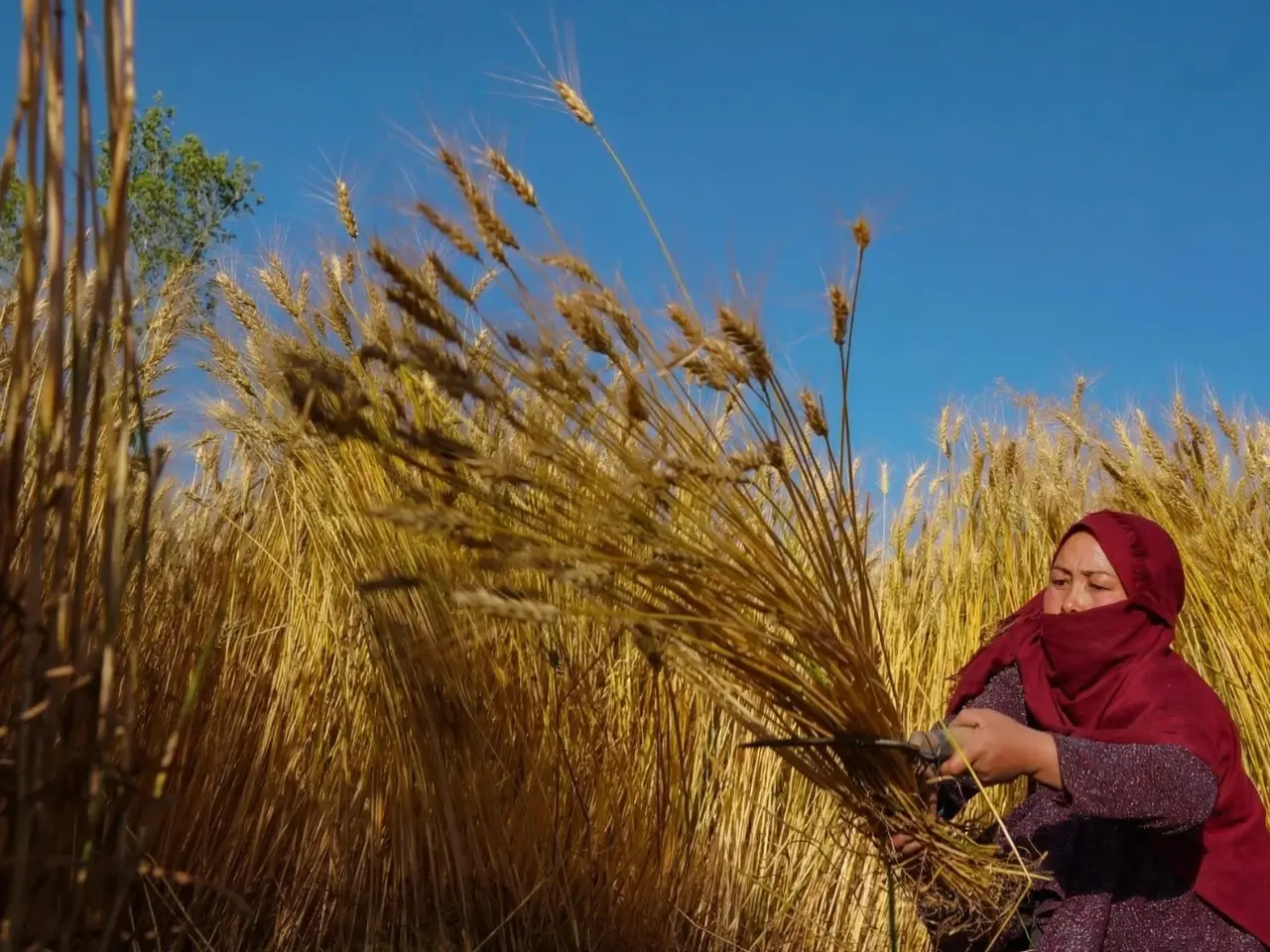
1°C Hotter, 6% Less Food: FAO-WMO Warns Extreme Heat Is Slashing Global Crop Yields
The extreme heat has reduced crop yields of staple food crops by 4-10% for every 1°C rise, putting the world at risk of food insecurity, food availability, and farmer livelihoods, FAO and WMO warn, as food production is taking a dive and urgent climate action is needed to protect future food and vulnerable communities.
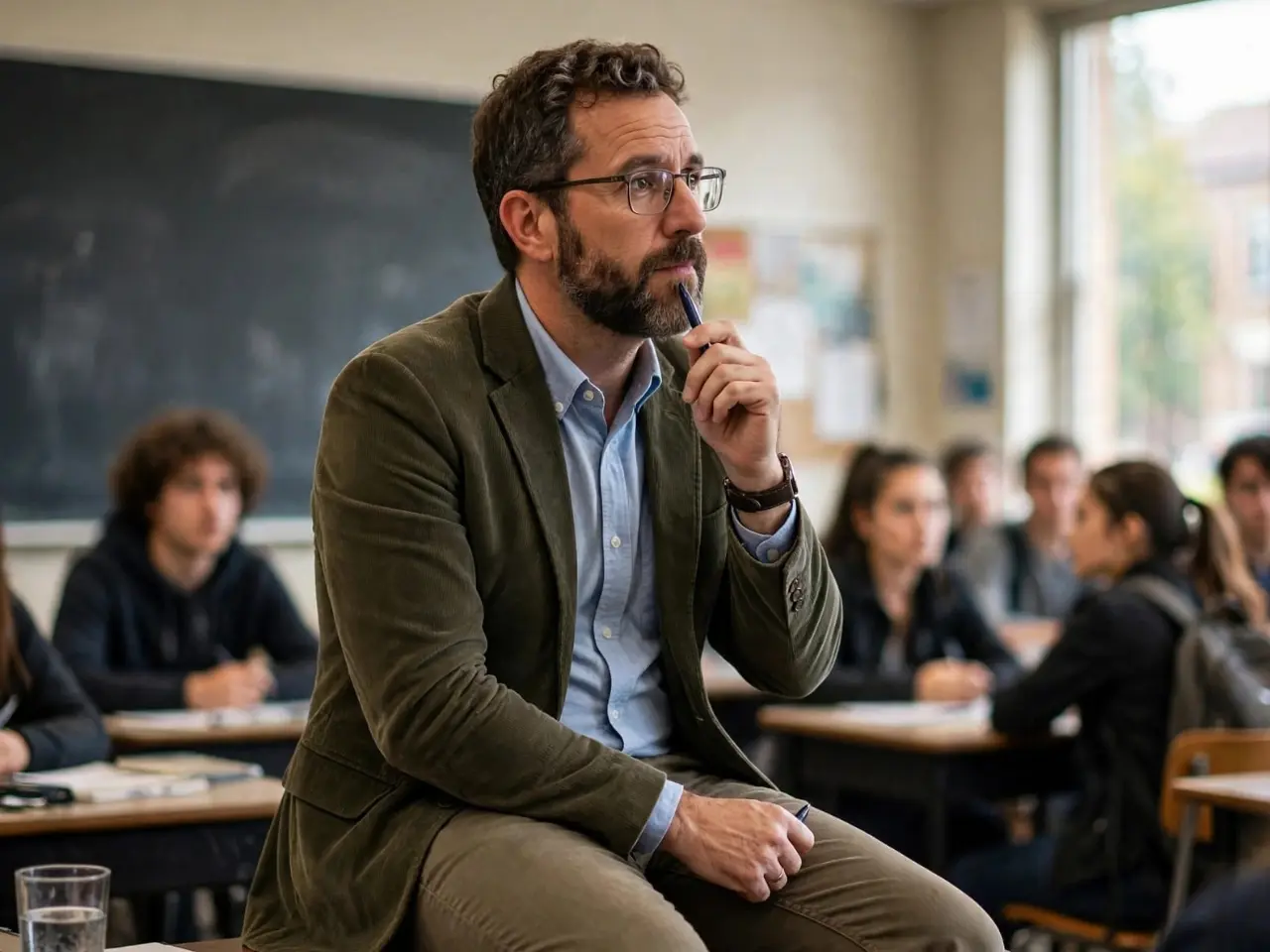
Only 33.4% of Higher Education Professionals Feel Confident Using AI: UNESCO Survey Reveals Major Skills Gap
While AI is increasingly making its way into higher education classrooms, only 33.4 percent of higher education professionals are very confident in using AI, according to a UNESCO survey. UnESCO brings together educators and policymakers at Digital Learning Week 2026 to cultivate skills, trust and clarity in the confident use of AI in Higher Education.
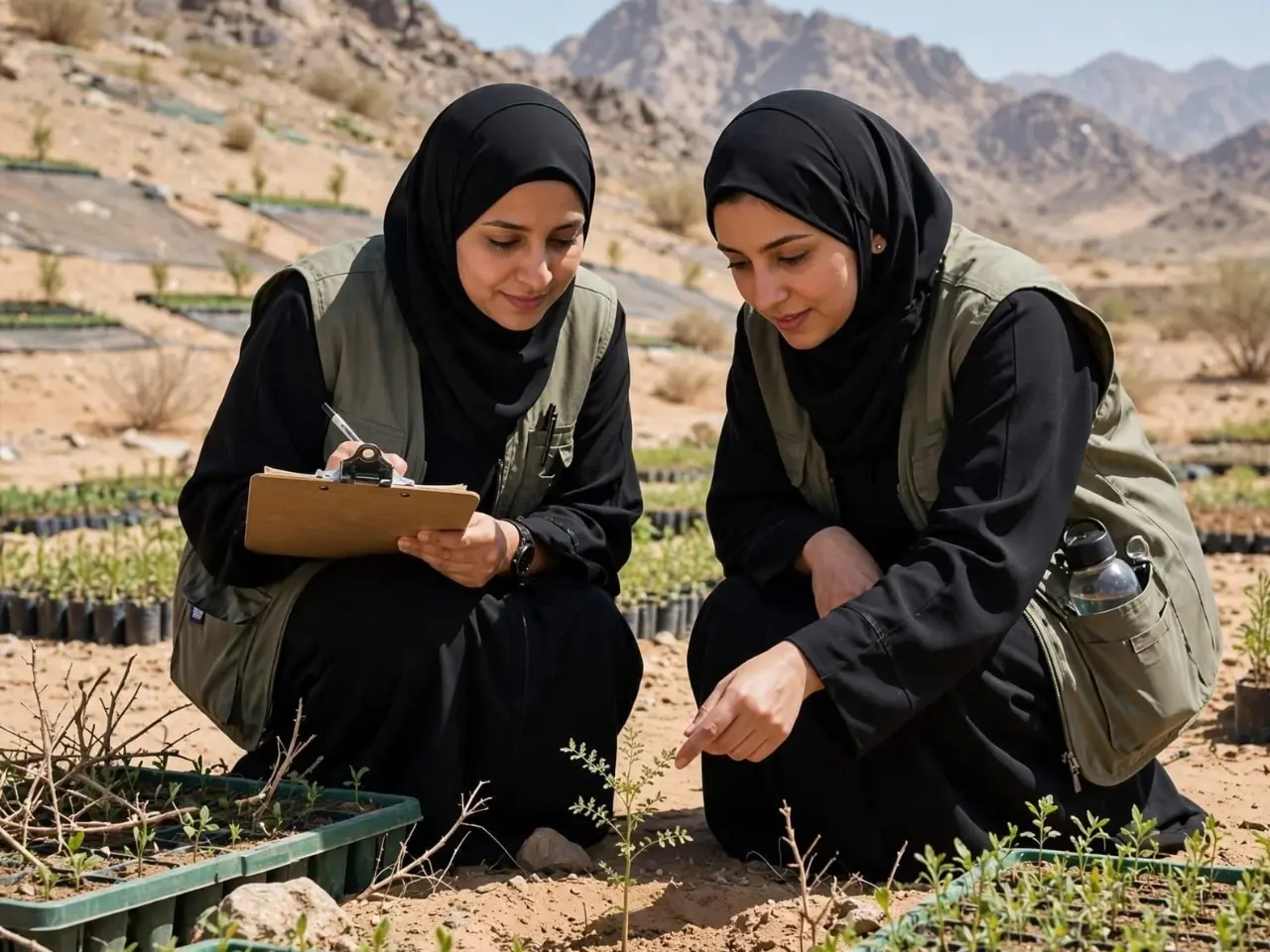
Saudi Arabia's 2.5 Million Hectare Restoration Mission Named UN World Restoration Flagship
The KSA National Greening Program sets Saudi Arabia's goal to reclaim 2.5 million hectares of degraded lands by 2030. The initiative, which is part of the UN World Restoration Flagship, addresses desertification, enhances biodiversity and supports the objectives of the Saudi Green Initiative.

IFC Launches $700 Million Guarantee to Expand Digital Payments in Emerging Markets
The World Bank Group's IFC also introduces a new risk-sharing mechanism to facilitate the implementation of settlement risk management for banks, fintechs and local financial institutions to improve financial inclusion in emerging markets with up to $700 million in guarantees.
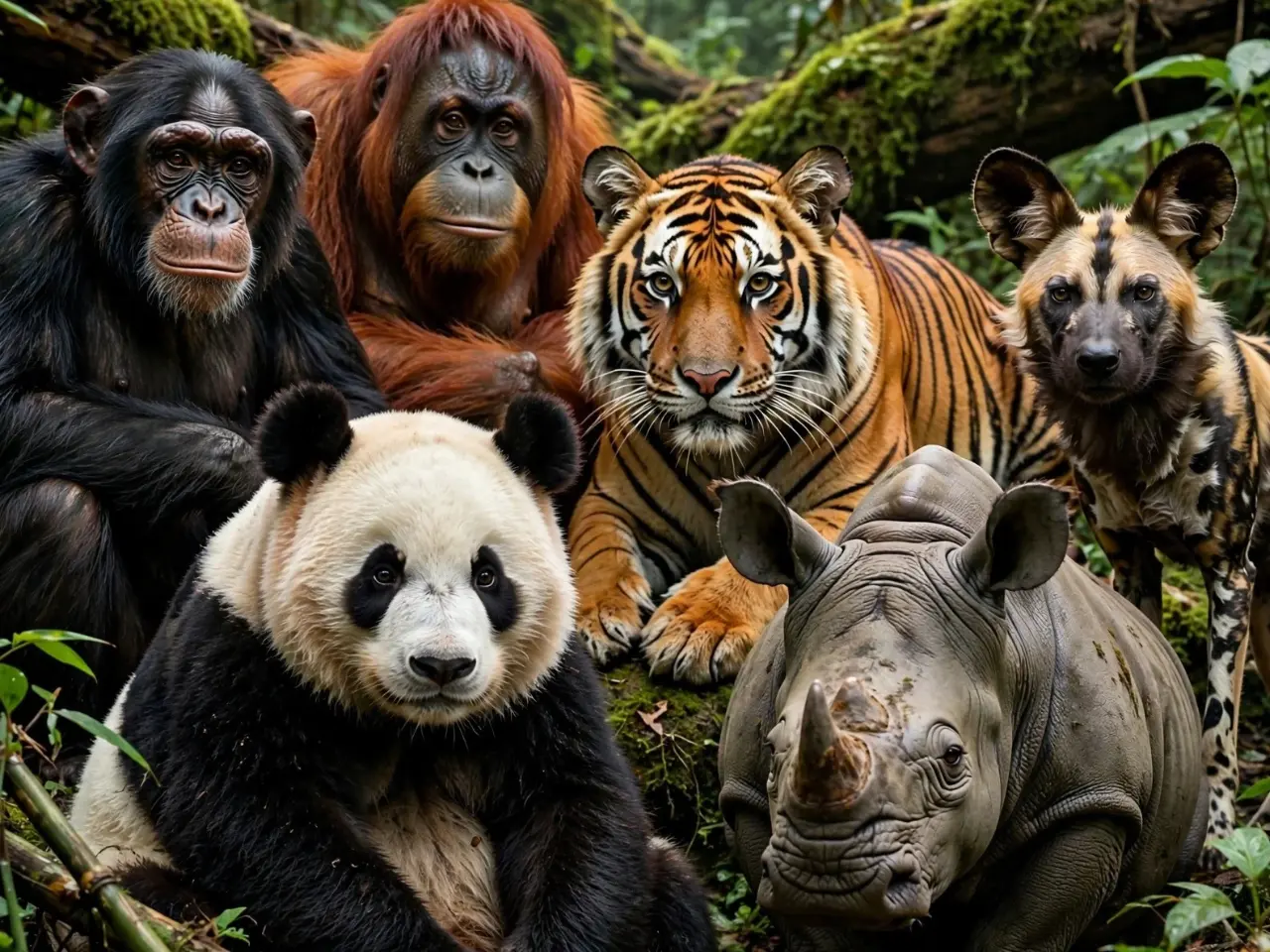
UNDP Warns 1 Million Species Face Extinction as Biodiversity Tapestry Frays
The web of life is unraveling in the face of biodiversity loss. Earth's ecological balance is in danger, with 1 million species in danger of vanishing due to habitat loss and climate change, including the tiger, panda, orangutan, rhino and chimpanzee, cautions UNDP.
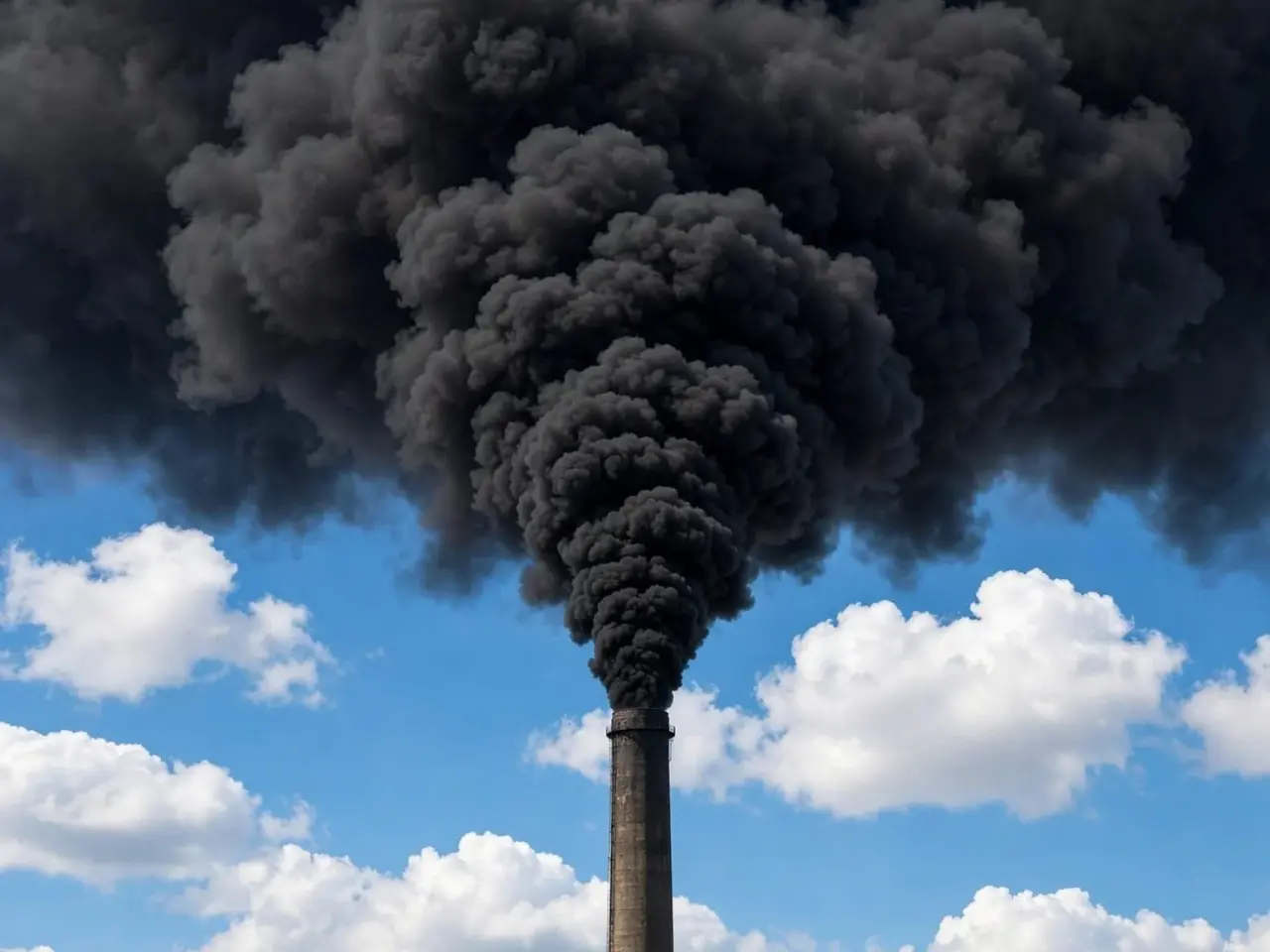
World Spends 3X More on Fossil Fuels Than Needed for Clean Air Transition
The world spends 2.18% of global GDP on fossil fuel subsidies, more than triple the 0.7% needed to fund transition to cleaner air and safer climate. UNEP says solutions and money exist, but action at scale is needed on CleanAir.

UNEP: 25 Actions Can Cut CO2 By 50%, Prevent 144 Million Deaths
Air pollution is caused by the same sources as climate change, according to UNEP's new #CleanAirDay report. It has pinpointed 25 actions which have been proven to reduce CO2 emissions by 50%, methane by 60%, air pollutants by 70% and avert 144 million premature deaths while improving economies.
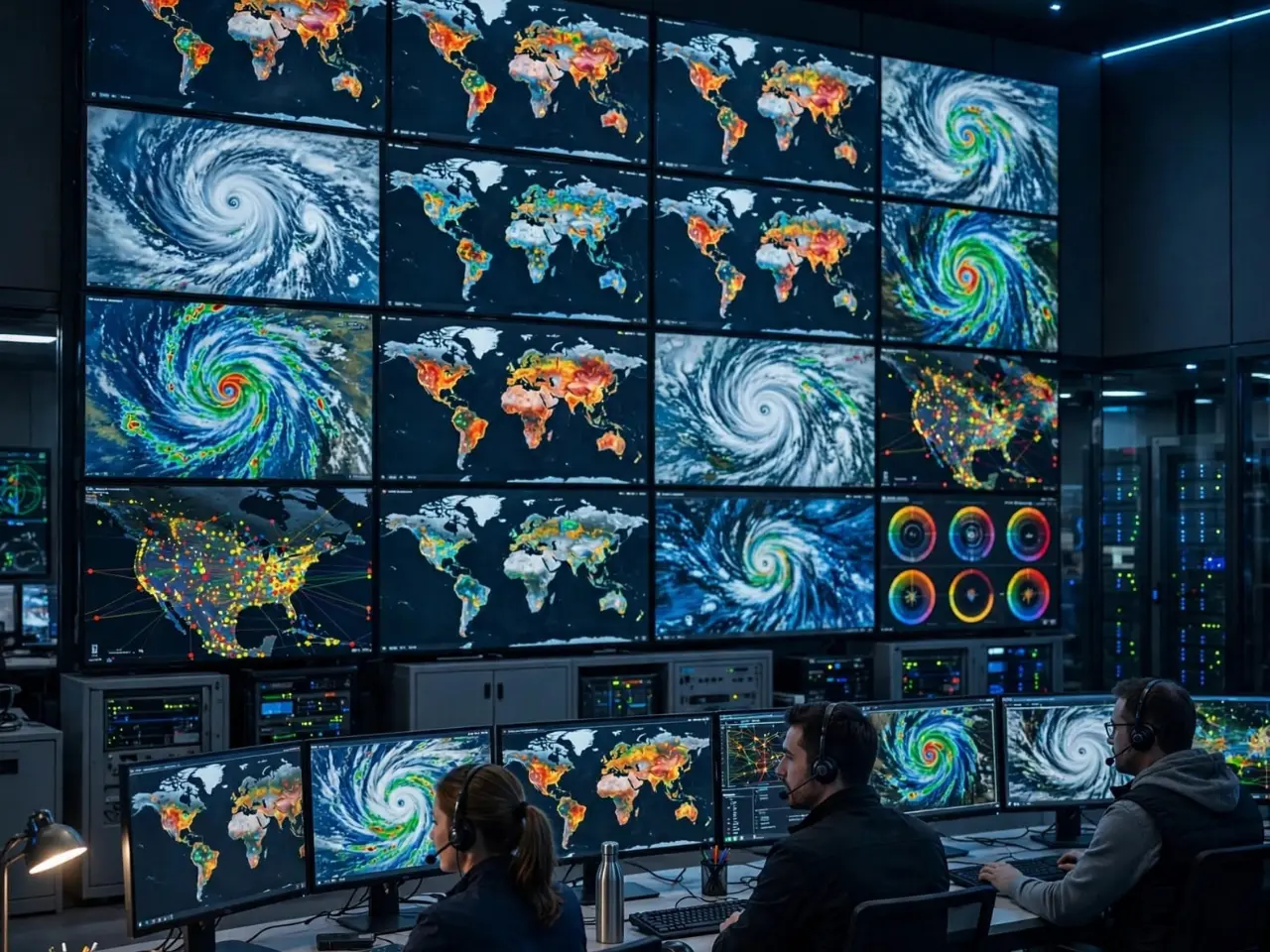
Beyond Body Counts: UNDRR Launches G-DRSF Framework to Predict Disaster Risk Before It Strikes
UNDRR's new Global Disaster-Related Statistics Framework (G-DRSF) links risk components like hazards, exposure and vulnerability with impacts on people, assets and economy. Transforms post-disaster data into pre-disaster intelligence that can inform and support risk reduction decisions and spending by countries.
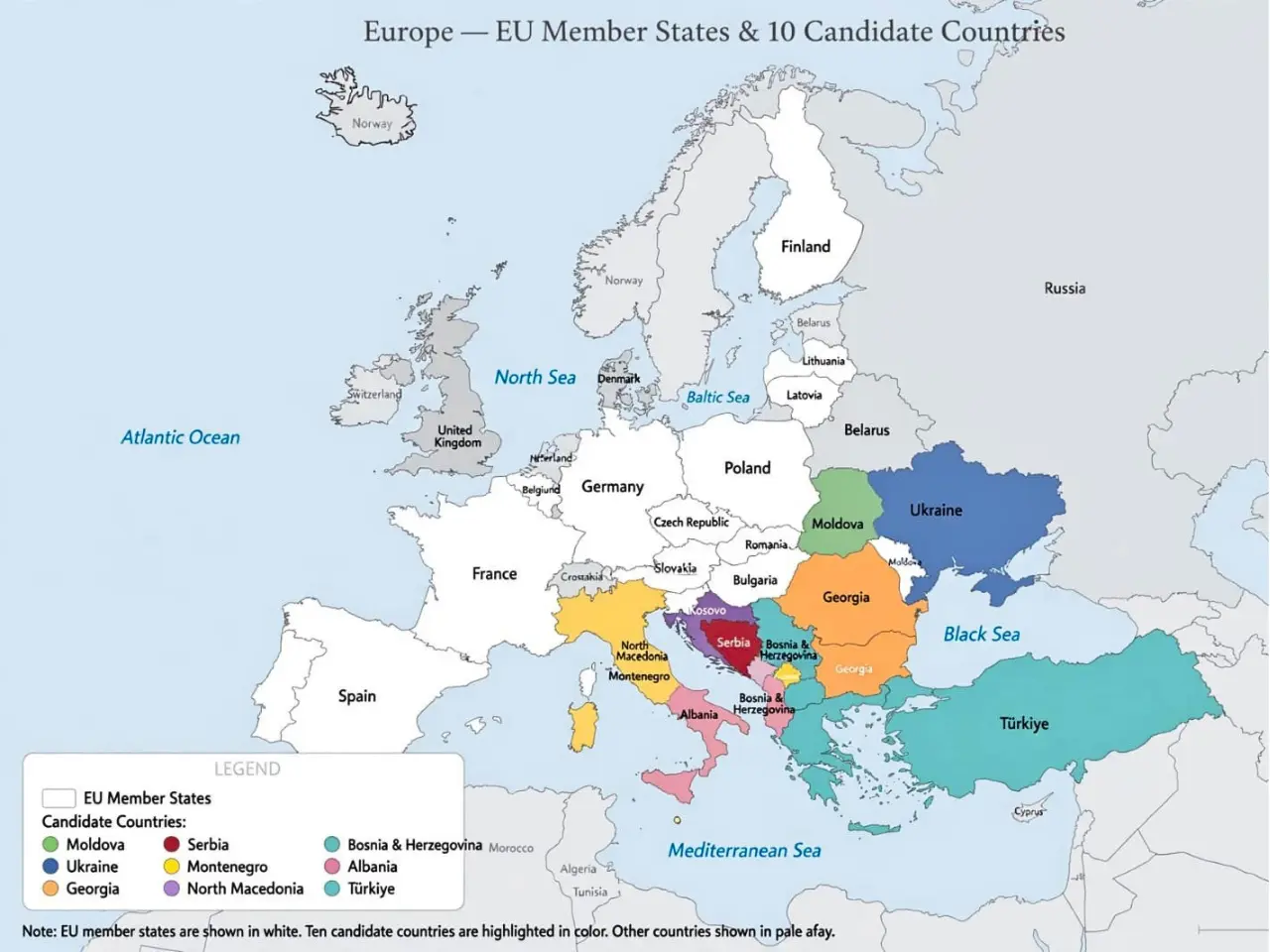
10 Countries Want To Join The EU
EU enlargement is a shared future, says the European Parliament. 10 countries including Ukraine, Moldova, Serbia, Albania and Turkey are candidate and potential candidate countries. Attaining EU membership should be fair, credible and merit-based, parliament says.
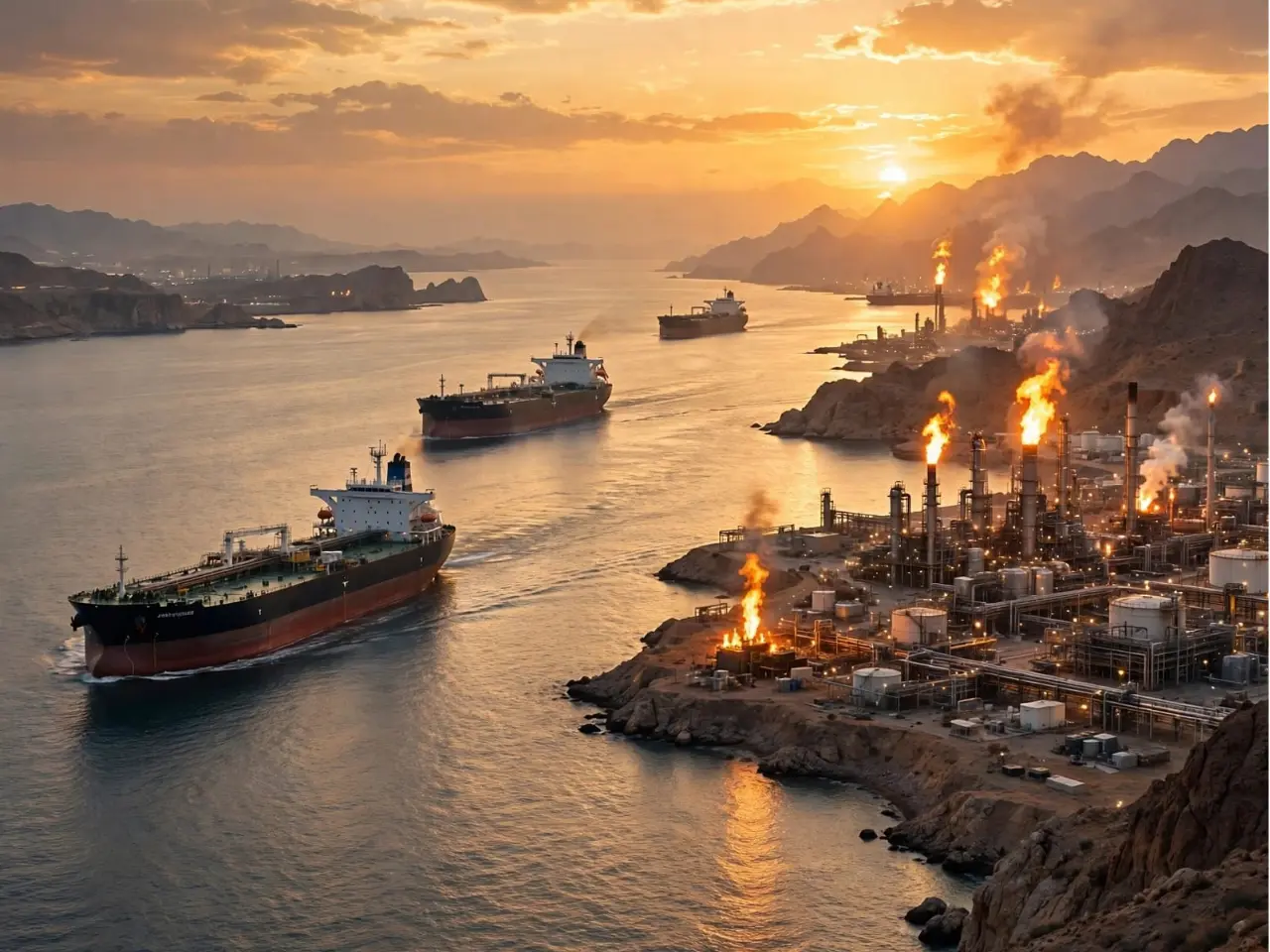
Half of Southeast Asia's Fuel Comes From Middle East Oil
Middle East oil is a key resource for Southeast Asia. 60% of its crude imports come from there. Nearly half of its daily fuel - 5.2 million barrels - comes from Middle East crude. But if Hormuz shuts down, it means a big fuel shortage in the region.
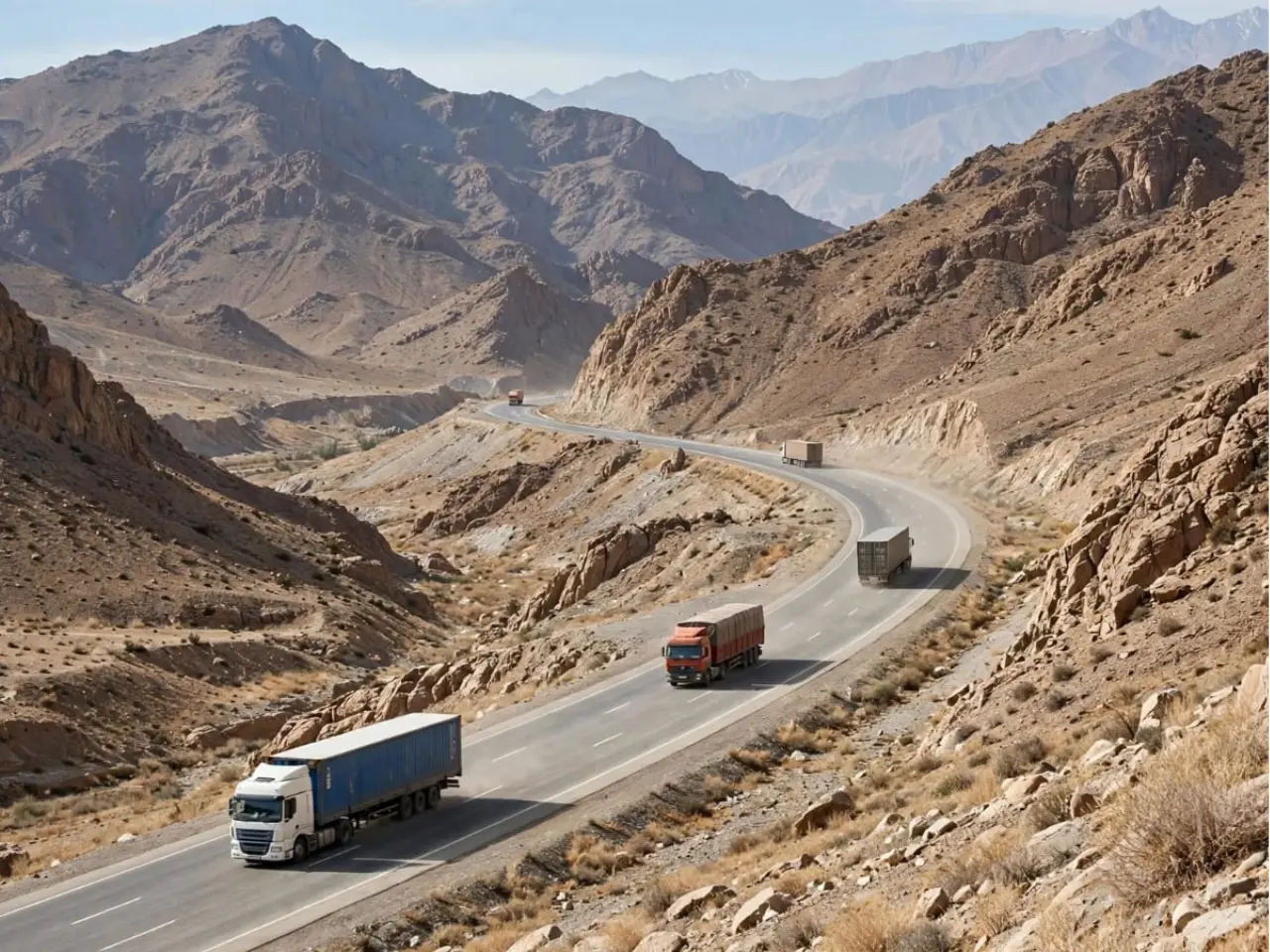
ADB Approves $400 Million to Modernize Central Asia Borders, Cut Trade Costs and Speed CAREC Trade
The transport operators and traders, passengers and goods across the CAREC region will benefit from regional transport connectivity and economic growth with a $400 million facility approved by ADB to modernize border crossings in Central Asia, to reduce transport costs, delays, safety risks, and to enhance trade and movement of people and goods across the region.
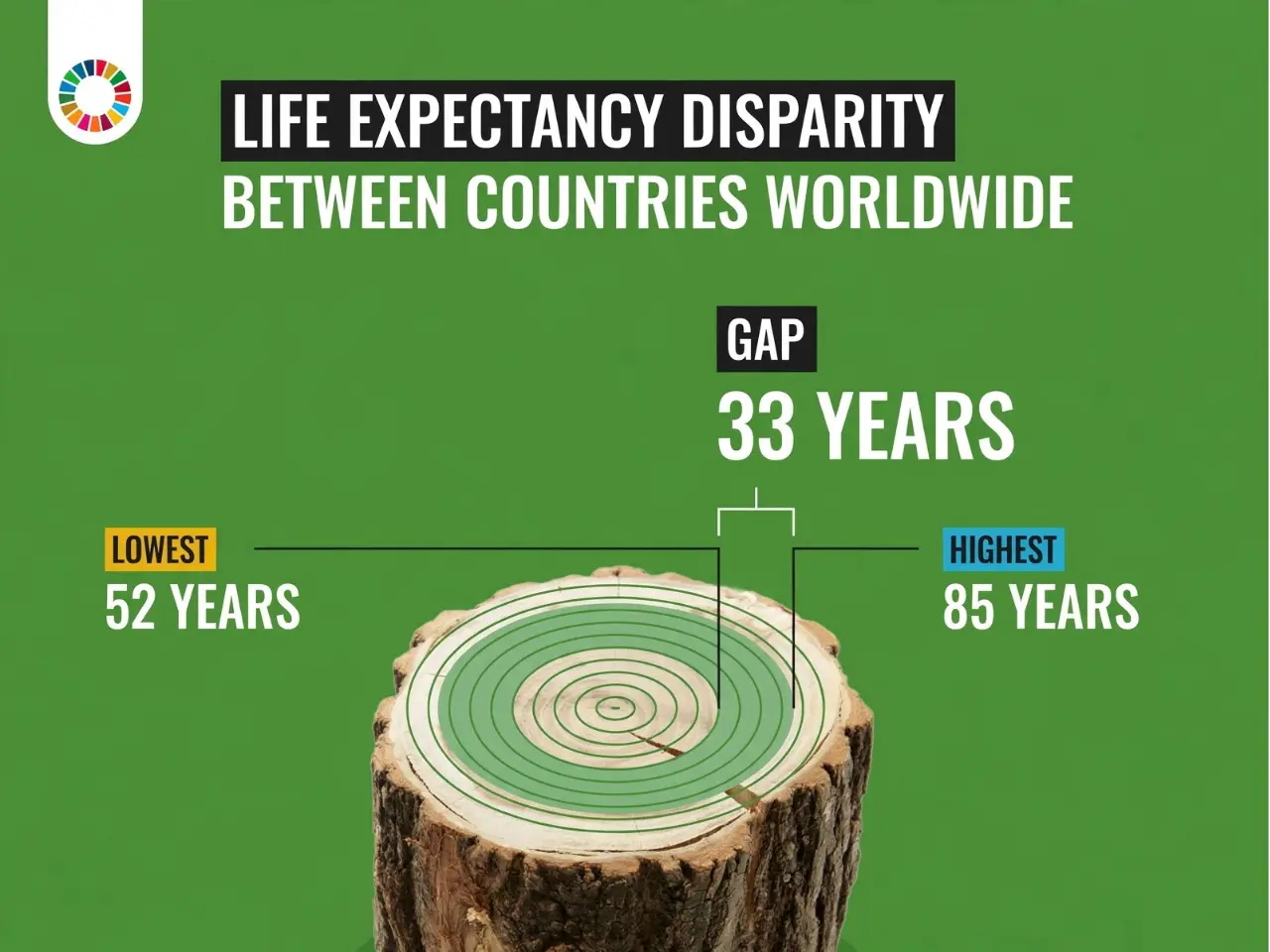
33-Year Life Expectancy Gap Exposes Global Health Inequality, UN Data Shows
Life expectancy varies by 33 years worldwide, from just 52 years in lowest countries to 85 years in highest, UN data reveals. Significant disparity emphasizes inequitable access to health care. For the Global Goals to be achieved without discrimination, health for all is key to fulfill life.
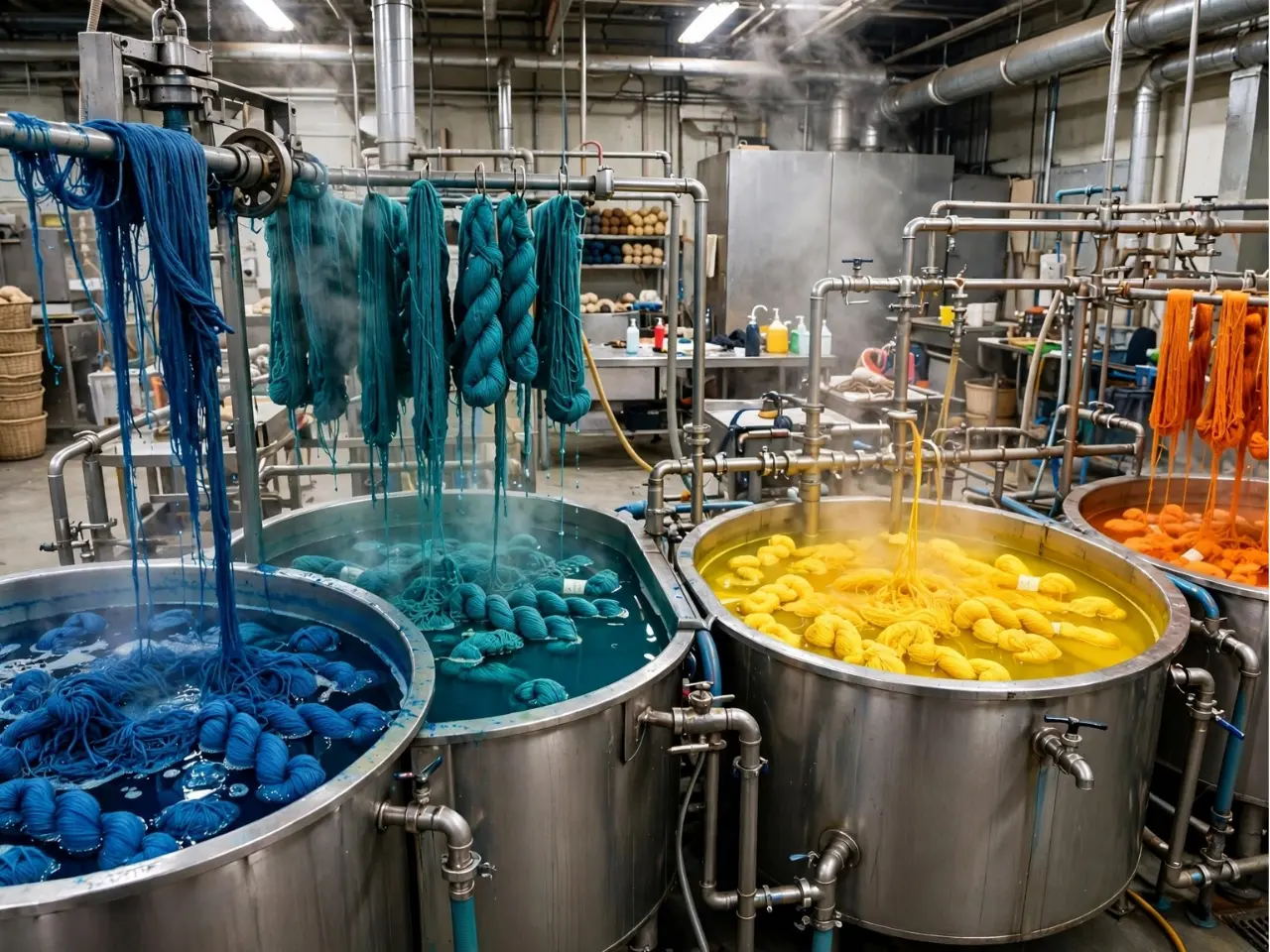
Your Clothes Are Made With 15,000 Chemicals - UNEP Wants To Cut The Toxic Ones
More than 15,000 chemicals are used in the textile sector, many of which are toxic to people, consumers, and the environment. The InTex programme developed by UNEP is supporting small enterprises to reduce hazardous substances and switch to cleaner production to #BeatPollution. The fashion industry is making a turn to non-toxic ways.
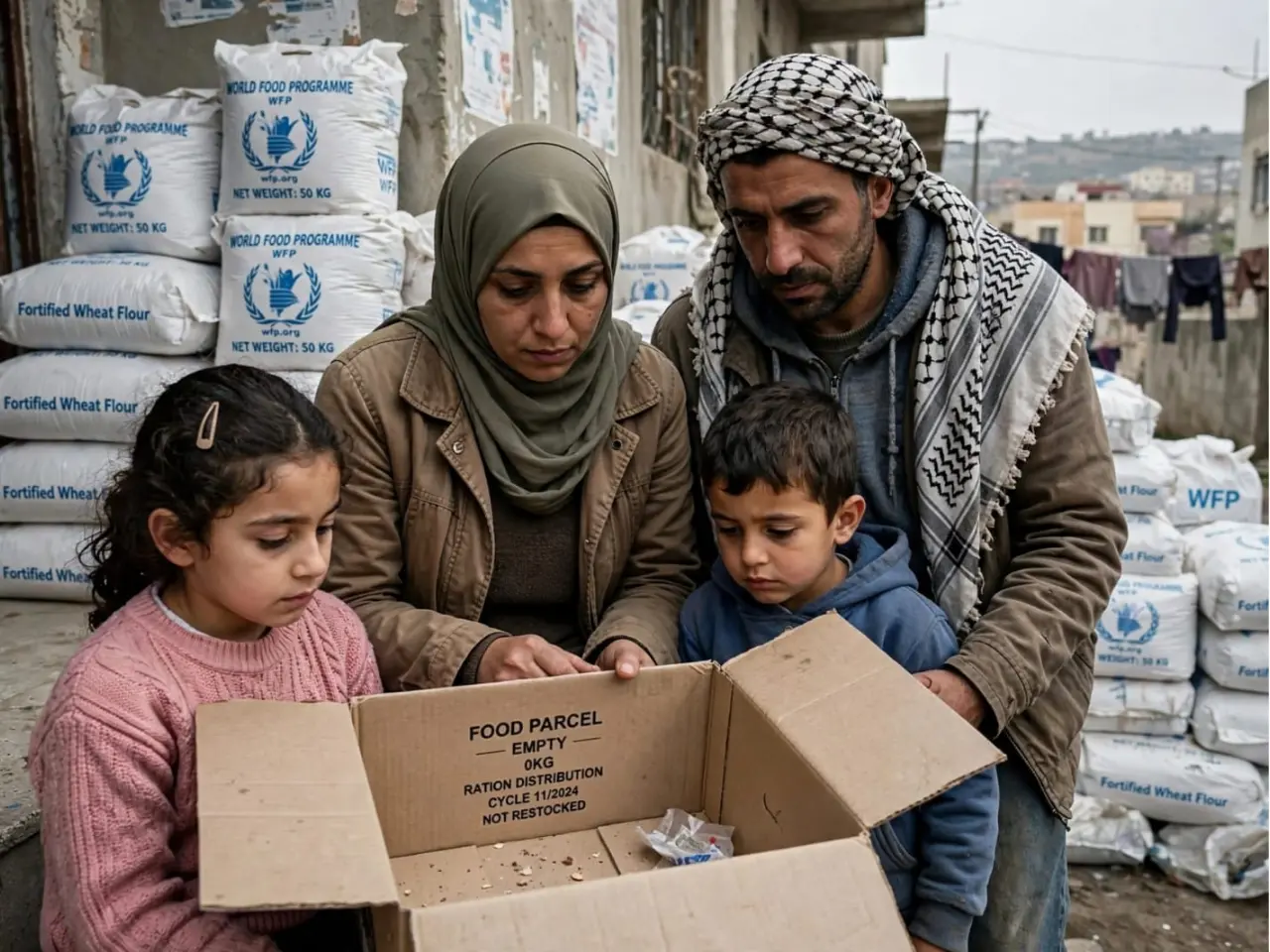
WFP Halves West Bank Aid as 900,000 Face Hunger Crisis
WFP is scaling back food assistance in the West Bank because of a lack of financial resources. Some 900,000 Palestinians today live in a food crisis due to settler violence and displacement, which is impairing access to food for people already struggling to feed themselves.Today, around 900,000 Palestinians are living in a food crisis, caused by settler aggression and displacement, which is not allowing people to access food they already need.
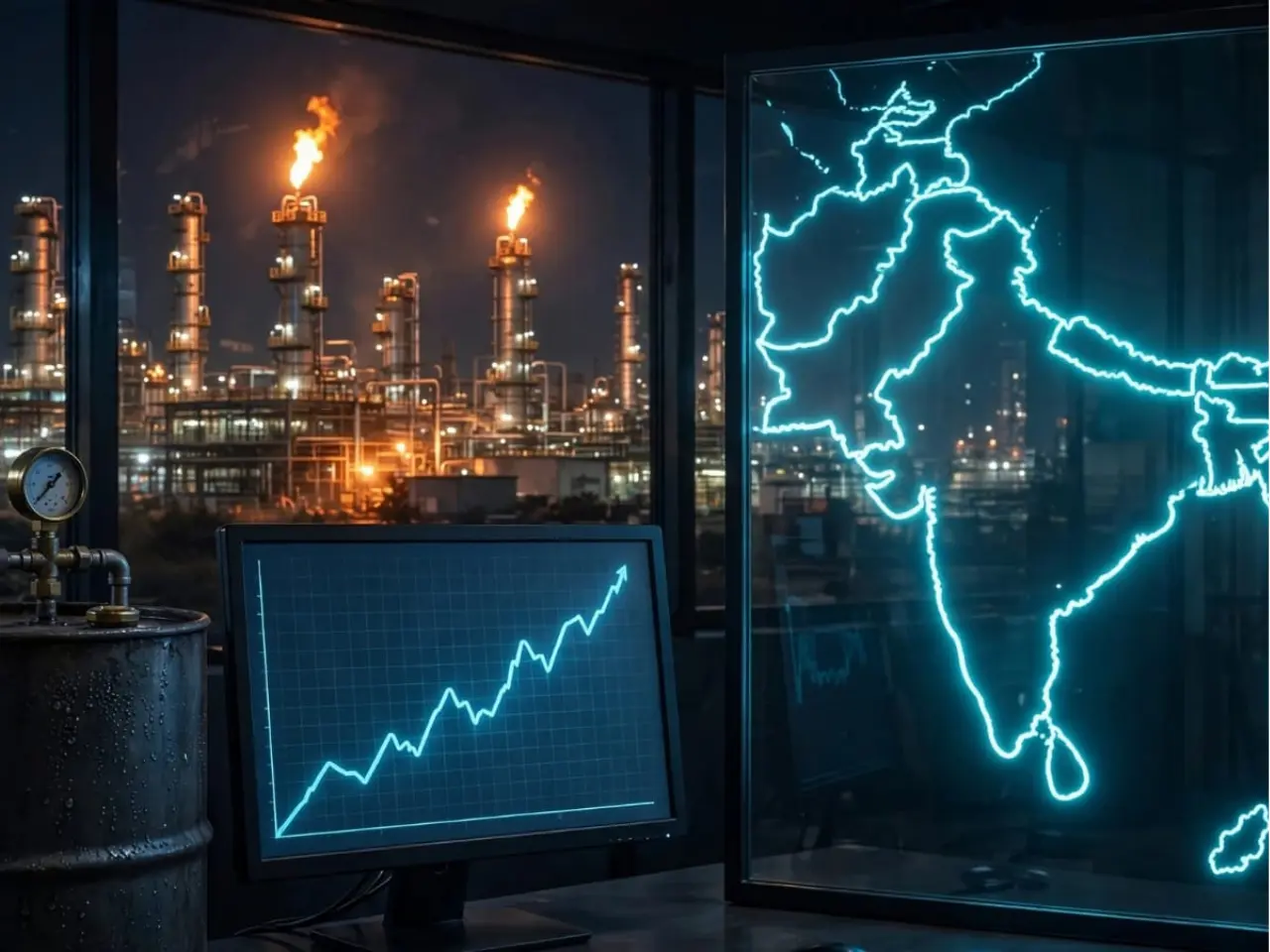
South Asia Growth Faces Energy Price Risk, Says World Bank
The Middle East conflict and rising energy costs pose a risk to the momentum in South Asia, the fastest growing region. The South Asia Economic Update by the World Bank projects a 7.6% GDP growth for India in 2025 and inflation, remittances and welfare to be at risk. The G-7 growth rate comes in at 1.3%.Growth in south Asia excluding India is 4.9% in the year 2027.
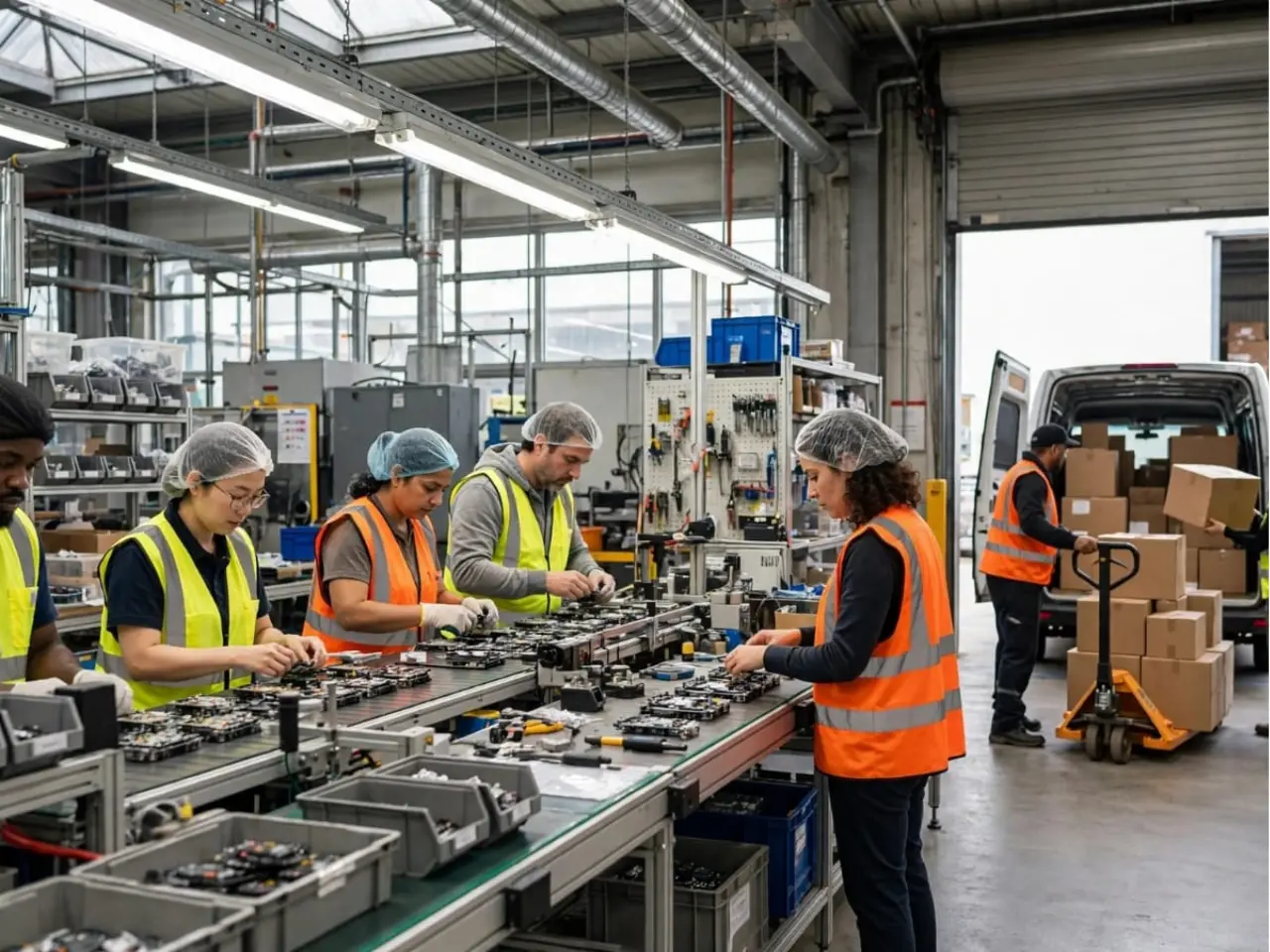
Nearly 60% of Global Workers in Informal Jobs, ILO Says Supply Chains Can Drive Formality Shift
According to ILO, almost half of the world's workforce is employed in informal sector. Global supply chains offer a way to path to formality and decent employment, new brief says. Innovative working approaches for workers' rights, protection and formal jobs can be used by multinational enterprises to promote transition.
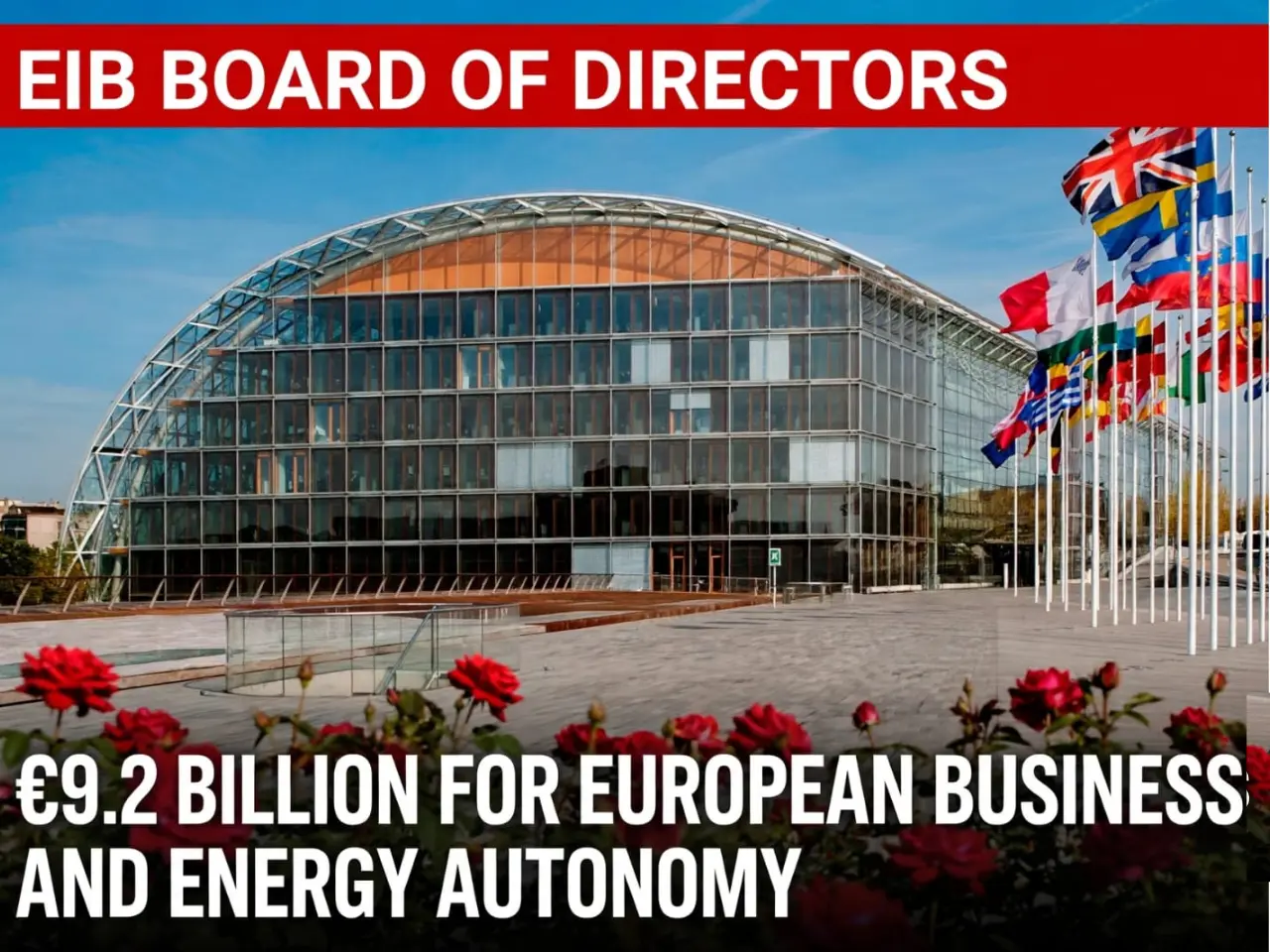
EIB Board Approves €9.2 Billion To Boost European Businesses, Energy Autonomy And Global Gateway Partnerships
The European Investment Bank (EIB) Board approved an additional amount of €9.2 billion for new financing for European businesses, to boost Europe's energy autonomy and for Global Gateway partnerships around the world. The investment is supposed to strengthen the competitiveness, resilience and strategic partnerships of the EU, for sustainable growth, innovation and energy security in Europe and future prosperity.
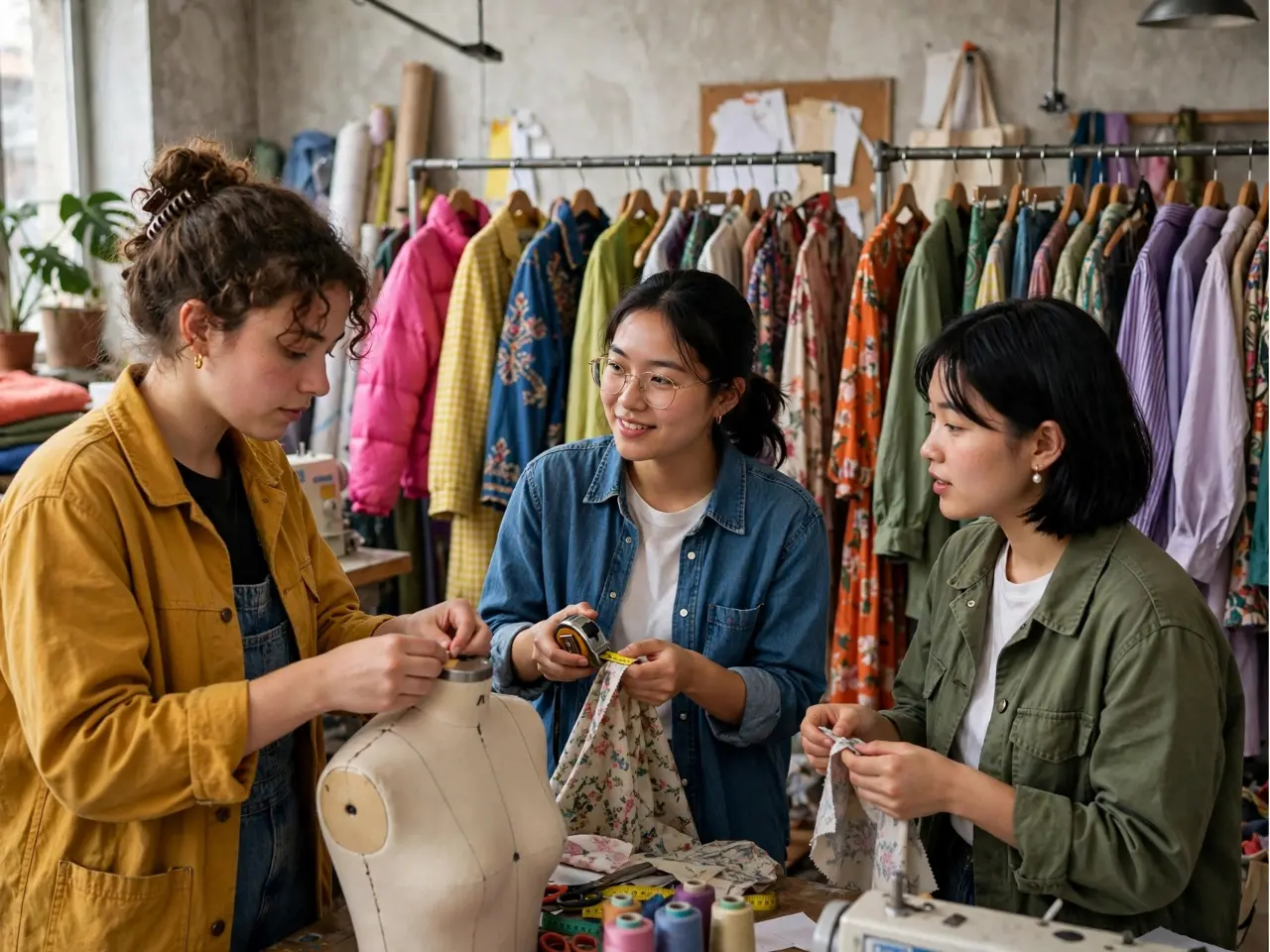
$2.3T Creative Economy Powers 200M Jobs But Gets Less Than 1% Funding in Emerging Markets
The creative industry is a source of $2.3 trillion in annual revenues and is a source of jobs for more than 200 million people globally; however, it is only getting less than 1% of global financing in emerging markets. The creative economy is an effective avenue for employment, particularly for young people and women, at scale.
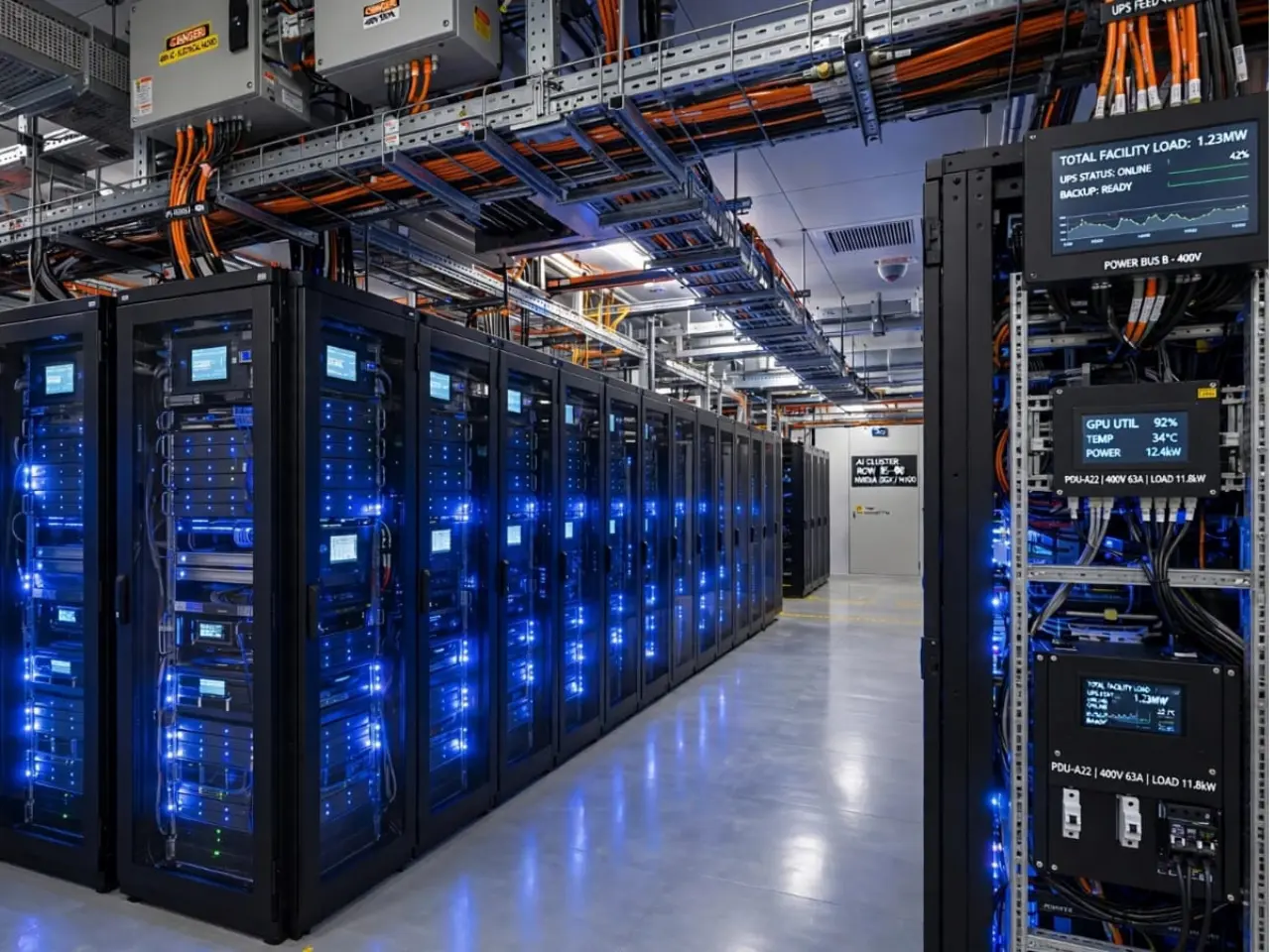
AI Power Shock: Global Data Centre Electricity Demand to Double by 2030, AI Data Centres to Triple
In 2025, electricity usage in data centres grew at a rapid pace, especially in response to the rise in AI services. The conventional centres have seen a growth of 6% in 2025, while the AI centres have seen a growth of 50%. The need for electricity is set to nearly double to 945 TWh by 2030, driven by threefold increases in power consumption by AI facilities, according to IEA.
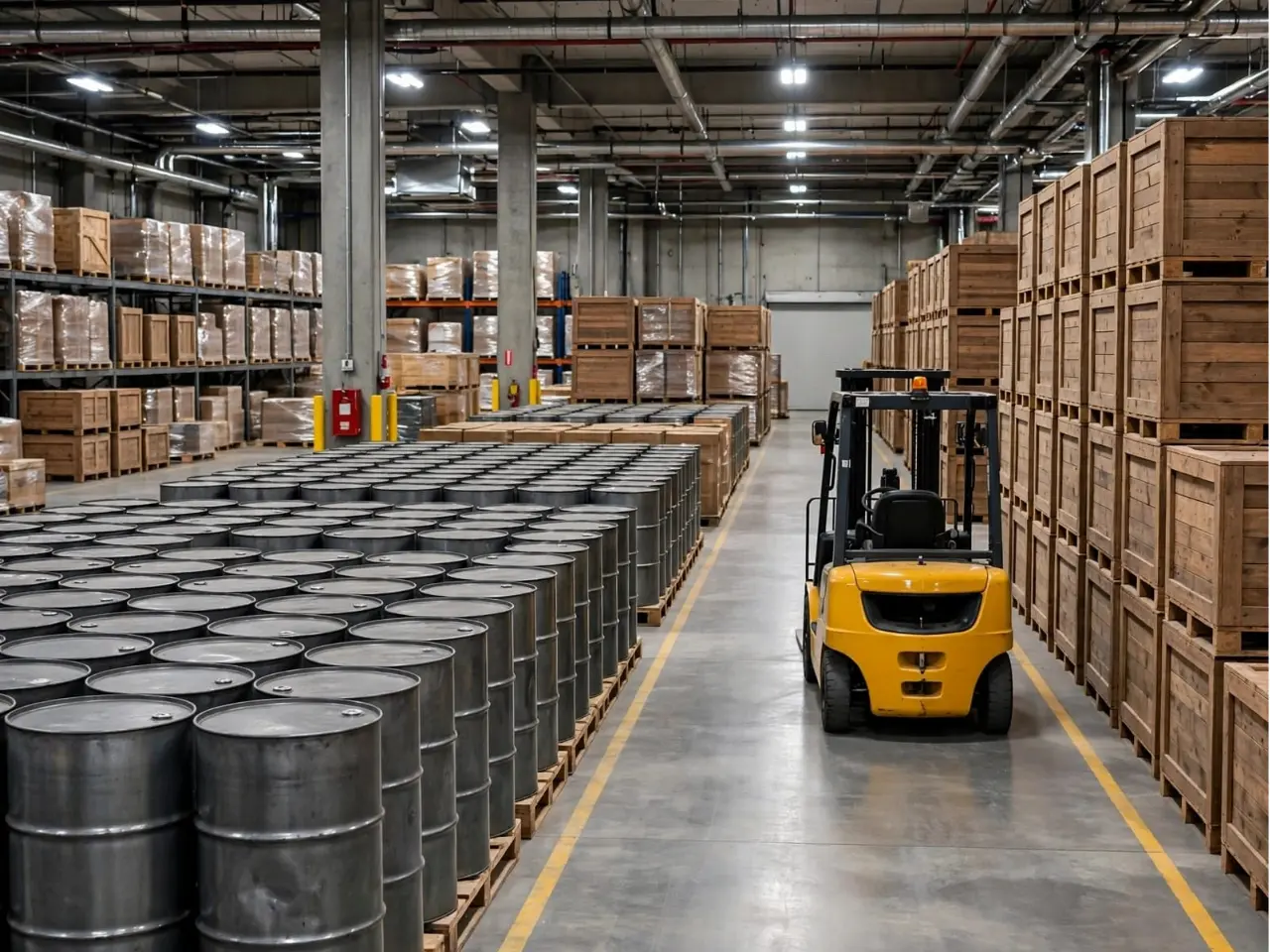
IEA Says Critical Minerals Stockpiling's Real Cost Is Financing and Warehousing, Not Material Price - $80M Net
Operational, not material, is the real net cost of rare earth magnet stockpiling, IEA analysis reveals. The cost of materials to IEA members is $950 million up front and recovered on resale, with only around $80 million left to fund the stockpiling of materials, discounting and logistics.
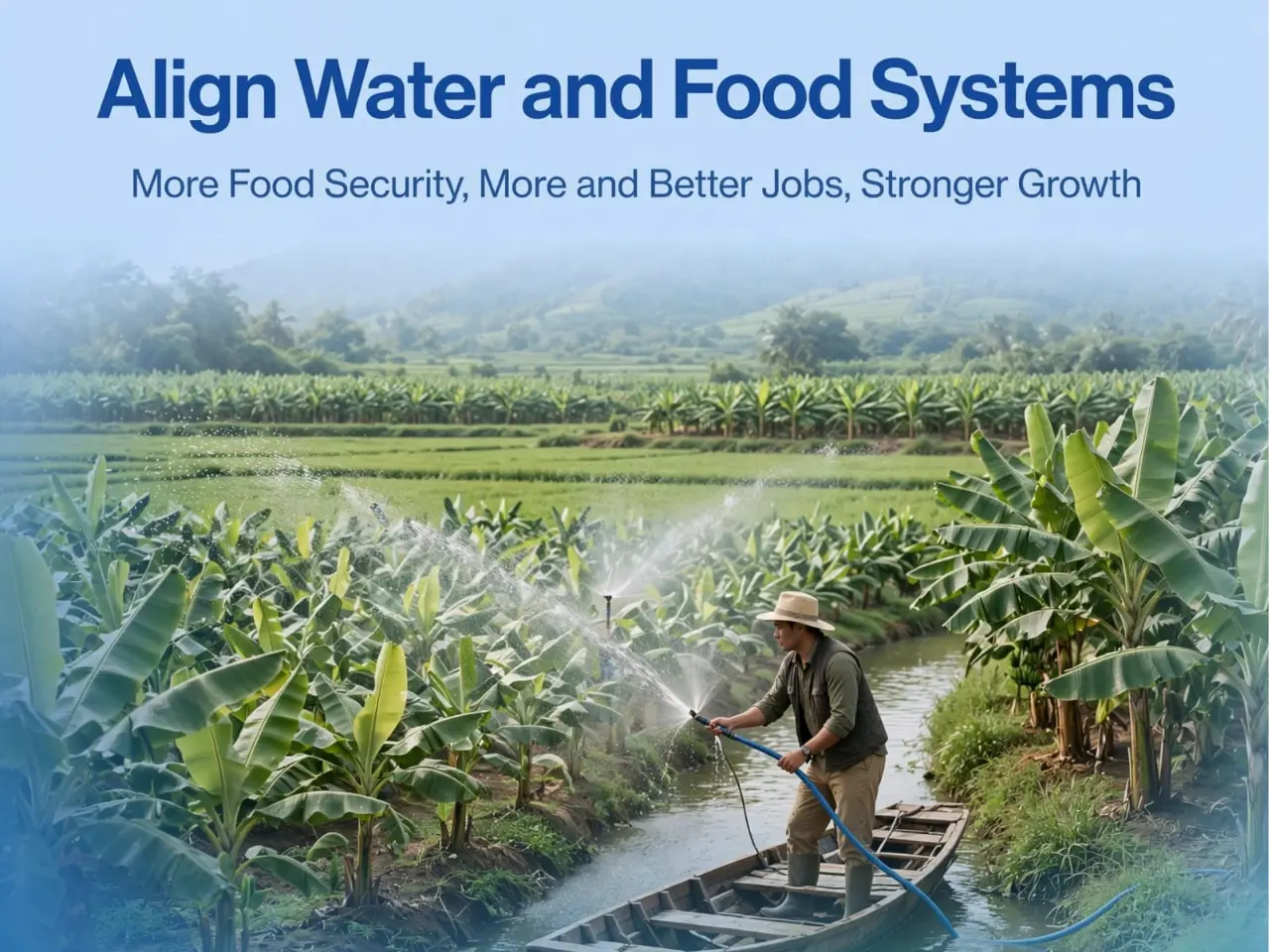
Align Water and Food Systems for Food Security & Growth
Agricultural water management is not solely about canals and hectares, it has to be suited to water realities and food security objectives of each country, says world bank report. The integration of Water and Food systems contributes to improved food security, increased and improved employment opportunities and enhanced economic growth.
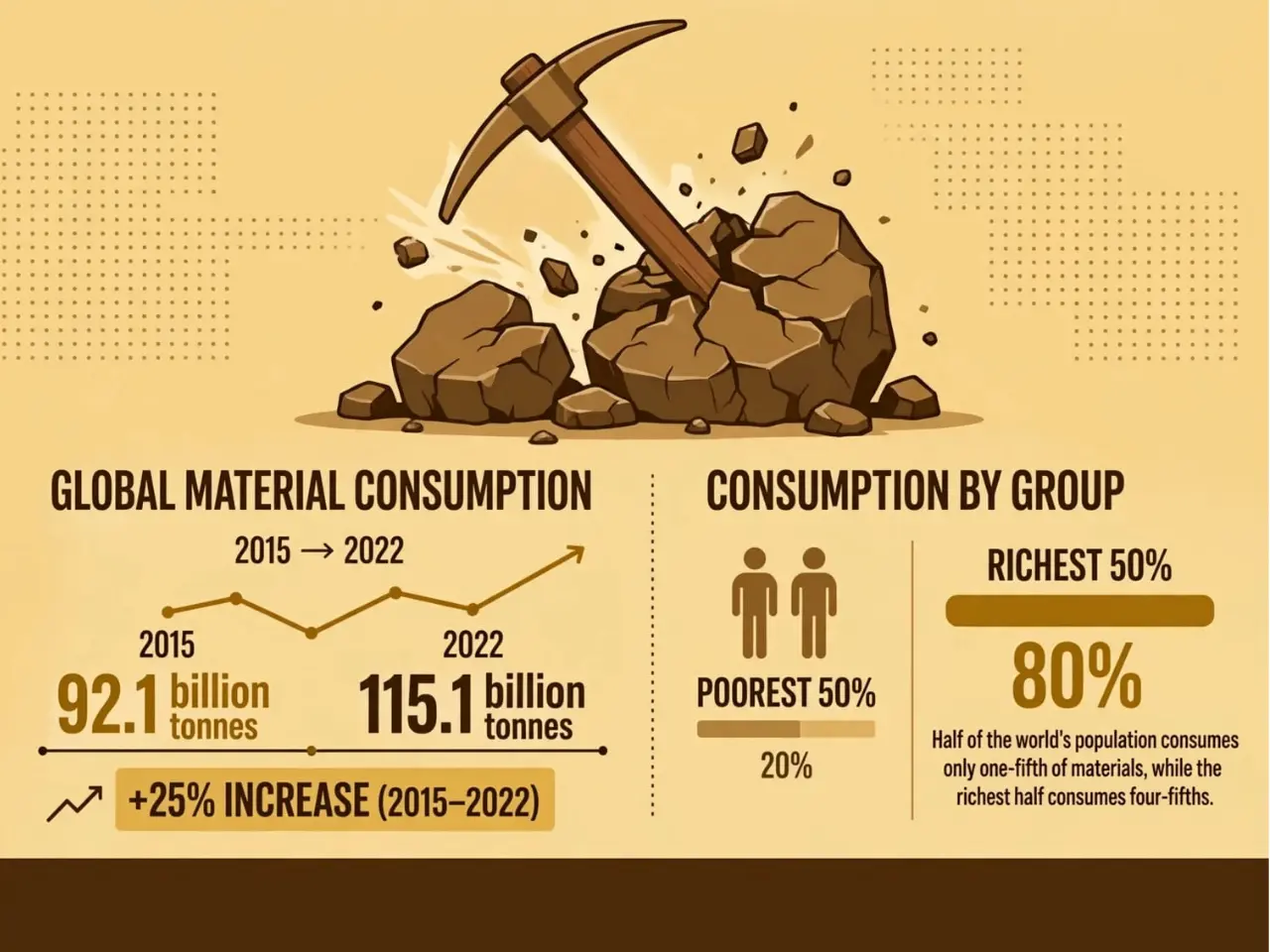
World Material Consumption Surges 25% to 115 Billion Tonnes, Richest 50% Consume 80% - SDG Report 2026 Warns
Global material use jumped 25% from 92.1 to 115.1 billion tonnes between 2015-2022 per SDG Report 2026. 80% of resources used by higher income countries, half of the world's population. SDG 12 responsible consumption and production is a pressing alarming global challenge of inequality.
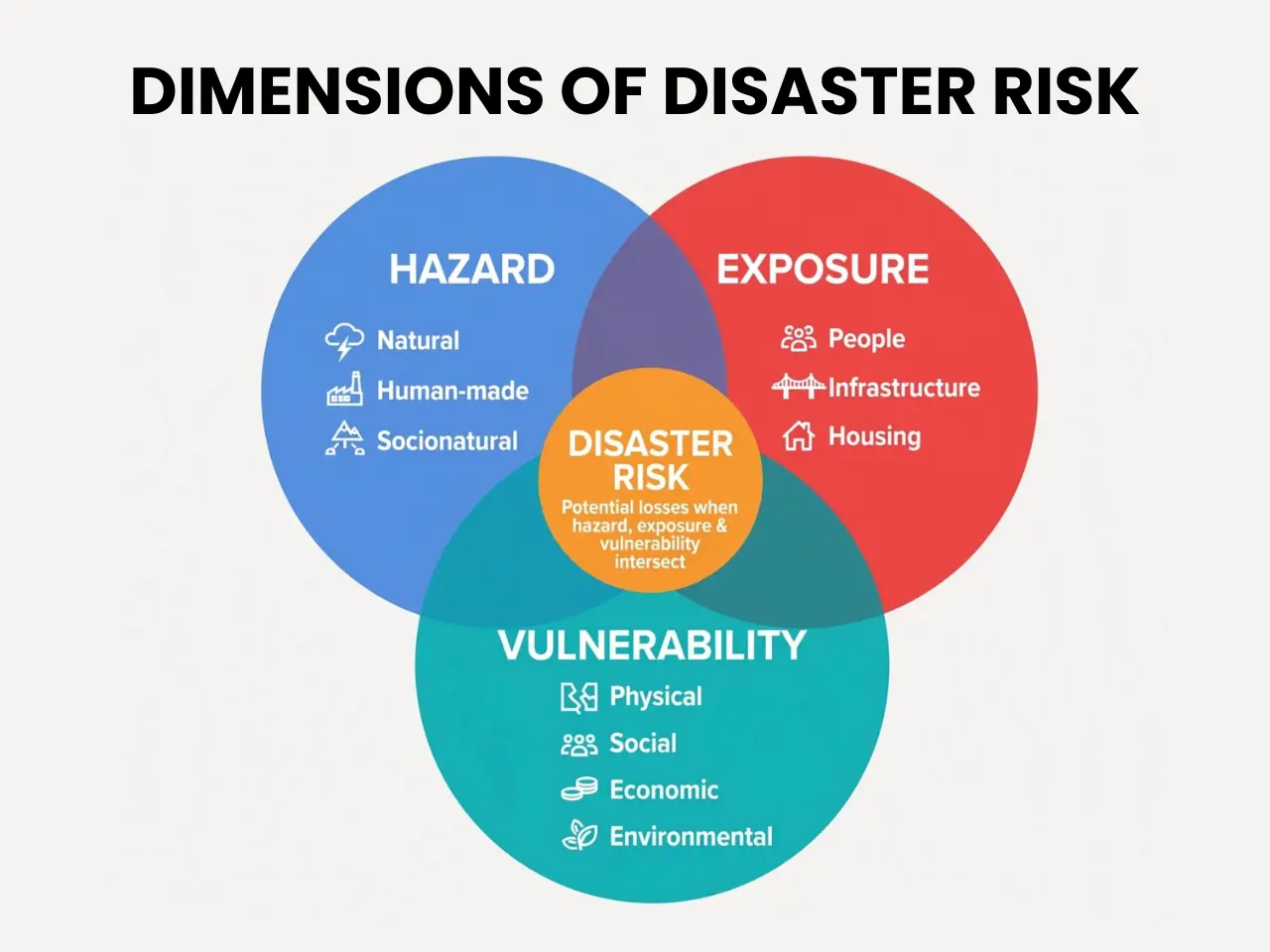
No Such Thing As Natural Disaster? UNDRR Reveals What Really Causes Disasters
According to UNDRR, there is no such thing as natural disasters, rather disasters are the result of a mix of unmanaged risks. Loss, injury, destruction are caused by hazard, exposure and vulnerability, which make up disaster risk. Understand the interactions of physical, social and economic factors that can increase the effects of disaster on people, infrastructure, housing and production capacity worldwide.
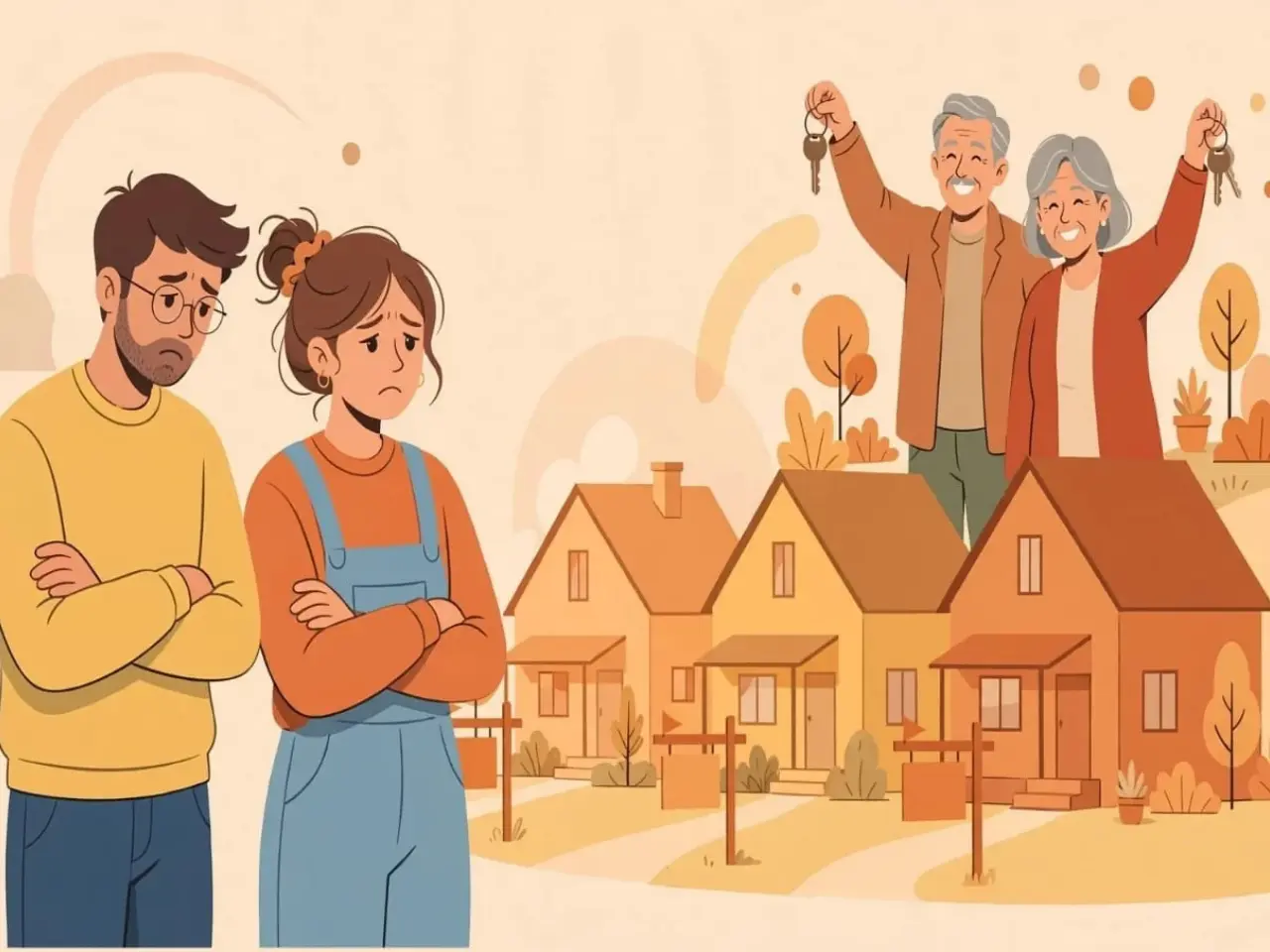
Born in a Rented House? You're 18% Less Likely to Own One: OECD Report Exposes Housing Inequality
OECD household wealth report 2025 reveals parental homeownership boosts your chances of owning a home by up to 37% in Finland, 18% OECD average. The housing status of the youth is influenced by being raised in a home they own, which contributes to increasing inequality between generations across EU and OECD countries.
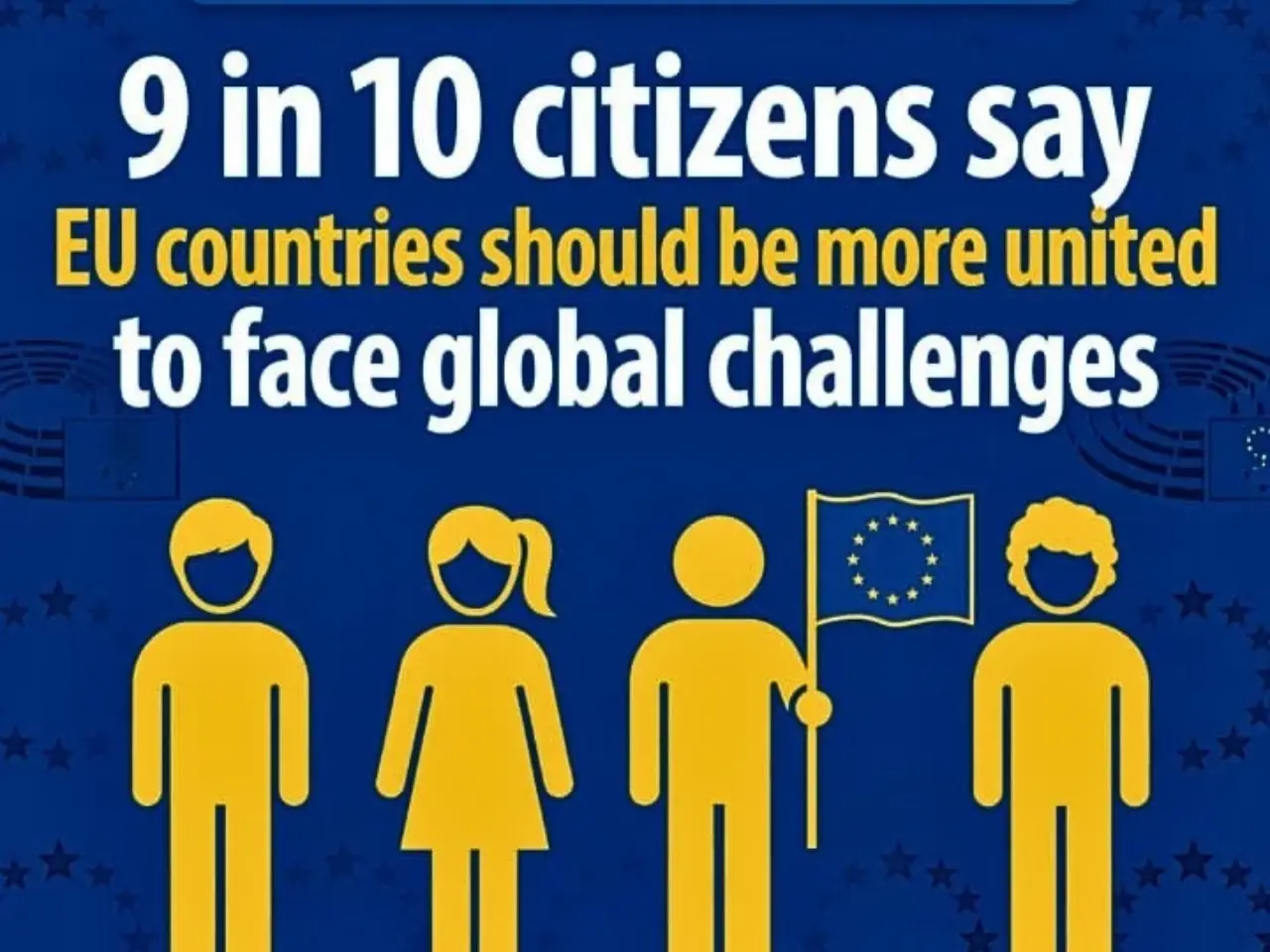
9 in 10 Europeans Say EU Unity Is Key to Tackle Global Crises
The vast majority of Europeans are favouring more unity to meet global challenges. In 26 countries, there is above 80% agreement, and 97% in Denmark, Luxembourg, Malta and Portugal. Eurobarometer 105.3 reveals citizens' requirement for EU unity to act on the world stage.

Progress Stalls: Youth Path to Decent Work Grows Uncertain Again
Unemployment among the youth is increasing on a worldwide scale. The ILO's Global Employment Trends for Youth 2026 reveals a slowdown in youth labour market developments. Millions are facing more and less secure and stable access to decent jobs than they did before.

Youth Jobs Progress Hits a Wall- Opportunities Are Shrinking Again
Unemployment among the world's youth is on the increase. The ILO 2026 report reveals a road to decent work that is increasingly difficult and uncertain for a generation of young people. Failing to make progress means millions of people are delayed in having secure employment and income.
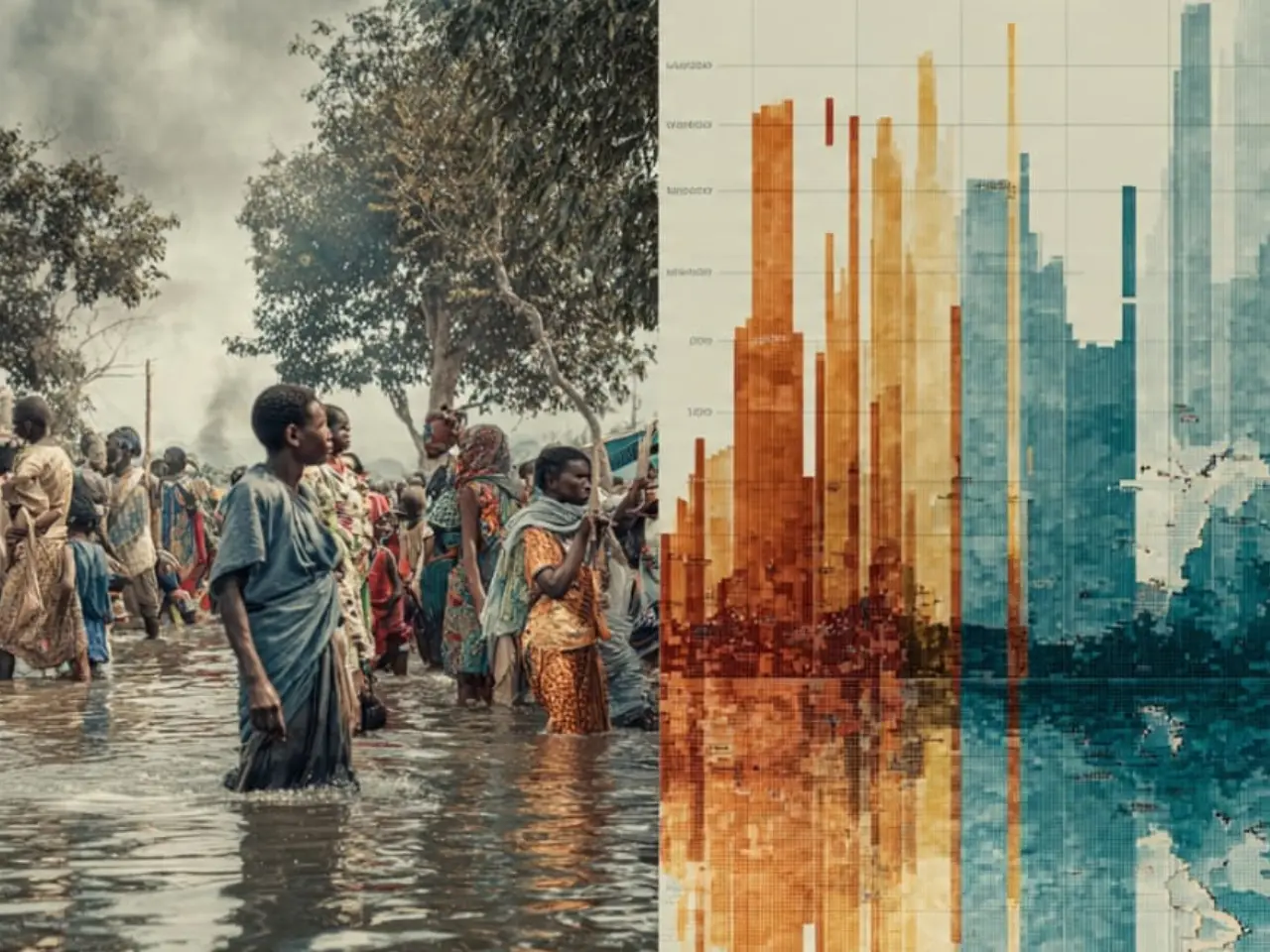
1 in 5 People Now Face Extreme Climate Risk — But Not Everyone Equally
Extreme weather is escalating and the poorest bear the brunt. Of the global population, almost 20% is vulnerable to climate risks. The World Bank Group Scorecard is a tool to identify the World Bank Group and its capacity to provide resilience.
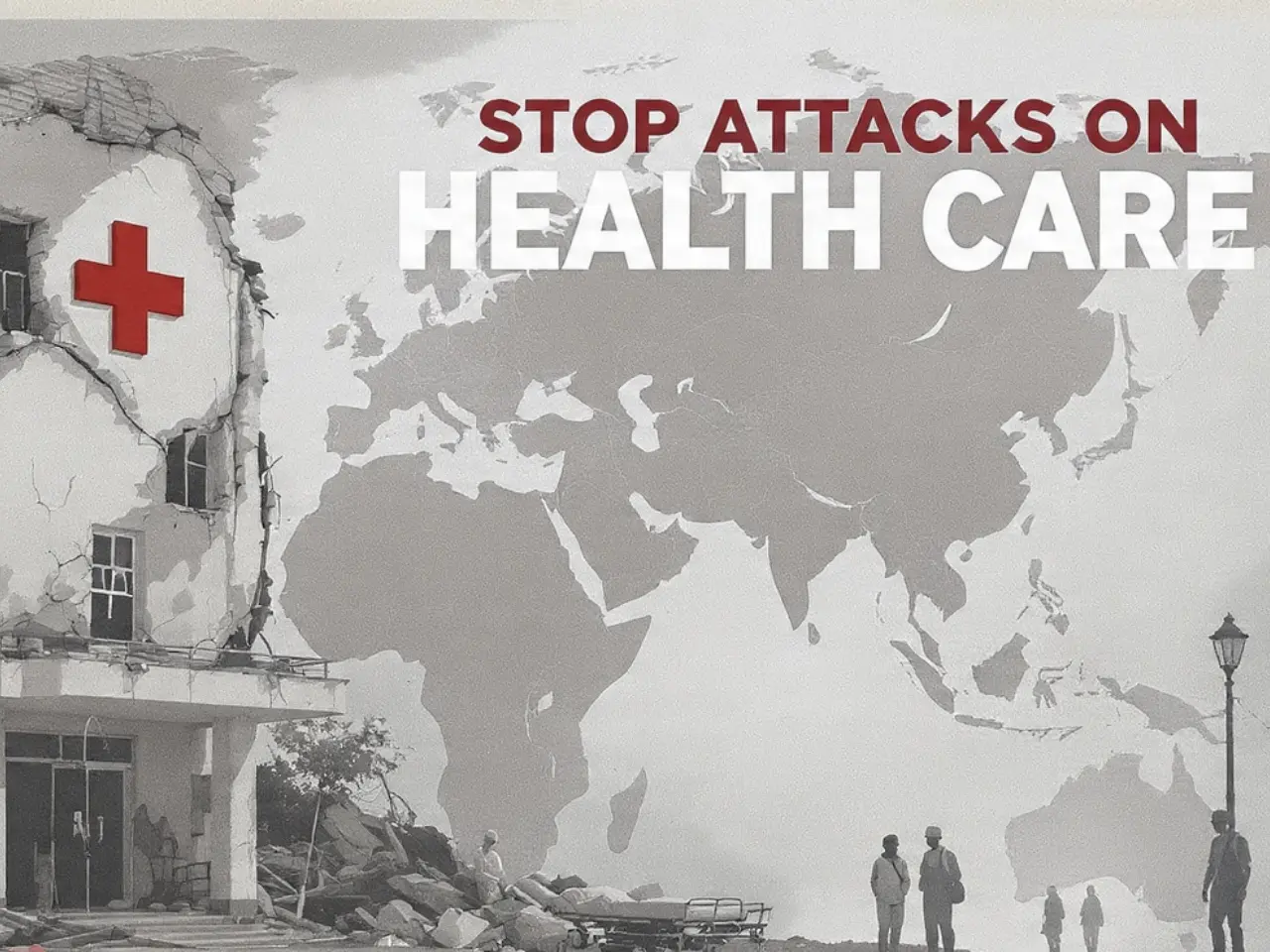
10,400 Health Care Attacks Recorded in 29 Countries Since 2017
Since Dec 2017, 10,400+ attacks reported on health care in 29 countries and territories, according to WHO. The violence resulted in 5,700 deaths and 8,500 injuries, causing urgent care to be cut off. On World Humanitarian Day, WHO calls on everyone to #ActForHumanity, and halt attacks on health care.
Double Disadvantage: Only 23% of Women with Disabilities Employed, Lowest Globally
UN data shows an astounding disparity between the employment rates of women and men with disabilities: 23% of women with disabilities work, while 34% of men with disabilities do the same, 46% of women without, and 67% of men without. UN DESA & UN Women asserts that Gender and Disability intersect, making the world's steepest employment gap.
€3.8 Billion Investment Drives Europe’s Net‑Zero & Climate Projects
The European budget for net zero and climate will be about €3.8 billion to cap global warming at 1.5°C, to foster green competitiveness and finance projects that lower emissions and support sustainable, resilient economic growth in Europe.
Major US Tech Giants Surge AI Investment, Driving Capital Spending to Nearly 2% of US GDP by 2026
Leading tech firms like Alphabet, Amazon, Meta, Microsoft & Oracle are rapidly boosting AI capital expenditure, pushing spending from 0.5% of US GDP in 2023 to almost 2% by 2026, signaling a transformative, productivity‑driven AI era.
Global Poverty Surges For First Time Since 2010, MPI Shows 33 Countries Halved Poverty Despite Crisis
2026 Multidimensional Poverty Index reports first rise in multidimensional poverty since 2010. Despite global setback, 33 countries halved their MPI value in under 15 years, proving rapid progress is possible with targeted policies.
World Bank Mobilizes Record $112B as 1.2 Billion Youth Face Jobs Shortage
In the next 10-15 years, 1.2 billion youth in developing economies will enter the workforce, while only 420 million jobs are anticipated. World Bank Group mobilized a record $112B of private capital to support businesses in the FY26 period for their growth, investment and job creation.
GEF Commits $78 Million To Restore 270,000 Hectares And Empower 5 Million Across Sahel's Great Green Wall
Today, on the Great Green Wall, GEF invests $78 million to restore 270,000+ hectares of degraded land supporting 5 million people over half women, with sustainable livelihoods and climate resilience across 9 Sahel countries.
World Bank Group To Unlock $5.79 Billion Private Cash For Nigeria Growth
World Bank Group is mobilizing up to $5.79 billion in private financing for Nigeria by strengthening policy reform and investment platforms, mitigating risks and offering commercial financing opportunities to grow, create jobs and build sustainable development in key sectors and attract global investors to Nigeria.
AI Adoption in South Asia: Rising but Lagging Behind Advanced Economies
While businesses in South Asia are starting to adopt AI, with 23% of Indian companies implementing AI, the adoption rate remains low compared to other advanced economies such as the United States (43%). The World Bank underscores threats and opportunities for workers and enterprises in the region.
Asia-Pacific Hunger Alert: 73.3 Million Food Insecure, 8.2 Million More at Risk as El Niño Looms
Already 73.3 million in Asia and Pacific are food insecure. Eight million more people may be pushed into hunger due to El Niño, ADB warns. Climate-smart agriculture and food systems are essential if there is to be no crisis in the region.
What Real Development Looks Like: 95% Food Security Success in Cameroon
UN CERF and FAO cash support provided for 9,400 vulnerable people had a 95% improved food security rate in Cameroon. This is the new development playbook direct, local and effective as opposed to export factory model in developing economies that have failed.
SpaceX Acquires Nationwide Low-Band Spectrum, Starlink Set To Become Major US Mobile Carrier With Direct-To-Cell Broadband
SpaceX announced the purchase of a portfolio of low-band spectrum nationwide with the aim of turning Starlink into a big mobile carrier in the USA. Starlink Mobile will enable high-speed broadband coverage in every corner of America, alongside Gen2 constellation, which will create a network of dead zones and therefore directly challenge the traditional telecom giants.
71% Of World's Forests Are Publicly Owned, Only 24% Private
According to the Global Forest Resources Assessment 2025, produced by Food and Agriculture Organisation (FAO), 71% of forest area is publicly owned, 24% private and 4% other. Governments are playing a pivotal role in forest conservation, climate action, and sustainable forest management as public control is the predominant position in the world's forests.
Just 26% Women Are Health Ministers, Get Only 6% Healthcare Funds
Only 26.3% of health ministers are women and only 6% of private healthcare investment globally goes to women. Without women at the table, their health needs are forgotten. New Gender Data: More women in health leadership- better health for all.
1 in 5 Youth Idle in Developing Nations, World Bank Warns of Lost Workforce Future
One in five young people in low- and middle-income countries are neither studying nor working, the World Bank reports. The loss of those crucial skill development years poses a risk to jobs, income and development opportunities in the future, and is already causing concerns about a future global workforce shortage and loss of economic productivity.
Survival Is Not Recovery: 160 Million Left Behind as Global Aid Drops 23% in 2025
More than 160 million people have exited their crisis situation, but they cannot get better. Aid dropped 23% in 2025, exacerbated by emergency and longer-term recovery needs. Millions are isolated and without work, schools and services. Now the real problem is recovery.
Cote d’Ivoire Raises €433M in West Africa’s First Sustainability-Linked Sovereign Loan Backed by World Bank
Through the first sovereign loan in West Africa under the sustainability terms of the World Bank Group, Cote d'Ivoire has raised a total of €433M. The agreement will provide reduced interest rates and climate-smart climate growth projects, which will set the model for Africa.
Mongolia Honors ADB President Masato Kanda With Friendship Medal, Secures $1.3 Billion Investment Pledge by 2027
The President of Mongolia, Ukhnaa Khurelsukh, gave the 35-year partnership award Friendship Medal to ADB President Masato Kanda. As part of the visit, Kanda announced that ADB will provide $1.3 billion in investment in Mongolia until 2027 to back development priorities.As part of the visit, Kanda announced that ADB will invest $1.3 billion in Mongolia until 2027 to support development priorities.
From Crisis to Opportunity: How Small Businesses in Cabo Delgado Mobilized $5.5M Investment and Created 960+ Jobs
Small businesses are seizing the opportunity of recovering in Cabo Delgado, Mozambique. UNDP's CONECTA Negocios initiative mobilized $5.5 million+ in private investment and created, enhanced, and built an environment for communities to access, create or improve 960+ jobs.
Over 10% of World's Land Degraded, 1040M Hectares of Farmland Lost to Human Impact - FAO SOFO 2026 Reveals
More than 10% of the world's land is degraded, according to the report State of World's Forests 2026 by the Food and Agriculture Organization (FAO). There is 1,040M ha of agricultural land, 460M ha of forest land and 160M ha of other land that are degraded, with cropland and pasture suffering the most severe impacts.
Only 56% of World's Wastewater Treated Safely, UN Warns of Growing Water Crisis
Only 56% of the global domestic wastewater is treated safely, with untreated discharge being a key driver of water pollution, according to a newly released UN report. Growth and increased demand is causing treatment progress to be lagging. The report calls for action to make water management more resilient.
EU Pledges €61 Million Lifesaving Aid as Northern Ethiopia Crisis Worsens
European Union expresses "grave concern" for the situation in Northern Ethiopia and demands its immediate de-escalation, civilian protection and humanitarian access. EU pledges €61 Million for lifesaving and protection assistance to most vulnerable populations impacted by conflict.
ADB Launches New 5-Year Partnership Strategy to Boost Growth in Papua New Guinea
To help facilitate inclusive and sustainable economic growth, Asian Development Bank (ADB) has released a new Country Partnership Strategy (CPS) for Papua New Guinea that aims to boost public finances, enhance transport and energy connectivity, and increase access to education and healthcare services.
UN Launches Global Grids Accelerator as 750 Million Still Live Without Electricity
At the launch of the UN Global Grids Accelerator, Pedro Manuel Moreno states that the real electricity revolution is taking place right this moment. By 2030, World will have 1,100 TWh/year demand and 750 million people without power. New project to fill the grid gap.
EU and UN Women Launch Initiative to Create 500,000 Jobs for Women in MENA by 2030
EU joins forces with UN Women to launch Surging Women's Employment Initiative to generate 500 000 job opportunities and increase women's employment by 5% in the Middle East and North Africa by 2030, to empower women and stimulate inclusive economic growth.
IFC Launches $700 Million Risk-Sharing Initiative to Expand Digital Payments in Emerging Markets
IFC is introducing a risk-sharing program for banks and fintechs to grow digital payments in emerging markets that will guarantee up to $700 million. It is designed to reduce settlement risk and has the potential to release $280 billion in payments, 360M cards, and 90M new users.
El Niño Puts Smallholder Harvests at Risk: WFP and FAO Step In to Avert Hunger Crisis
El Niño poses a threat to smallholder farmers globally of failing crops reducing food supplies, income and resilience. WFP and FAO are working together to implement anticipatory action to support families' efforts to save crops that took them all year to grow, while hunger risks are increasing for millions.
Yemen Crisis: 125,000 Displaced in Days as Fighting Erupts on Western Coast
These days, 125,000 people have been displaced due to renewed fighting along Yemen's western coast. WFP has reached 45,000 with emergency food, and has scaled up to help 1.5 million additional people. Thousands are leaving their homes and urgent funding and safe access is required.
Lithuania Drives Most By Car, Croatia Flies Most - How EU Moved in 2024 Reveals Huge Divide
According to Eurostat 2024 data, Lithuania has the highest rate of car travel (83.7%), Lithuania the highest rate of air travel (45.6%), and Malta the highest rate of bus travel (17%). Hungary has the highest share in train in passenger-kilometres (11.3%) and in Estonia it has the highest share in sea vessels (2.7%).
UN Launches System Data Commons With 44 Million Data Points From 26 Agencies to Make Global Data Accessible
The United Nations has launched the System Data Commons, a unified searchable platform bringing together nearly 44 million data points from 26 UN entities. UN Chief António Guterres said behind every statistic is a human story. Explore the platform at data.un.org.
Amazon Saves Forests and Creates Jobs: 7.4 Million Hectares Protected
Working to protect the Amazon is also about jobs, proving that over 10 years, the Amazon Sustainable Landscapes program works. It has successfully achieved 7.4 million hectares of protected areas and assisted 36,200+ direct beneficiaries in sustainable livelihood, showing the connection between forest conservation and economic opportunity.
Global Violence Down 23% But 118 Million Forcibly Displaced, UN SDG Report 2026 Reveals Peace Paradox
Despite global trends of decreasing levels of violence, SDG Report 2026 indicates that the number of civilian deaths attributed to armed conflict has dropped by 23% in a single year, with global displacement of 118 million people by December 2025, and peace is far from the region.
1°C Hotter, 6% Less Food: FAO-WMO Warns Extreme Heat Is Slashing Global Crop Yields
The extreme heat has reduced crop yields of staple food crops by 4-10% for every 1°C rise, putting the world at risk of food insecurity, food availability, and farmer livelihoods, FAO and WMO warn, as food production is taking a dive and urgent climate action is needed to protect future food and vulnerable communities.
Only 33.4% of Higher Education Professionals Feel Confident Using AI: UNESCO Survey Reveals Major Skills Gap
While AI is increasingly making its way into higher education classrooms, only 33.4 percent of higher education professionals are very confident in using AI, according to a UNESCO survey. UnESCO brings together educators and policymakers at Digital Learning Week 2026 to cultivate skills, trust and clarity in the confident use of AI in Higher Education.
Saudi Arabia's 2.5 Million Hectare Restoration Mission Named UN World Restoration Flagship
The KSA National Greening Program sets Saudi Arabia's goal to reclaim 2.5 million hectares of degraded lands by 2030. The initiative, which is part of the UN World Restoration Flagship, addresses desertification, enhances biodiversity and supports the objectives of the Saudi Green Initiative.
IFC Launches $700 Million Guarantee to Expand Digital Payments in Emerging Markets
The World Bank Group's IFC also introduces a new risk-sharing mechanism to facilitate the implementation of settlement risk management for banks, fintechs and local financial institutions to improve financial inclusion in emerging markets with up to $700 million in guarantees.
UNDP Warns 1 Million Species Face Extinction as Biodiversity Tapestry Frays
The web of life is unraveling in the face of biodiversity loss. Earth's ecological balance is in danger, with 1 million species in danger of vanishing due to habitat loss and climate change, including the tiger, panda, orangutan, rhino and chimpanzee, cautions UNDP.
World Spends 3X More on Fossil Fuels Than Needed for Clean Air Transition
The world spends 2.18% of global GDP on fossil fuel subsidies, more than triple the 0.7% needed to fund transition to cleaner air and safer climate. UNEP says solutions and money exist, but action at scale is needed on CleanAir.
UNEP: 25 Actions Can Cut CO2 By 50%, Prevent 144 Million Deaths
Air pollution is caused by the same sources as climate change, according to UNEP's new #CleanAirDay report. It has pinpointed 25 actions which have been proven to reduce CO2 emissions by 50%, methane by 60%, air pollutants by 70% and avert 144 million premature deaths while improving economies.
Beyond Body Counts: UNDRR Launches G-DRSF Framework to Predict Disaster Risk Before It Strikes
UNDRR's new Global Disaster-Related Statistics Framework (G-DRSF) links risk components like hazards, exposure and vulnerability with impacts on people, assets and economy. Transforms post-disaster data into pre-disaster intelligence that can inform and support risk reduction decisions and spending by countries.
10 Countries Want To Join The EU
EU enlargement is a shared future, says the European Parliament. 10 countries including Ukraine, Moldova, Serbia, Albania and Turkey are candidate and potential candidate countries. Attaining EU membership should be fair, credible and merit-based, parliament says.
Half of Southeast Asia's Fuel Comes From Middle East Oil
Middle East oil is a key resource for Southeast Asia. 60% of its crude imports come from there. Nearly half of its daily fuel - 5.2 million barrels - comes from Middle East crude. But if Hormuz shuts down, it means a big fuel shortage in the region.
ADB Approves $400 Million to Modernize Central Asia Borders, Cut Trade Costs and Speed CAREC Trade
The transport operators and traders, passengers and goods across the CAREC region will benefit from regional transport connectivity and economic growth with a $400 million facility approved by ADB to modernize border crossings in Central Asia, to reduce transport costs, delays, safety risks, and to enhance trade and movement of people and goods across the region.
33-Year Life Expectancy Gap Exposes Global Health Inequality, UN Data Shows
Life expectancy varies by 33 years worldwide, from just 52 years in lowest countries to 85 years in highest, UN data reveals. Significant disparity emphasizes inequitable access to health care. For the Global Goals to be achieved without discrimination, health for all is key to fulfill life.
Your Clothes Are Made With 15,000 Chemicals - UNEP Wants To Cut The Toxic Ones
More than 15,000 chemicals are used in the textile sector, many of which are toxic to people, consumers, and the environment. The InTex programme developed by UNEP is supporting small enterprises to reduce hazardous substances and switch to cleaner production to #BeatPollution. The fashion industry is making a turn to non-toxic ways.
WFP Halves West Bank Aid as 900,000 Face Hunger Crisis
WFP is scaling back food assistance in the West Bank because of a lack of financial resources. Some 900,000 Palestinians today live in a food crisis due to settler violence and displacement, which is impairing access to food for people already struggling to feed themselves.Today, around 900,000 Palestinians are living in a food crisis, caused by settler aggression and displacement, which is not allowing people to access food they already need.
South Asia Growth Faces Energy Price Risk, Says World Bank
The Middle East conflict and rising energy costs pose a risk to the momentum in South Asia, the fastest growing region. The South Asia Economic Update by the World Bank projects a 7.6% GDP growth for India in 2025 and inflation, remittances and welfare to be at risk. The G-7 growth rate comes in at 1.3%.Growth in south Asia excluding India is 4.9% in the year 2027.
Nearly 60% of Global Workers in Informal Jobs, ILO Says Supply Chains Can Drive Formality Shift
According to ILO, almost half of the world's workforce is employed in informal sector. Global supply chains offer a way to path to formality and decent employment, new brief says. Innovative working approaches for workers' rights, protection and formal jobs can be used by multinational enterprises to promote transition.
EIB Board Approves €9.2 Billion To Boost European Businesses, Energy Autonomy And Global Gateway Partnerships
The European Investment Bank (EIB) Board approved an additional amount of €9.2 billion for new financing for European businesses, to boost Europe's energy autonomy and for Global Gateway partnerships around the world. The investment is supposed to strengthen the competitiveness, resilience and strategic partnerships of the EU, for sustainable growth, innovation and energy security in Europe and future prosperity.
$2.3T Creative Economy Powers 200M Jobs But Gets Less Than 1% Funding in Emerging Markets
The creative industry is a source of $2.3 trillion in annual revenues and is a source of jobs for more than 200 million people globally; however, it is only getting less than 1% of global financing in emerging markets. The creative economy is an effective avenue for employment, particularly for young people and women, at scale.
AI Power Shock: Global Data Centre Electricity Demand to Double by 2030, AI Data Centres to Triple
In 2025, electricity usage in data centres grew at a rapid pace, especially in response to the rise in AI services. The conventional centres have seen a growth of 6% in 2025, while the AI centres have seen a growth of 50%. The need for electricity is set to nearly double to 945 TWh by 2030, driven by threefold increases in power consumption by AI facilities, according to IEA.
IEA Says Critical Minerals Stockpiling's Real Cost Is Financing and Warehousing, Not Material Price - $80M Net
Operational, not material, is the real net cost of rare earth magnet stockpiling, IEA analysis reveals. The cost of materials to IEA members is $950 million up front and recovered on resale, with only around $80 million left to fund the stockpiling of materials, discounting and logistics.
Align Water and Food Systems for Food Security & Growth
Agricultural water management is not solely about canals and hectares, it has to be suited to water realities and food security objectives of each country, says world bank report. The integration of Water and Food systems contributes to improved food security, increased and improved employment opportunities and enhanced economic growth.
World Material Consumption Surges 25% to 115 Billion Tonnes, Richest 50% Consume 80% - SDG Report 2026 Warns
Global material use jumped 25% from 92.1 to 115.1 billion tonnes between 2015-2022 per SDG Report 2026. 80% of resources used by higher income countries, half of the world's population. SDG 12 responsible consumption and production is a pressing alarming global challenge of inequality.
No Such Thing As Natural Disaster? UNDRR Reveals What Really Causes Disasters
According to UNDRR, there is no such thing as natural disasters, rather disasters are the result of a mix of unmanaged risks. Loss, injury, destruction are caused by hazard, exposure and vulnerability, which make up disaster risk. Understand the interactions of physical, social and economic factors that can increase the effects of disaster on people, infrastructure, housing and production capacity worldwide.
Born in a Rented House? You're 18% Less Likely to Own One: OECD Report Exposes Housing Inequality
OECD household wealth report 2025 reveals parental homeownership boosts your chances of owning a home by up to 37% in Finland, 18% OECD average. The housing status of the youth is influenced by being raised in a home they own, which contributes to increasing inequality between generations across EU and OECD countries.
9 in 10 Europeans Say EU Unity Is Key to Tackle Global Crises
The vast majority of Europeans are favouring more unity to meet global challenges. In 26 countries, there is above 80% agreement, and 97% in Denmark, Luxembourg, Malta and Portugal. Eurobarometer 105.3 reveals citizens' requirement for EU unity to act on the world stage.
Progress Stalls: Youth Path to Decent Work Grows Uncertain Again
Unemployment among the youth is increasing on a worldwide scale. The ILO's Global Employment Trends for Youth 2026 reveals a slowdown in youth labour market developments. Millions are facing more and less secure and stable access to decent jobs than they did before.
Youth Jobs Progress Hits a Wall- Opportunities Are Shrinking Again
Unemployment among the world's youth is on the increase. The ILO 2026 report reveals a road to decent work that is increasingly difficult and uncertain for a generation of young people. Failing to make progress means millions of people are delayed in having secure employment and income.
1 in 5 People Now Face Extreme Climate Risk — But Not Everyone Equally
Extreme weather is escalating and the poorest bear the brunt. Of the global population, almost 20% is vulnerable to climate risks. The World Bank Group Scorecard is a tool to identify the World Bank Group and its capacity to provide resilience.
10,400 Health Care Attacks Recorded in 29 Countries Since 2017
Since Dec 2017, 10,400+ attacks reported on health care in 29 countries and territories, according to WHO. The violence resulted in 5,700 deaths and 8,500 injuries, causing urgent care to be cut off. On World Humanitarian Day, WHO calls on everyone to #ActForHumanity, and halt attacks on health care.