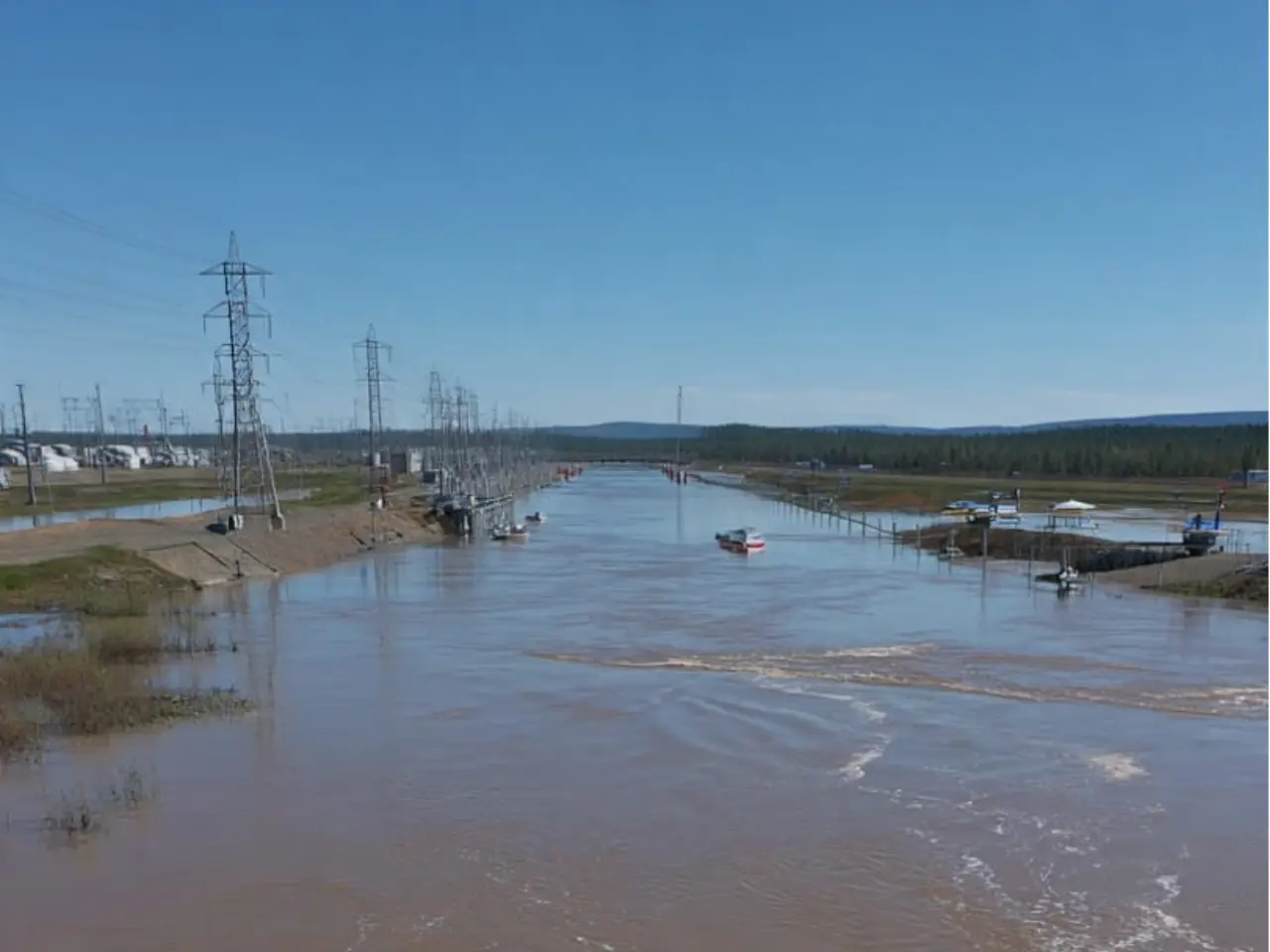
A primary theme in disaster risk is the water itself. Floods, droughts, storms, and water quality emergencies will have a substantial impact on billions of individuals and create significant economic implications (trillions of USD). Further, climate change will likely exacerbate those issues; thus, effective coordinated and future-focused water management is needed more than ever. This publication, co-developed by the UNECE and UNISDR, is intended to assist national governments and water managers with implementing the Sendai Framework for Disaster Risk Reduction (2015–2030) in their jurisdictions. The central premise of the publication is quite simple but powerful: disaster risk management must not be conducted independently from other nations. With approximately one-half of the earth’s surface being designated as international, there are cross-border implications of all forms of water risk and solutions.
When countries share a river basin, they naturally face similar challenges. Acting alone, a nation might even worsen things for its neighbors, perhaps by changing water flows or holding back crucial early warning information. Working together, whether through joint organizations, bilateral agreements, or shared monitoring, makes sense. It lets everyone pool resources, get a wider view, and find solutions that are simply more affordable and effective than any single government could manage alone. A key idea guiding this work is Integrated Water Resources Management, or IWRM. In this framework, there is a call for an integrated approach to water planning and management at a basin level. It sees water as an ecological need and a socio-economic asset, so we must ensure coordination between the various sectors of agriculture, energy, industry, urban planning, and environmental protection. On that note, the guide makes a strong case for embedding Disaster Risk Management or DRM directly within IWRM, rather than keeping it as a separate issue.
The first crucial step is simply understanding the risk itself. Disaster risk really comes down to three things: the type and intensity of the hazard, how much human activity is exposed to it, and how vulnerable the people and assets caught in its path are. By using modeling, data collection, and vulnerability assessments, countries can focus their attention and use their resources effectively by determining where to focus their attention. Apart from useful lifesaving technologies, another very useful technology is an early warning system, provided that it includes communication systems and responses on the local level. After recognizing the risk, the government needs to develop its strategies. The guide lays out a complete cycle for disaster risk, moving from prevention to preparedness, then response, and finally recovery. The emphasis here is that any measures put in place should cover all four of these phases, and they need to be flexible enough to adjust as our climate shifts and development patterns evolve. This means we’ll need both structural fixes like building flood embankments or restoring wetlands and non-structural ones, such as smart land-use planning, public awareness campaigns, or even insurance programs. To round things out, we need to talk about financing, governance, and how we monitor progress. Countries sharing a basin should really look at the bigger, basin-wide benefits and aim for fair cost-sharing. This usually involves a mix of public money, funds from development banks, dedicated climate funds, and private insurance.
These measuring tools and participative techniques empower the community to assess itself and to redesign the plan accordingly. The better, the more disaster-resilient it is. Plans must be inclusive of citizens, all their walks of life, and especially those most at risk in the event of a disaster. Women need to participate in planning and decision-making during crises, which is especially important for women, marginalized populations, and other poor groups who are still suffering disproportionately in times of crises. Resilience plans of communities that have the capacity to incorporate many diverse voices are more equitable, sustainable, effective, and resilient. All of these are urgent issues now, at such a speed of climate change. Reactive measures cannot be tolerated any longer; proactive preparation is the only way to go. Risks that are not exactly known should be used as a driver, not an inhibitor. You never really know what may be around the corner, hence the importance of adaptive planning and readiness for the unexpected.
This work is based on a concept of shared responsibility. A single agency, organization, or group cannot create community resilience by itself. The integration of different sectors, institutions, and community groups provides the most effective connections to support systems that will be able to withstand and recover from disaster the best. Collective planning that is inclusive, outcome focused, founded on equity, and a shared commitment will always be the best solution for building enduring resilience in a world of greater uncertainty.