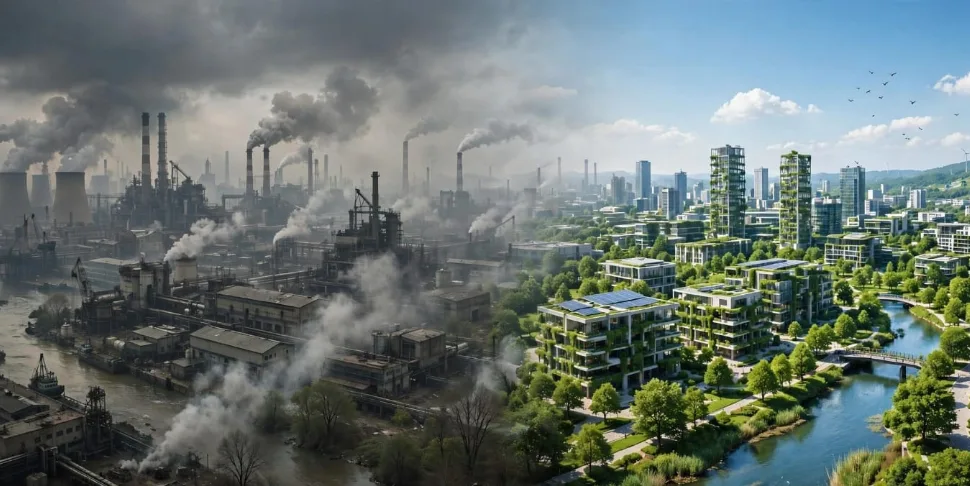
Why Investing in Clean Air Will Save 7 Million Lives and Over $10 Trillion
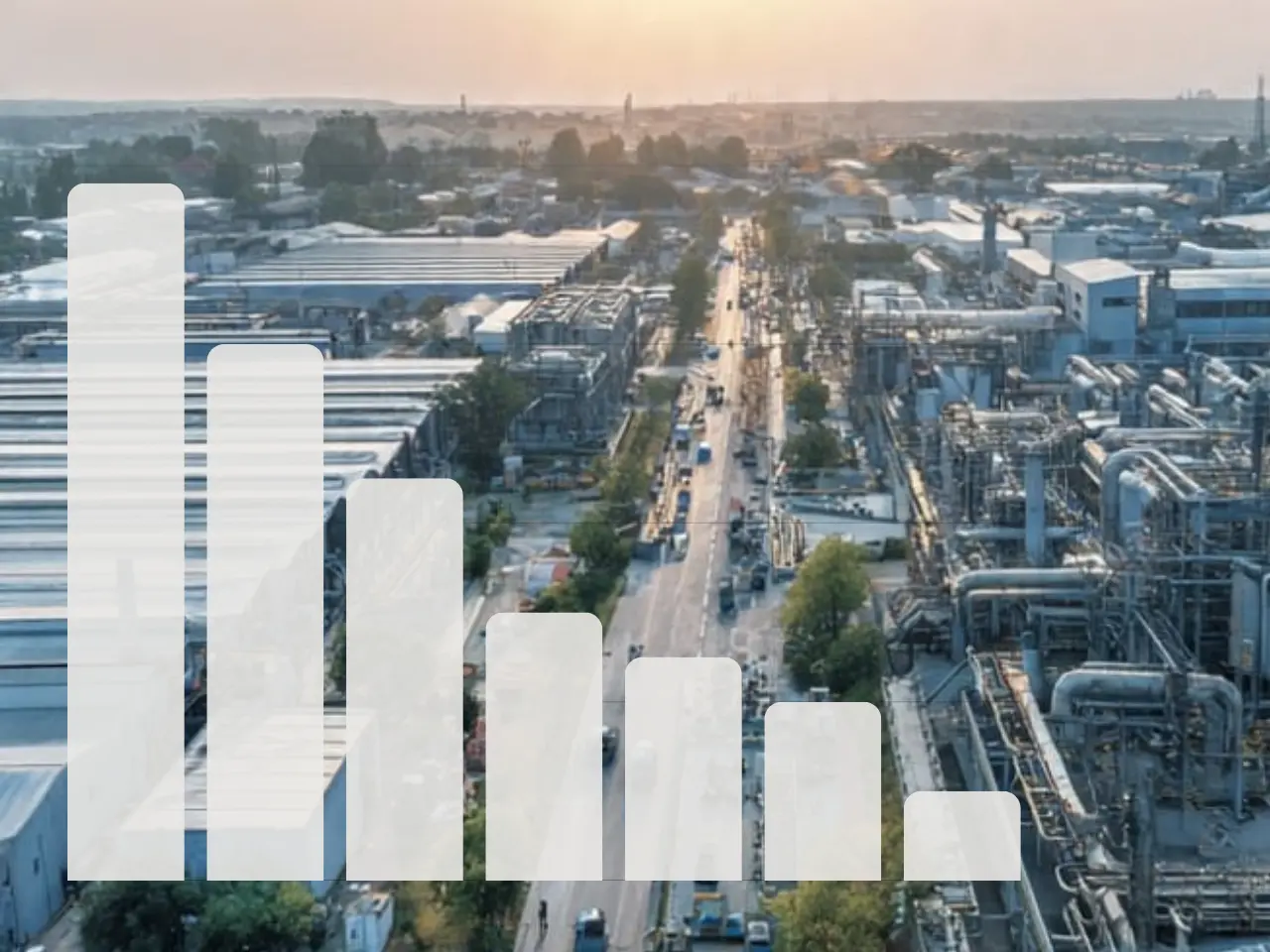
Why air pollution is not only a problem for the environment but also for the economy. Outdoor pollution kills 5.7 million people worldwide and annually shortens the total GDP of the world economy by almost 5%. PM2.5: the fine particulate matter in the air is a common pollutant that can prove deadly to human health when accumulated in high quantities. PM2.5 affects not only a person's physical health but also his/her cognitive abilities and productivity, lowering GDP and impacting future generations.
It must be monitored and regulated to avoid economic losses. The majority of the pollution comes from human sources, such as using biomass for cooking and heating, transport, and power and industry; open burning of waste; and agriculture. Luckily, all of these pollution emitters are largely man-made and thus manageable. 2018 research shows that the best solution to reduce air pollution is to set a series of objectives to reduce emissions or energy consumption while simultaneously limiting smog levels. If done right, this will cut down the number of people breathing polluted air by half by 2040.
Three Initiatives that Work With the three things that successful air-quality tackles have in common
They put institutional foundations in place for the development and execution of long-term, strategically determined plans by a policy office monitoring results (since pollution sources are diverse, they require a coherent approach); they include an airshed strategy involving local and regional governments (since air pollution is inherently regional and transboundary); and they advocate the role of central governments as regulators and supporters of air-quality initiatives at the sub-national level; and they improve the dissemination of information about air pollution (as current monitoring and assessment of air quality are inadequate in many developing nations, for instance, one country in Africa has only two monitors for the entire continent versus five in Paris alone); this will help governments identify the sectors and actions with the lowest-cost opportunities for abatement.
One cannot exaggerate the benefit of improving the quality of the air we breathe. If coordinated efforts to cut down air pollution are carried out, they could reduce 35% of deaths attributable to breathing dirty air and generate an estimated USD 1.9 to 2.4 trillion USD in economic gains in 2040, equivalent to 0.8 to 2.1% of global GDP. Mexico City is an example of how dirty air can be kept well under control.
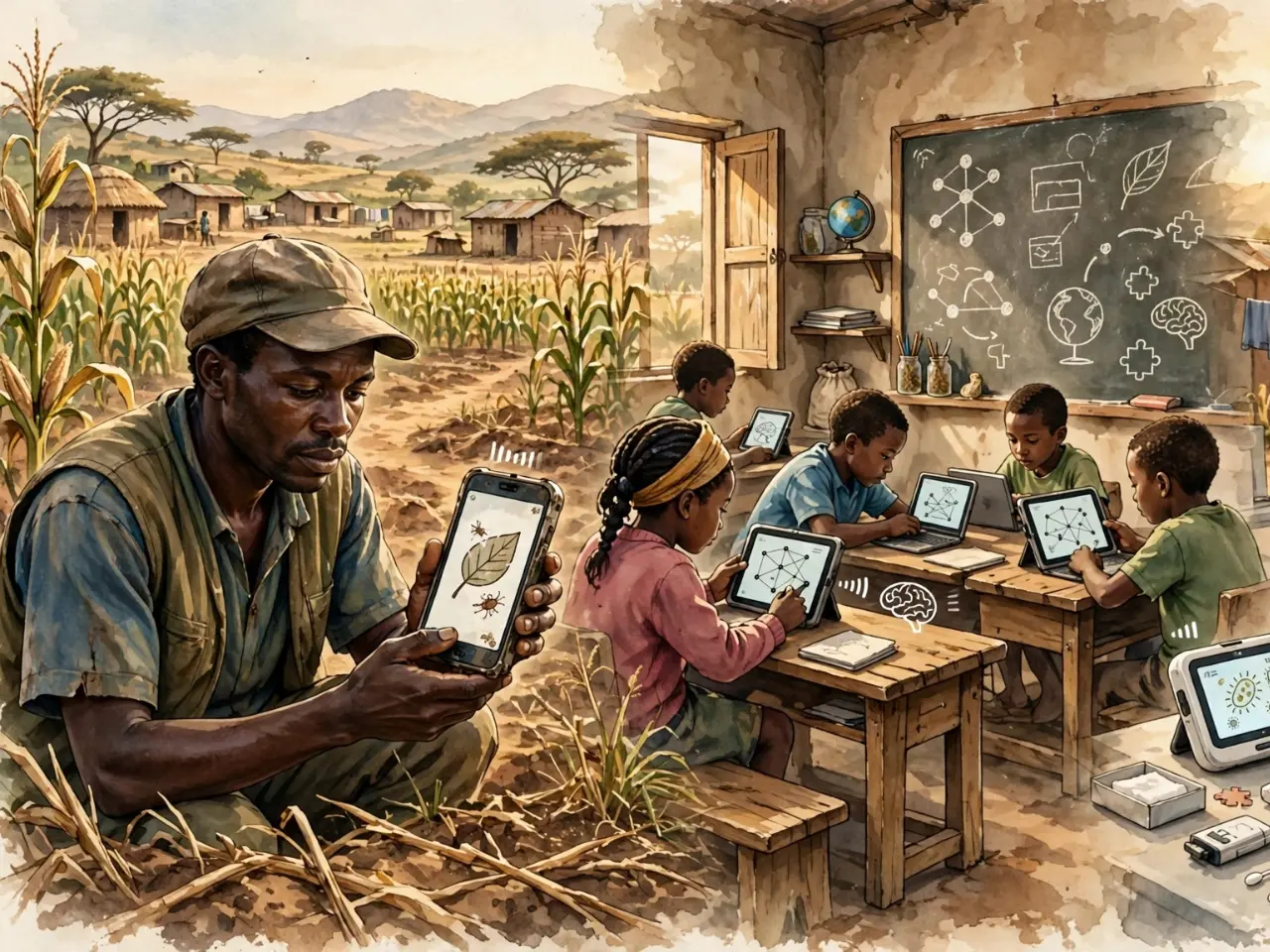
Countries of South Asia are taking a joint approach on transboundary air pollution in the Indo-Gangetic Plain and the Himalayan foothills. Rwanda and Kenya are promoting clean cookstoves, and the Kyrgyz Republic is setting up a revolving fund for cleaner heating appliances. Egypt and Turkey are mobilizing finance to help their industries reduce emissions. The techniques and tools to reduce emissions are at our fingertips, and what remains is the political will and resources.