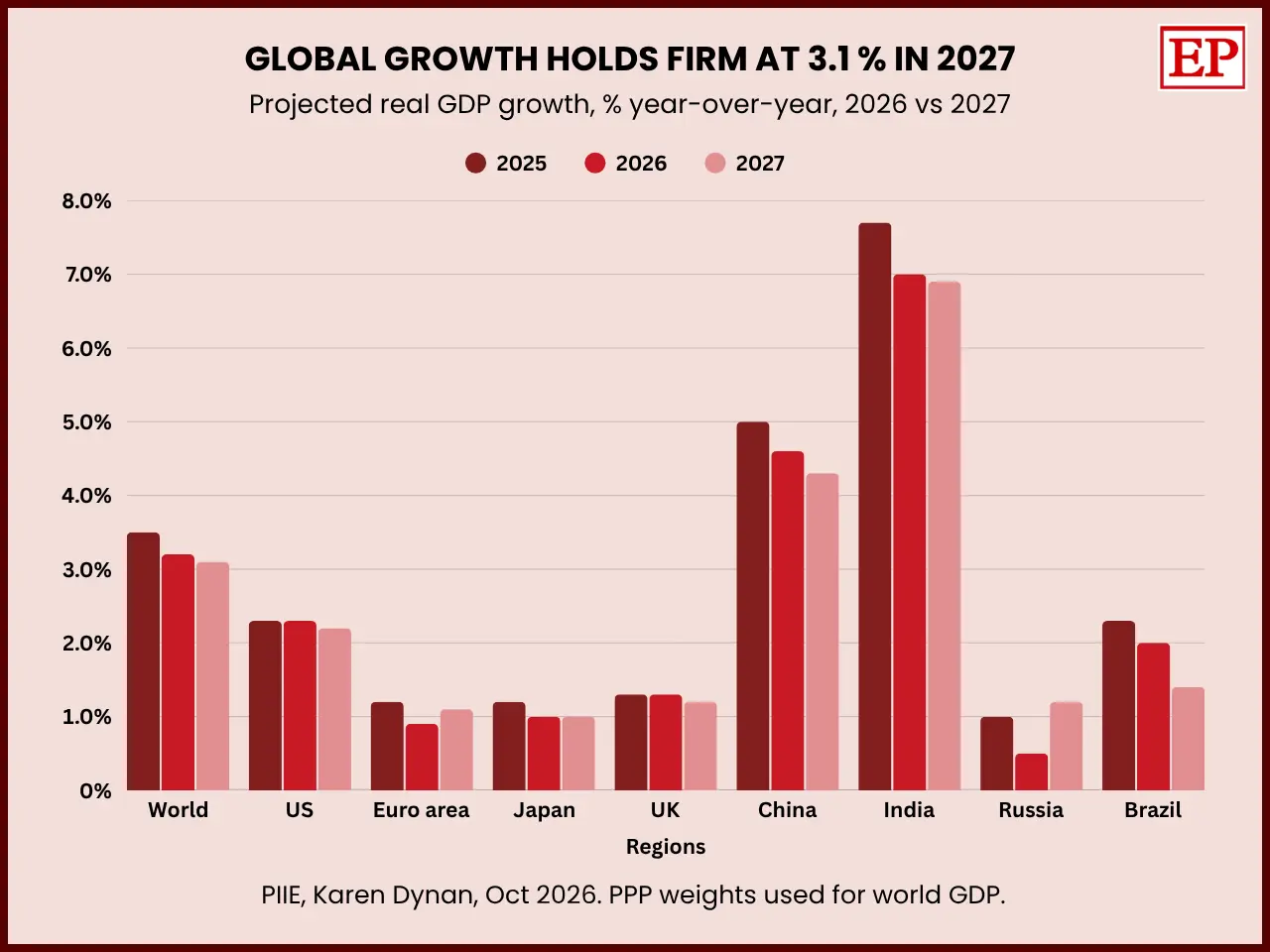
The Union Budget 2025-26 and the Economic Survey of India present a long-term economic plan that would enable the country to focus on internal development and make changes in the face of the unpredictable global world. The policy framework depicts a balance of fiscal discipline, structural reform, and increased involvement in international markets. According to the Economic Survey, the mid-term potential growth rate of India has risen to approximately 7 per cent, and this has been fueled by a consistent government investment, development of a rising network of infrastructure, and efficiency of logistics.
The Canada’s long-run real GDP would increase by an estimated 7%, representing an increase of approximately C$210 billion. Increasing the productivity of firms by removing these barriers would, in turn, stimulate economic development primarily through enhanced productivity, more efficient allocation of resources, increased competition among firms and improved firm growth versus demand increases in the short term.
The long-awaited India-EU Free Trade Agreement (FTA) was finally signed, ending two decades of talks. European Commission President Ursula von der Leyen opined that the new office will serve as a single-stop shop to Indian students, professionals, researchers, and seasonal workers.
The outstanding journey is captured in the chart known as A Century of Gold. The past century has shown the close relation of gold prices to inflation, financial crises, and significant changes in policy. The most notable is the steep increase in 2025, as the highest annual growth in decades, in support of the persistence of gold as a haven of uncertainty.
The world metals market is also experiencing a structural shift that is prompted by the rapid pace towards clean energy, electrification, and digital infrastructure. Although the traditional sources of metal are especially construction and real estate, have been weakened in many major economies, especially China, newer sources of growth are the emerging ones.
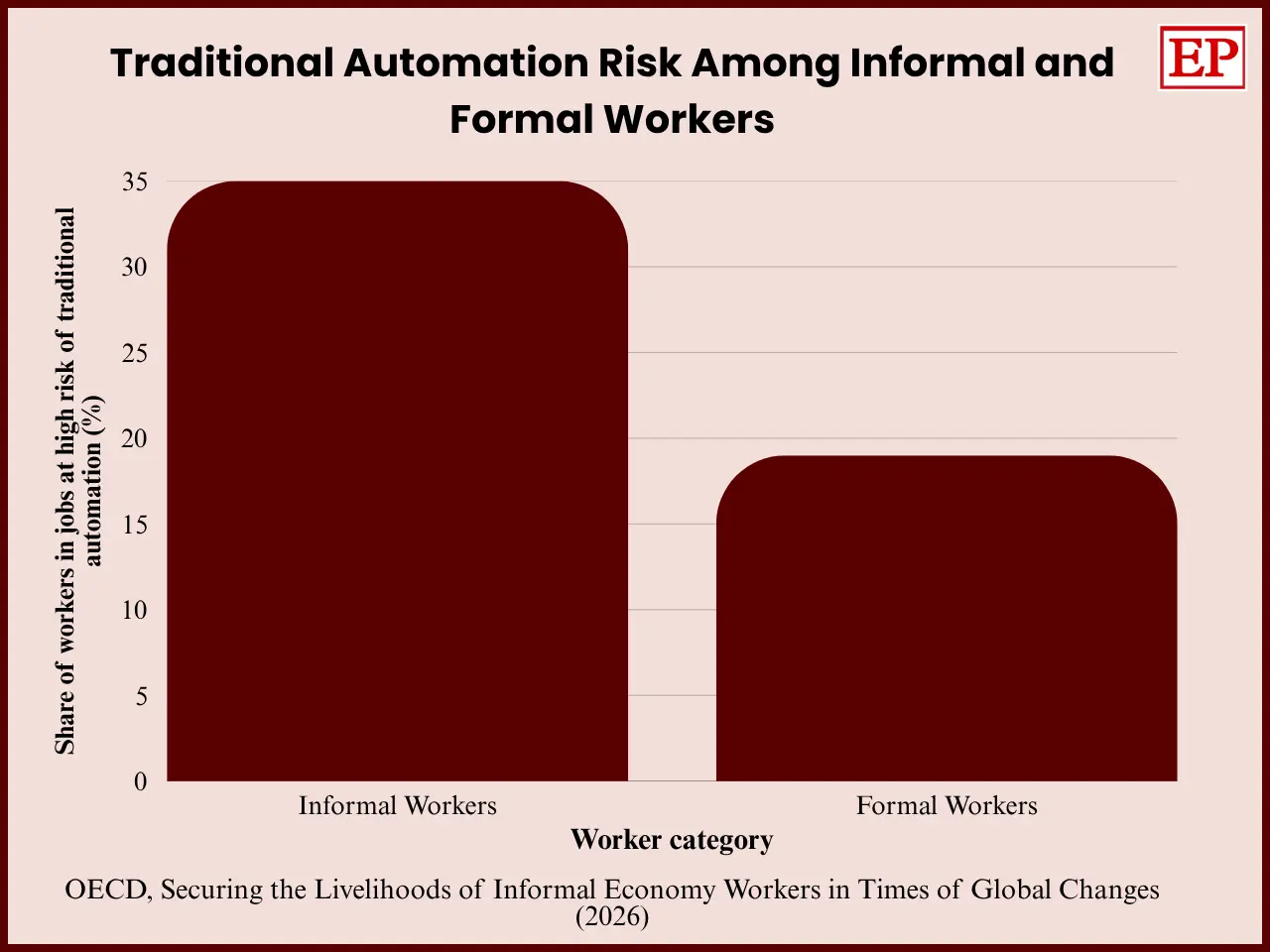
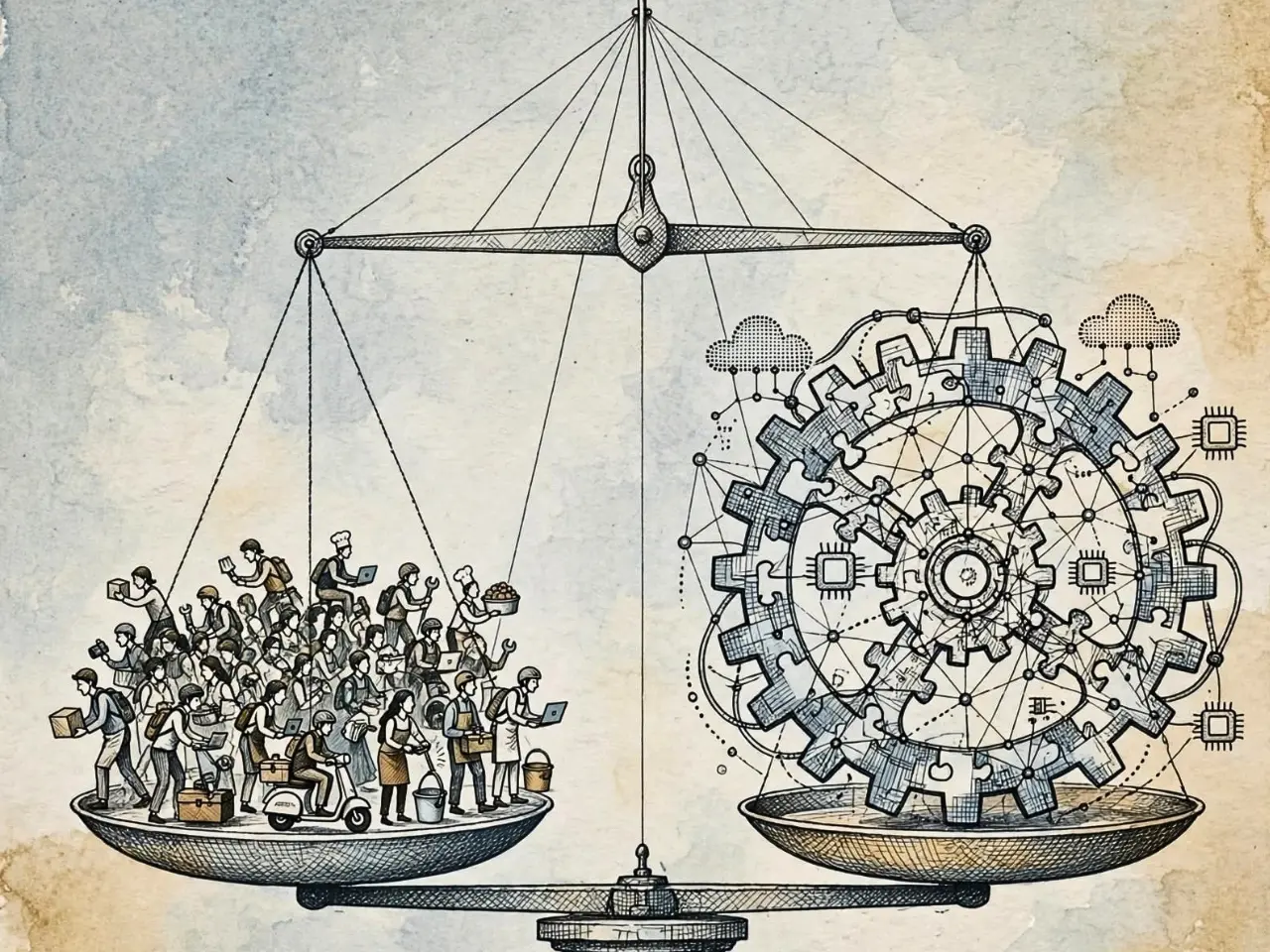
A critical factor during these trends is the slowdown in the structural transformation of economies around the globe. The transfer of workers from low-productivity sectors to higher-productivity and formal employment opportunities has weakened over the last twenty years, leading to a lack of growth in productivity and wage employment opportunities for workers, particularly in developing countries.
Latest Podcast
Global Labor Market in Crisis: 2.1 Billion Workers in Informal Employment, 284 Million in Extreme Poverty
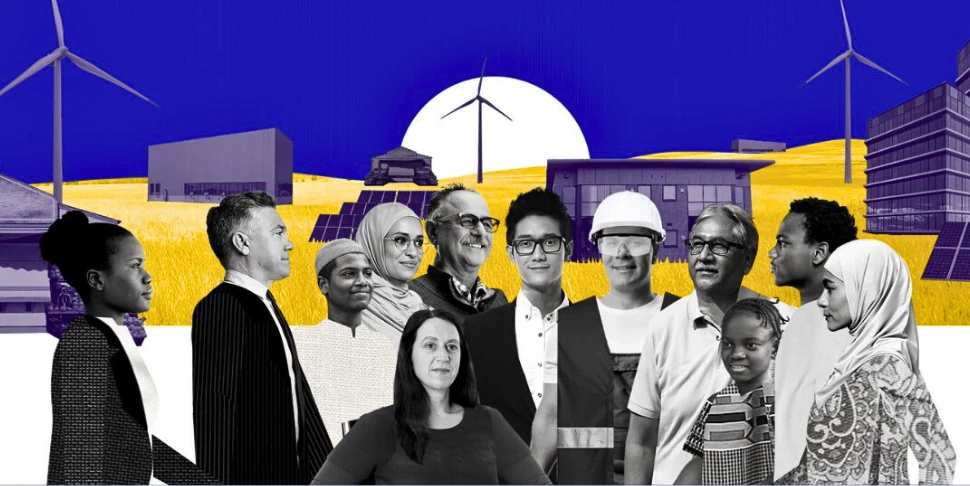
The World Bank Group has focused on five key industries in which there is great potential for creating employment opportunities: the energy and infrastructure sector, agriculture and agribusiness, health care, tourism, and manufacturing. Each of these sectors is interconnected with the other and supports the creation and development of many job opportunities and a broad-based development strategy. The two most important things that drive our economy are energy and the infrastructure necessary to transport energy to people so that they can be connected to the market and provide productivity to their daily lives.
In a world long dominated by the financial tides of the US dollar, a new story is unfolding, driven not by a grand, planned design but by an unexpected external force: the tariff policies of Donald Trump. Trump's renewed presidency saw him sign an executive order in early 2025, first imposing tariffs on imports from China, then escalating to a "universal" tariff on nearly all imports. But the most pointed attacks were reserved for the BRICS bloc and their partners.