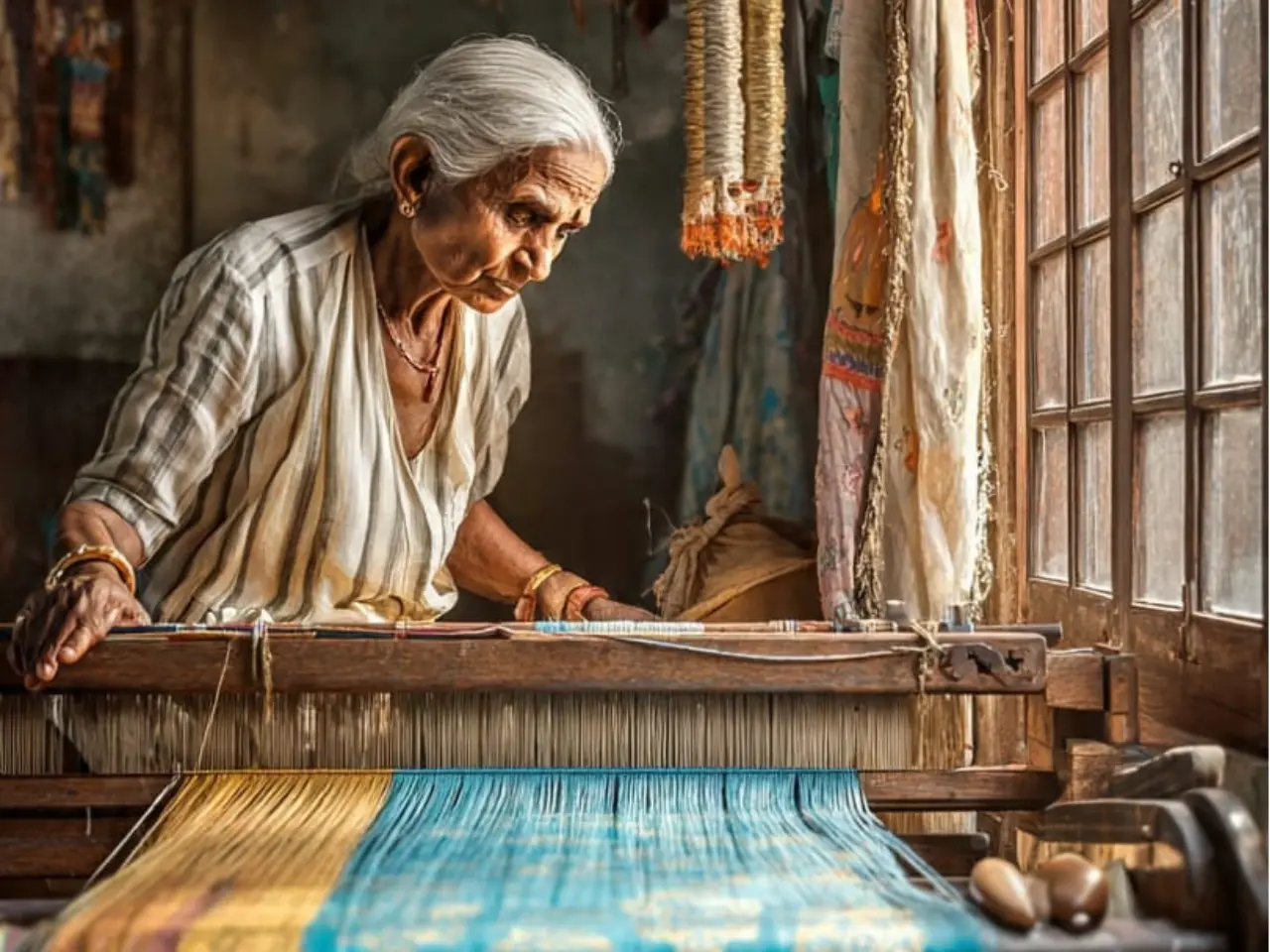
Women in rural areas contribute significantly to the world's food supply, from cultivation, harvest, and post-harvest processing and marketing to the sale of food and water on the street, as well as feeding domestic animals and collecting water and fuel. Rural women are a pillar of the local economy and guarantee access to food for countless households around the world. Rural women are an integral part of the world's food supply, and yet they often suffer from gender discrimination and a lack of power, limiting access to land, financial services, technology, and opportunities.
Based on the Food and Agriculture Organization's (FAO's) 2023 data, women represented 42% of the overall world agrifood workforce. Women make up 44% of the women working in agrifood systems, but only 37% of the men in their respective groups. These figures highlight the extent to which women depend on agricultural jobs, yet this large presence in the industry does not necessarily translate into an improved economic position, as women are generally overrepresented in physically intensive, insecure jobs—which are affected by unpaid care work and domestic work.
Impact of Gender Disparity in Agriculture: Cost to Economy
More than 2/3 of women workers in agriculture are engaged in production, but women are systematically excluded from access to key factors that would allow them to improve yields. Due to this, women earn very low productivity on their private holdings relative to men. And this is probably attributed to lack of access to farm credit, quality inputs, learning, and technology. This results in a gender productivity gap of 24 percent between equal-sized plots owned by men and women.
Gender inequality is a much broader issue, but in the case of the agrifood sector, the gendered wage gap is a startling 78. For every $1 earned by men, women earn an average of only 78 cents. This pricing of women out of their own income source is not just a serious obstacle to them becoming financially independent but also means less overall household consumption, a lower savings rate, and fewer resources to be reinvested as capital into other productive activities. Gender inequality in agriculture is thus a waste of global productive capacity.
Climate change makes matters worse. Women farmers are experiencing the negative impact of higher temperatures and droughts more than their male counterparts. As the Food and Agriculture Organization notes, "Each day of extreme high temperature reduces the total value of crops produced by women by 3 percent relative to men, owing to unequal access to climate-resilient technologies, irrigation infrastructure, and financial safety nets."
Women's Empowerment and Household Nutrition
The economic empowerment of women living in rural areas can lead to improvements in household food and nutrition security. Women with increased access to income, productive resources, and decision-making are more likely to contribute to increased household food consumption and intake, better child nutritional status, and improved access to health care. Also, women's participation in agricultural cooperatives, community groups, and local markets can create pathways to nutritious food.
The work of women is not only limited to paid agricultural work. Women's unpaid domestic and care work still remains a big obstacle to their engagement in the economy. Every year, the unpaid care work provided by women and girls across the globe is estimated to contribute USD 10.8 trillion to the economy. This invisible work must be recognized and redistributed.
Invest in Women for a Sustainable Tomorrow
Women's empowerment in the food and agricultural sector is also a smart move for economic gains and social impact. By harnessing the potential of women, the world's gross domestic product (GDP) could be increased by up to USD 1 trillion, the number of food-insecure people could be reduced by 45 million, and 135 million people would be lifted out of hunger, according to the FAO.
This transformation requires concerted actions from governments, financial institutions, agricultural associations, and the private sector. Policies to promote women's land ownership and their easier access to credit, to increase agricultural training, and to develop gender-responsive technologies are critical. Interventions in rural infrastructure, childcare, social protection, and climate adaptation are equally important.
2026 marks the International Year of the Woman Farmer—a moment to spotlight how much women do for agriculture and push for real progress. Here's the truth: sustainable agricultural development isn't possible if half the people working in it keep running into unfair obstacles. The world needs to face that reality and make lasting changes. A sustainable future for agriculture can be achieved only when the role of women farmers is recognized—not just as producers of the food, but as decision-makers in the future of agriculture.