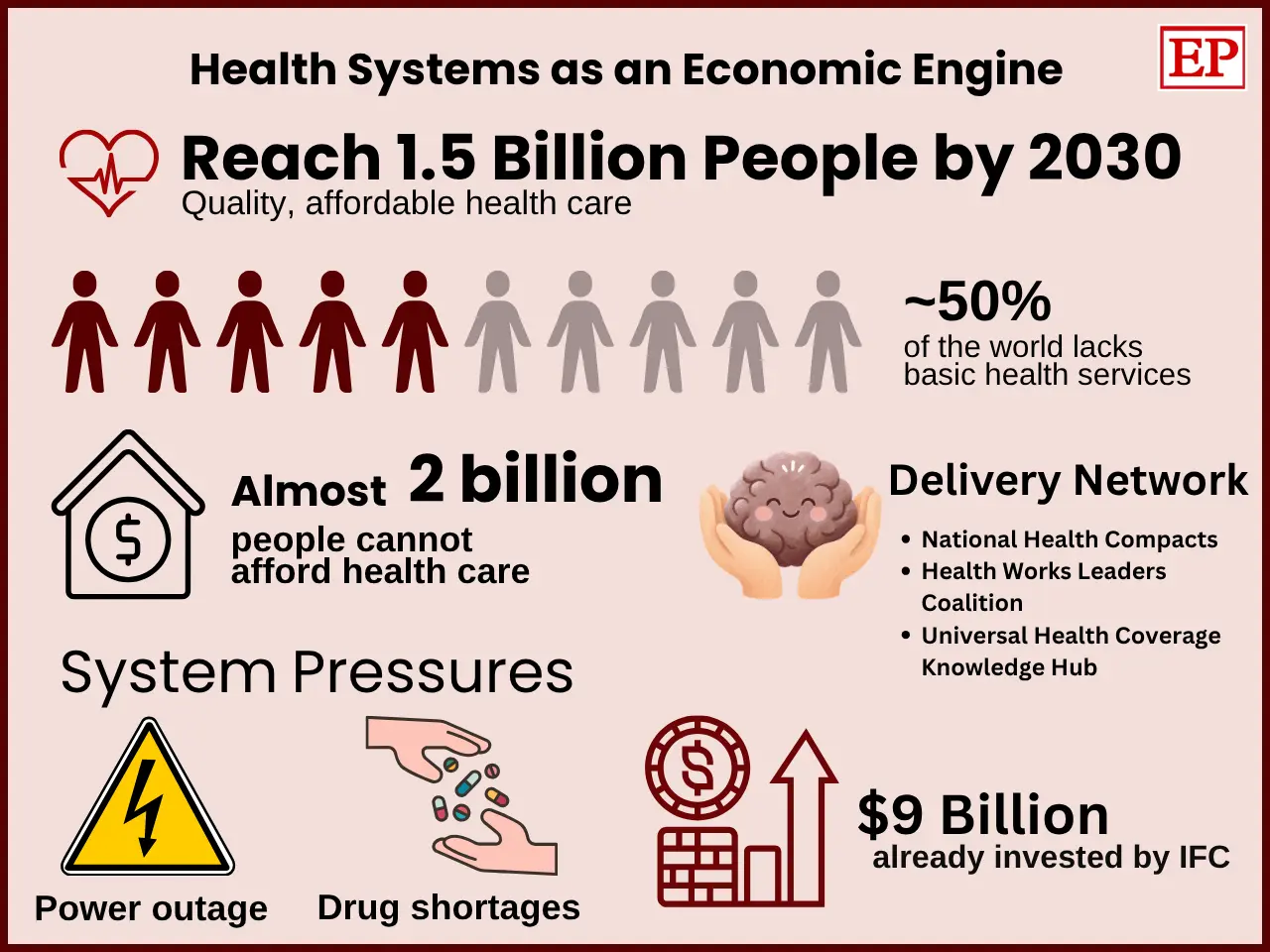
Health Systems as an Economic Engine
The Group of the World Bank committed to providing good quality and affordable health care to 1.5 billion people by the year 2030 by stating that it is the weak health systems that are the obstacles to the economy just as much as they are harmful for the people. The lack of basic health services affects around 50% of the world population. In addition, almost 2 billion people are not able to afford health care services. In case hospitals are not working properly because of power outages and drug shortages, it puts the lives of mothers and children in danger and affects the process of education in children’s lives as well as adults’ lives.
How the Plan Will Be Delivered
The plan is based on three focal points: health across different phases of life, including maternal and child health, and health in later years; the proximity of services to the population; and steps to safeguard finances by minimizing costs. The implementation relies on National Health Compacts with individual countries, the Health Works Leaders Coalition of governments and international organizations, and the Universal Health Coverage Knowledge Hub. The International Finance Corporation has already invested $9 billion in the private healthcare sector in more than 100 communities.
In his statement on 16 October 2026, President Ajay Banga pointed to the fact that a good primary healthcare system keeps the population healthy and attracts business.