A Crisis Before the Peak
Afghanistan's wasting season has barely started when the numbers show their horrifying capacity. Child food and nutrition insecurity in the country, according to UNICEF, has pushed 3.7 million children under the age of 5 toward malnutrition, with a wasting surge in 26 out of the country's 34 provinces compared with last year.
Youngest Children Are Most Affected
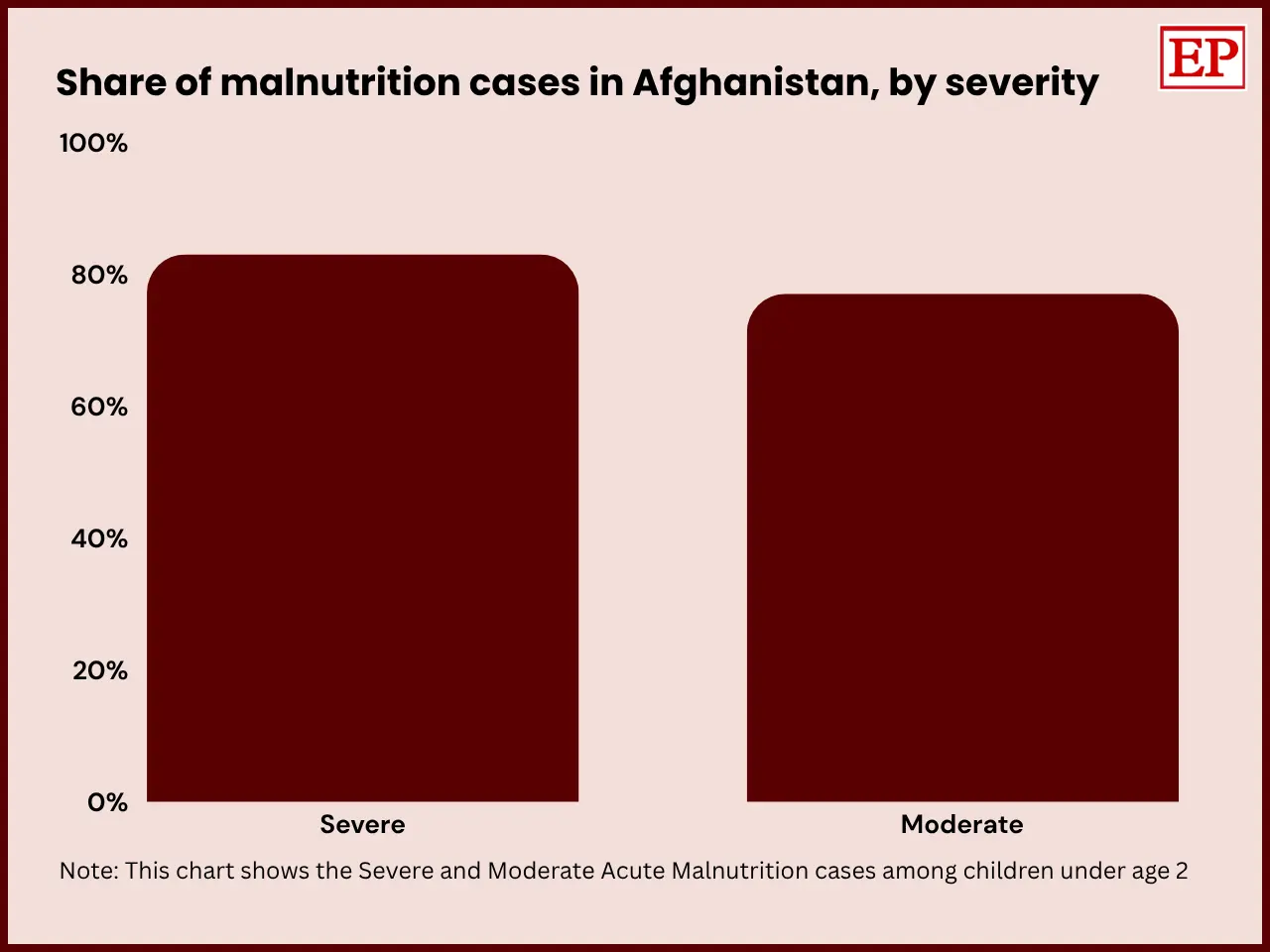
The crisis is affecting the youngest children most severely. Under 2 years old, children comprised 83 percent of severe acute malnutrition cases and 77 percent of the moderate ones across the country. For the first time at this level of analysis, UNICEF's latest report tracked down early warning signs of skipping meals, reduced dietary diversity, and children facing hunger as part of the malnutrition data, revealing that households cut down long before the children became severely ill. Households facing extremely high food insecurity are up to six times more likely to have children wasted during peak times.
A Narrowing Opportunity for Intervening
UNICEF is calling for increased, flexible resources to improve services that support children's nutrition, strengthen the First Foods Initiative for children ages 6 to 23 months, and address gaps in disease, immunization, and water and sanitation, which would add to the crisis. Officials said interventions should be made now, when the early signs appear, rather than wait until widespread malnutrition occurs, especially as the peak season approaches.