Strengthening of El Nino Causes Fears for Agriculture and Food Security Around the Globe
The increase of temperature and changing rainfall may harm crop yields, livestock, fisheries, and farmers.
Extreme Heat Puts Agricultural Production at Risk
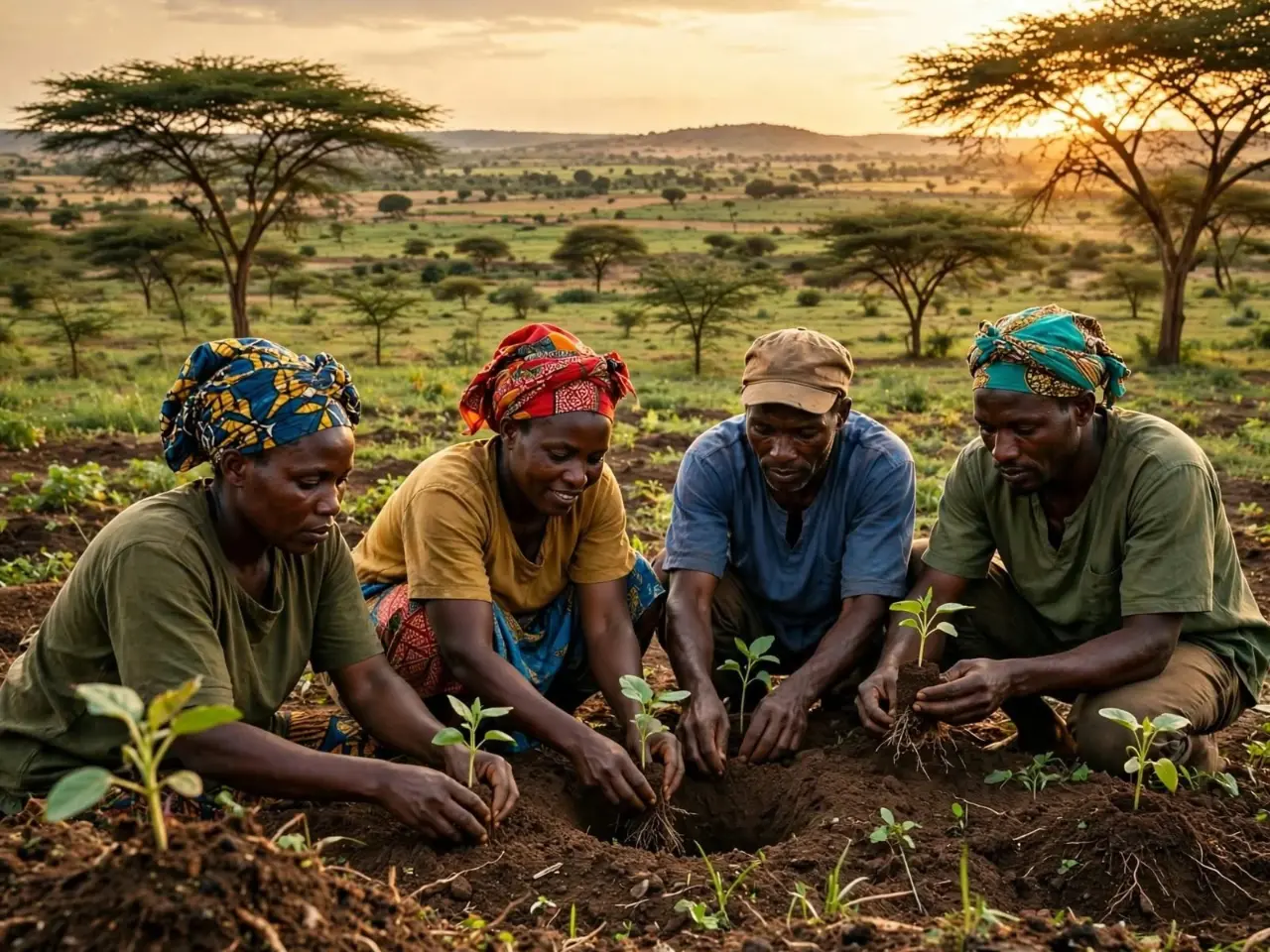
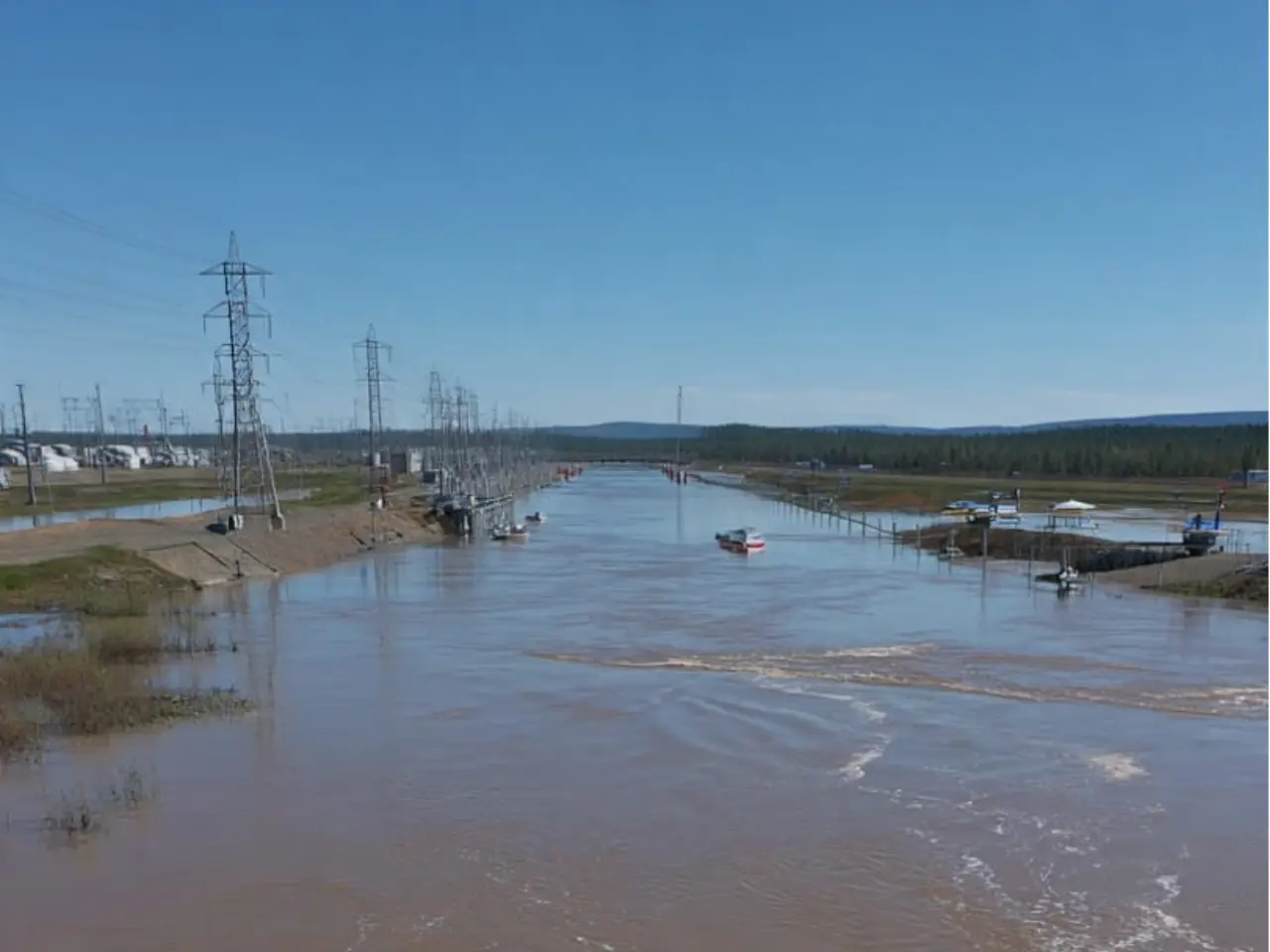
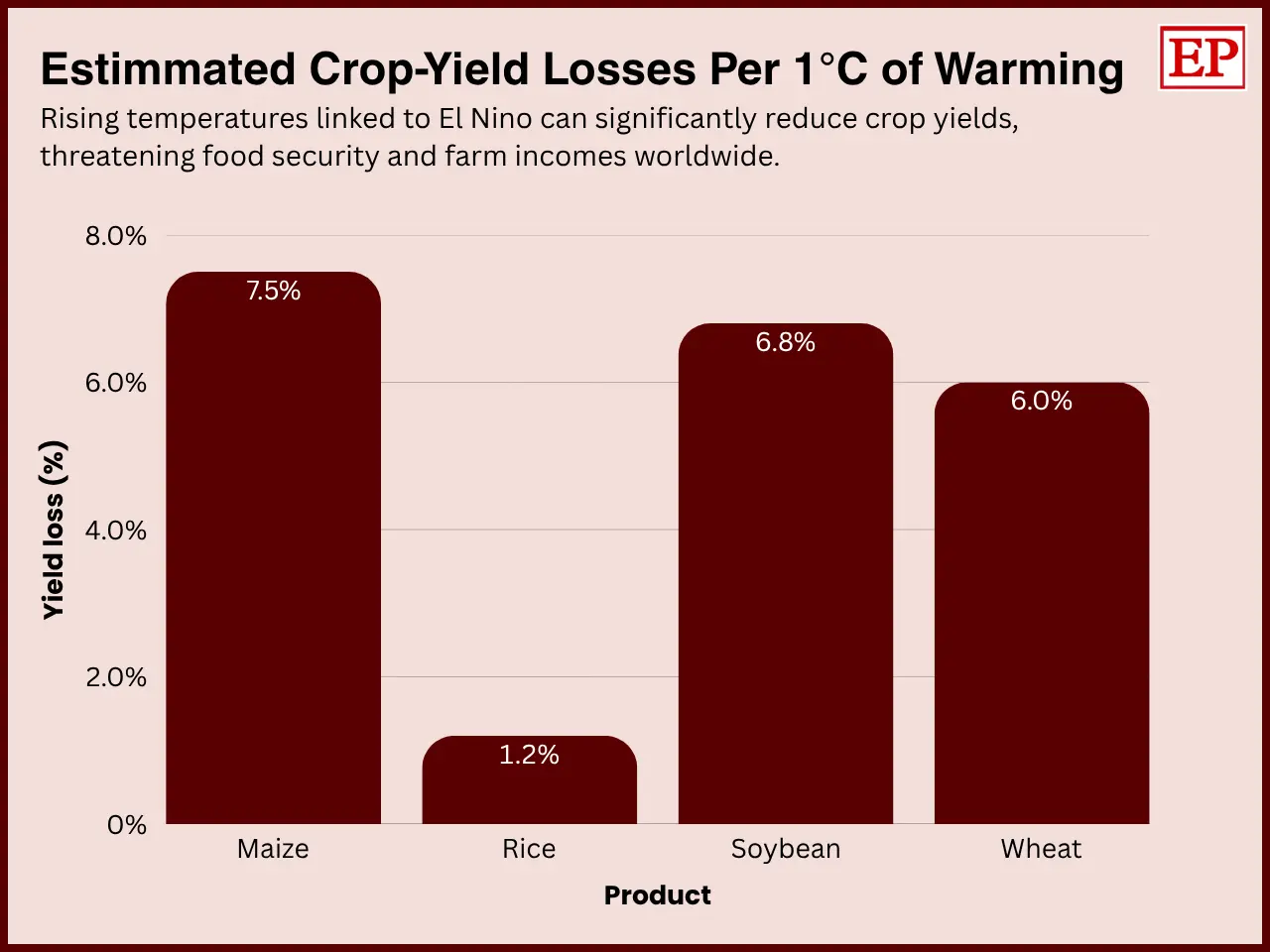
The strengthening of the El Niño effect raises fears about global agriculture and food security as forecasts point out higher-than-usual temperatures in most parts of the world. As stated by the World Meteorological Organization (WMO), changing rainfall brings an increased risk of droughts and floods that can harm crops and pasture, affecting agricultural activities.
In addition, the publication "Extreme Heat and Agriculture" by the Food and Agriculture Organization of the United Nations (FAO) and WMO from April 2026 points out that crops (like maize and wheat), livestock, and fishery are becoming more vulnerable to the rise in temperature.
Economic Impact and Necessity of Adaptation
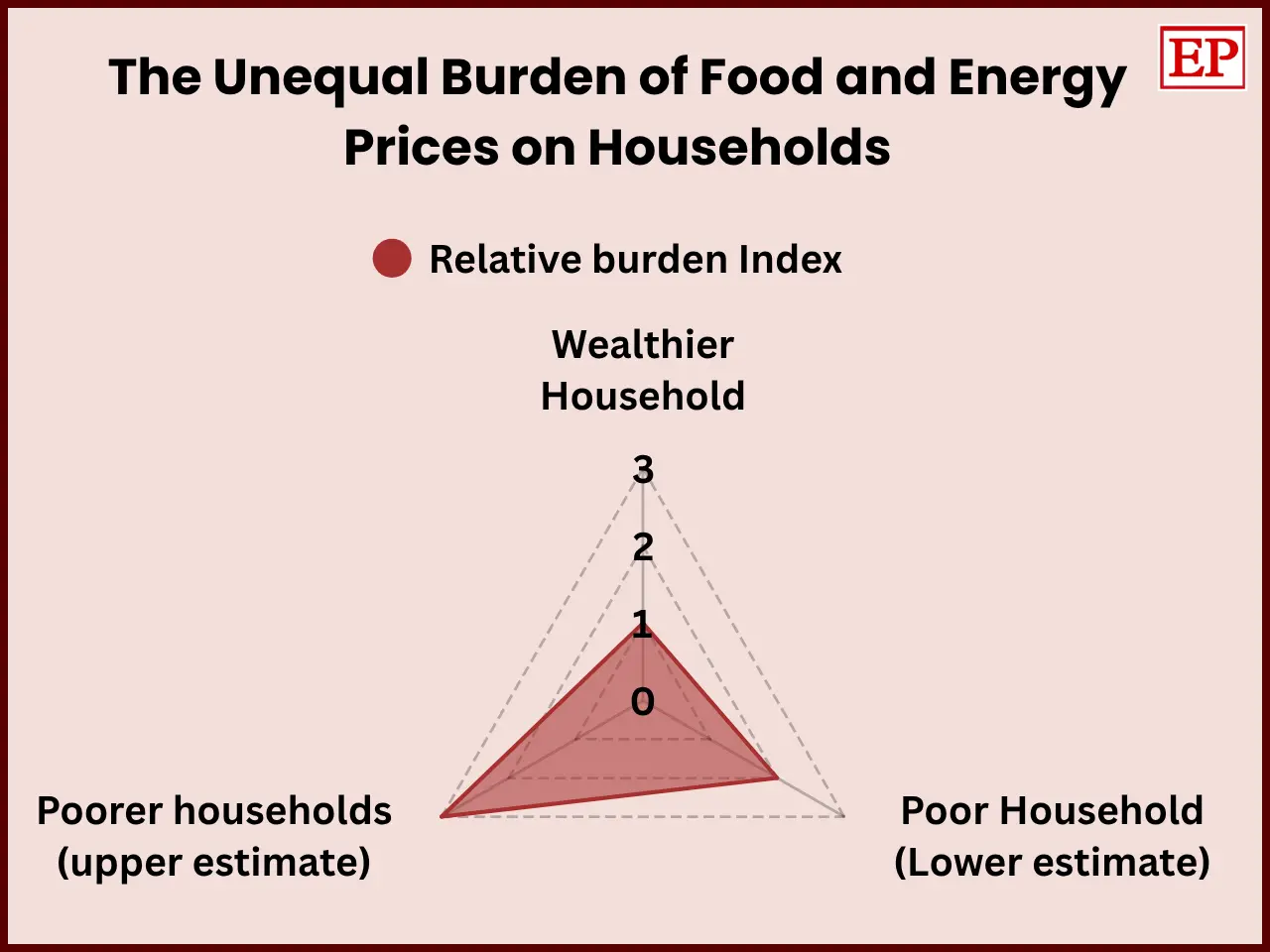
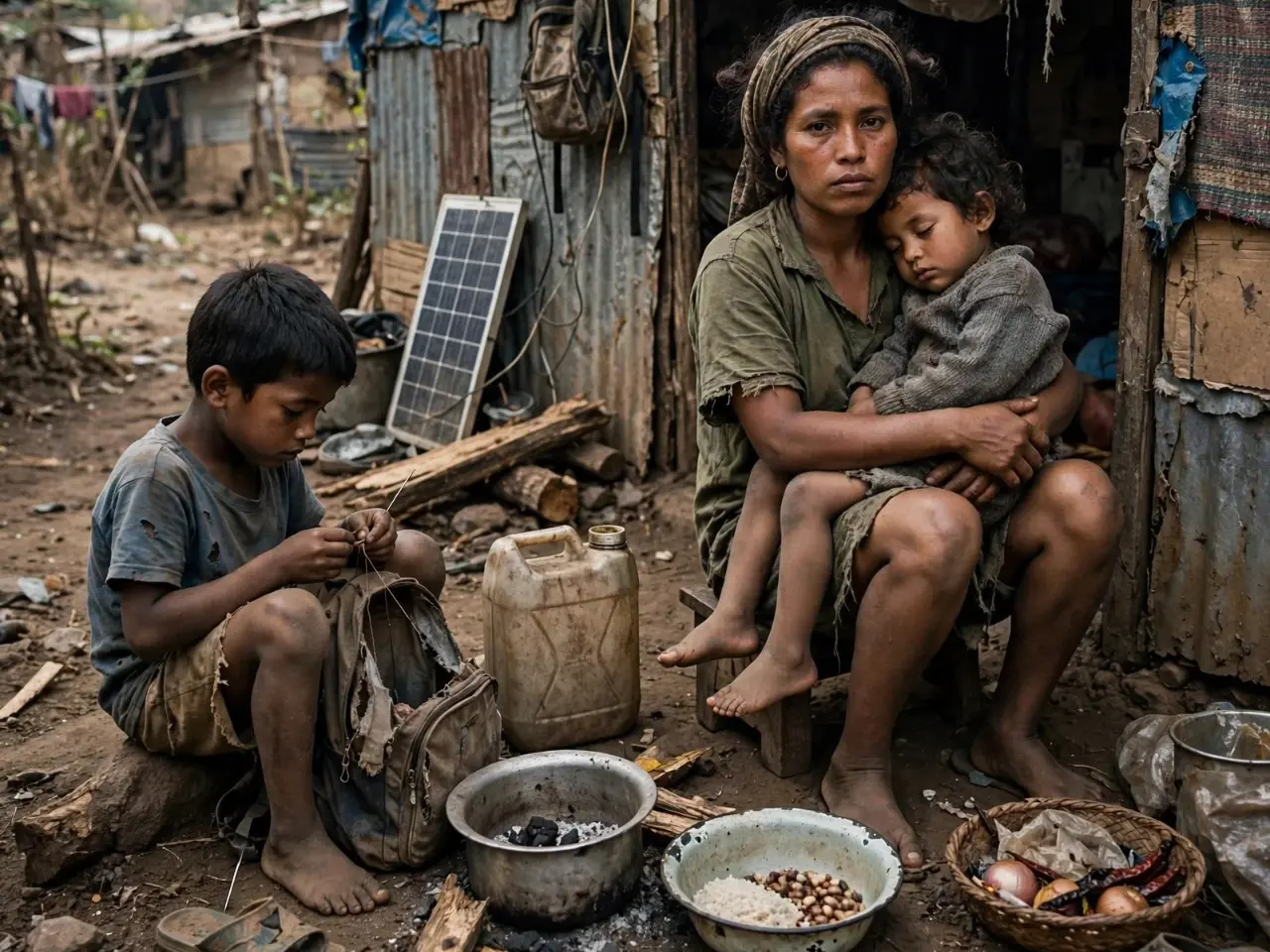
Moreover, the negative effects go beyond the farm, impacting food supply, increasing costs of production, and putting extra pressure on food prices and the income of farmers. Agricultural workers become affected by heat, putting their health and productivity in danger.
Nevertheless, WMO points out that seasonal forecasts, early warning systems, and climate information are significant in preparing the farmers for the changed weather conditions. This means that by investing in drought-resistant crops, improved water management, and livestock protection, the losses will be reduced.