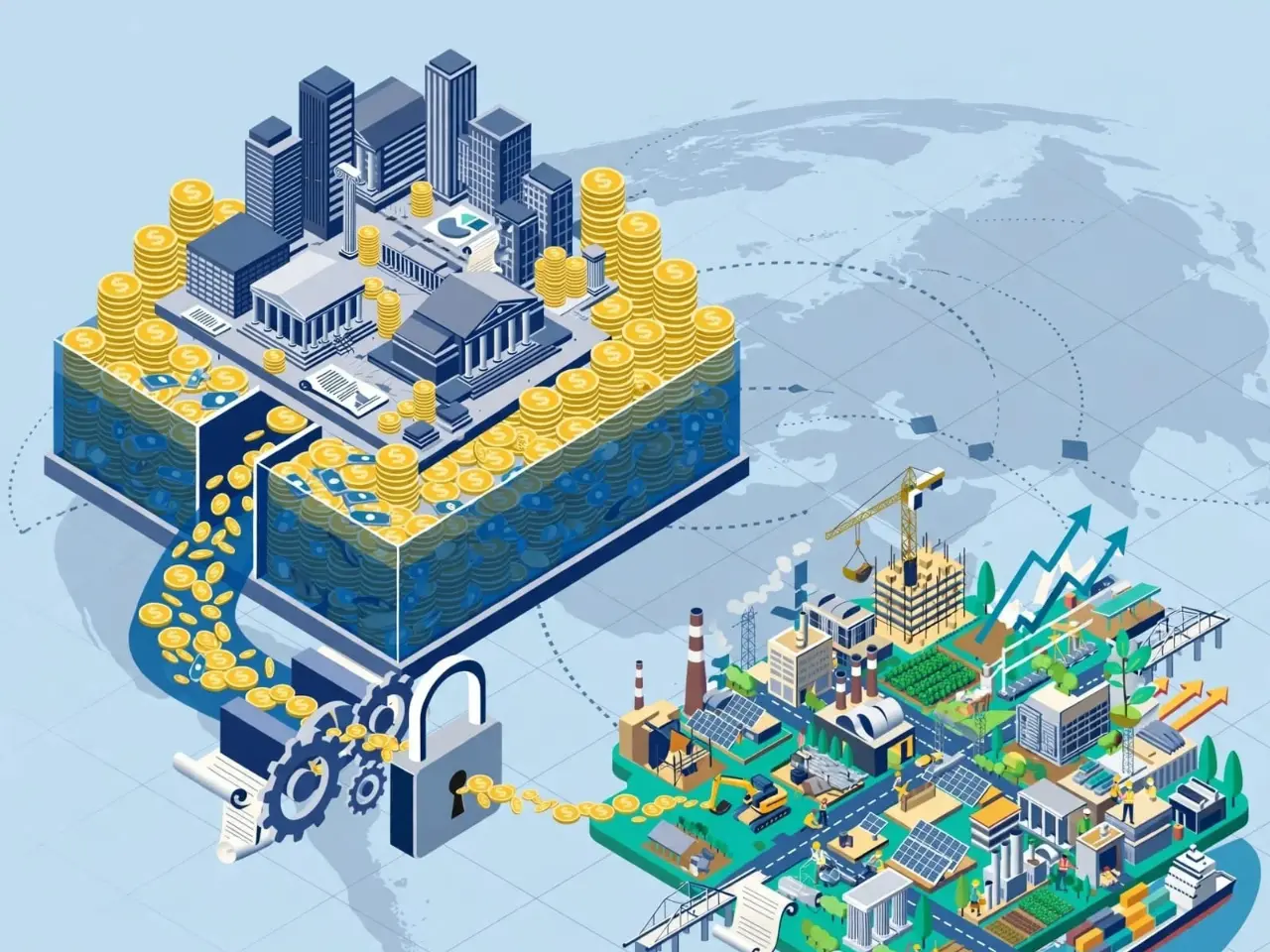
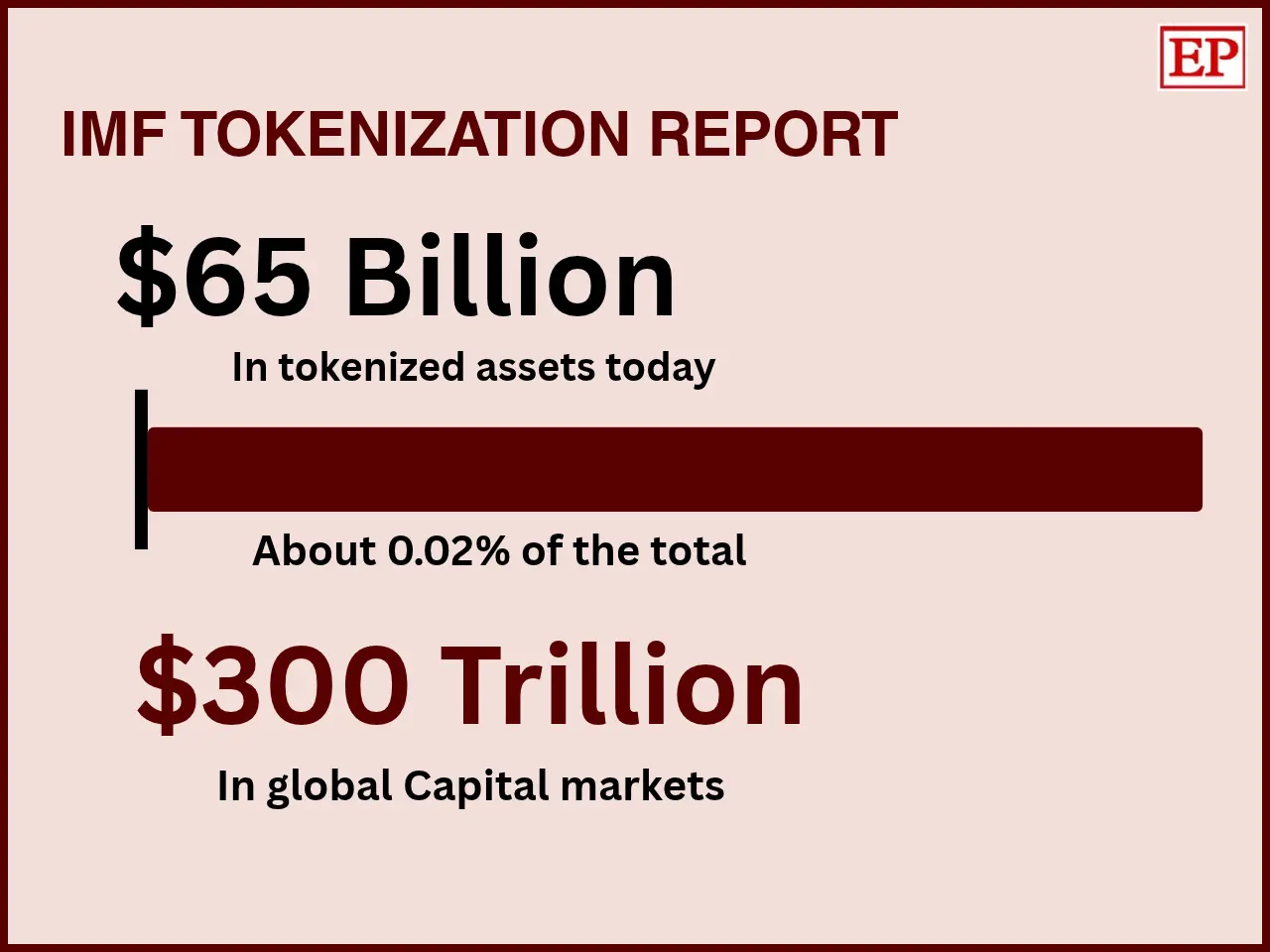
Tokenized assets, including credit, money market funds, and equities, have grown to around $65 billion. That sounds large, but global capital markets hold about $300 trillion. The tokenized repo market, which is primarily used for collateral management, has grown to $300 billion to $350 billion per day, but the US repo market alone has around $13 trillion per day.
Although there are advantages, most tokenized trading happens beyond market hours. More than half of tokenized equity trading was below the equivalent of a single share. Traders are small and thinly distributed; markets are more volatile and fragmented than usual.
What must change before scaling?
The latest Global Financial Stability Report from the IMF highlights four areas that need to be addressed to allow for successful scaling: legal certainty, regulatory alignment, interoperability, and collateral. There is also a risk to scaling, as fire sales, liquidity problems, and contagion could become more prevalent when today’s friction is removed.
Policymakers need to avoid choosing technologies but should focus on being technology agnostic. Policy considerations such as legal clarity, monitoring similar activity, and implementing interoperability are important. Less emphasis is placed on the technology and more on confidence, depth of markets, and robust protections.