Informal Employment Leaves Millions Vulnerable
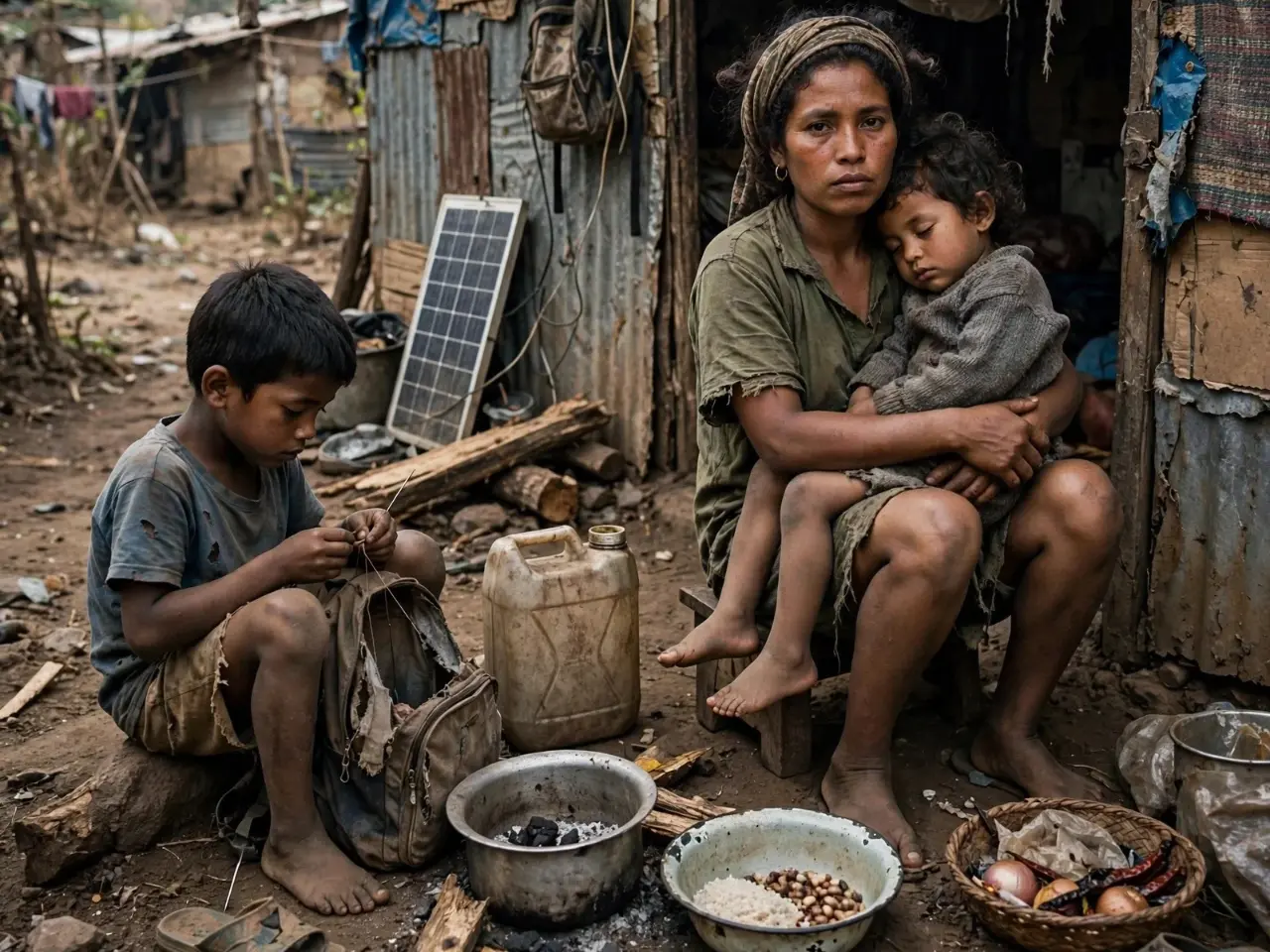
In developing and emerging economies, as they face the risks of financial shocks without any social safety nets. According to a new OECD report, almost two-thirds of all workers living within the countries covered by the report’s database are employed informally.
Such workers face the prospect of low and unpredictable income and the challenges of pension provision and fewer opportunities, including safer jobs. Moreover, as populations age, the risk of informal employment without contributory pensions threatens to undermine living standards, say the OECD report authors. They note that only 52% of older people in the countries assessed have pension benefits, compared with those who have formal jobs.
Automation and Climate Risks Require Immediate Action
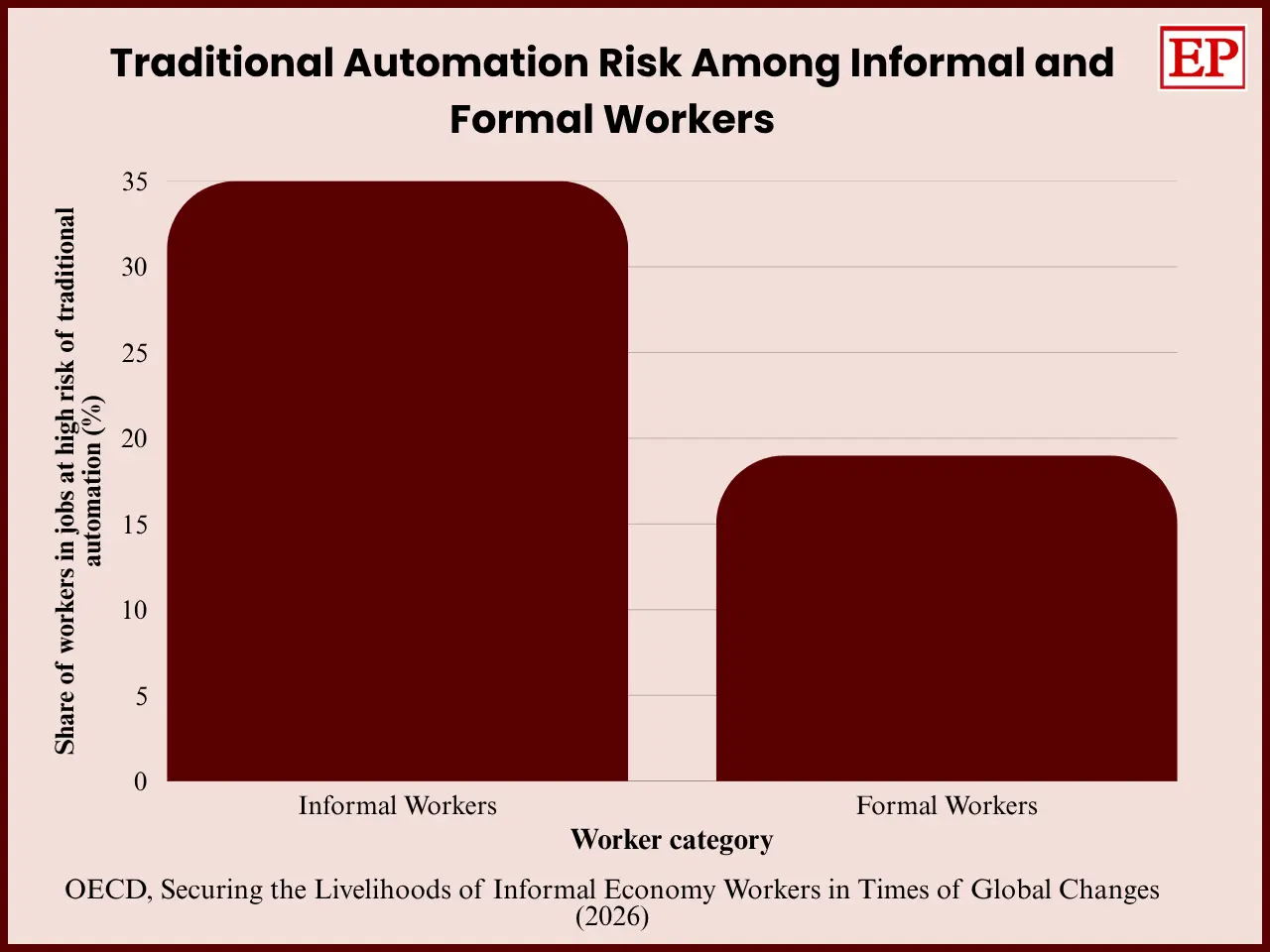
Automation and climate change are exacerbating the problem. Informal workers are more susceptible to traditional automation than formal workers. The OECD reports that 35% of informal workers are at risk of automation, compared to 19% for formal workers.
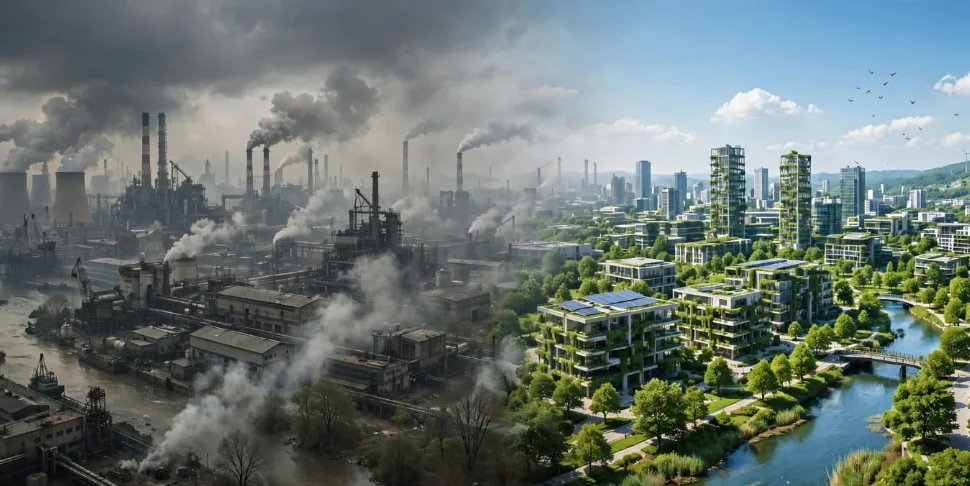
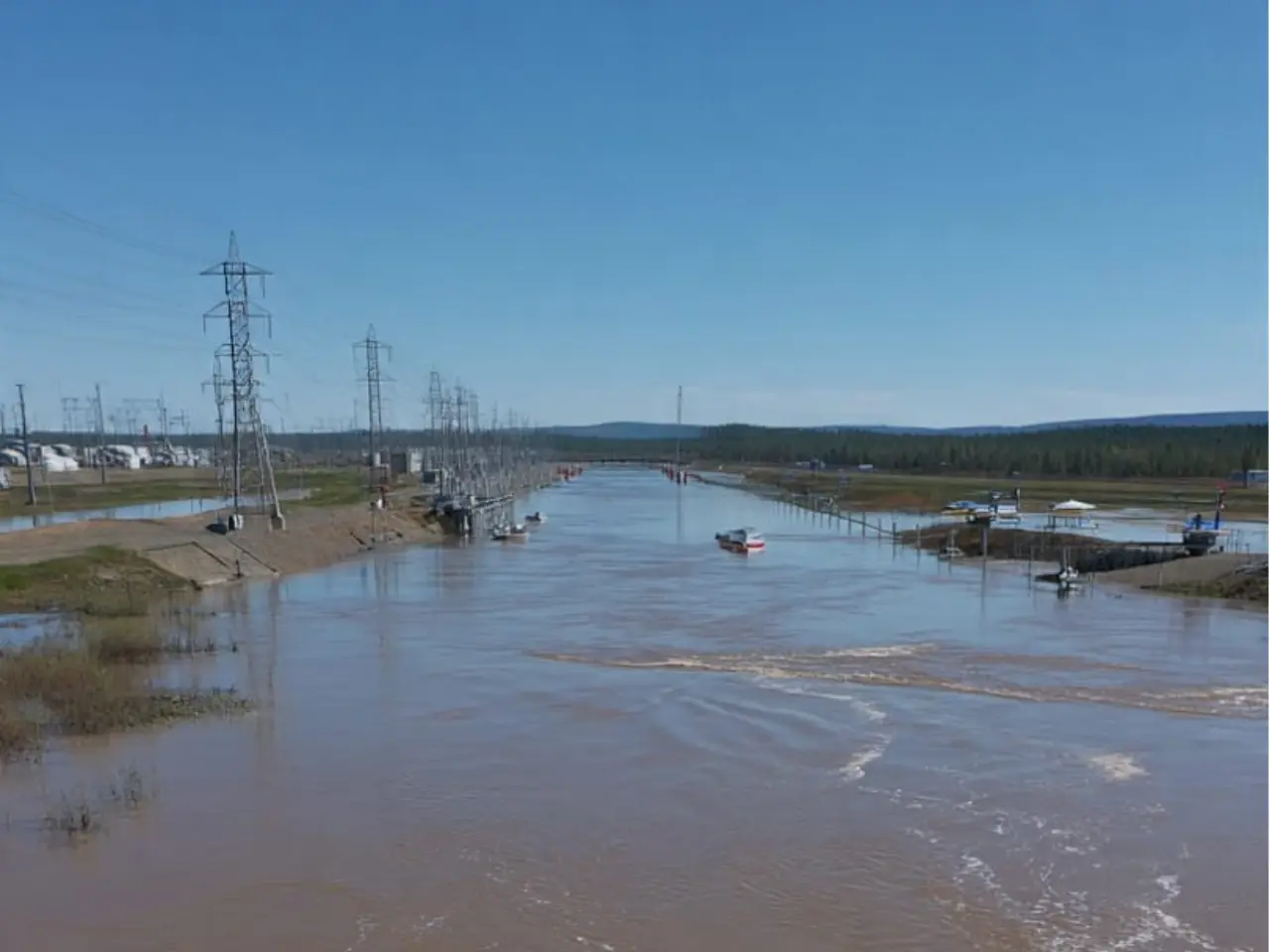
Meanwhile, changing weather patterns bring floods, droughts, and other forces that hurt the incomes of many informal workers, especially people who rely on the natural world for their earnings. The OECD has three suggestions for improving the situation: more robust social safety nets, skills development programs, and opening up investment opportunities in businesses that offer decent jobs. Moreover, the promotion of formal sectors through their accessibility can help protect such workers. Protecting informal workers is not only an economic issue but also a social one in which many countries are deeply invested.