EP PRIME EXCLUSIVE
Continue reading this executive analysis
This in-depth analysis is available exclusively to EP Prime members. Subscribe to unlock the full article and enjoy ad-free reading.

This in-depth analysis is available exclusively to EP Prime members. Subscribe to unlock the full article and enjoy ad-free reading.
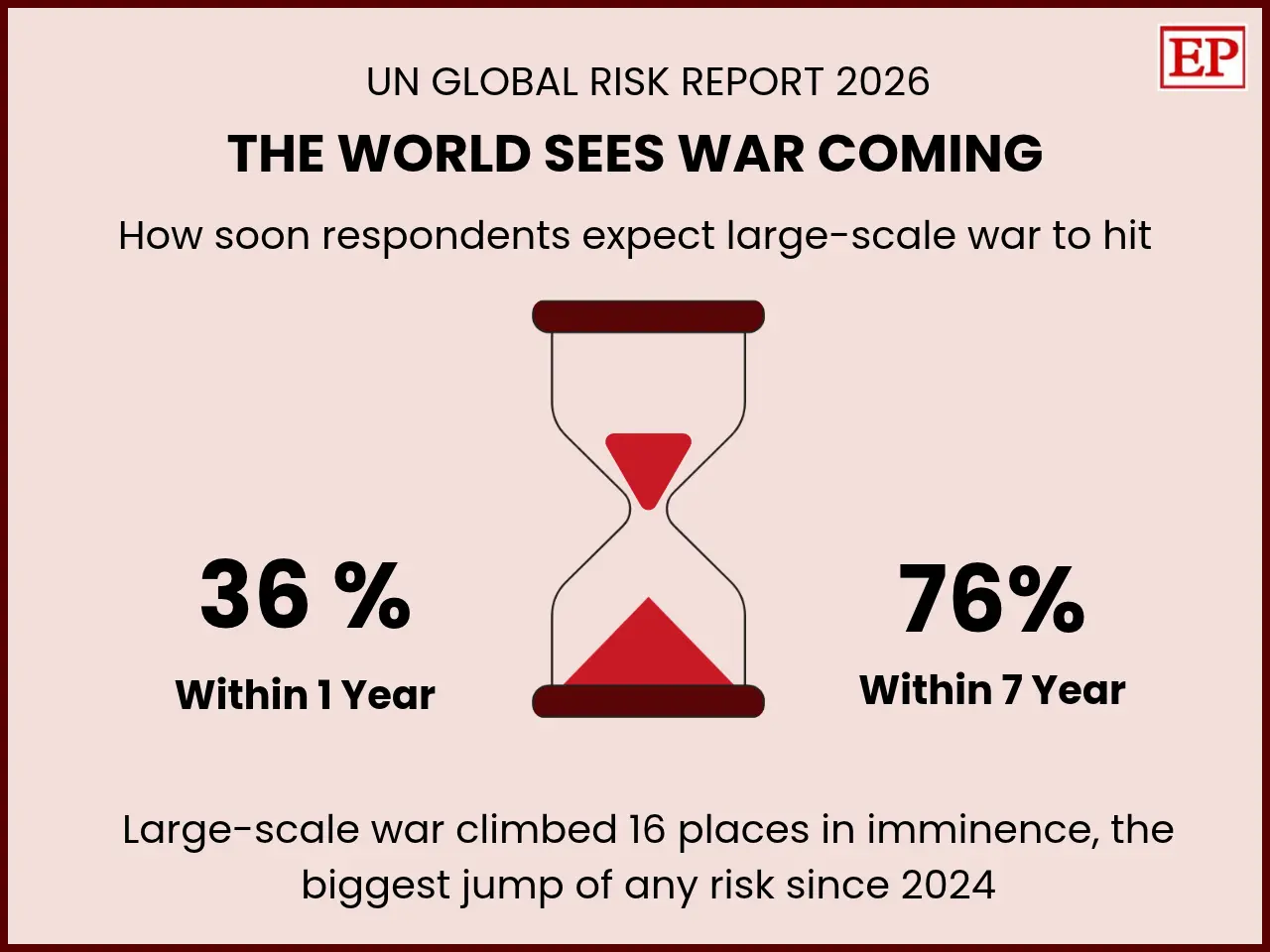
The report from the United Nations' second Global Risk Report, which drew on the input of more than 1,300 people in government, the private sector, civil society, and the UN system, shows that the world is bracing for conflict.
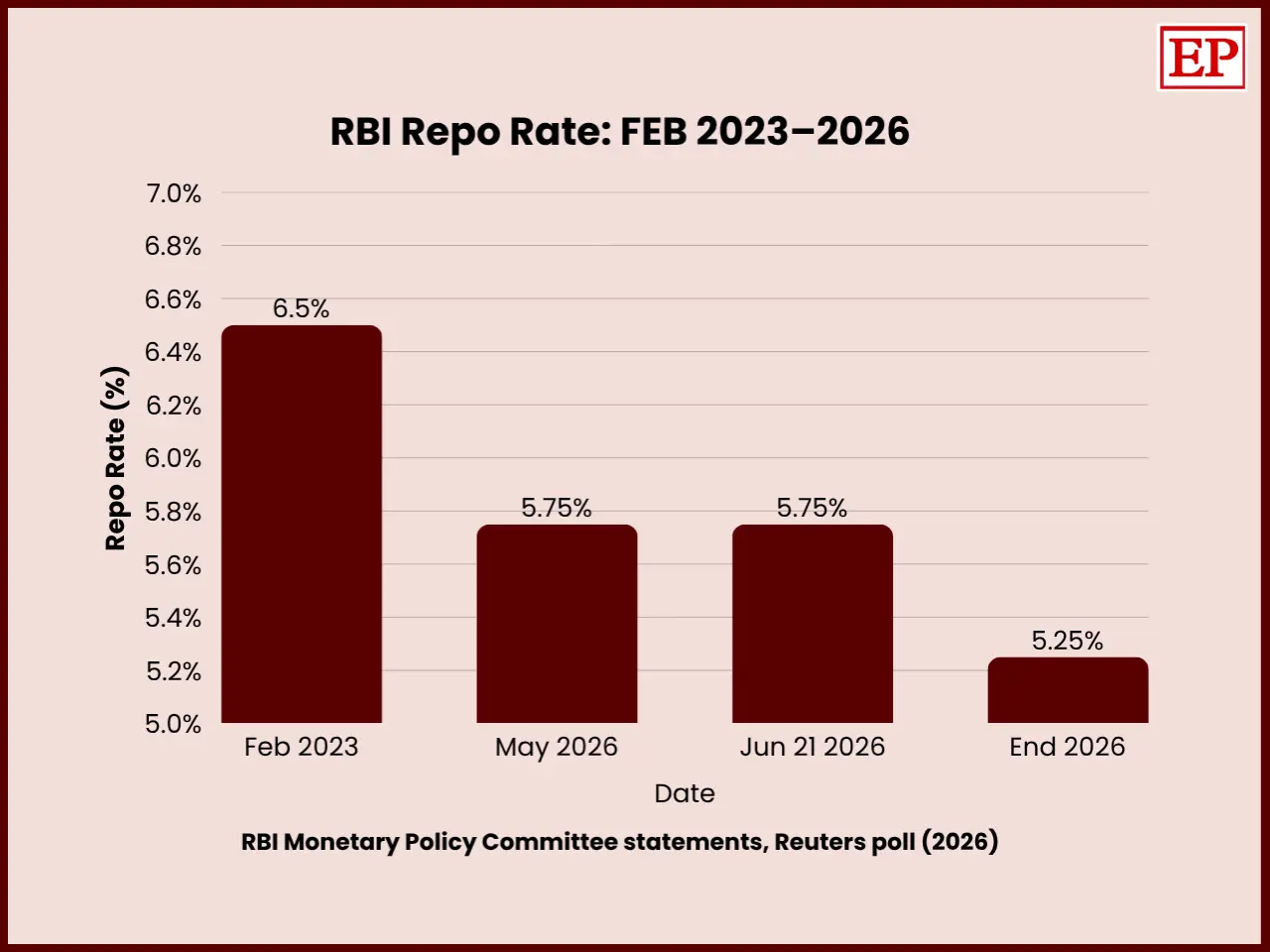
The Fed's ninth straight hold came with its most divided vote since 2016, and the hawkish undertone is already tightening India's currency, equity, and borrowing conditions across seven sectors.
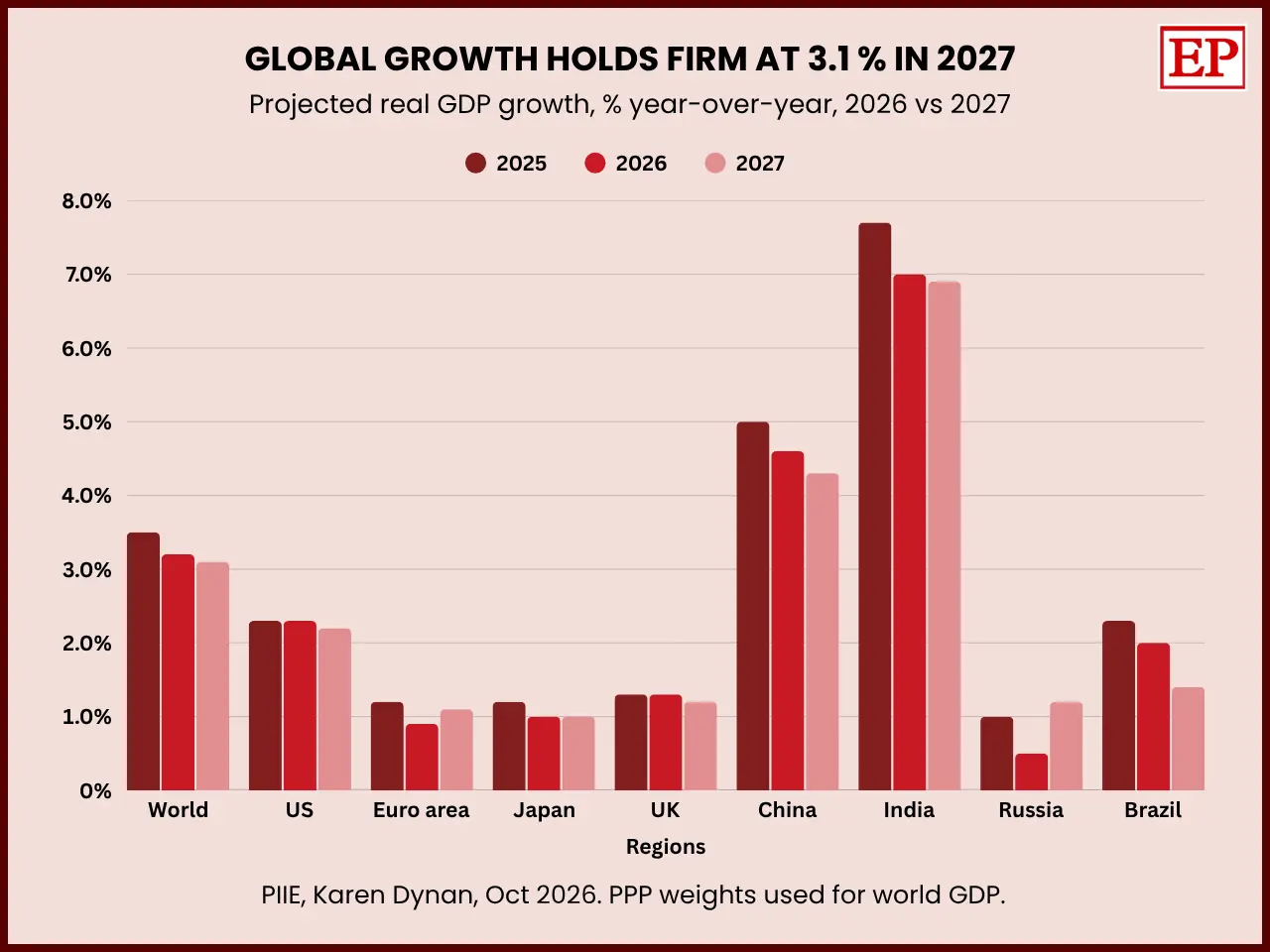
The AI boom is acting as a shock absorber for the world economy. PIIE projects global GDP growth of 3.1 percent in 2027, as AI-driven investment offsets higher energy prices and interest rates.
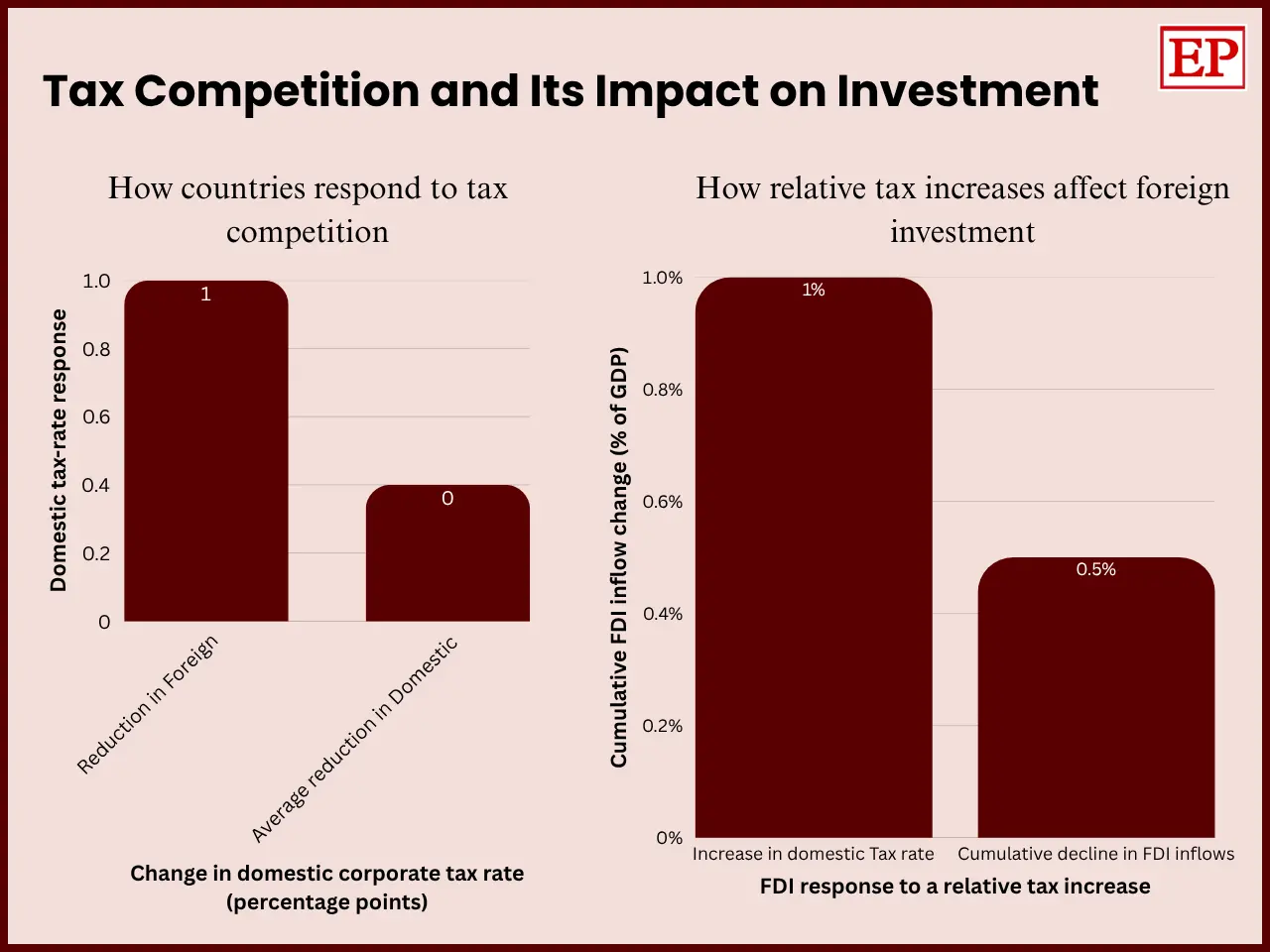
Stronger anti-avoidance rules are transforming multinational tax strategies; reported profits are losing sensitivity to tax differentials, while real investments gain sensitivity. The IMF weighs on world tax competition, investment flows, and public revenues.
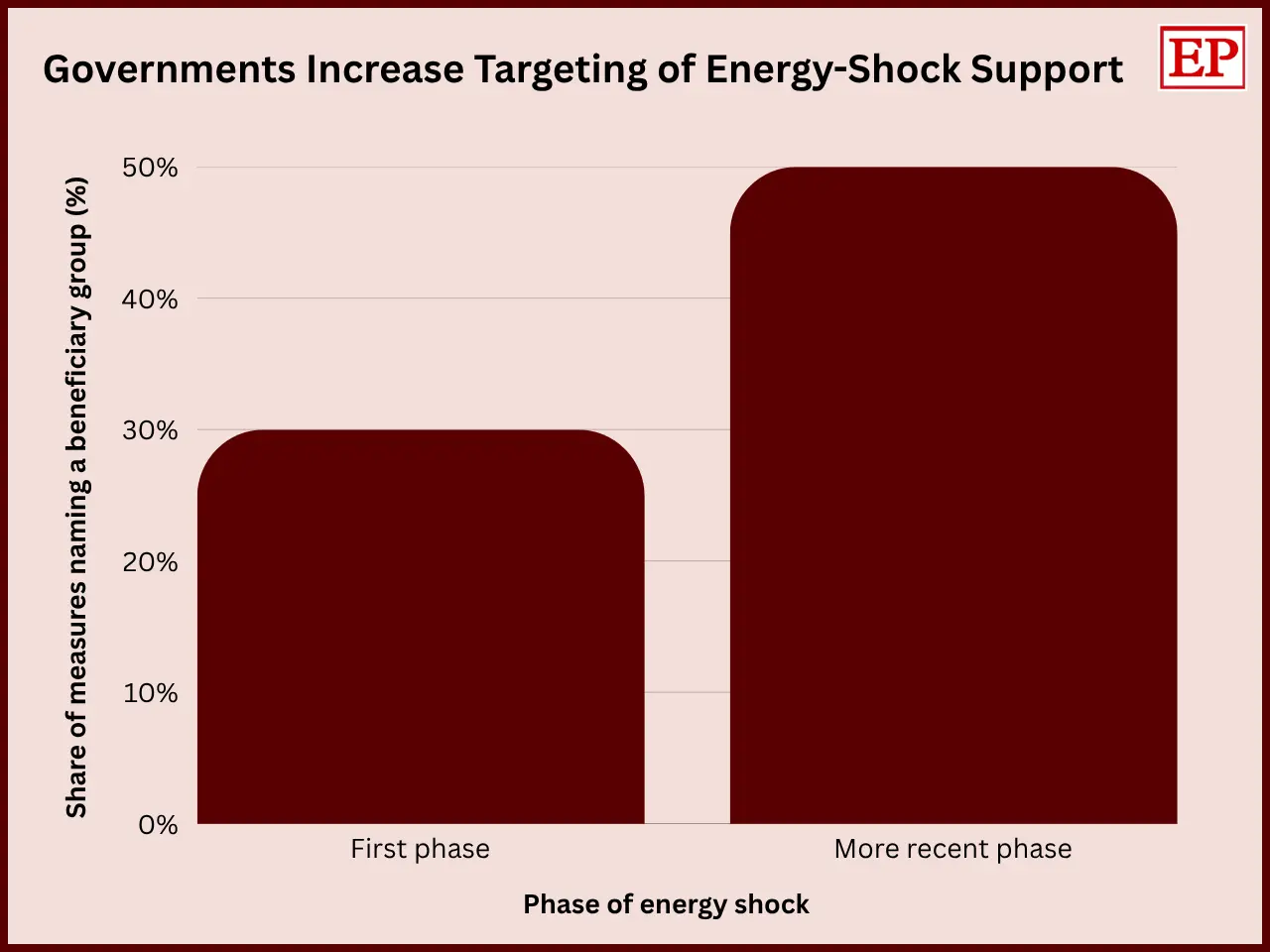
Countries are adapting their economic policies as the global energy shock triggered by the Middle East war continues to put pressure on households, businesses and government finances. According to the International Monetary Fund, governments initially relied heavily on subsidies, tax cuts and household transfers to shield consumers from rising energy prices.
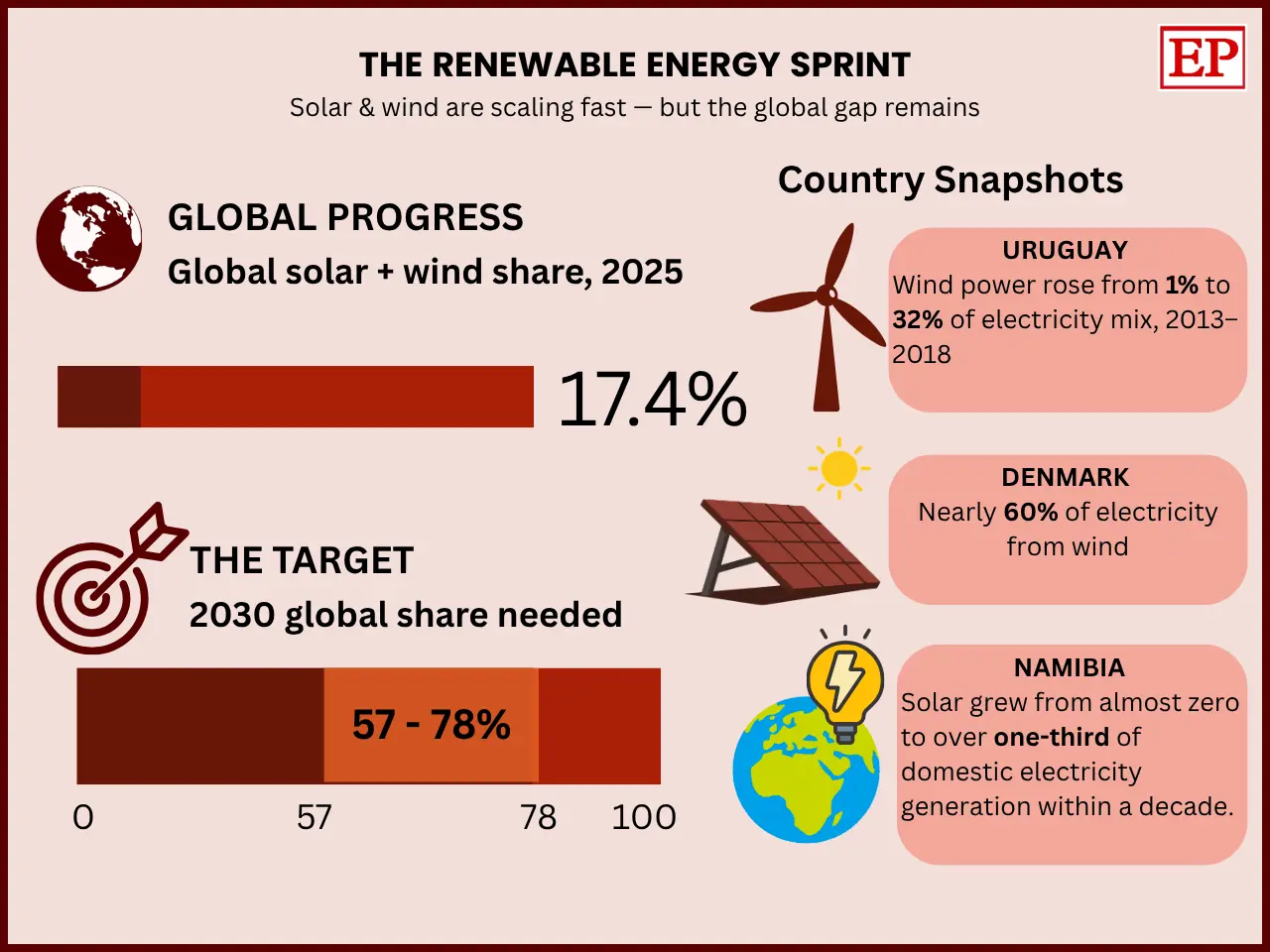
However, countries like Uruguay, Denmark, Namibia, and the Netherlands have achieved more than 75% of the speed that was necessary to introduce wind and solar power into the electricity production system.
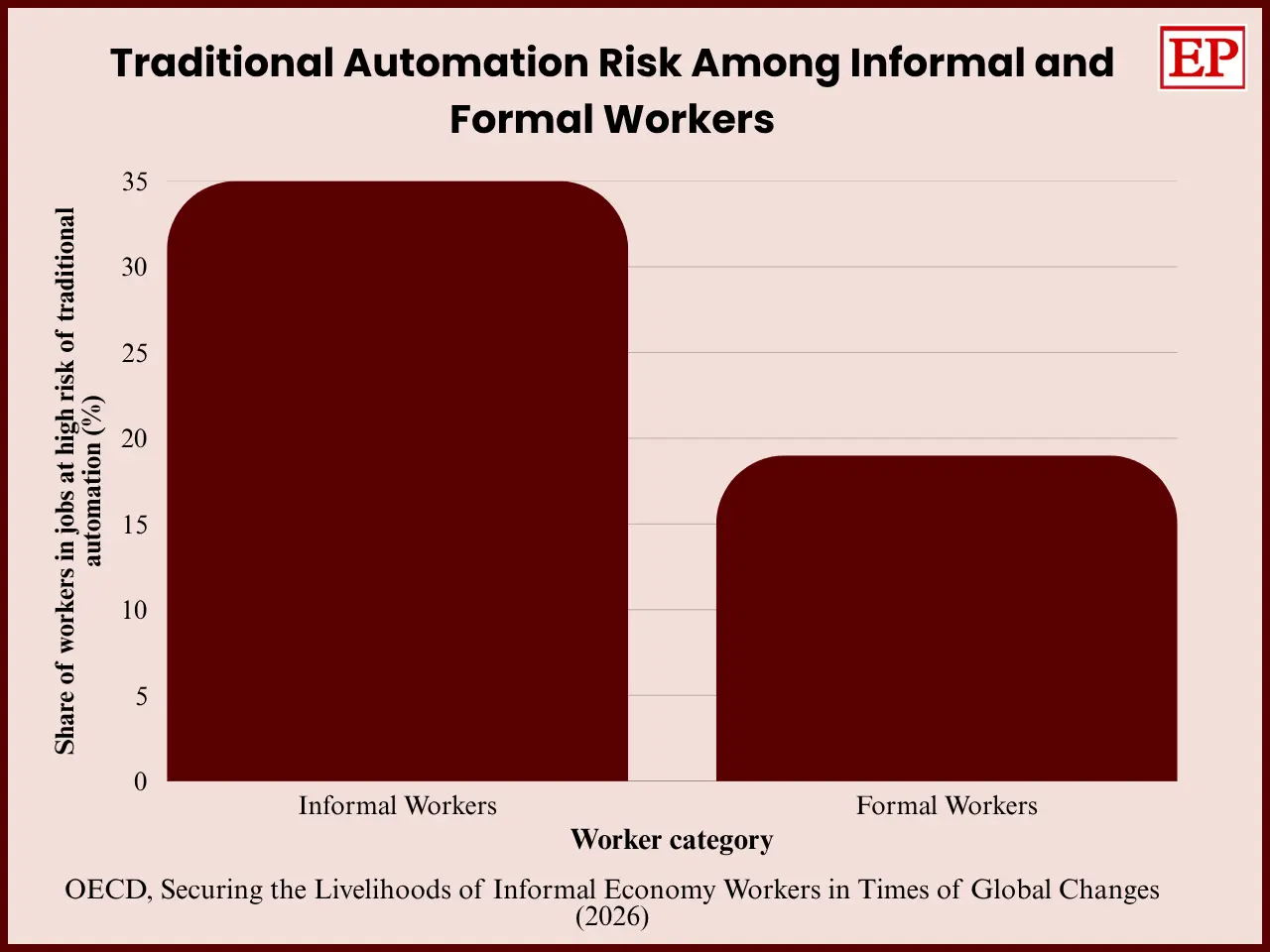
Informal workers are at risk from insufficient pension protection, automation, and climate change, said the OECD yesterday, urging governments to bolster social protection, invest in skills, and promote decent, secure work.
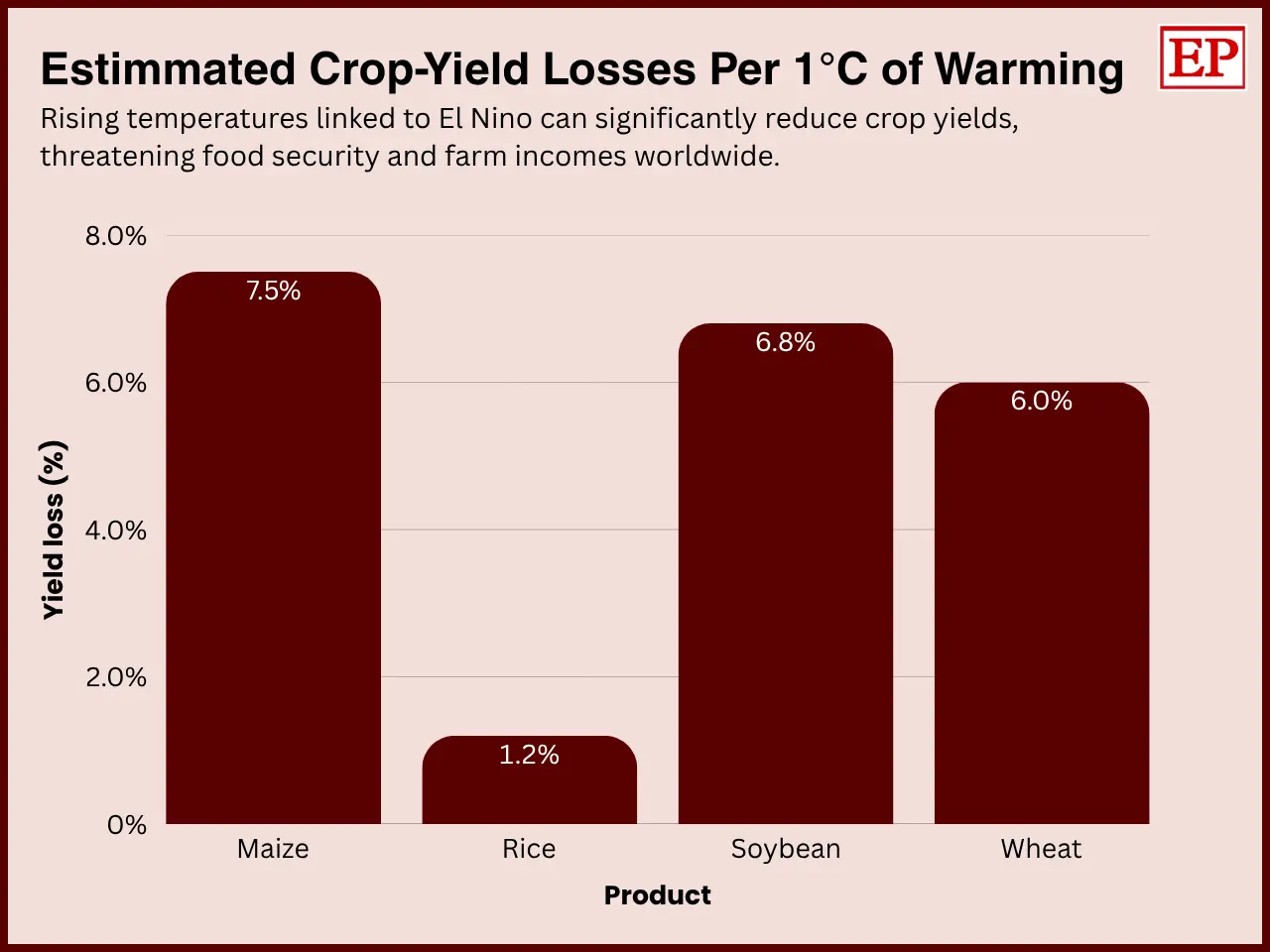
Strengthening El Niño and forecasts of above-normal temperatures across much of the world are raising concerns over agricultural production and global food security. Higher temperatures and changing rainfall patterns can increase the risks of droughts and floods, damage crops, reduce pasture availability and disrupt farming activities.

Hedge funds help markets function, but borrowed money and crowded trades can turn them into shock amplifiers. The most widely held stocks are 10 percentage points more volatile in stress, so regulators need clearer data on leverage.
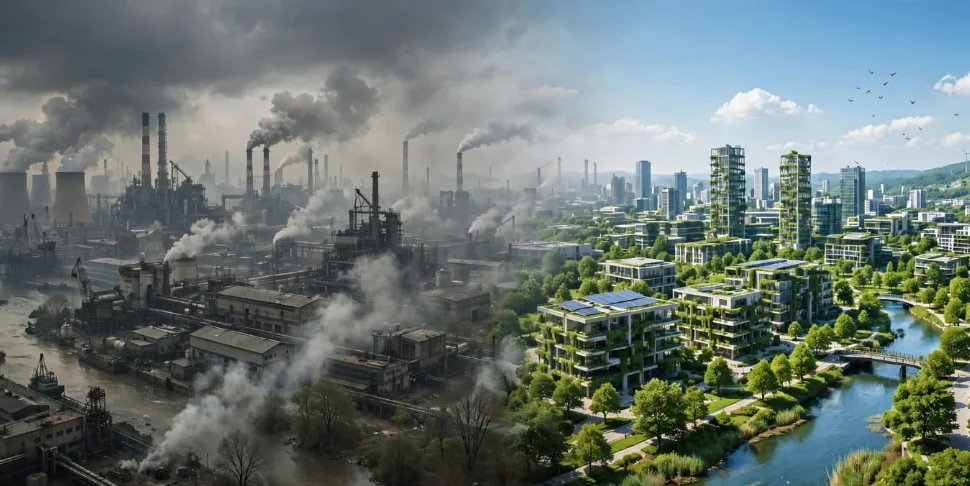
Air pollution kills 5.7 million people yearly and costs nearly 5% of global GDP, but integrated policies could cut deaths by 35% and unlock up to $2.4 trillion in economic benefits by 2040.

At the World Economic Forum's Summer Davos in Dalian, World Bank data shows China's total goods and services exports at $3.77 trillion, up from virtually nothing in 1980. Renewable energy exports hit 68GW in March 2026 and EV exports reached $9.1 billion monthly, up from under $1 billion in 2022. Yet retail sales growth was just 0.2% year-over-year in April 2026, the lowest since 2022. China targets 5% GDP growth in 2026 as it balances dominance in manufacturing and clean energy with slowing domestic consumption.
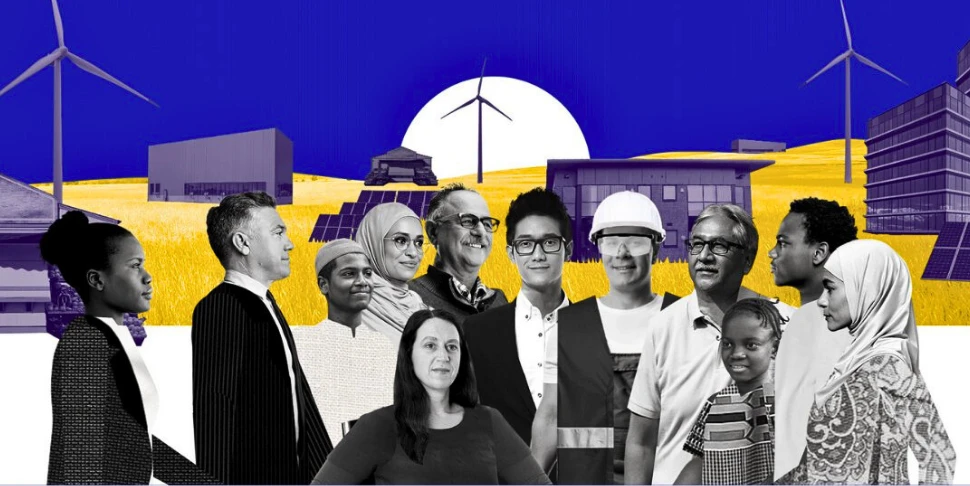
The world bodies like the International Labour Organization (ILO), World Bank, and World Economic Forum (WEF) have come up with detailed figures that show the potential as well as the obstacles of investing investment into good employment opportunities in the world. The ILO in its World Employment and Social Outlook Update 2025 has reduced its expectations to create 53 million new jobs from the initial projection of 60 million new jobs in the world.
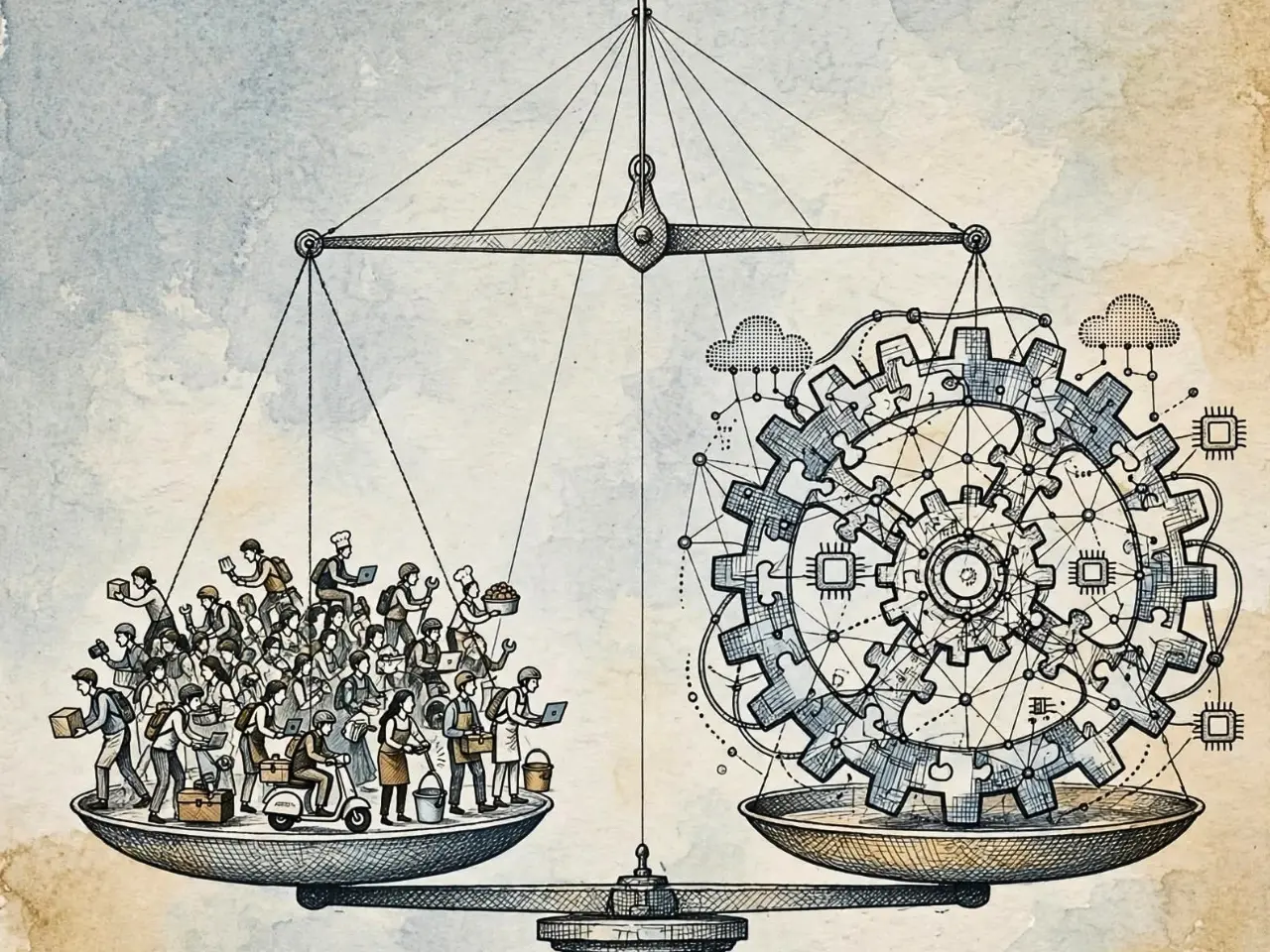
Traditionally, work was mostly linked with stability, having a stable job, predetermined working hours, a fixed income, and, most importantly, access to employment benefits and security of job.
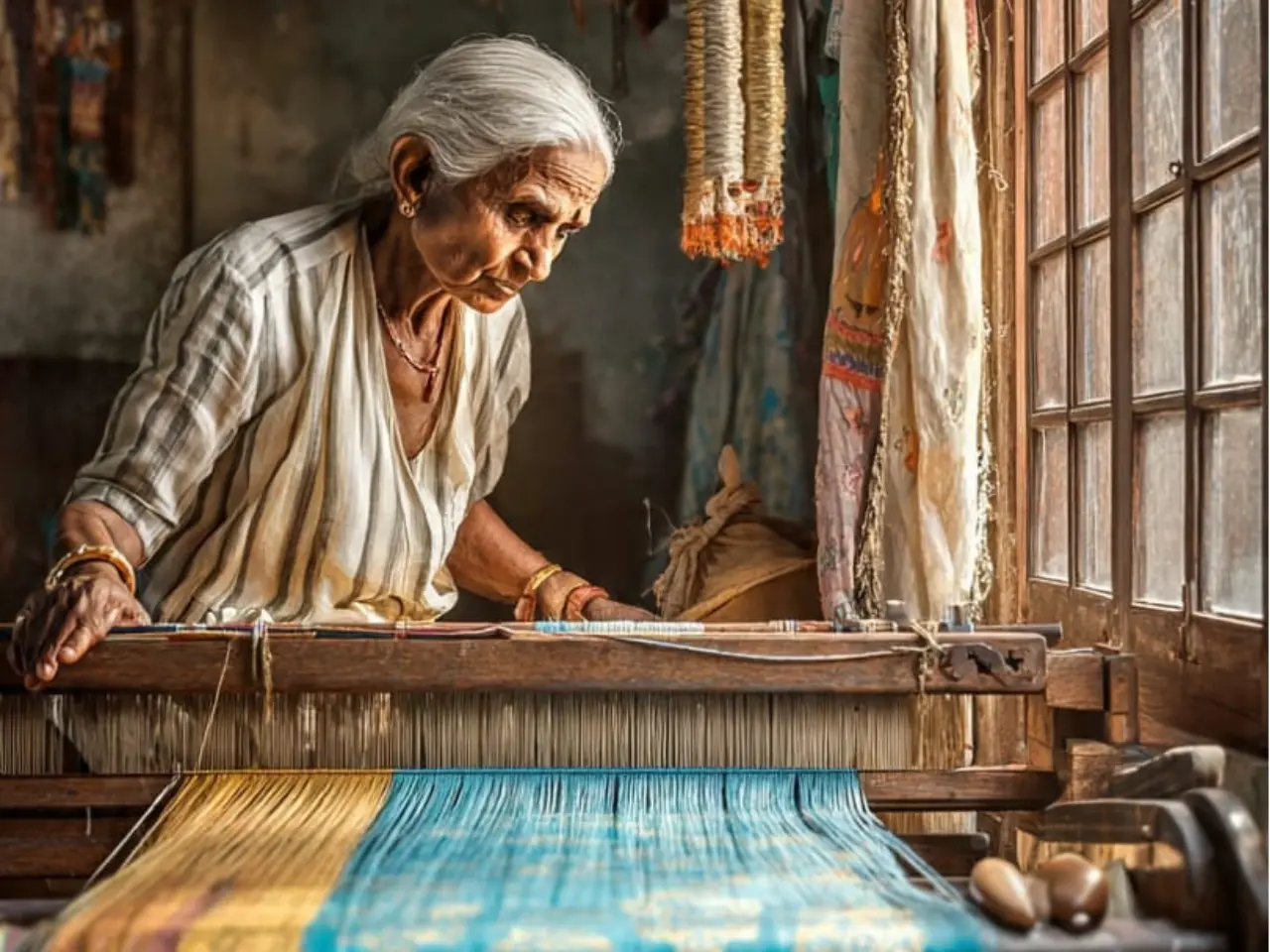
India’s handloom exports are booming globally. Discover how govt schemes like NHDP, India Handloom Brand & GI tags are helping weavers reach international markets with sustainable products.
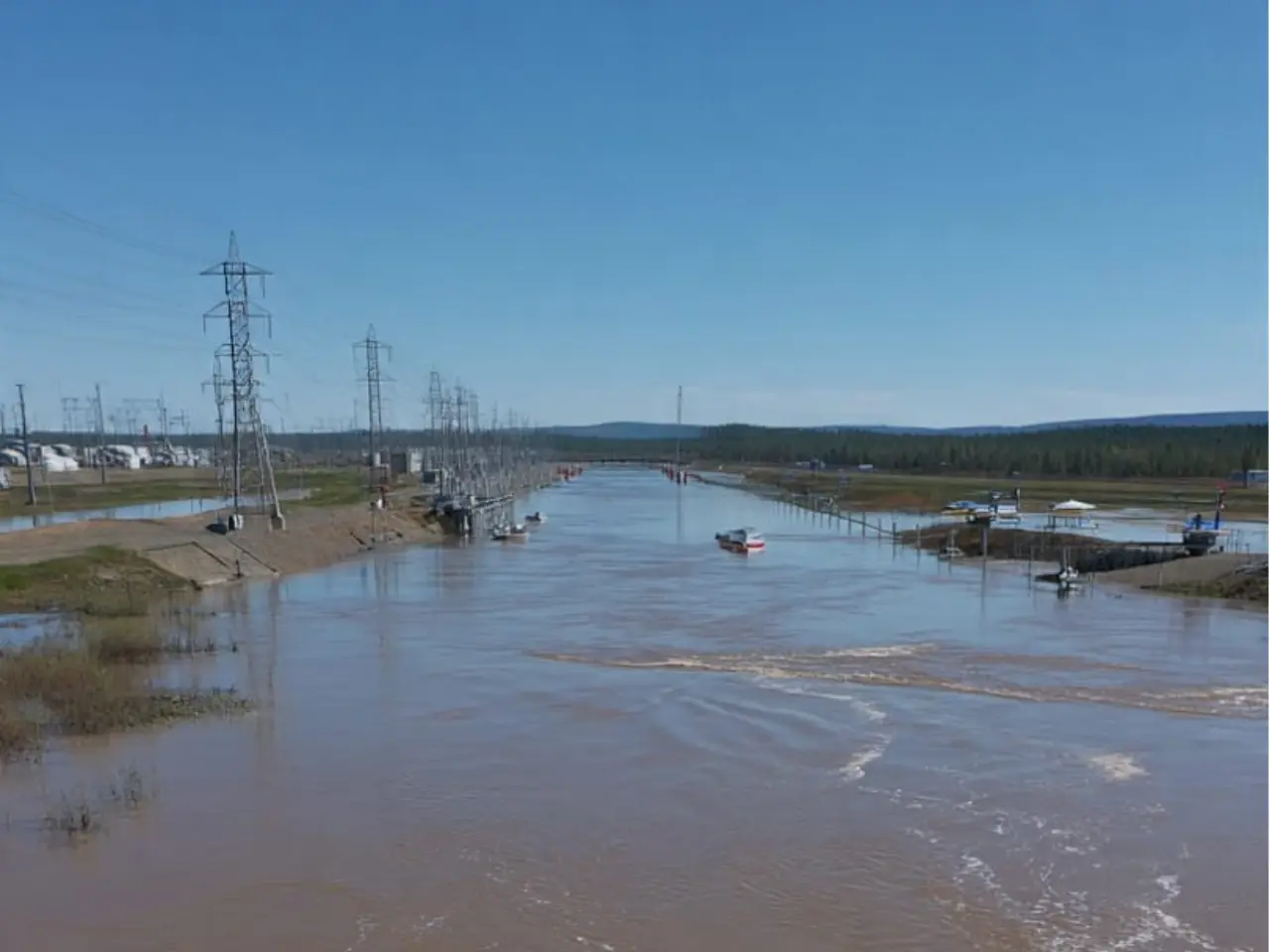
Water crosses borders. Learn how UNECE & UNISDR’s guide uses IWRM and DRM to manage floods, droughts & climate risk through cross-border cooperation and early warning.