Rising power demand is driving a comeback
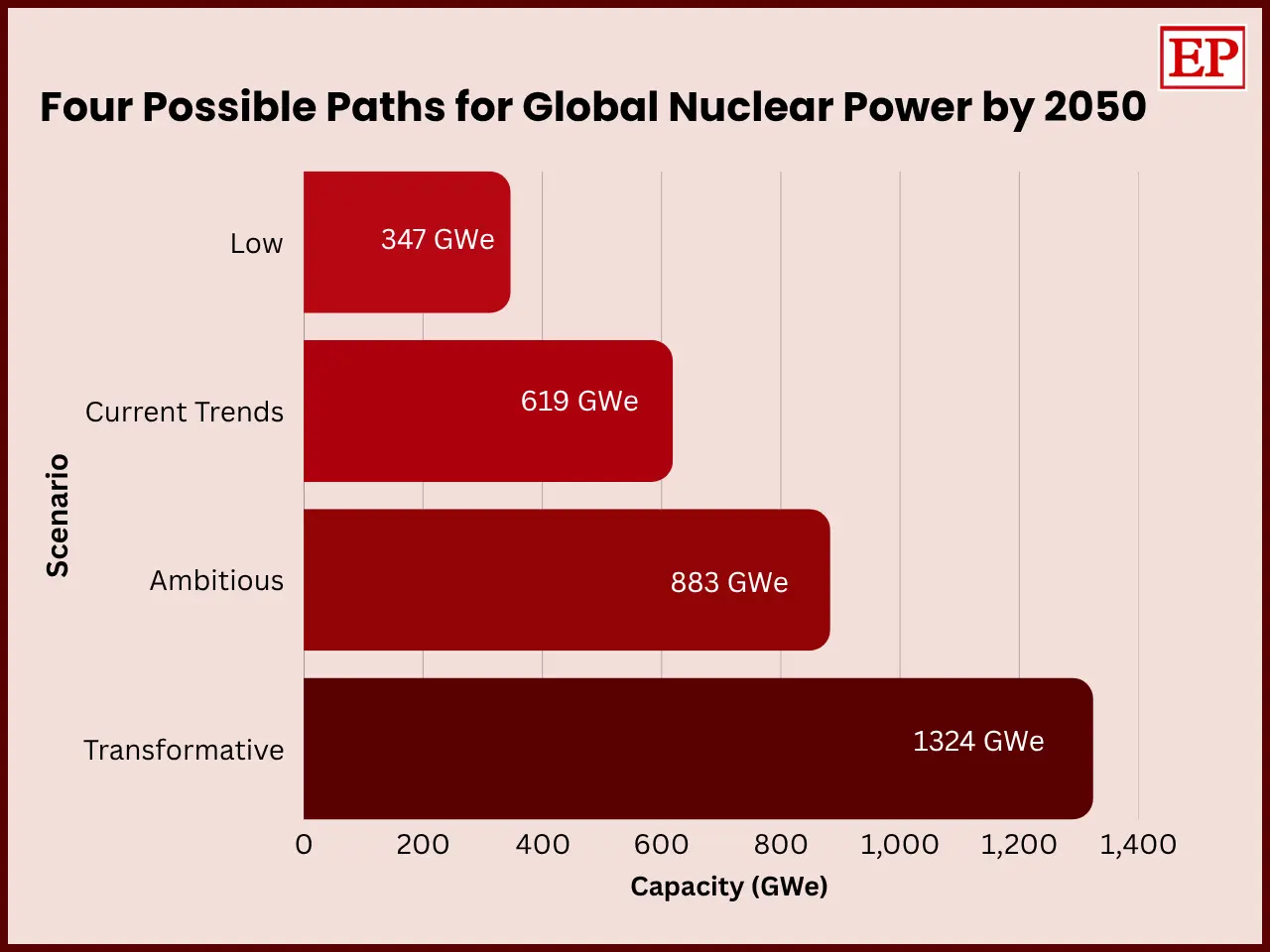
A comeback in demand is driving power up in its hierarchy of importance in the world, and the International Energy Agency thinks so too, by forecasting that nuclear generation will be at a new record in 2025 (IEA), and as a result there is a world push toward tripling it by 2050. Whether or not this target is just a hope and not a fact: the Nuclear Energy Agency's new forecast shows that we may have three totally different possible futures. In the low scenario, nuclear capacity will shrink to only 347 GWe as reactors retire but will remain around this figure under most assumptions of little new construction. Our momentum might see capacity increase to 619 GWe, while strong efforts could take it to 883 GWe, while it would take only a transformative scenario at 1,324 GWe to push global capacity to much greater than is needed to triple total generation capacity (NEA).
The bottleneck is becoming economic
Reaching the scenarios requires much more than just approving new reactors for construction. Nuclear power plants require large investments, long construction periods, and financing that can offset the delays and cost overruns. The IEA reports construction, financing, and project implementation as areas of concern for the nuclear expansion currently underway (IEA).
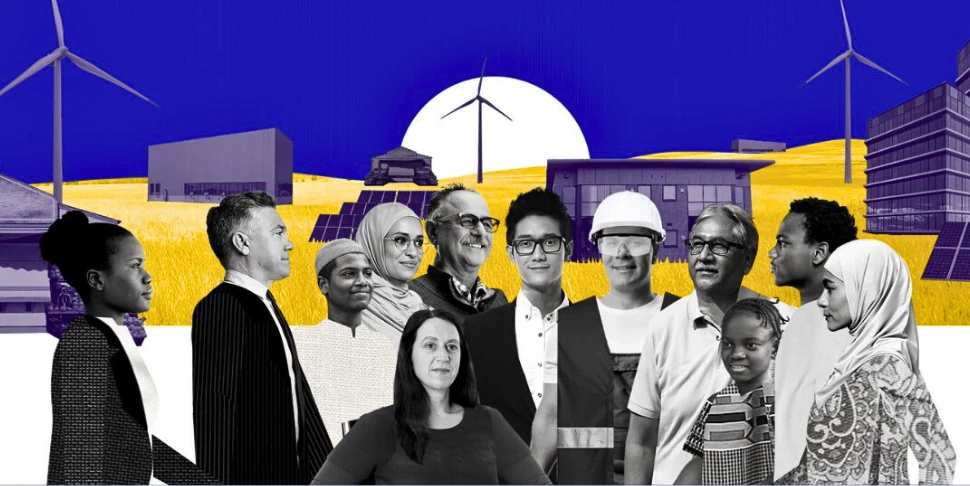
There is also a workforce problem. A larger nuclear industry would need engineers, skilled construction workers, technicians, regulators, and specialists who can maintain a complex supply chain. The NEA identifies workforce needs, industrial readiness, supply‑chain capacity, and investment frameworks as conditions for turning ambitions into actual projects. (Nuclear Energy Agency (NEA))
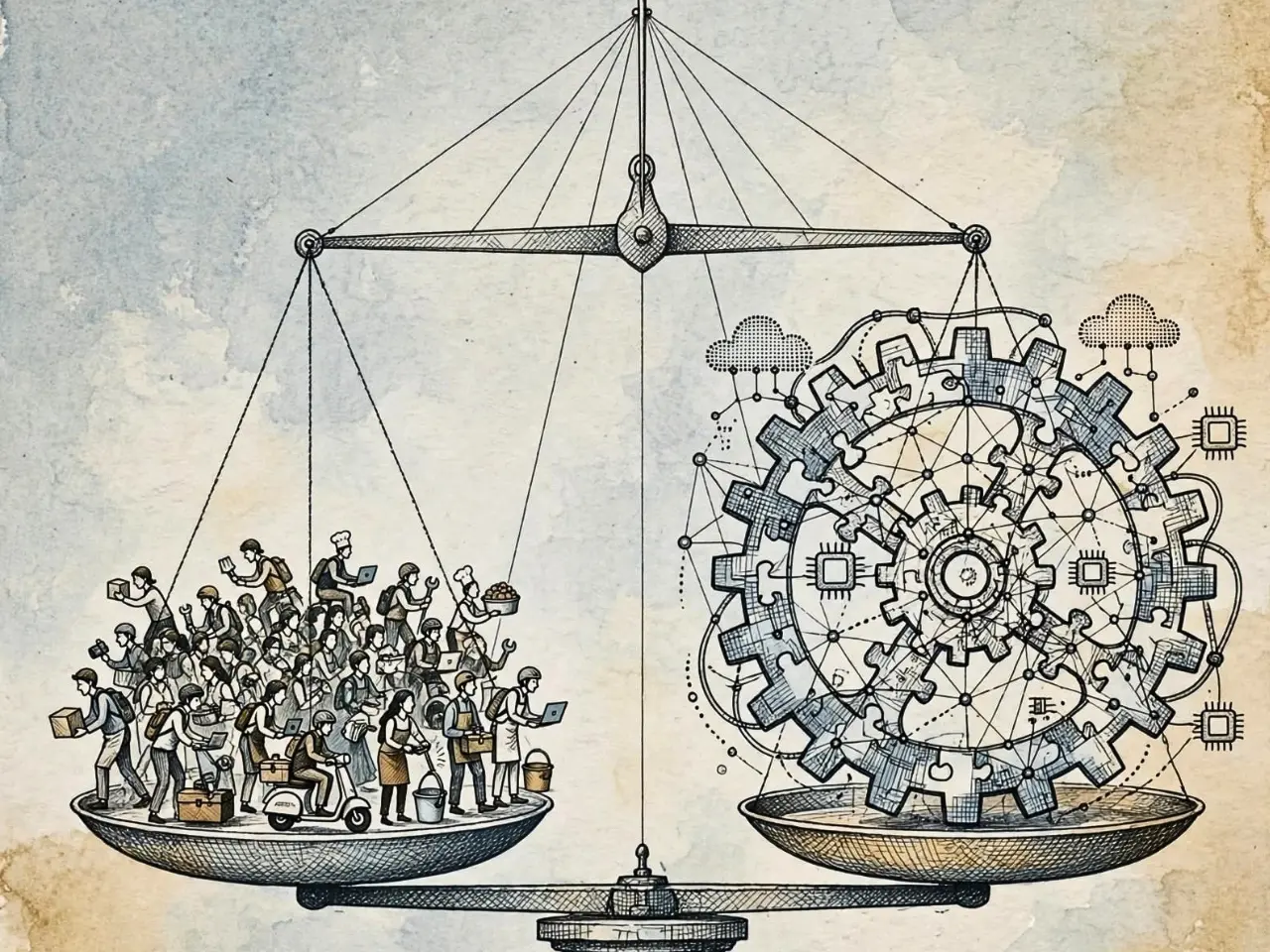
The question facing governments, therefore, is no longer simply whether the world wants nuclear power. It is whether the global economy has the money, people, and industrial capacity to build power.