Economic progress is narrowing the gap
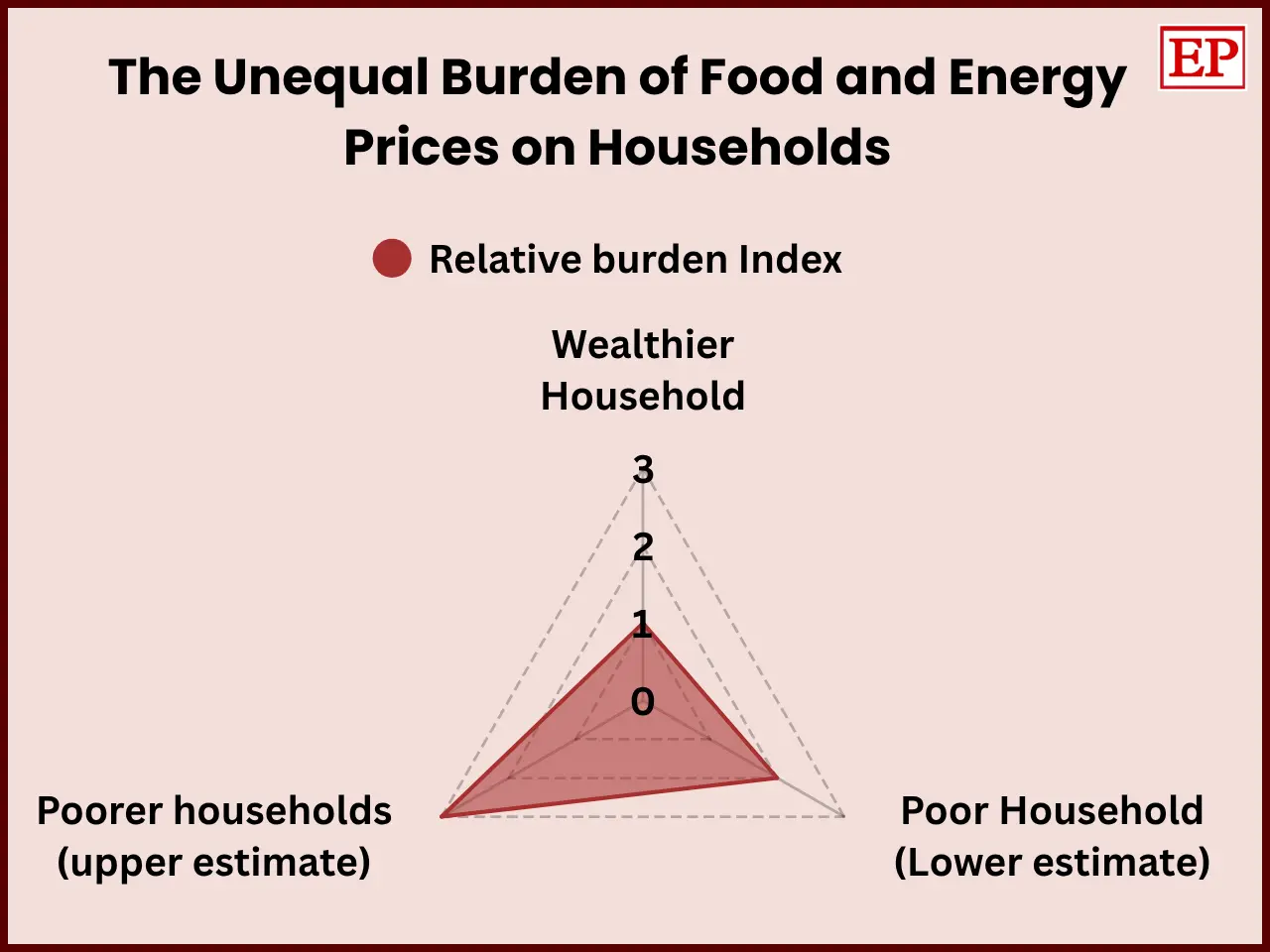
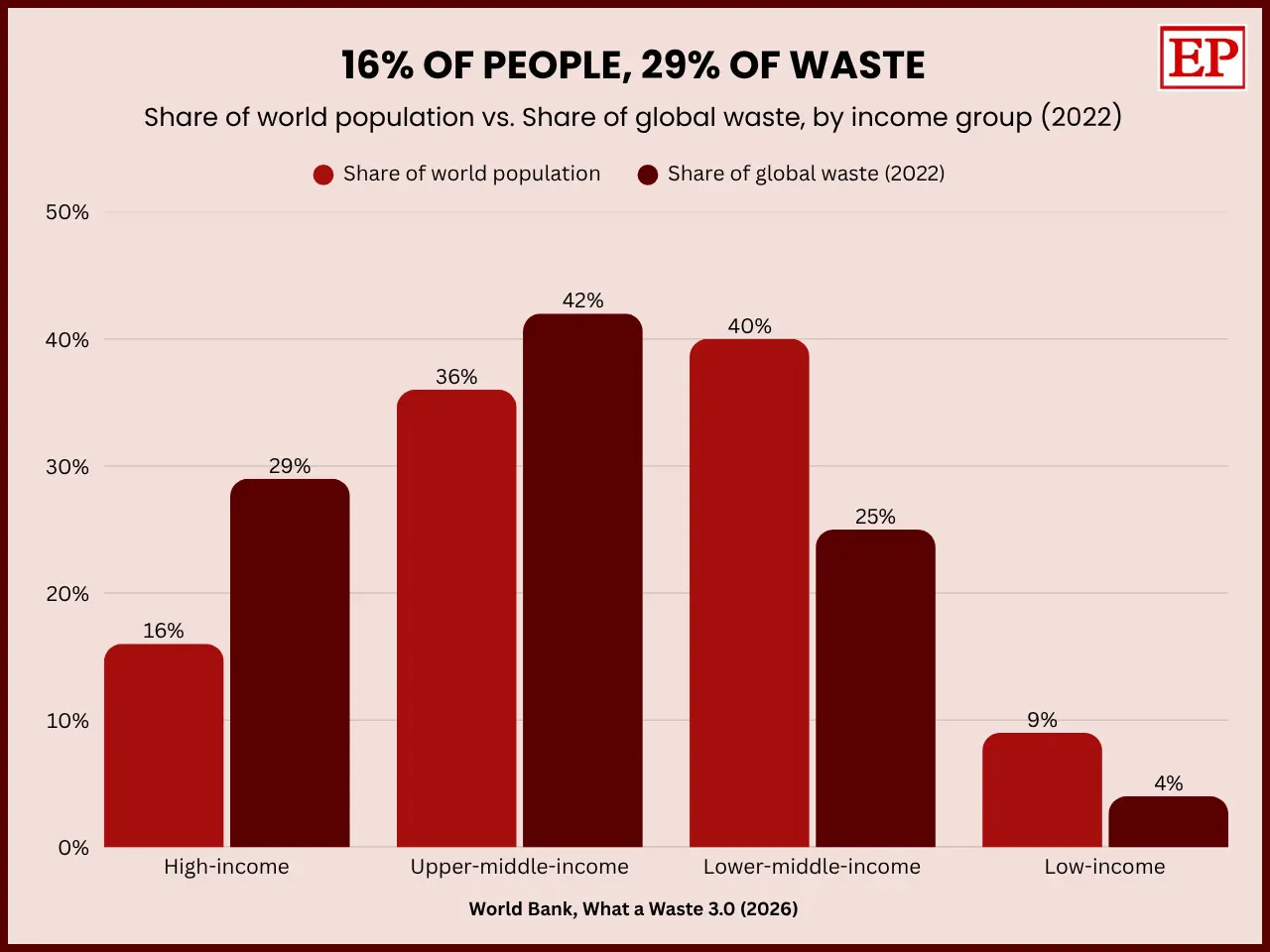
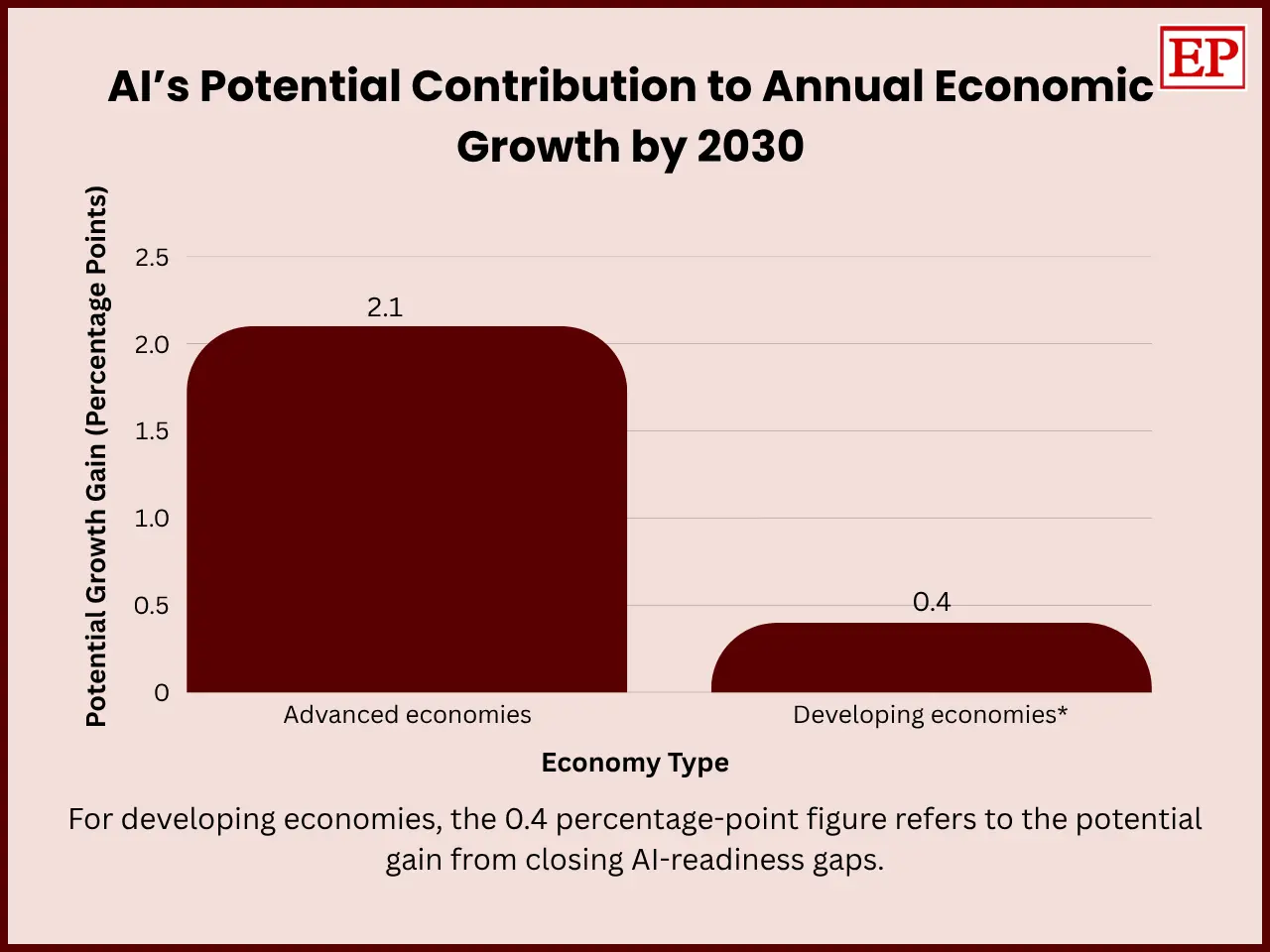
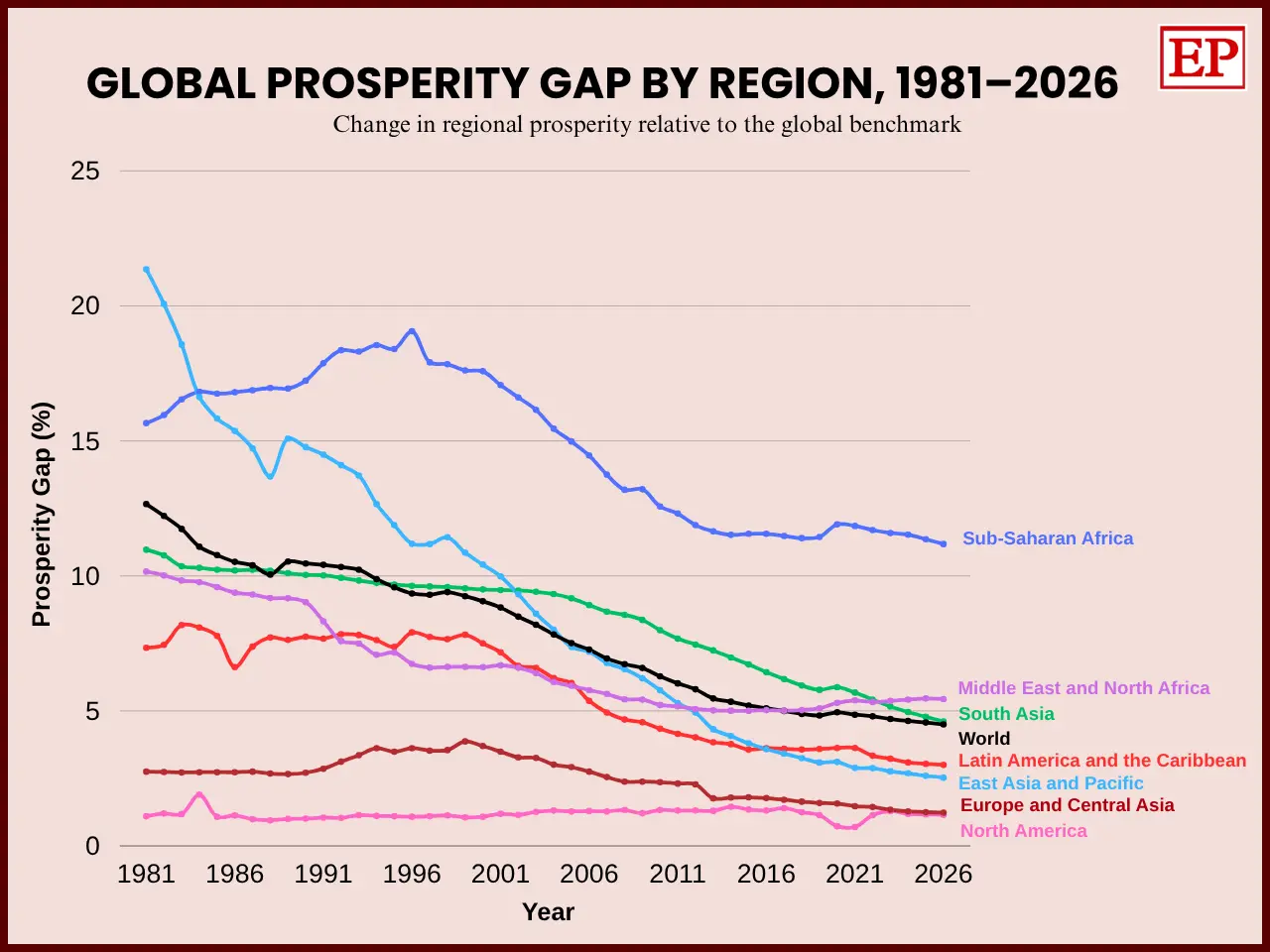
Global living standards have improved a lot over the last four decades, but not everyone and every country has benefited as much as possible from economic growth. The global Prosperity Gap—an indicator of how far a country’s income per person falls from the $28-per-person threshold that would represent reasonable basic living standards—has fallen significantly from almost 13 in 1981 to 4.5 in 2026. This suggests widespread improvement in living standards as economies with lower average incomes steadily catch up. By looking at both income and inequality, this indicator measures how close and how many people are to the prosperity threshold, unlike metrics focusing solely on inequality or the income growth of the bottom 40%.
Regional divides remain a concern
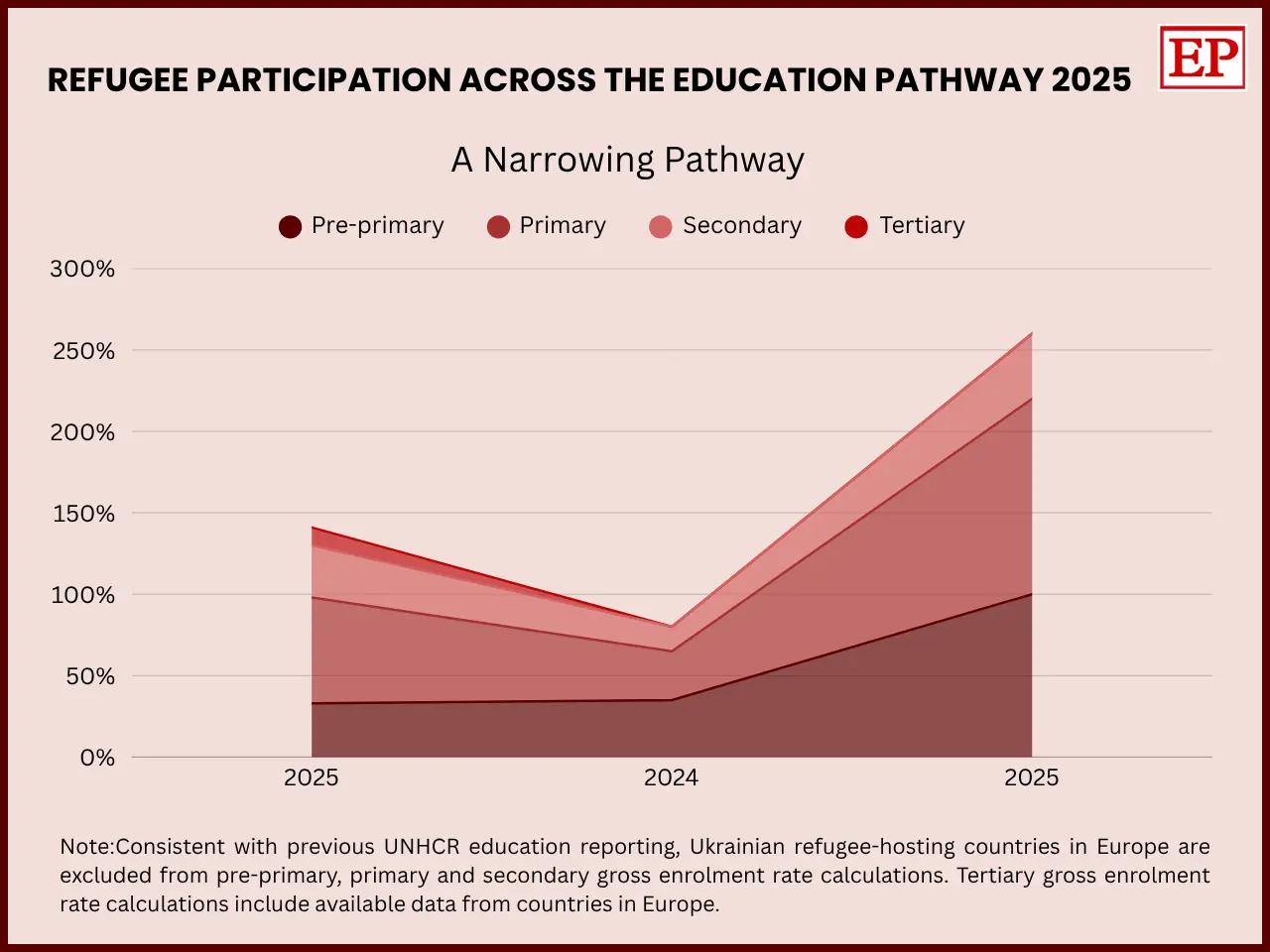
Not everyone has progressed, however. East Asia and the Pacific, the region where one of the greatest gains has occurred (a reduction of the Prosperity Gap from 21 points in 1981 to 2.5 in 2026), compares well with a far grimmer situation in the Middle East; the North Africa, Afghanistan, and Pakistan regions; and also the sub-Saharan Africa region, where most of the progress stalled in the last decade. This stark comparison reveals a core question that needs to be addressed in development economics, namely that poverty reduction is not equivalent to growth, which is widely inclusive; sustained growth along with inclusive distribution of income, therefore, continues to be fundamental in enabling poorer regions to reach current living standards globally.