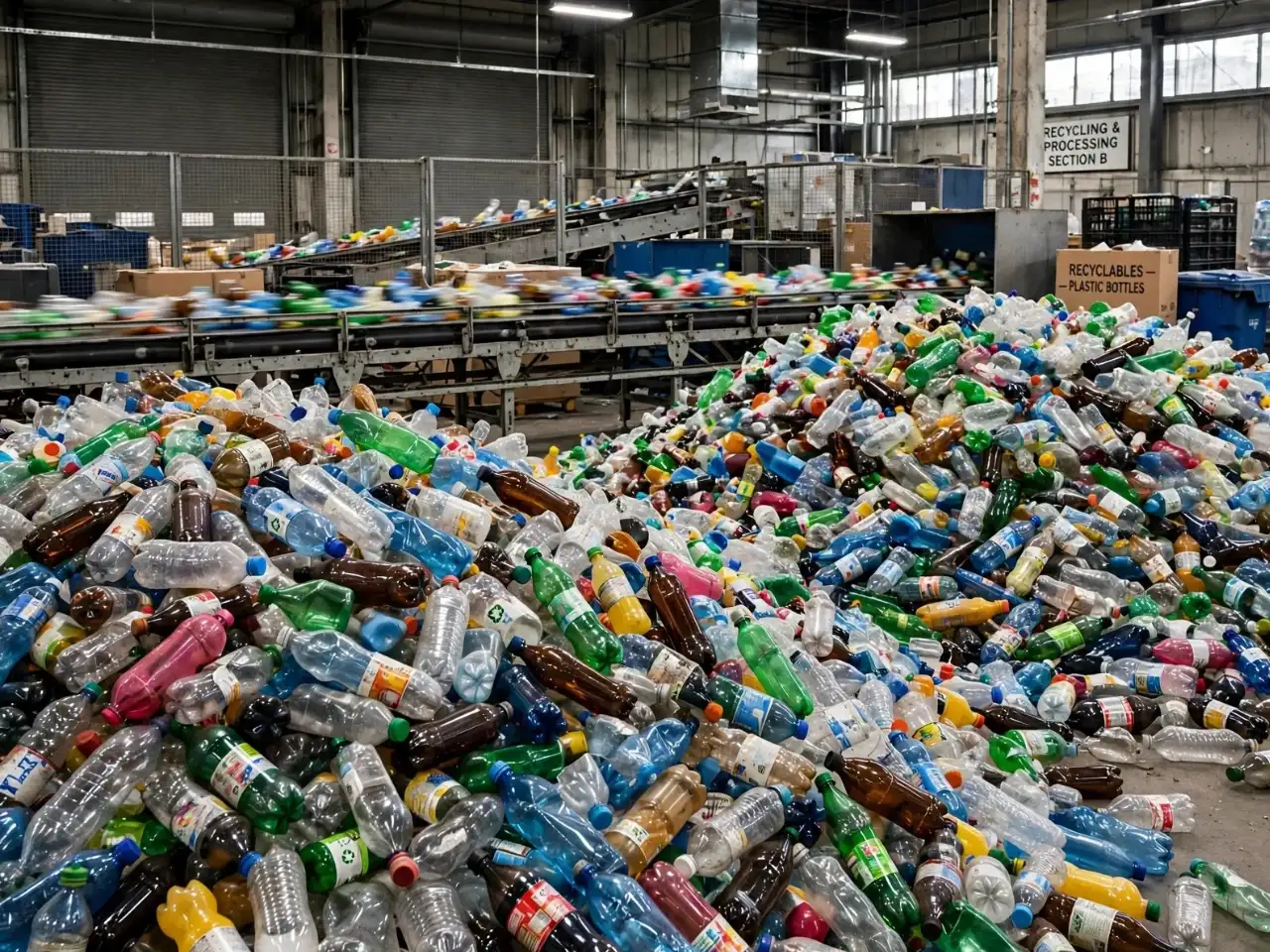
The FAO is ramping up and alerting. Soil, animals, and humans are interconnected in the ecosystem via irrigation pipes, microplastics in animal species, persistent, contaminated food and packaging, etc. Microplastics and other chemicals (PFAS or per- and polyfluorinated substances) are absorbed by plants. These chemicals are called ‘forever' chemicals and persist and do not degrade easily in the environment.
Scaling
Agriculture alone: 13.4 million tonnes per year, 37.3 million tonnes for food packaging and 2.1 million tonnes for fisheries and aquaculture. Plastics contain more than 16,000 chemicals, and 1 out of 4 are deemed to be hazardous. There is much more microplastic in agricultural soils (93% of agriculture is on land) than in oceans. Over 1,300 species of animals have been detected with microplastics in their bodies. Microplastic contamination has been detected in livestock products such as meat, milk, and fish.
Climate crisis
Microplastics and associated chemicals such as PFAS and phthalates can be taken up by the roots of plants into edible parts. Mulch films are used to boost yield in dry environments, and greenhouse covers are used to lengthen the growing season. If there were no alternatives, plastic removal would lead to a decrease in food production.