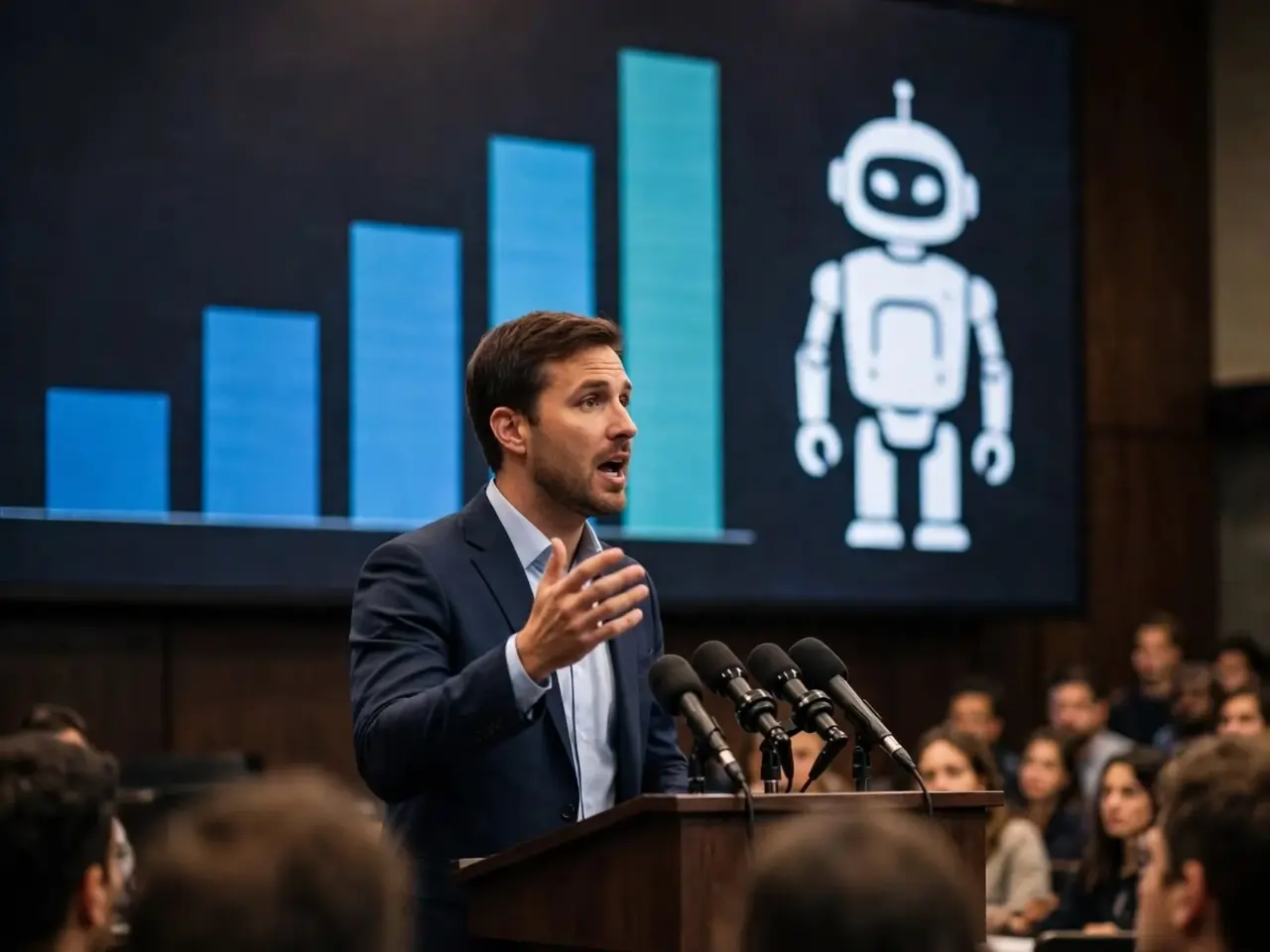
Can artificial intelligence boost economic growth? Nobel laureate Philippe Aghion thinks so. Aghion, who won the economics prize in 2025 for his work on creative destruction, explained in a recent interview how new innovations build upon old ones and replace them. "Creative destruction" is the process whereby new innovations build upon old ones and replace them.
How can AI increase growth?
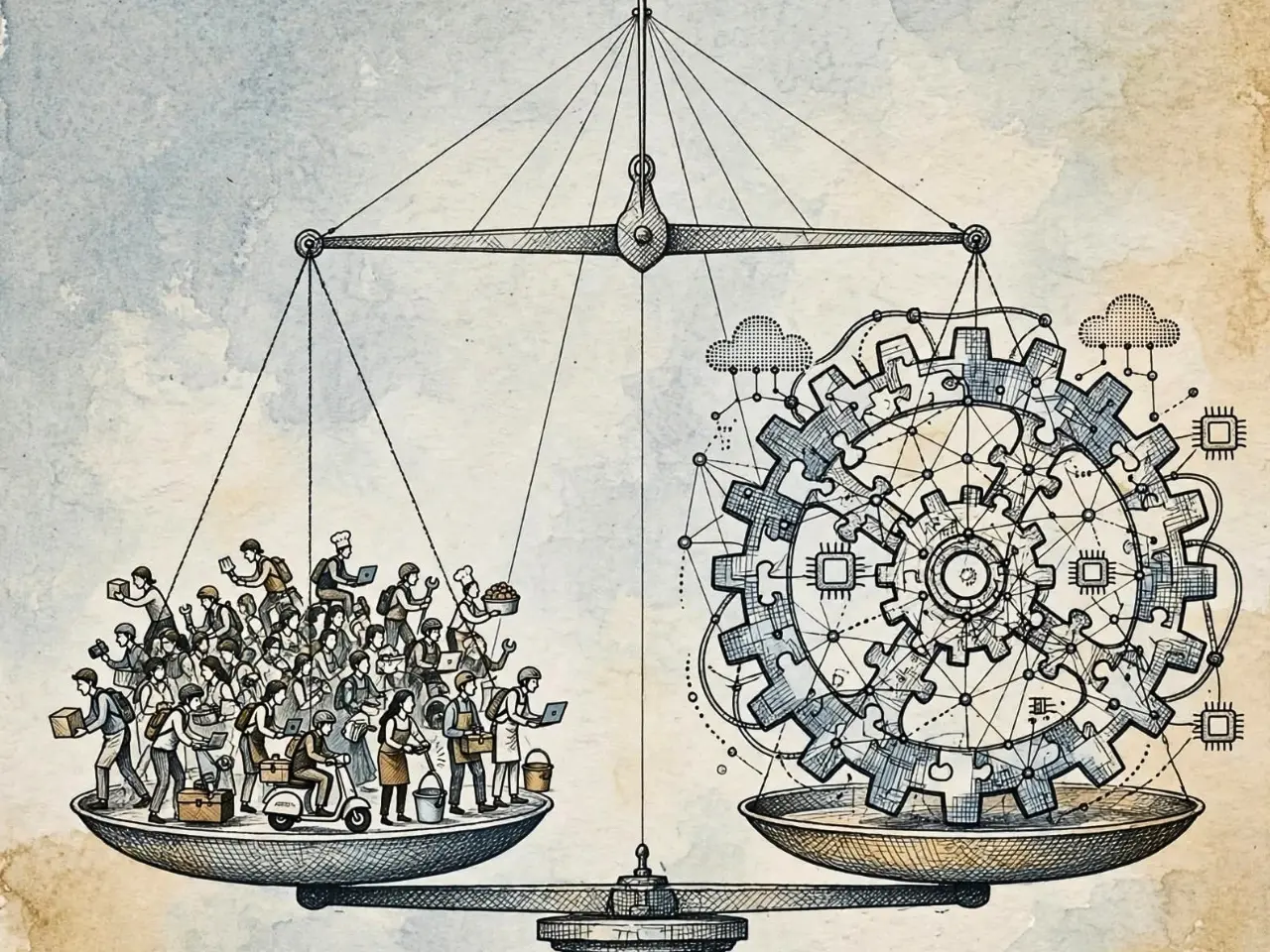
There are two simple reasons why AI will increase growth. Firstly, it can automate tasks. By using machinery and computer power, firms can replace rare human skills with something that is easier to scale up. This will make the production of goods and services much easier. Secondly, AI can create new ideas. Many new ideas can be created by using existing ideas in new ways. AI helps do this on a large scale. For example, AlphaFold is an AI tool that helps create new proteins. This revolutionary change in medical science has the potential to overcome many illnesses at a much faster rate. Aghion also believes creative destruction is not going to die out; it will instead become faster and more pronounced in the AI era. Today’s tech giants may not remain on top.
What could hinder societies?
There are several limitations. Firstly, a lack of skilled workers. Secondly, a poor competition policy. If the market is dominated by a few large firms who will not share data and will prevent new entrants, then it will be difficult for new ideas to enter the market. Lastly, there is a lack of computing power in Europe. They need to use intelligent industrial policies to invest in this.
Lastly, there will be job losses. Some jobs will lose most of their tasks to AI. Aghion notes that AI could cause similar or more significant job losses than previous industrial revolutions. However, firms using AI become more productive and therefore more competitive. This creates an increase in demand for their products. This creates jobs. New ideas will create new types of jobs. Therefore, labor market policies should be used to help workers transition between jobs. The main issue is the speed of AI. It is much faster than institutions can keep up with.
Managing the Technology
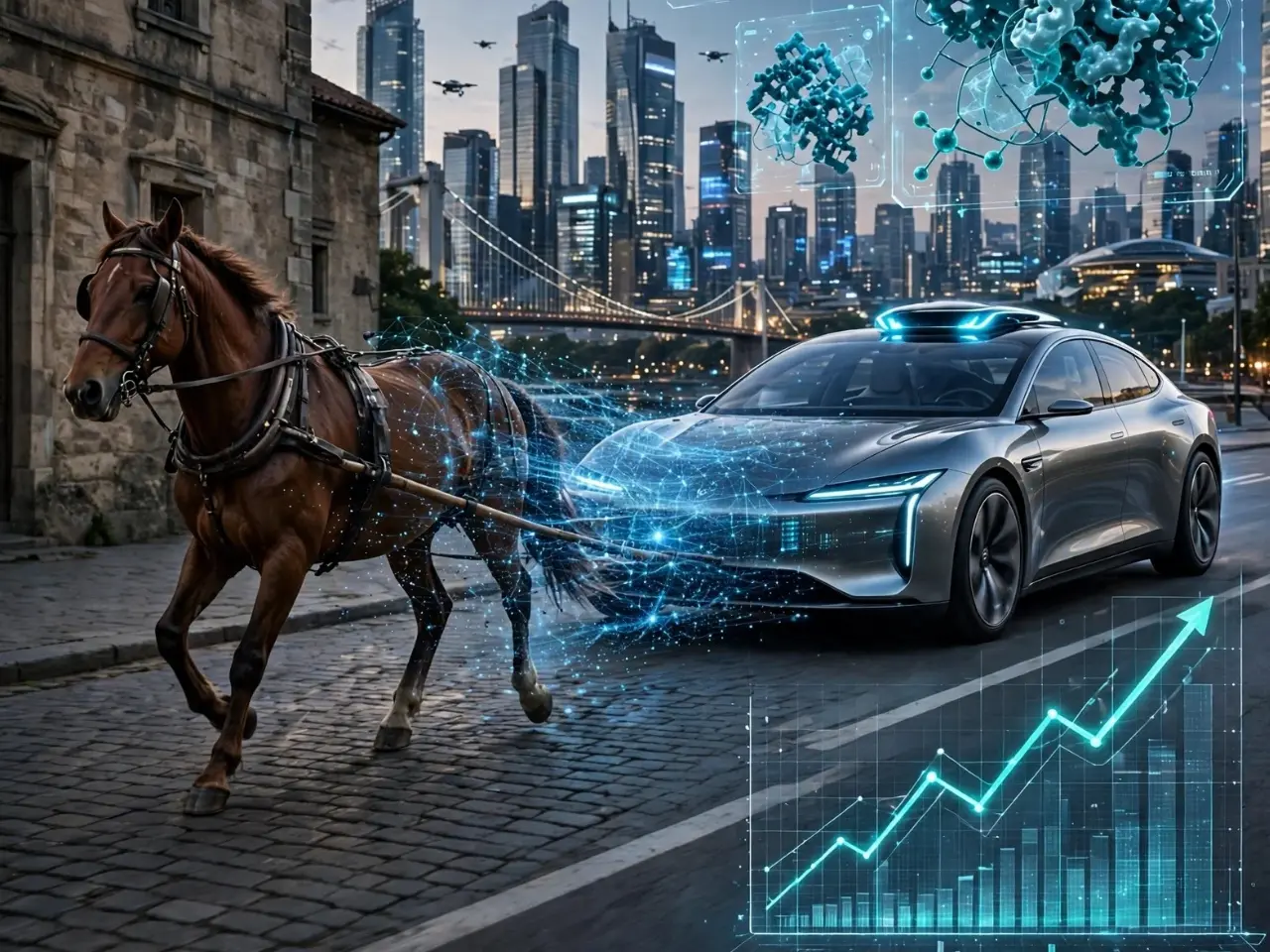
Aghion compares the technology revolution to a horse; if you know how to ride it, then it can take you anywhere you want. There are 4 key points he mentions: good competition policy, smart industrial policy (computing power), a strong education system, and labor market support.
He gives a clear message around employment. He believes manual jobs will be more resistant to AI; therefore, societies should invest in these. He also wants to reward firms who invest in developing their employees’ soft skills such as being proactive and working well with others.
The worst-case scenario is mass unemployment due to labor not adapting, as well as negative AI such as fake humans and causing wars. Humans must remain in control. The best-case scenario is AI helping to solve cancer and other major diseases, meaning people live longer, healthier lives and have a higher standard of living. Overall Aghion is an optimist. He suggests that major countries and firms should regularly meet through a multilateral organization like they did with nuclear energy to prevent the worst risks.