Governments Move Beyond Subsidies
Countries are adjusting their responses to the global energy shock caused by the Middle East conflict, as elevated energy costs persist and place a significant burden on the public, consumers, and companies. As the IMF reported, countries initially relied almost exclusively on tax cuts, transfers, and subsidies to shield consumers from higher energy prices.
The countries are becoming much more flexible when it comes to domestic energy prices as the shock persists but, meanwhile, are still rolling out policies to curb demand. The change is due to variations in inflation, public debt, borrowing conditions, and governments' capacity to provide financial aid.
Debt and Inflation Shape Responses
The IMF Global Policy Tracker, tracking over 1,200 announced measures in 175 economies, shows that economic authorities have adopted broadly diverging policy mixes. Countries with higher debt and more constrained financing conditions, in particular, have generally leaned more on energy tax pass-through than on expensive subsidies and tax cuts.
The general price increase has also had an impact on the instruments used. Higher interest policy rates and lending and deposit facility rates have been more common in countries that already had high inflation. "Foreign exchange reserves also had a role to play in providing a cushion for currency interventions and financial-stability measures." But other policy approaches have gained prominence in areas like demand management, including energy rationing and saving, and work-time reduction and telecommuting.
IMF Calls for Better Targeting
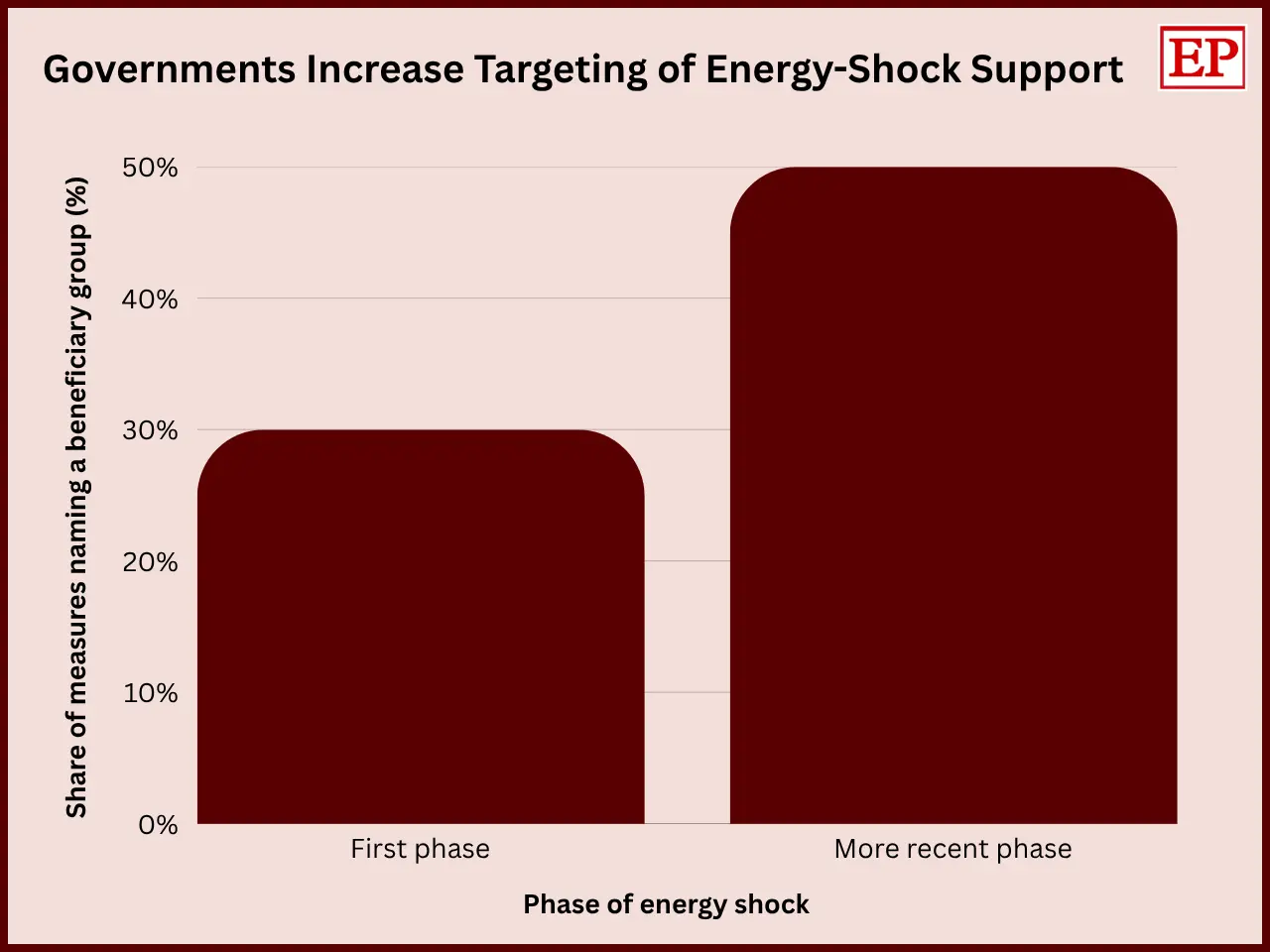
The International Monetary Fund says that higher fiscal and external buffers allow governments to be more flexible in navigating a long-lasting energy shock. But those with limited fiscal capacity need to be careful where they direct support.
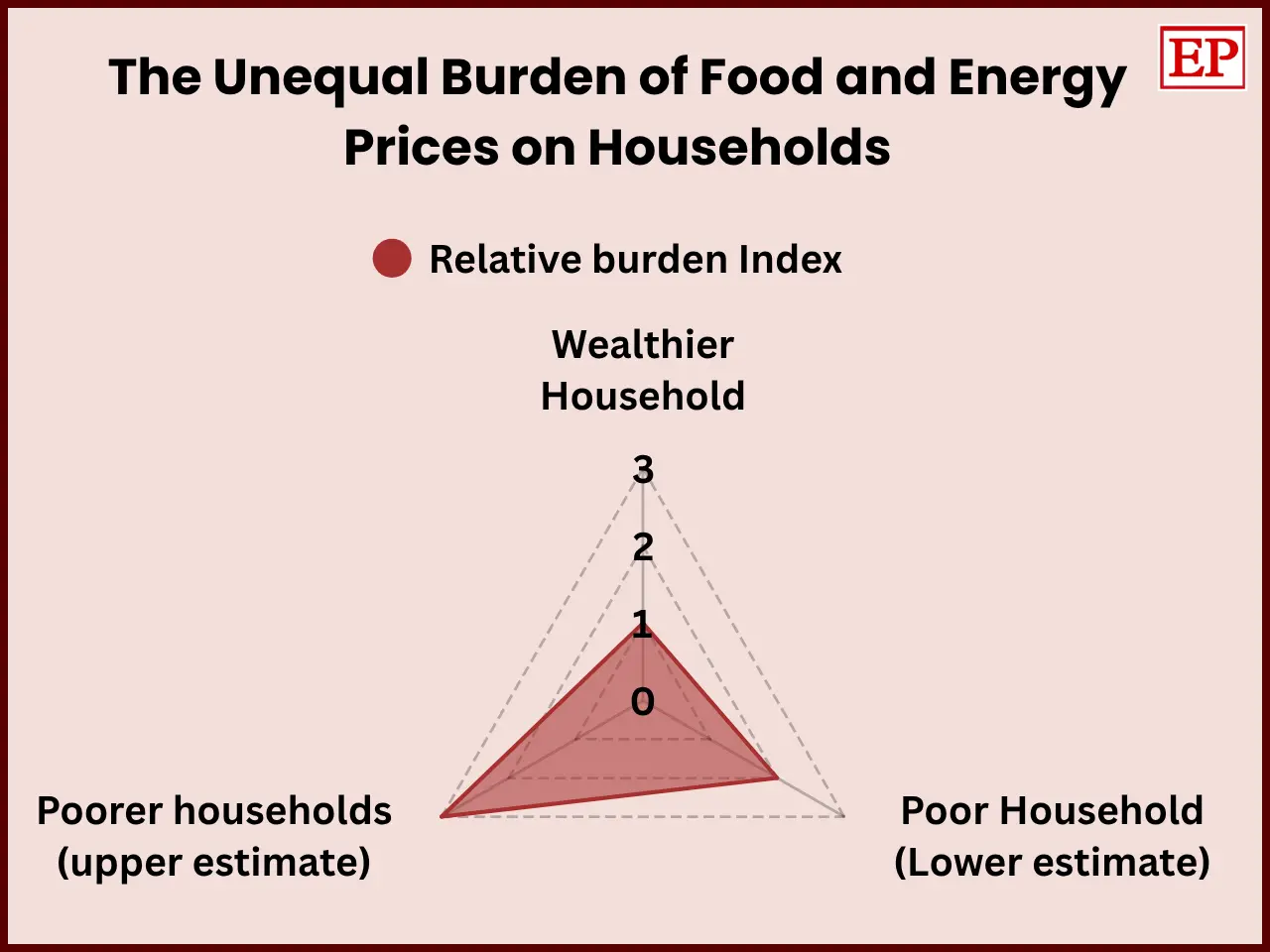
The targeted benefits for fragile households remain relevant, even as public debts rise significantly. The IMF points to a clear social register and payment system as tools that allow a government to efficiently target the support, deliver it to the deserving population, and save public funds.
Other policies should be well targeted, such as compensation schemes, to minimize not only distributional consequences but also market distortions. Flexibility in policies will be essential as the shock evolves and intensifies, the IMF adds. Real-time data and monitoring can help policymakers adapt their policies before the costs become too high.