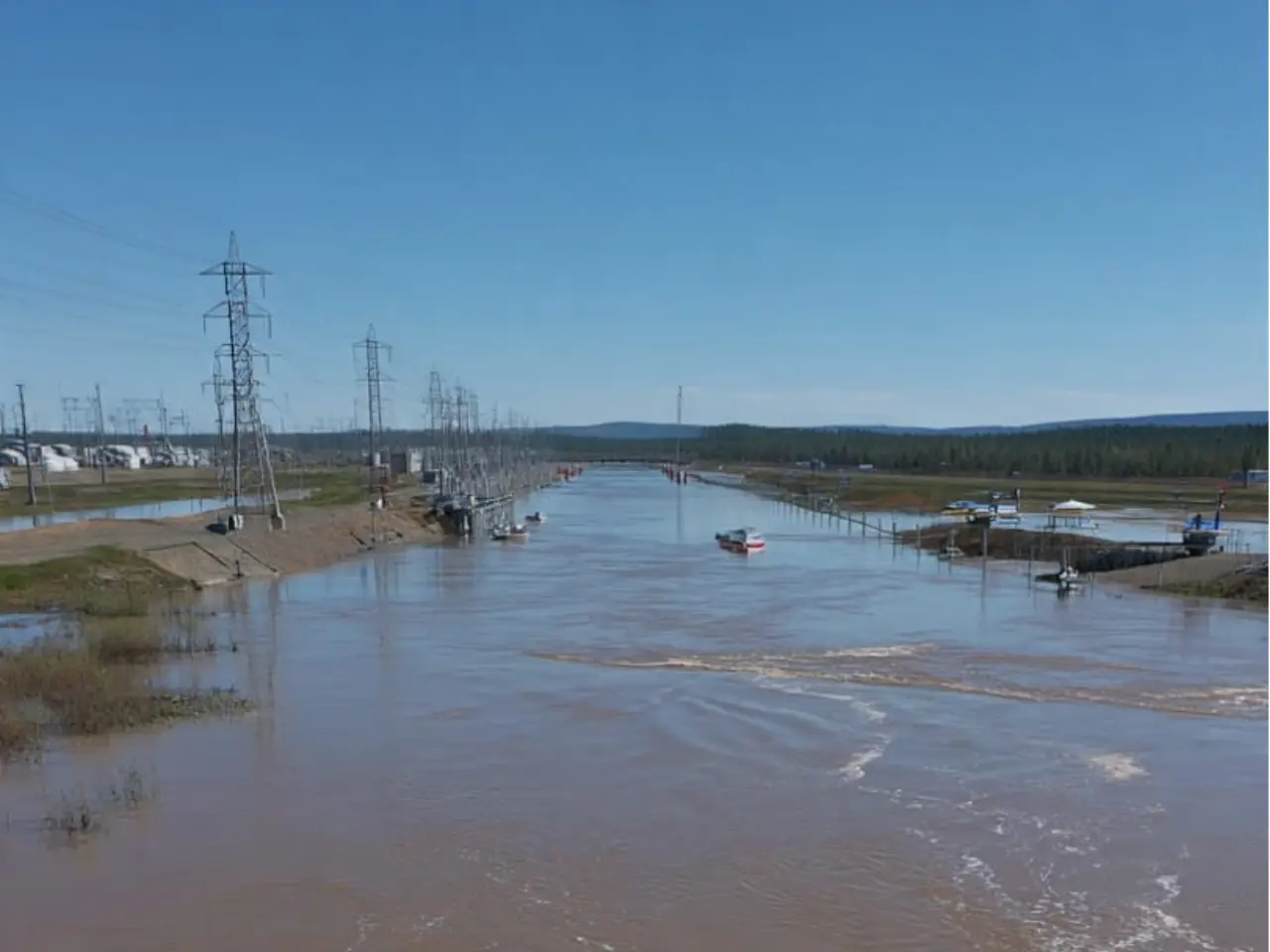
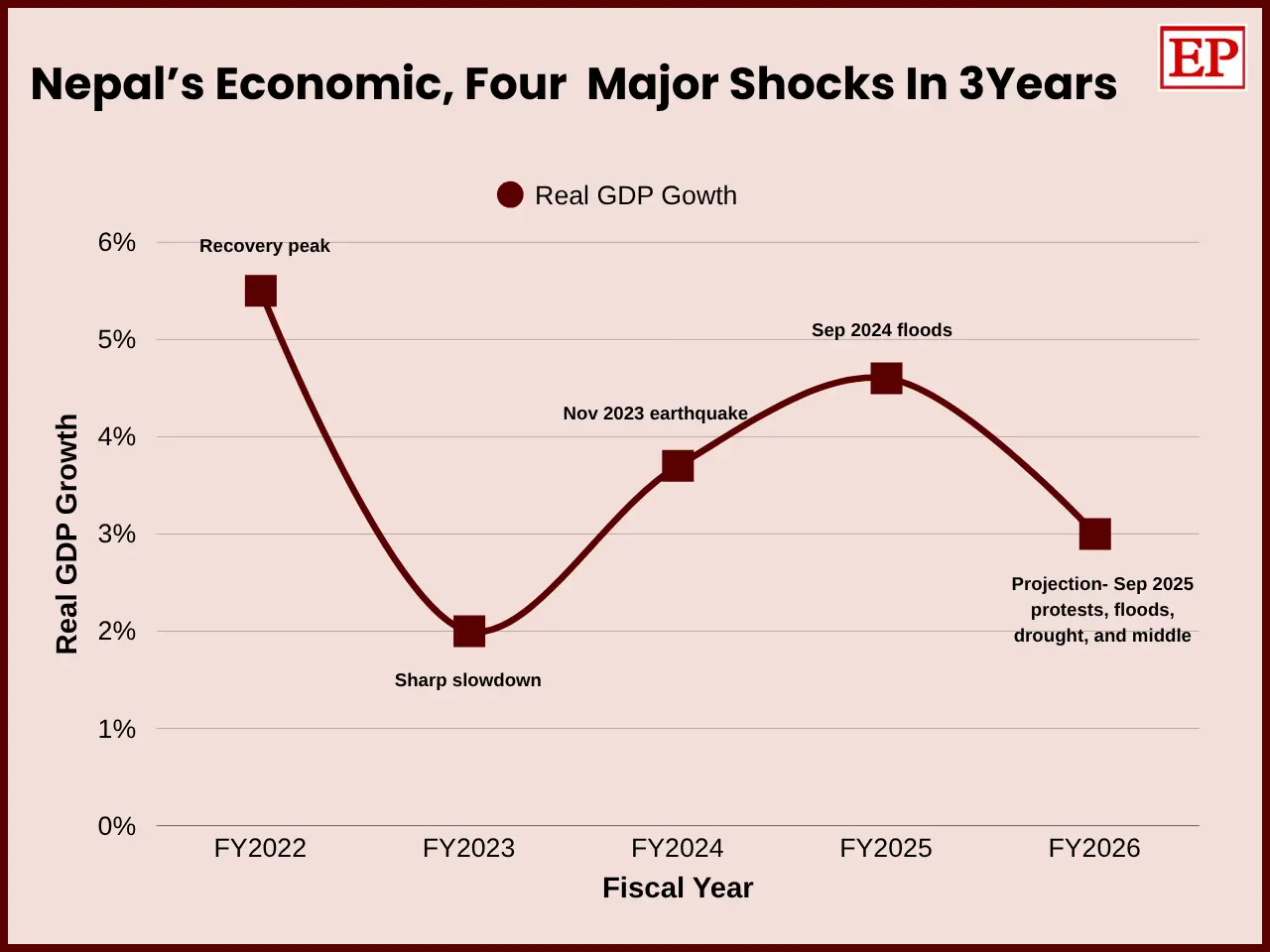
Nepal has weathered a long period of disruptions in the last 4 years—pandemic, major earthquake in 2023, severe floods in 2024, as well as social unrest and rising energy costs in 2025. All this while it implemented its first IMF-supported program in almost two decades, completed recently.
The positive turnaround is reflected in the figures; inflation was brought down to a much more manageable level from an average of 7.7 percent to 1.7 percent, the country's foreign exchange reserves were also increased to 12 months of imports from 9 months, and the government's budget deficit was also reduced, providing it with more breathing room in the face of a future shock.
Where to Next?
Modernized monetary policy as well as enhanced bank supervision and fiscal transparency were singled out as priorities in Nepal's economic reform ahead of a potential IMF program, but the focus also needs to be on attracting new private investments, said the mission chief of the IMF in Nepal. Jobs, the revival of the private sector, and improving the plight of vulnerable groups, including the savings and credit cooperatives, were also considered vital to the recovery process. While stability is the order of the day, Nepal needs to turn it into growth, and development that is inclusive of all households is what the country needs now.