Middle East Crisis Sent Natural Gas Prices Higher in Europe, Japan
The Middle East Crisis has led to disruptions in the supply of LNG from this region via the Strait of Hormuz, which has had an impact on global energy markets. Almost 20% of global LNG sources were temporarily interrupted, with the impact felt most in Asia and Europe, with natural gas prices in both regions hitting their highest level since the energy crisis of 2022-2023.
Spot electricity prices in the European Union and Japan averaged over 30% higher in the second quarter of 2026 compared to the same time last year and were still higher compared to the peak of the 2022-2023 energy crisis. Asian spot LNG prices have averaged more than 65% higher since the start of the crisis, and European gas prices have averaged over 50% higher. In electricity markets dominated by gas-fired power plants, these higher gas prices have resulted in higher electricity prices for consumers.
Not all regions were affected by the shock equally. Electricity prices in the U.S. were almost the same in Q2 2026 compared to the same quarter last year due to sufficient domestic gas supplies available to power plants, not linked to global LNG markets. Electricity prices in India grew by less than 10% on average since imported gas plays only a minor role in the country’s electricity generation. Australia was the only country to see a reduction in wholesale electricity prices by around 45% as abundant renewable generation and rising battery storage capacity reduced reliance on gas in peak demand periods.
The trend shows that the most vulnerable countries are those dependent on LNG imports, where gas-fired power plants account for a significant share of electricity production and set electricity prices. Meanwhile, the shift towards renewables is helping many countries partially offset the impact of soaring gas prices as the switch from gas to coal has increased in several Asian and European markets to meet rising electricity demand, says the report.
The Rise of Demand Despite High Prices
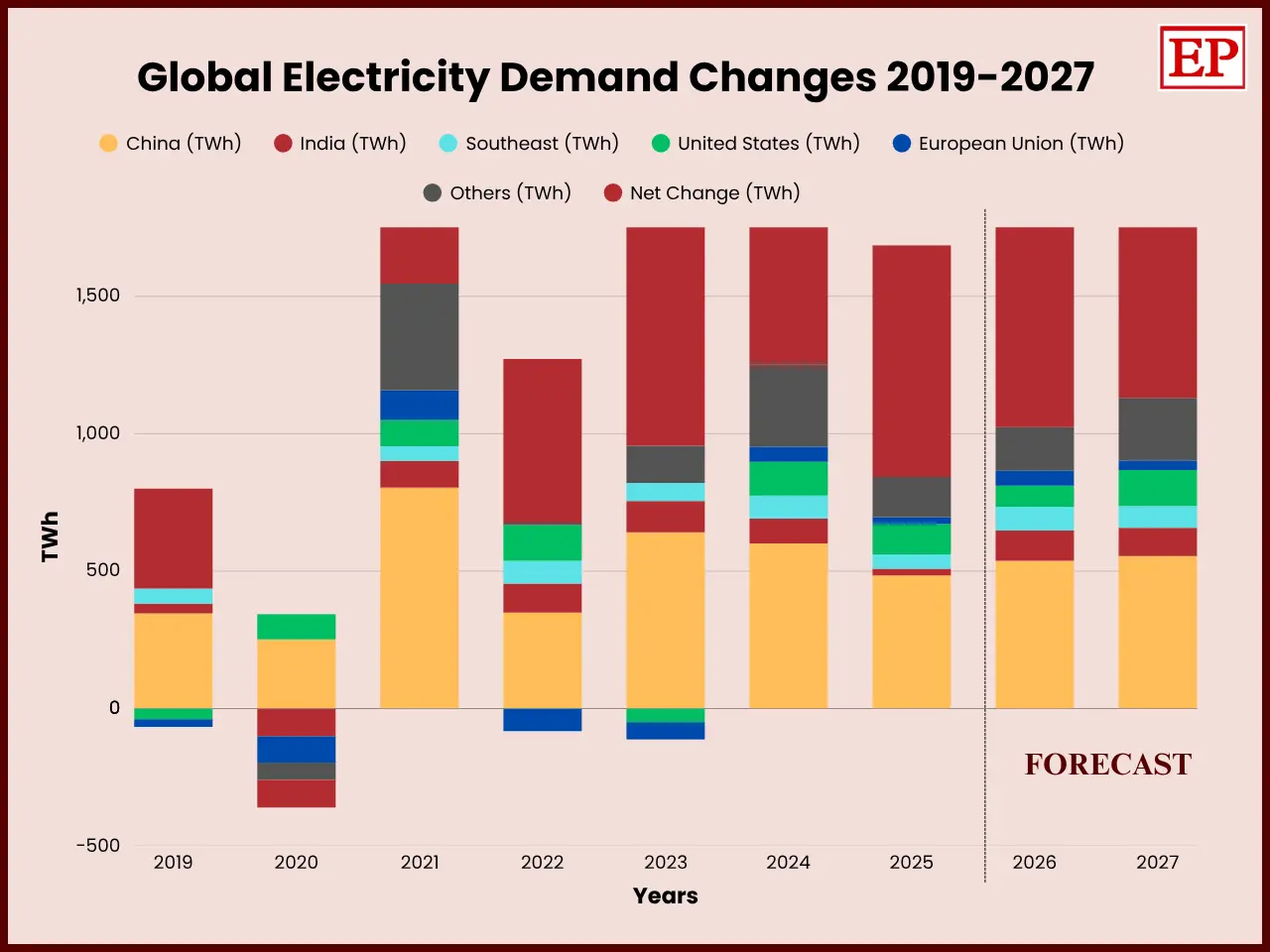
The global demand for electricity continues to rise despite the price shock. Thus, according to the IEA, the global electricity consumption is expected to rise by 3.6% in 2026 and 3.8% in 2027 compared to 3% in 2025. This is explained by increased industrial production, the growing number of electrical devices, the development of transport, air conditioning, heat pumps, and data centers. The growing need for electricity is also driven by the fact that some price-sensitive economies such as Bangladesh and Pakistan have had to implement conservation measures.
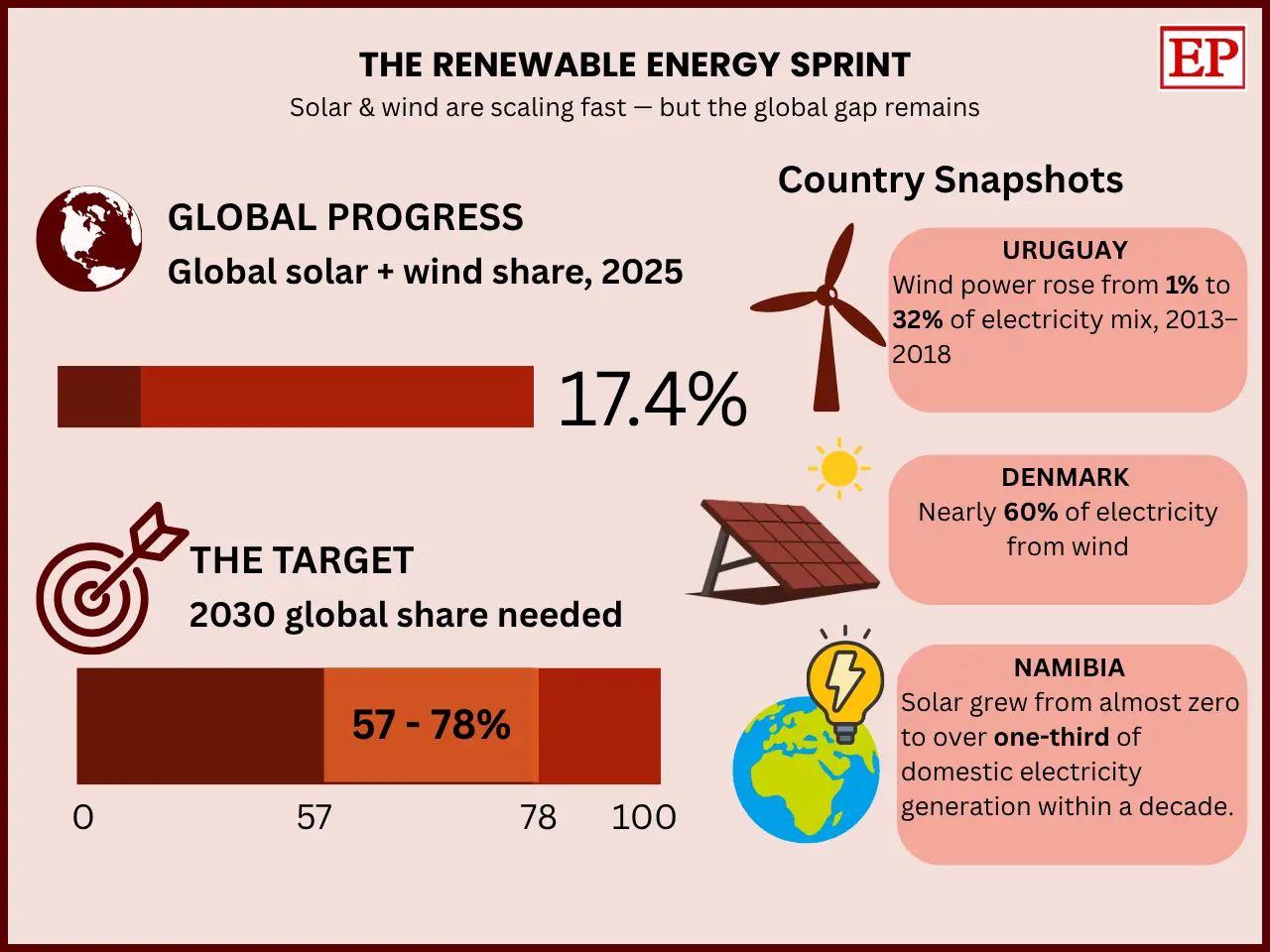
In addition, renewables are set to overtake coal as the largest source of electricity in the world in 2026, helping to insulate the global electricity system from price shocks and ensuring energy security for the world’s electricity grids in the face of increasing disruptions.