The Middle East remains in a state of volatile situation
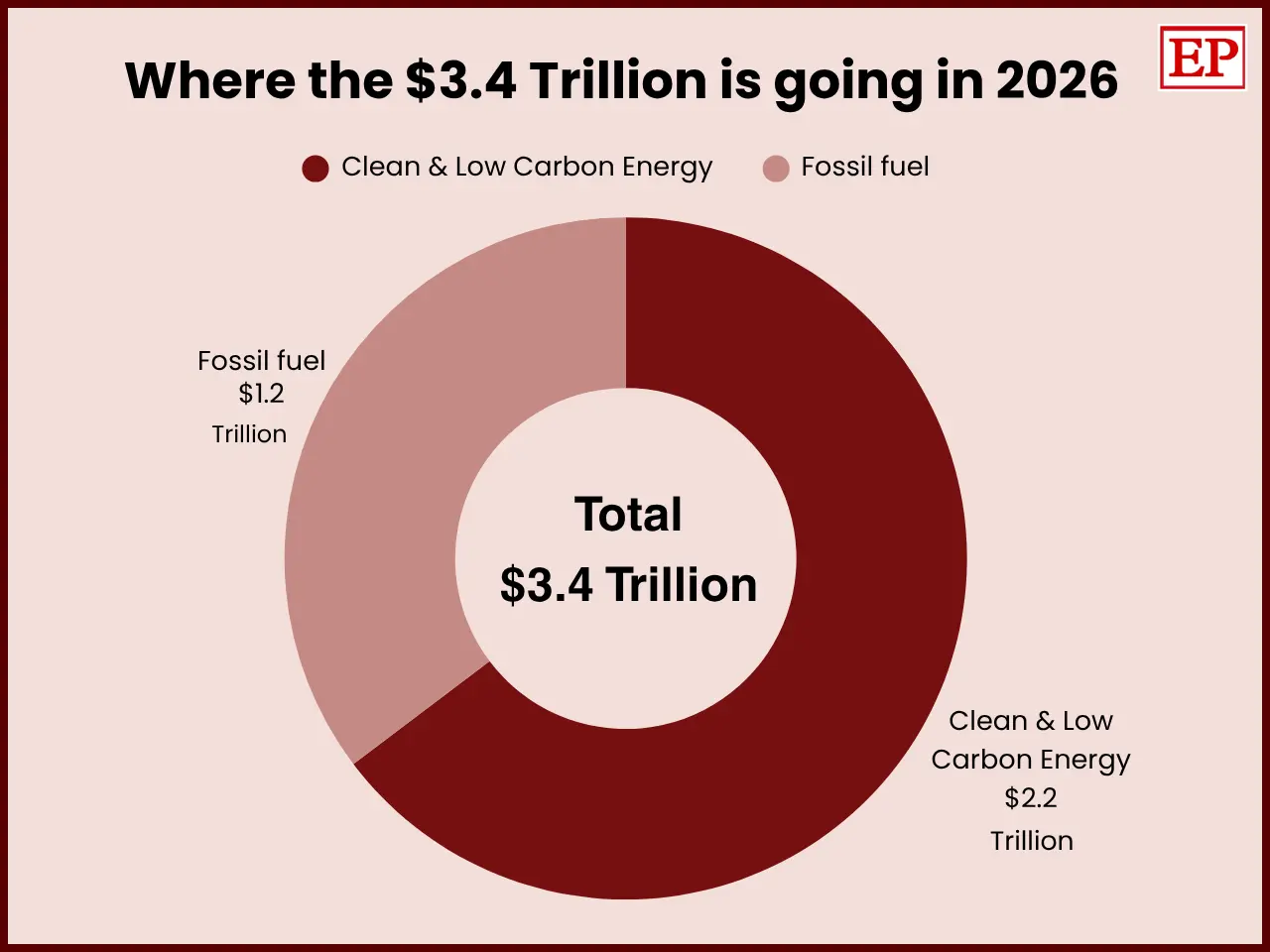
The total global investment in the energy sector will still reach a scale of 3.4 trillion US dollars by 2026. It is noted in the newly released World Energy Investment report from the International Energy Agency that this growth is closely linked to the impacts of the Middle Eastern turmoil on energy markets and global logistics. In 2023 alone, the total global energy investment will rise by approximately 5% compared to previous levels. Of this accumulated total investment, about 2.2 trillion US dollars will be allocated to more environmentally friendly energy-related fields, specifically including renewable energy, nuclear energy, smart grids, energy storage technologies, low-carbon fuels, energy efficiency technologies, and electrification; the remaining approximately 1.2 trillion US dollars will still be invested in traditional energy fields such as oil, natural gas, and coal. What is interesting is that it was noted that most of this year’s investments have already been put into the energy projects long before the outbreak of the crisis, which means that the implications of the conflict in the Middle East will become evident in investment patterns over a few years rather than immediately.
A Crisis Centered on the Middle East and Asia
The energy crisis faced by Europe in the period from 2021 to 2023 was sincere and painful for the continent as a whole due to the limited gas supply from Russia. However, this time around, the picture looks more bleak for the Middle East and some Asian states that had been securing the transportation of oil and gas from Gulf state exporters. Confidence in safe shipping via the Strait of Hormuz has become critically low, thus delivering an important message that both exporters and importers need to diversify the routes and make supply chains more resilient. Based on the data from the report, dozens of oil facilities and oil refineries and production plants in the Middle East suffered serious damages due to numerous tanker attacks that resulted in tens of billions of dollars required for restoration measures.
Nonetheless, investment into oil and gas has not been lost completely. Producers are making profits due to higher prices for oil and natural gas. Moreover, there are strong expectations that prices will settle higher than before the war. This expectation prompts companies to start further investments into short-term projects like U.S. shale and the continuing investments into projects in Africa and Latin America. It is expected that natural gas investments will rise to a decade high of almost $330 billion with a lot of new projects related to LNG export in the U.S. and Qatar despite the eagerness of buyers from Asia to get reliable resources.
Clean Energy Keeps Growing, With Nuclear and Grids Gaining Ground
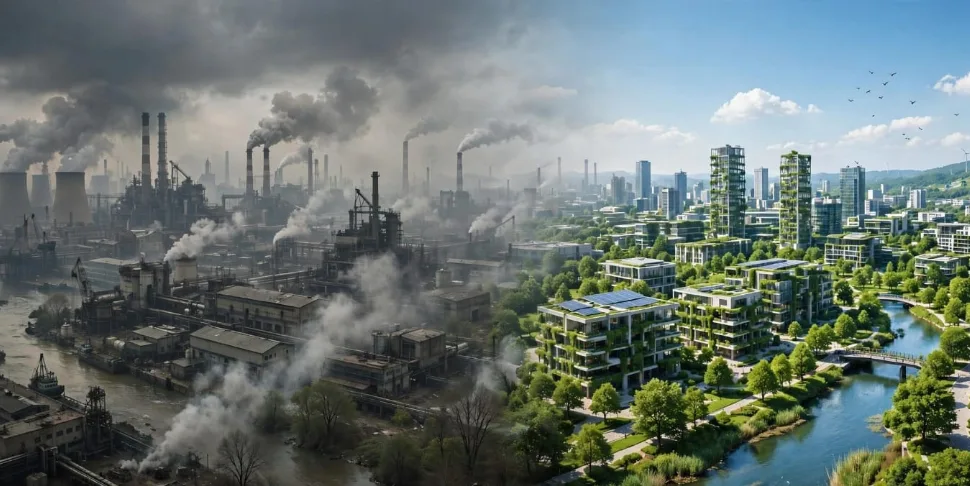
Countries that rely on energy imports are becoming more focused on energy independence, leading to increased interest in renewable energy sources, nuclear energy, and in some cases even coal. One of the most popular forms of clean energy is solar power, accounting for about $365 billion in investments annually, or about $1 billion per day, with wind power and hydropower following it. Although the pace of renewable energy investments has somewhat moderated due to a decline in technology costs and changes in policies in China and the US, renewable energy technologies still make up almost 70 percent of total investments in energy generation. Nuclear energy is seeing a revival as well, as 78 gigawatts of nuclear power plants are being constructed in 15 countries, with yearly investments having surpassed $80 billion a year.
Moreover, investment in coal is anticipated to amount to $180b in 2026, representing an increase from its lowest level since 2012, with China contributing a significant share of about 70% of the whole amount. The most interesting point is that the direction of the energy investment has changed and now is focused on electricity spending, which will amount to approximately $550b, with battery storage getting more than $100b after the era of changes when electric generation was ahead of electric transport infrastructure. Moreover, it has become obvious that the world is moving toward the “Age of Electricity” even though political unrest continues to influence the pattern of financial flows in the energy sector.