Nature Becomes a Core Economic Issue as Environmental Pressures Intensify
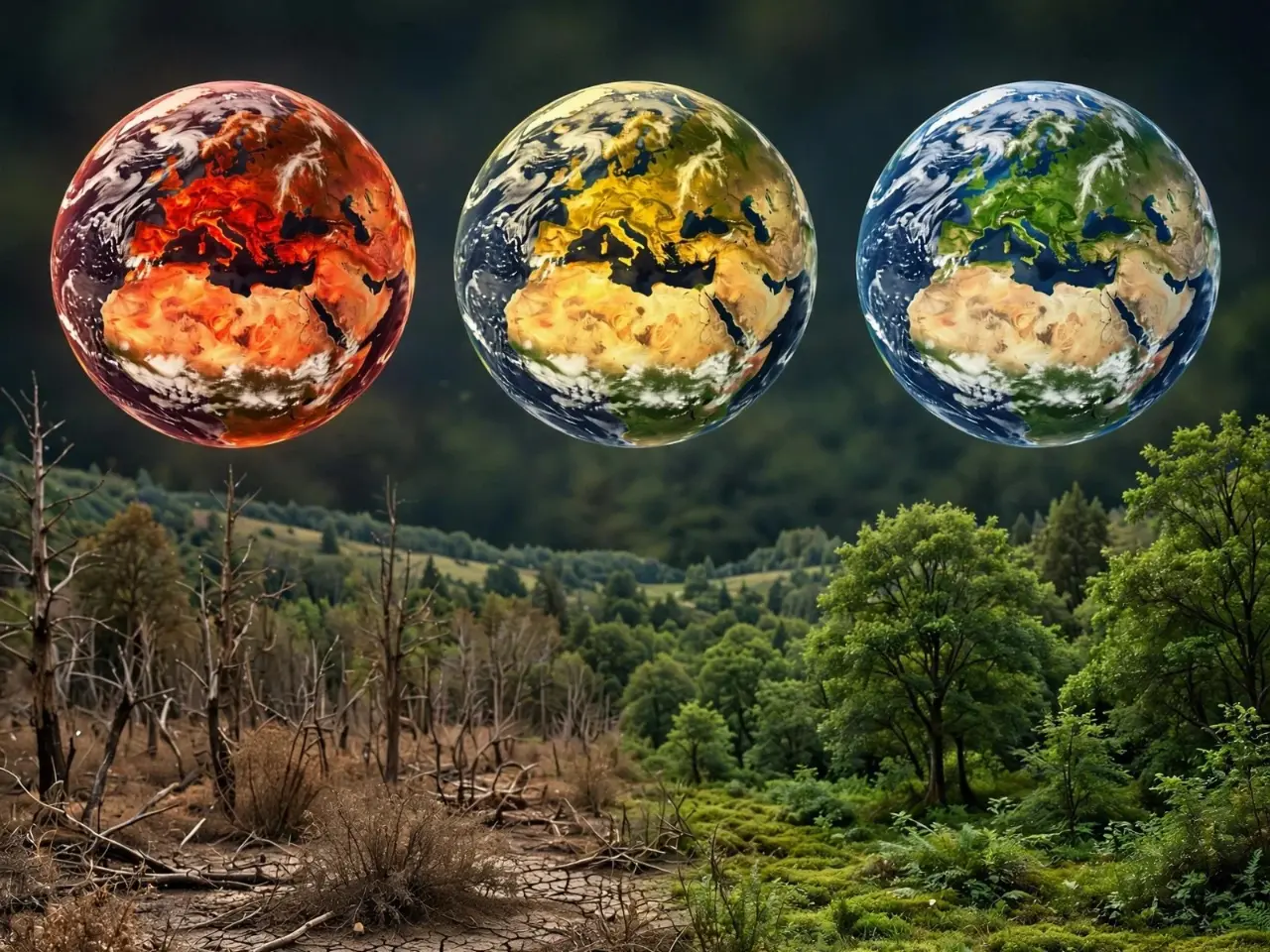
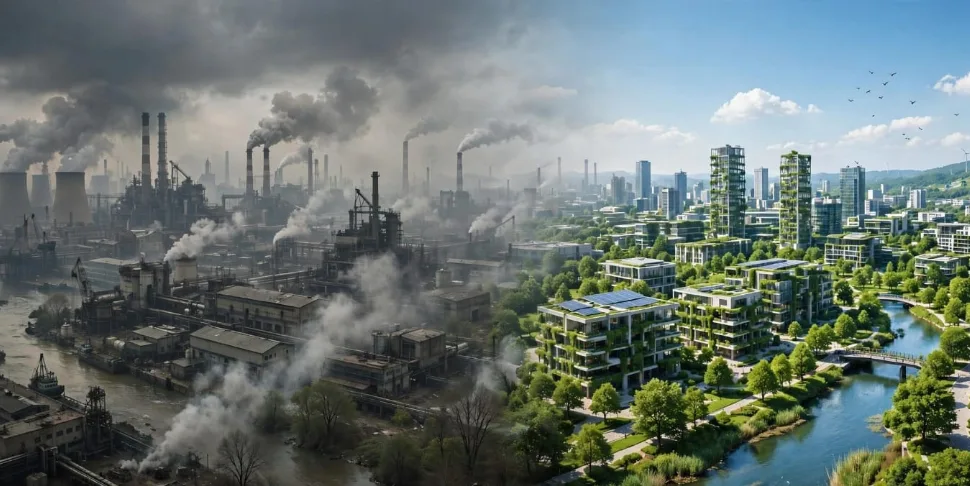
Infrastructure, jobs, and investment have always been the elements of economic growth. But environmental strains are disrupting that paradigm, as land, air, water, and ecosystems begin to shape the possibilities for economic activity, the possibilities for livelihoods, and the scope of that activity. More than 90% of the world’s population is affected by at least one significant environmental challenge- be it eroding land, polluted air or water, or too little or too much of it in the form of floods. Meanwhile, about 40% of the world’s employment is directly tied to nature, making healthy ecosystems an economic imperative.
The scientifically defined planetary boundaries that establish the conditions for a habitable planet suggest that six of nine have been breached. The research indicates that natural resource loss is not just an ecological concern. There is a growing nexus with economic growth, jobs, food security, and development.
Environmental Decline Is Already Affecting Development
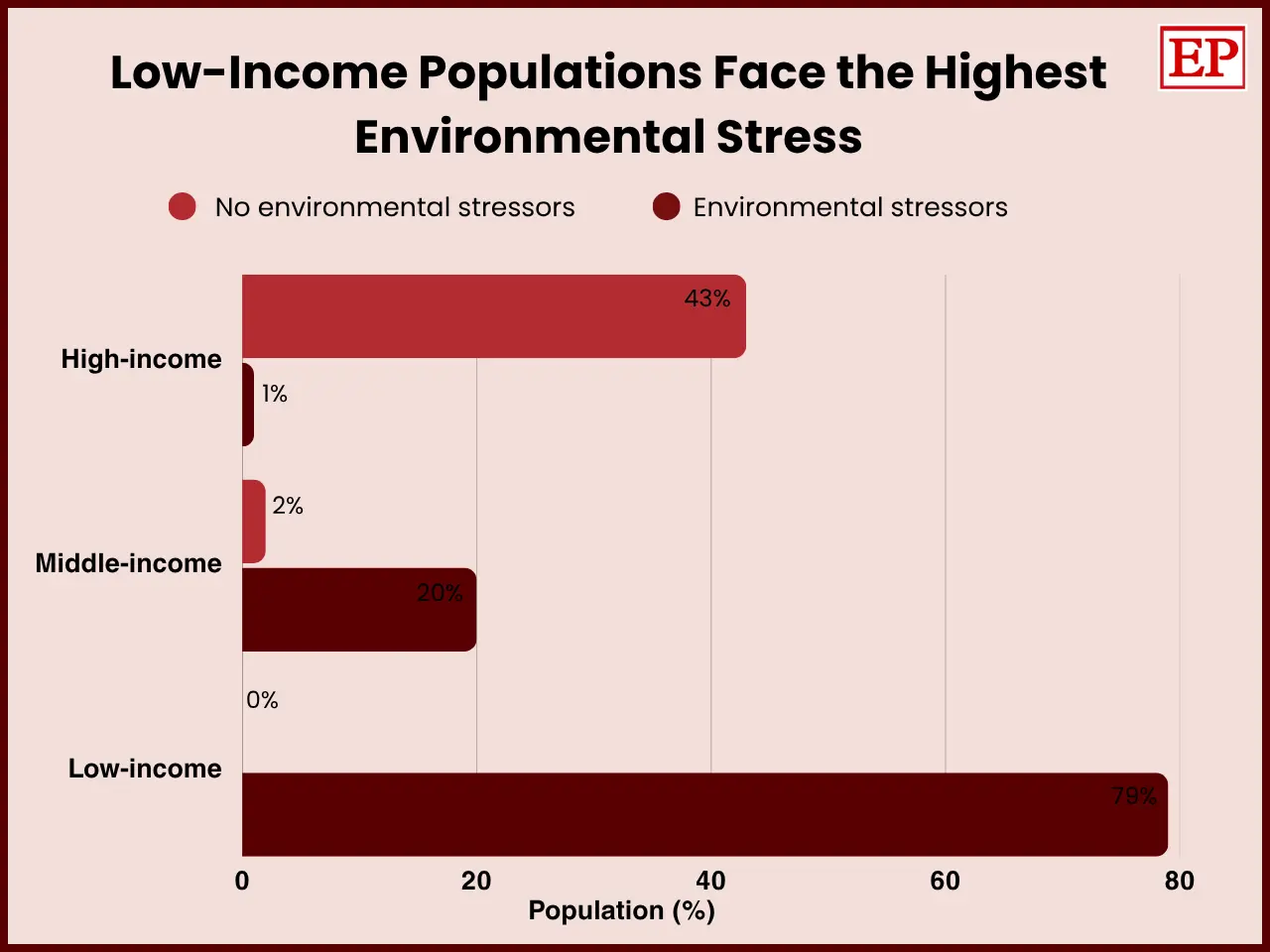
Environmental impact is particularly pronounced for low-income countries whose environmental damage is occurring before living standards have reached elevated levels. In low-income nations, approximately 80% of the population is experiencing the impact of the combination of land degradation and water/air pollution and stress.
These impacts can negatively impact food production, health, labor productivity, and the generation of electricity. Depletion of resources: Land is not meeting the needs of the world, impacting agriculture-based employment, the world’s capacity to produce food, and even causing water shortages. In addition, poor-quality air is found to be associated with substantial reductions in agricultural productivity and increased health expenses for a community. Deforestation leads to losses in rainfall in the amount of 15 dollars per year. Poor water availability has a significant impact on water availability and impacts communities as a whole. Deforestation impacts crop agriculture more than forest land, as forest land has been converted for the production of other items from the land (agriculture).
Natural forests are not only beneficial in storing carbon, but trees actually release water vapor into the clouds, affecting the total level of rainfall, which is estimated at fifteen dollars or more in loss of revenue as compared to what could have been if land was deforested. Water pollution leads to a loss of seventy-five dollars, which can be associated with agricultural total revenue.
Efficiency and Nature Investment Could Support Jobs
Greater efficiency is another means to alleviate environmental pressure while furthering economic activity. Each year nearly one-third of all the food produced is lost or wasted globally, and just over half of the nitrogen fertilizer applied to crops is lost to the atmosphere and water, rather than feeding them. Some 30% of the water supply in the water systems is lost to leaks, theft, and inaccuracies in metering. Correcting these inefficiencies may result in a significant profit. Addressing these inefficiencies could yield big payoffs. Efficiency gains in the past ten years offset almost half of the increases in water use, 60% of the increases in air pollution, and 70% of the increases in land use brought about by economic growth.
The economic case includes employment too. Fertile soils, fisheries, and forests are a series of key natural resource bases for the livelihoods of hundreds of millions of people involved in farming, fishing, and tourism. About 1.2 billion working days are being lost to air pollution each year. Investment in cleaner sectors can create more jobs per million dollars invested than investment in dirtier sectors, the report says. Certain environmental measures may also have substantial economic paybacks or benefits. Smarter uses of fertilizer can yield returns 25 times the investment, and market-based approaches to controlling air pollution can yield up to $215 for every dollar invested in some cases.
The larger economic challenge is consequently transitioning from viewing nature as an endless commodity to managing it as the very base of development. Improved information, better coordination of policies, and proper monitoring are considered instrumental to finding the right balance between economic growth and environmental sustainability.