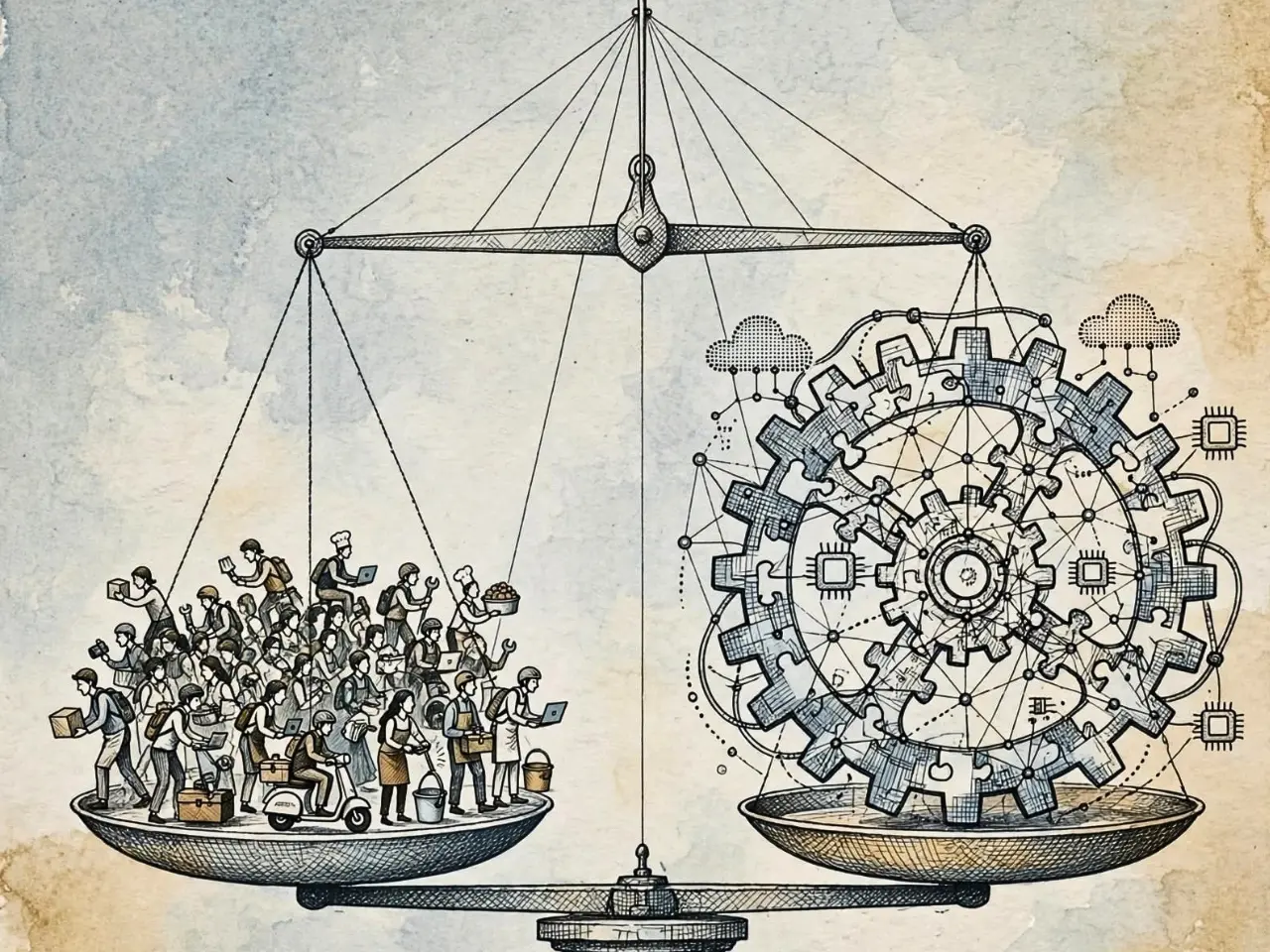
There are many different types of AI
In people's eyes an AI system typically implies large, expensive, and resource-consuming computer servers. This view is, according to a recent World Bank report, only the tip of the iceberg, while small AI (meaning smart and lighter tools) that can operate with low-quality connections and on "old" devices could even more broadly impact, especially the low- and middle-income countries. Small AI, however, does not necessarily require huge computational resources or expensive devices.
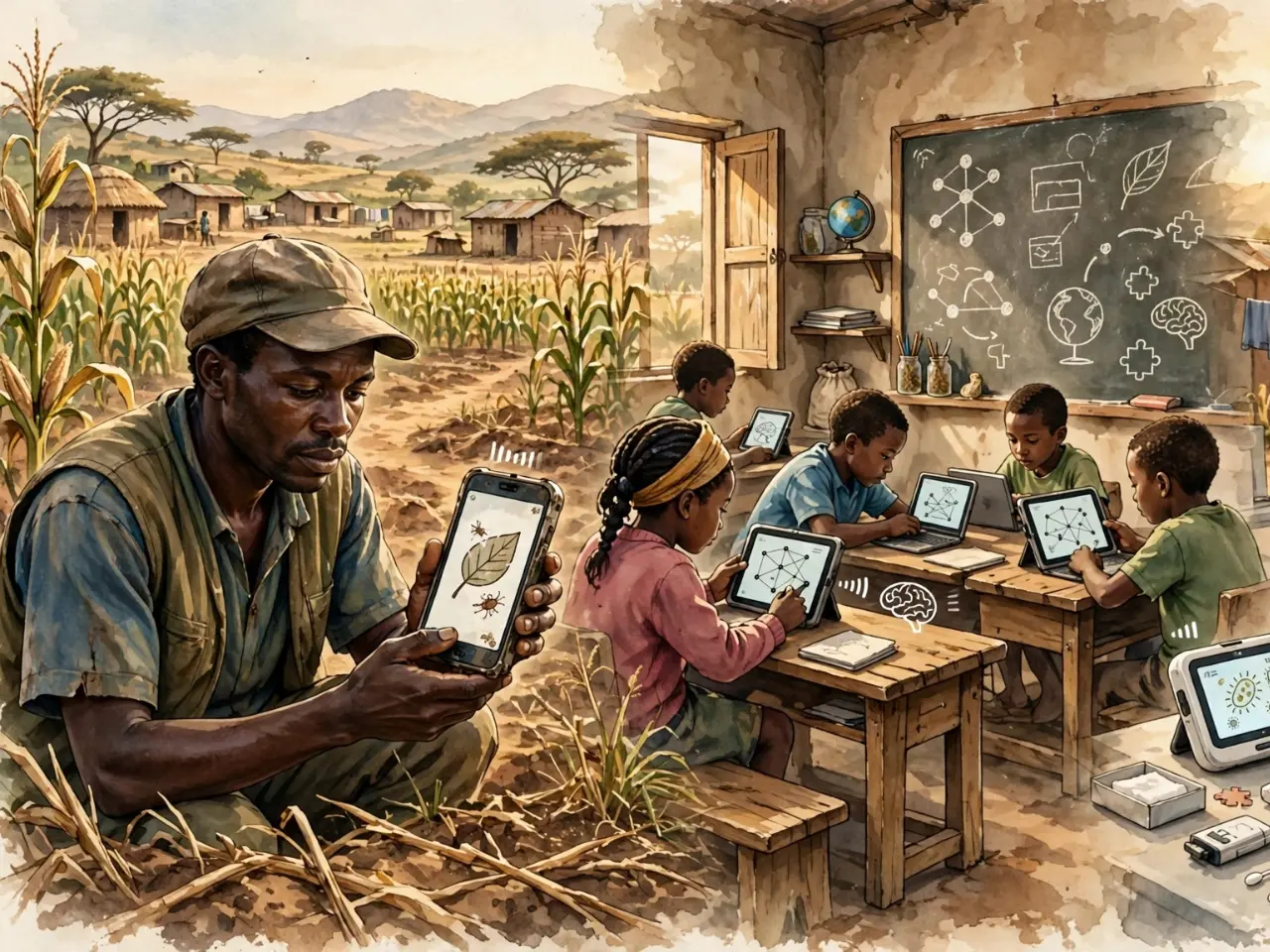
Fields where such smaller AI models are effectively deployed include agriculture, where they give farmers immediate access to the right farming and pest advising services (making experts less essential); education and even medicine, where there is insufficient and slow internet connection available; and where the AI tools allow education in a traditional "chalk and board" style supplemented and supported by light versions on old devices, which do not require internet connection in schools. In medicine, such tools help with the diagnosis, triage, and analysis of samples for diseases and could alleviate the burden on healthcare.
Towards AI-Based Development
By using "smaller AI," the World Bank suggests that countries in development can make a jump in the development curve even in areas where massive infrastructure is lacking and the right data sets are required. In addition, the report identifies the areas where further effort should be allocated to foster the growth and broad utilization of smart technologies, and they are connectivity, computational capacity and the needed data, digital literacy, etc.