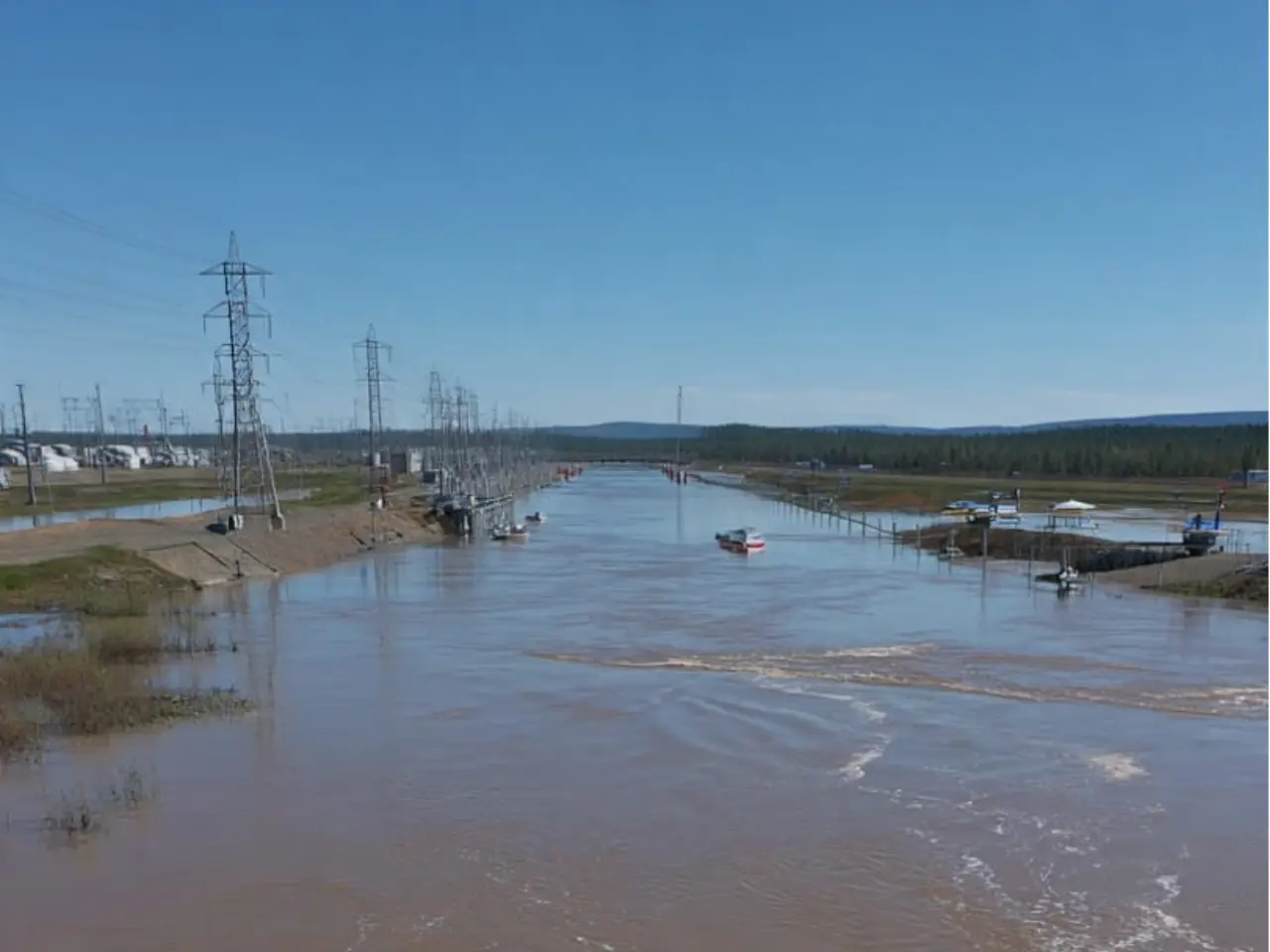
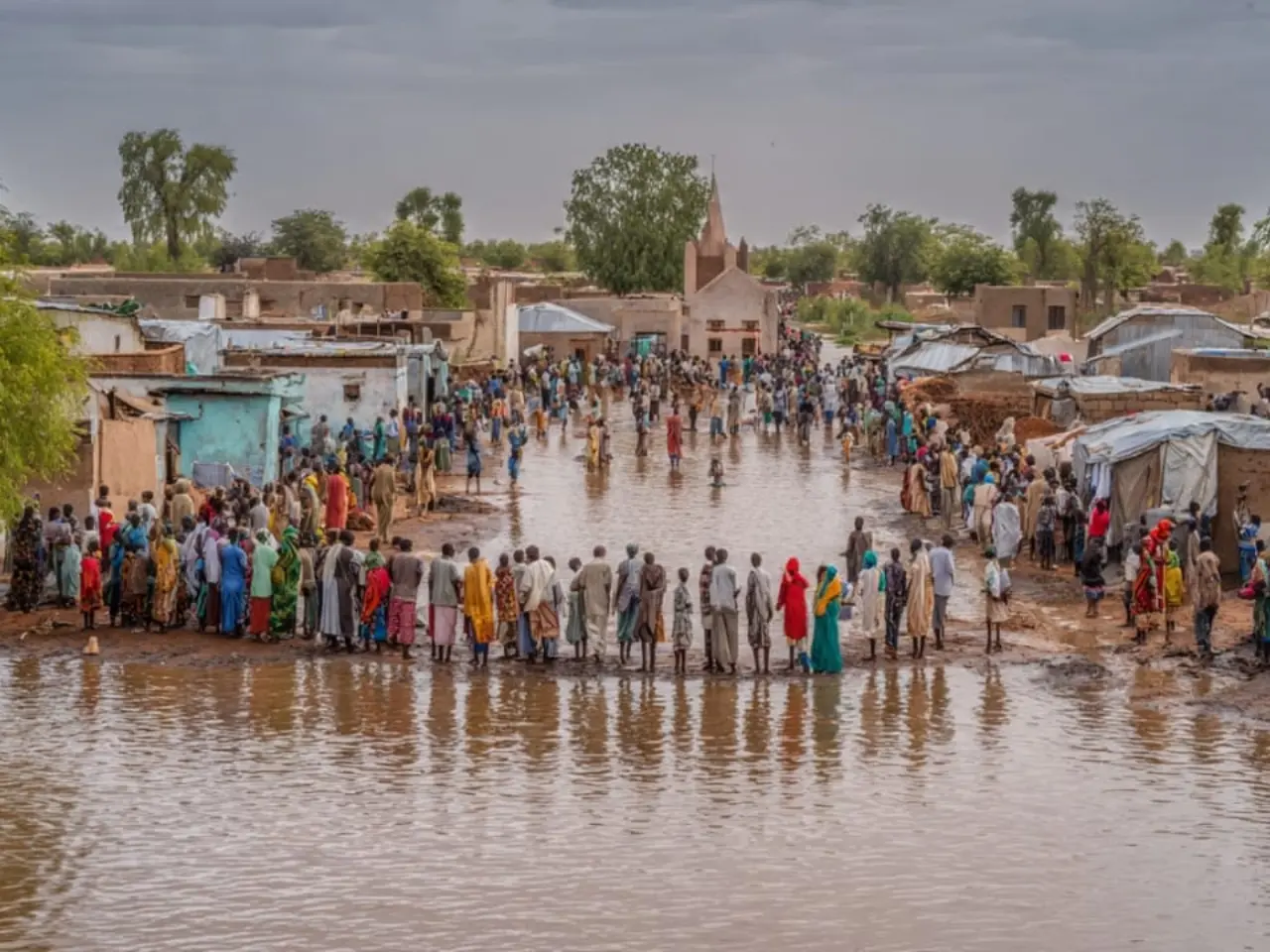
Across Sudan, the country is facing increasing levels of humanitarian need as conflict, displacement, and the rainy season take their toll. The response to date has not been able to match the increasing demands placed on the humanitarian sector in the country.
El Obeid Swamped By Displacement:
Clashes are ongoing and pushing populations away from the state capital El Obeid and towards Khartoum. 60 to 150 families of displaced persons arrive every day in El Obeid, report our humanitarian partners. As for the moment, more than 107,000 people displaced by conflict live in the wider locality of Sheikan; nearly 83,000 people live just in El Obeid town. This puts tremendous strain on the existing services.
But aid continues to grow despite these challenges, with security and a lack of funding hampering access and implementation. Thousands of displaced people in El Obeid recently received food aid, close to 73,000, and in South Kordofan, over 43,000 people got their July rations thanks to the World Food Programme (WFP), while in Darfur, some 10,000+ children with severe acute malnutrition received nutrition supplements ready for the rainy season through different agencies in place.
Funding Gap
The widening gap and flooding in the White Nile and West Kordofan have destroyed houses and water and sanitation facilities, raising the risk of a cholera outbreak as well. Sudan’s 2026 humanitarian appeal stands at only 41% funded, having garnered only $1.2 billion of the total required $2.9 billion; OCHA renewed the appeal for donor funding.