AI’s Growth Potential for Sub-Saharan Africa
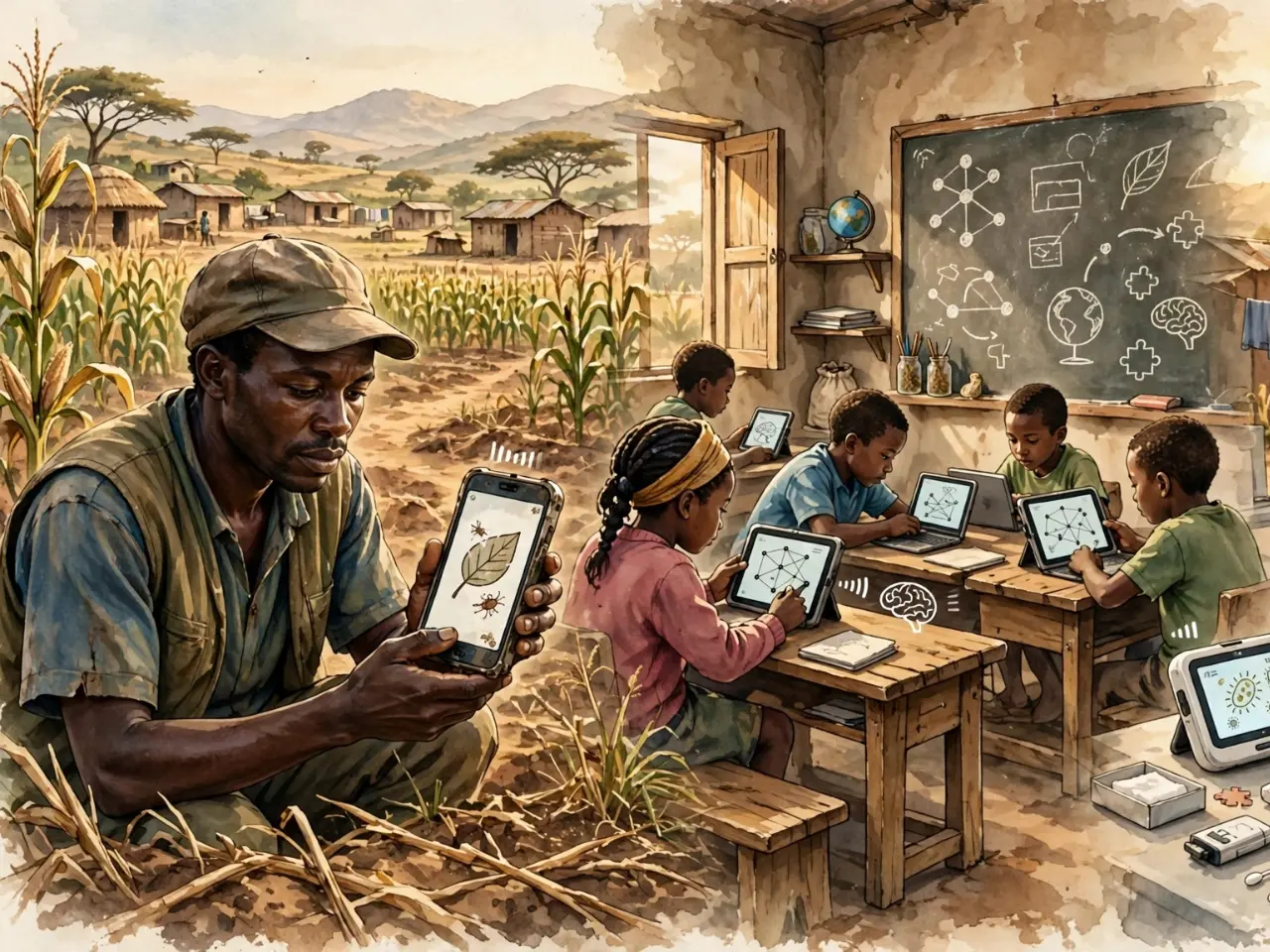
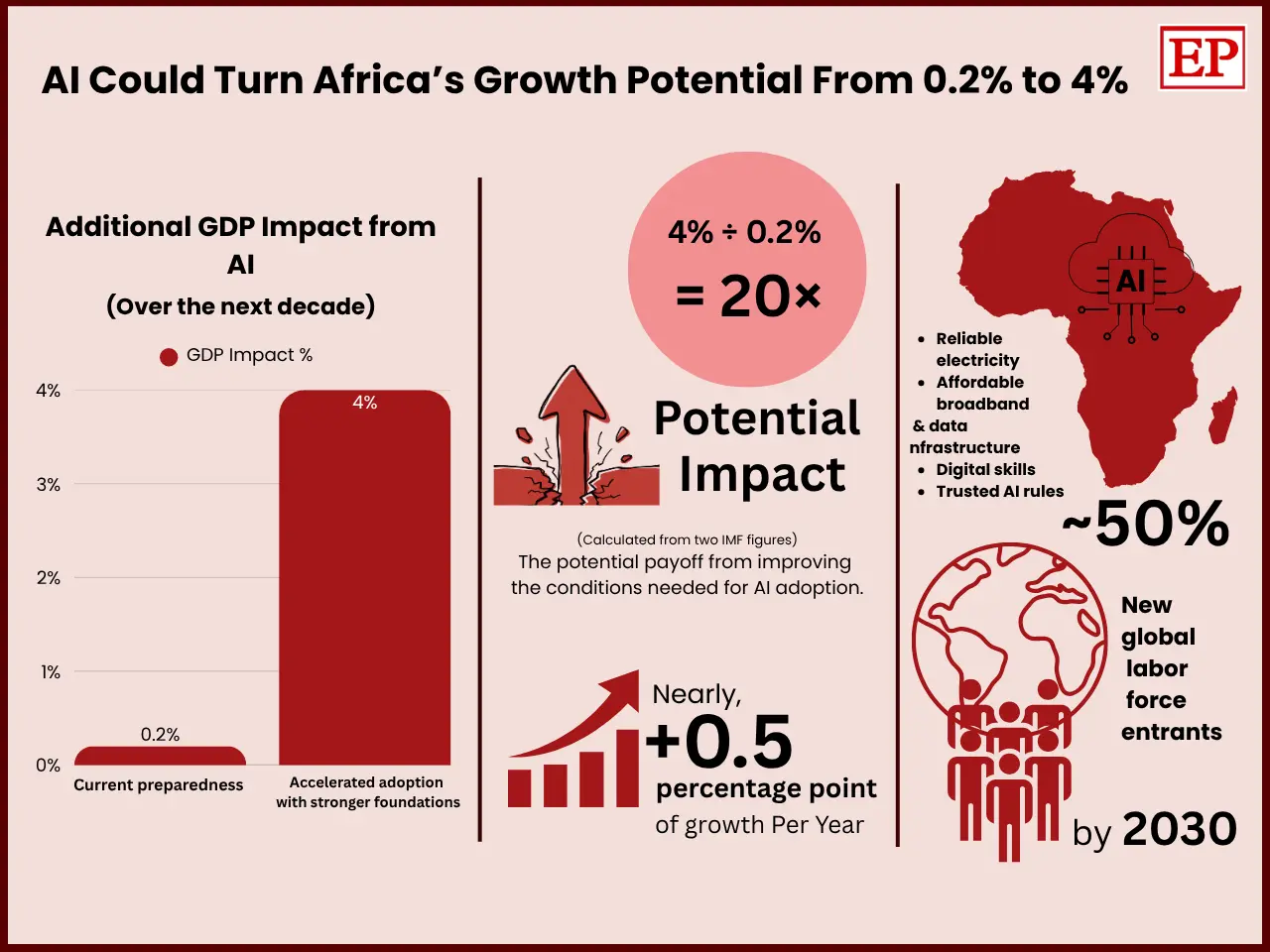
A recent IMF study says that artificial intelligence can change the economy of sub-Saharan Africa. Only if governments take responsive measures, however. AI will add only 0.2% of GDP to the region in the next decade. With proper preparation, this figure may increase to about 4% - almost 0.5% of GDP added annually. This means a lot taking into account that the region will bring about 50% of all new global workers in 2030, most of whom work in unskilled and unproductive jobs in the informal economy or agriculture. AI’s power really lies not in the replacement of office workers but in boosting agriculture, education, health care, and taxation, where pilot projects in Kenya, Nigeria, Ghana, Rwanda, and South Africa have already proved AI’s high efficiency, providing agricultural recommendations, education chatbot services, and tax collection.
Conditions for Success
Two important priorities are required to benefit from these gains. First of all, this means that countries have to ensure that electricity is accessible, internet is affordable, and digital skills training is widespread to provide the essential conditions for the use of AI technologies. Secondly, the governments must also provide strong regulatory systems, which will take care of issues of data protection and competition and will design a cooperative strategy at the regional level to reach amounts and expected levels that cannot be achieved by single countries. The authors point out the similarity between this situation and the mobile money revolution in Africa in a sense that it can be said that AI is something capable of resolving old problems if implemented effectively.