
World News

Japan’s Business Dynamism Outpaced by Global Competitors as 15% of SMEs Are ‘Zombie Firms’ and gBizID Adoption Stays at Only One-Third vs 2030 Target

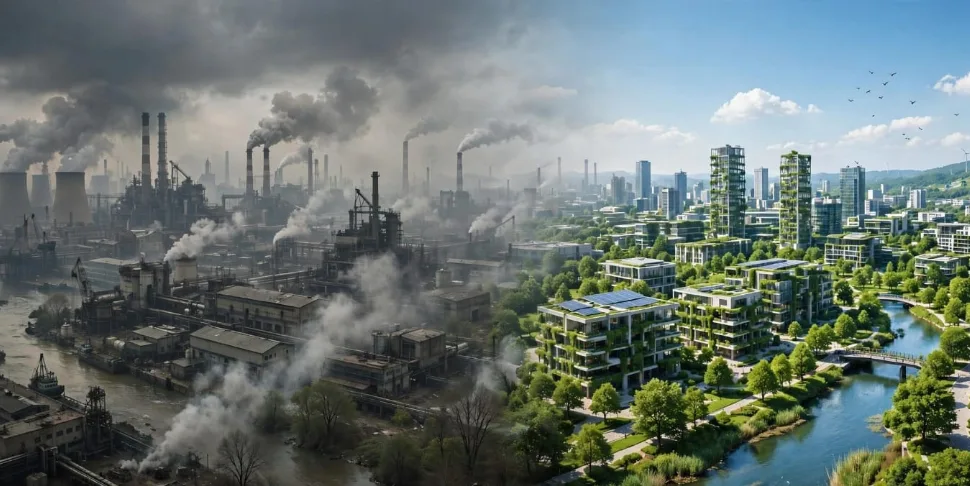
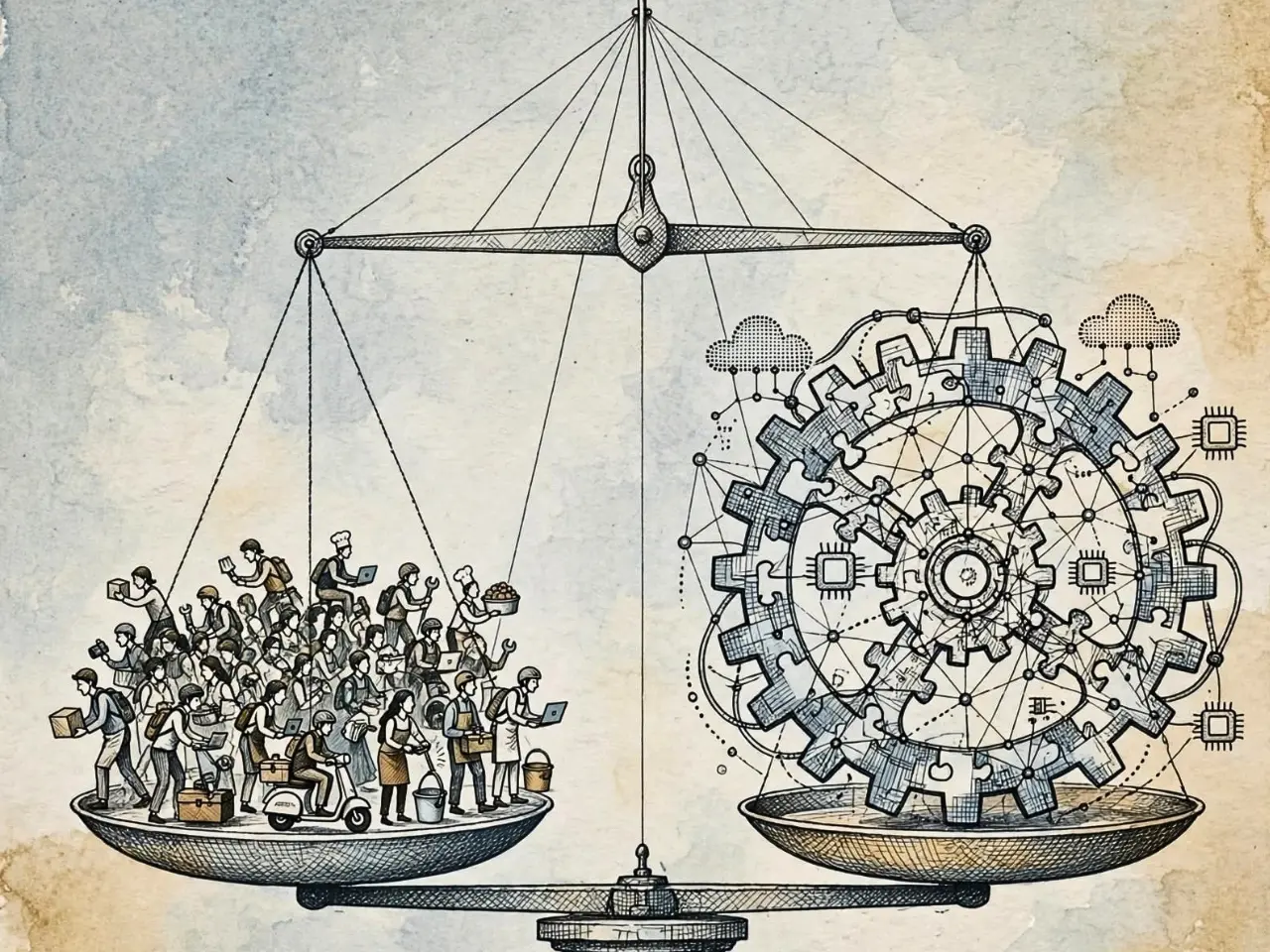
The image represent japan's business dynamism
Image source: OECD Economics

Japan’s business dynamism is outpaced by that of global competitors, which also experience higher firm entry and exit rates than in Japan. To grow entrepreneurship out of the gate, we must look at regulation, which is very complex; we also call for reform of SME finance and extension of innovation support.

Although in 2020 we introduced online services via the gBizID platform, the registration procedure is still a burden. Also, adoption is low; only one-third of corporations are on board, which is far below the 2030 government target. We may see a meaningful reduction in admin friction by expanding digital integration and eliminating redundant info requests.

Public credit guarantees and subsidies, which, although at present are below the levels seen at the height of the pandemic, are still supporting low-productivity firms. Almost 15% of SME’s are what we may term “zombie firms,” which are sucking in resources away from more progressive businesses. A gradual phase out of guarantee coverage and in its place an increase in access to venture capital. Also, we need to see a different approach to innovation support.

SMEs put in only 5% of business R&D, which is mostly dominated by large manufacturers. We also see a need to simplify the very broken tax credit system and make credits refundable for early-stage firms, which in turn will get more players in the game and see which innovation that does add to productivity growth happens at a faster rate.
Latest News
The graph represent the world commodity market outlook world bank report

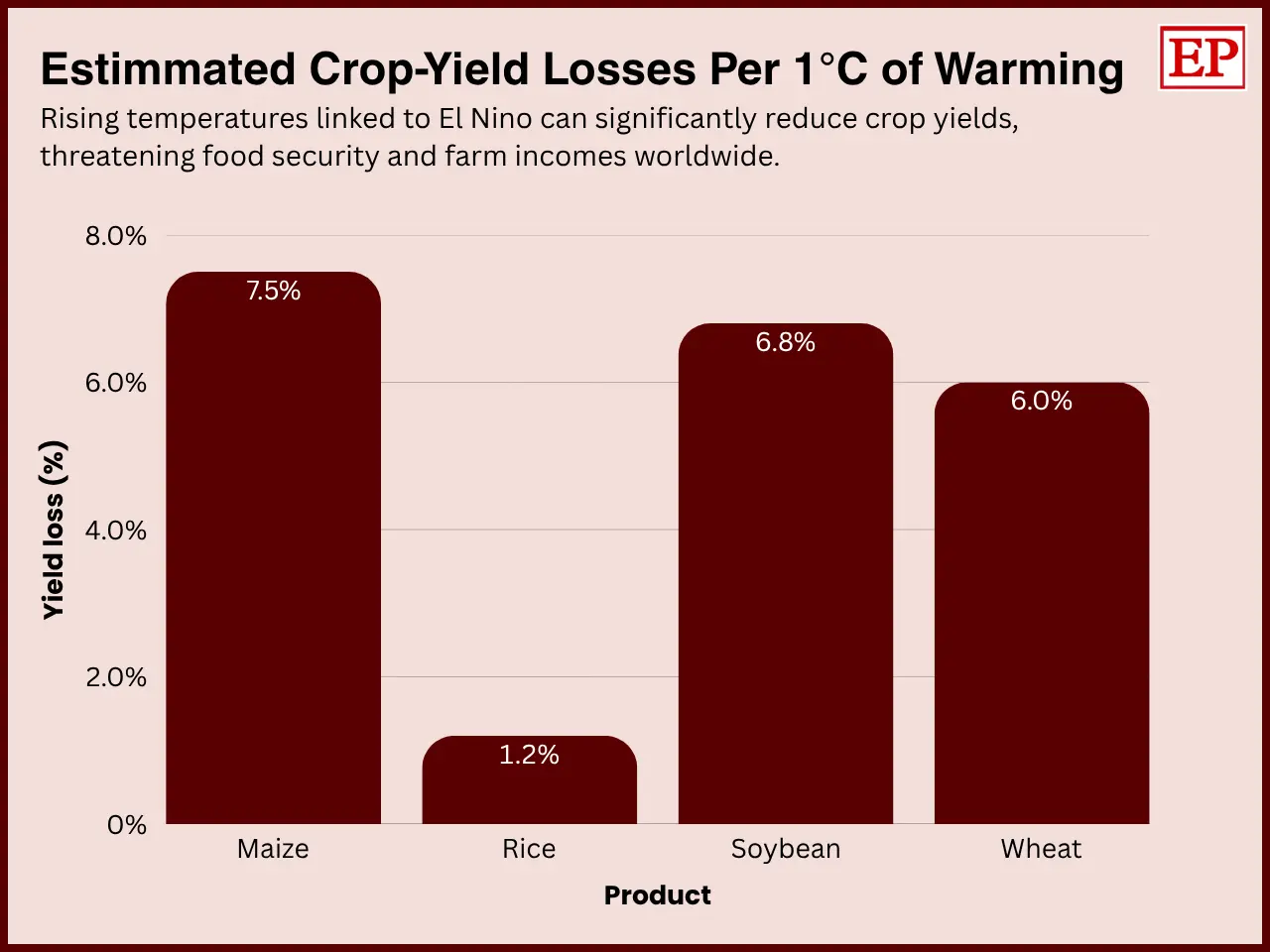
The image represent the El Nino climate crises in south asian monsoon

The image represent the fruits and vegitable waste

The image represent the ebola bunibugyo virus testing cube

The image represent the foregin investment regulation ration for each nation

Read More From News >>>

Latest Explained
The graph represent agrivoltaics active projects by income group
Explained / June 08, 2026
Dual-Income Farms: How Agrivoltaics Turns One Acre Into Food Profits and Electricity Revenue

Agrivoltaics lets farmers earn income from both crop production and selling solar electricity, providing economic stabilization for rural communities. This dual-use approach creates jobs for skilled and unskilled laborers while addressing food and energy demands in developing nations where land and resources are scarce.

The graph represent world food market price crisis
Explained / June 05, 2026
Strait of Hormuz Closure Pushes Food Commodity Prices to April 2026 Levels Not Seen Since Jan 2024, World Bank Reports 5% Surge as Oil, Fertilizer, Transport Costs Escalate

The world food market is in crisis after the total closure of the Strait of Hormuz in late February pushed food commodity prices to April 2026 levels not seen since January 2024. The World Bank reported food prices increased 5% in two months from the conflict’s onset, driven by rising energy, fertilizer, and transport costs.

The image represent job growth and tech shifting in globally
Explained / June 02, 2026
1.2 Billion Youths, 357 Million Jobs: Can the Global Economy Keep Up

The global economy shows resilience in 2025, with growth forecasts at 2.7%. Key drivers include job creation, tech innovation, infrastructure development, and a focus on sustainable, inclusive growth amidst demographic shifts. In most countries, interest rates started to fall due to the previous tightening of the interest rates that had shut international capital markets' accessibility.

- Advertisement -


Latest Audio Edition
Editorial / Nilarani
Jobs at the Forefront: World Bank's Strategy for a Resilient Global Economy

The World Bank Group has focused on five key industries in which there is great potential for creating employment opportunities: the energy and infrastructure sector, agriculture and agribusiness, health care, tourism, and manufacturing. Each of these sectors is interconnected with the other and supports the creation and development of many job opportunities and a broad-based development strategy.

Editorial / Avichal Sharma
The Gathering Storm: How Trump's Tariffs Forged BRICS Unity

In a world long dominated by the financial tides of the US dollar, a new story is unfolding, driven not by a grand, planned design but by an unexpected external force: the tariff policies of Donald Trump. Trump's renewed presidency saw him sign an executive order in early 2025, first imposing tariffs on imports from China, then escalating to a "universal" tariff on nearly all imports.

Read More From Blog >>>


- Advertisement -