Strait of Hormuz Crisis May Inflict $20 Billion Annual Cost on Poorest Countries, Warns UNCTAD
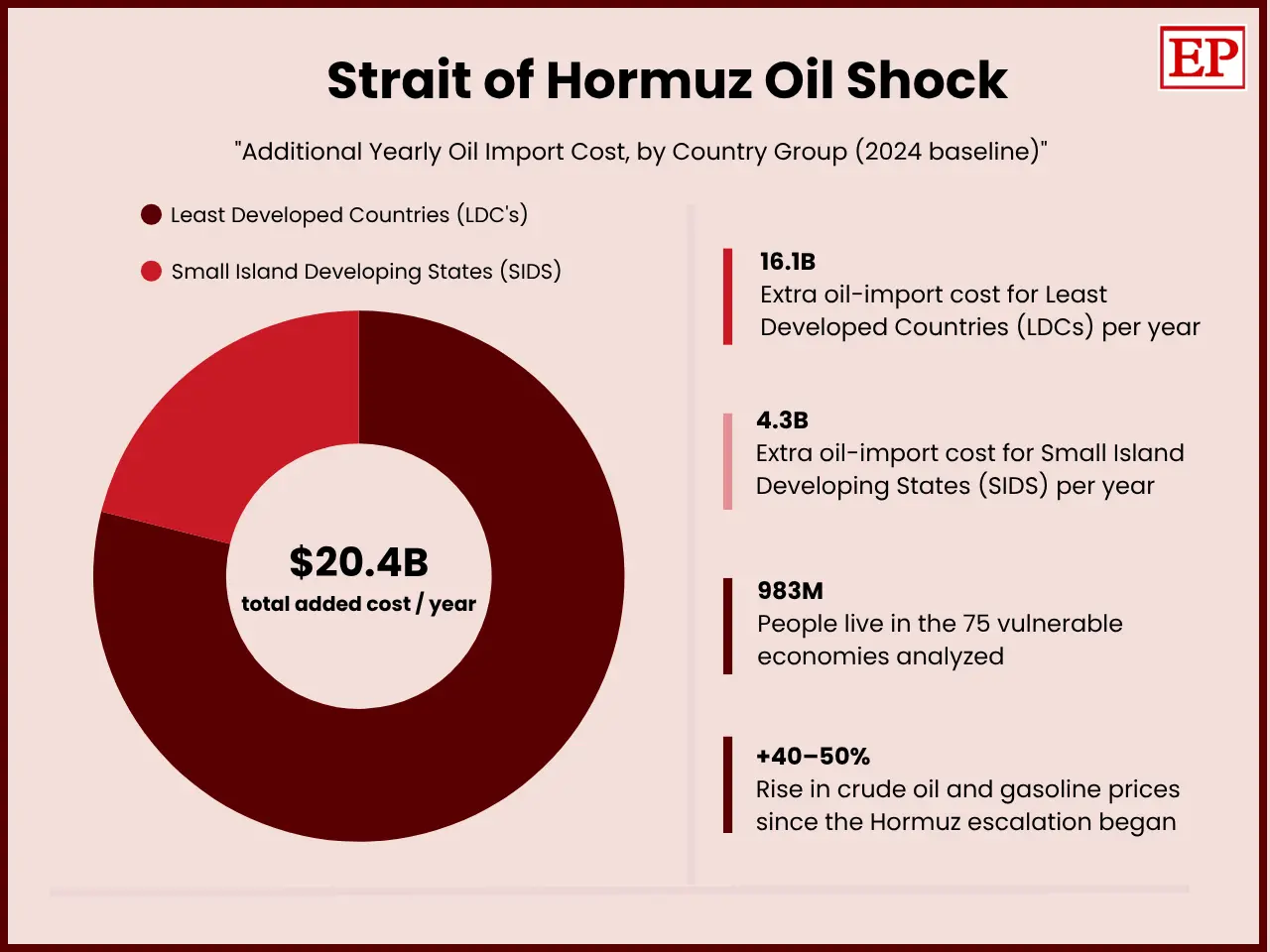
With oil prices spiking, the UN Conference on Trade and Development warns that energy prices will affect economies around the world. Specifically, crude oil prices jumped over 40 percent while gasoline prices jumped over 50 percent since the crisis began several months ago. For the average consumer, higher gas prices may be an annoyance, but for the world’s 75 most vulnerable economies, it's a blessing. The most vulnerable economies are what we call the least developed countries (LDCs) and small island developing states (SIDS).
Sixty-five of the 75 vulnerable economies are dependent on oil imports for their economies’ survival. Due to a lack of refining capacity within their borders, these countries’ oil imports are almost entirely derived from finished petroleum products, which tend to carry a much larger price premium than crude oil.
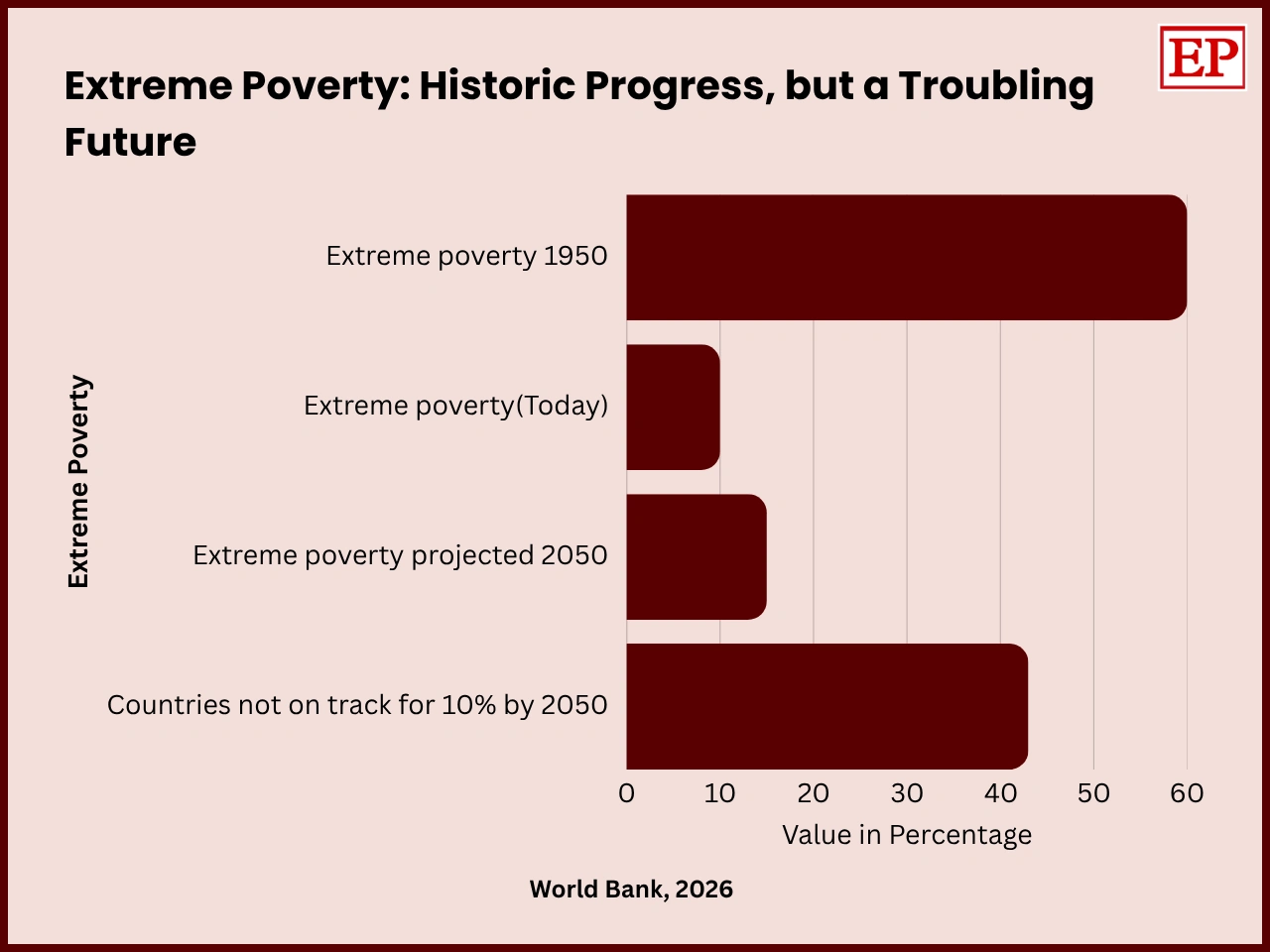
In effect, the majority of these economies do not have the option to hedge against increasing energy prices like their more industrially advanced counterparts. According to UNCTAD’s report, "The additional annual expenditure for the 65 economies would amount to $20.4 billion more every year just to keep importing oil: $16.1 billion in the case of the LDCs and $4.3 billion extra for SIDS. Almost 1 billion people live in these countries, and more than 30% of them already survive on less than $3 for the SIDS.”
The Disproportionate Effect on Developing Countries
The effects of higher oil prices will not be felt equally across all countries. In Mauritania, oil imports are projected to increase by over 7 percent, which would have particularly dire consequences for a country whose per capita GDP is only 37 percent higher than the poverty line. Gambia, Burkina Faso, Liberia, and Zambia are also projected to feel especially harsh consequences of the price shock. Vanuatu, the Maldives, and Tonga are the most vulnerable economies among the SIDS. Seychelles and Uganda are of particular concern because over half and nearly all, respectively, of their oil imports originate from the Strait of Hormuz, leaving them with limited flexibility in responding to the price shock.
Higher Gas Prices Have More Consequences Than Just Paying at the Pump
According to UNCTAD’s report, higher gas prices will have four primary economic consequences for vulnerable economies. Higher freight rates and transport costs will lead to increased import prices, which has secondary effects on inflation. The increased costs will also reduce the purchasing power of vulnerable populations, intensifying poverty and deprivation. National budgets for these economies will be “inextricably linked to international fuel prices," which will further challenge their ability to provide social services like healthcare and education. Finally, higher oil prices could have detrimental effects on economic growth due to increased trade deficits, devaluation of local currencies, and diminished access to credit.
When the gas prices skyrocket, the lives of the world’s poorest and most vulnerable people are disproportionately affected. UN Secretary-General Antonio Gutierrez warned that “when the lifeblood of global commerce is disrupted, the most vulnerable economies are often the hardest hit.” A prolonged geopolitical standoff in the Strait of Hormuz will not only raise prices but diminish the gains that many developing countries have made in reducing their poverty rates. For economies without natural oil reserves and without access to alternative sources of energy production, an extended price shock can be devastating. According to UNCTAD, the world needs to step in to help these economies through the crisis.