
The most recent report of the Sustainable Development Goals 2026 indicates that the ongoing decline in global financing has led to a severe crisis in the field of international assistance, with the current statistics on Official Development Assistance revealing that the world has witnessed the greatest drop in such assistance ever recorded. In light of the fact that the developing economies are now encountering increased economic pressures, increased exposure to climate-related risks, and other social challenges, aid income shrinkage represents a threat to its global obligations. According to the presented data, the ODA time is experiencing periods of significant challenges, which are not related to immediate developmental outcomes but rather to the credibility of global partnerships in the future.
The Global Aid Decline Reaches New Heights
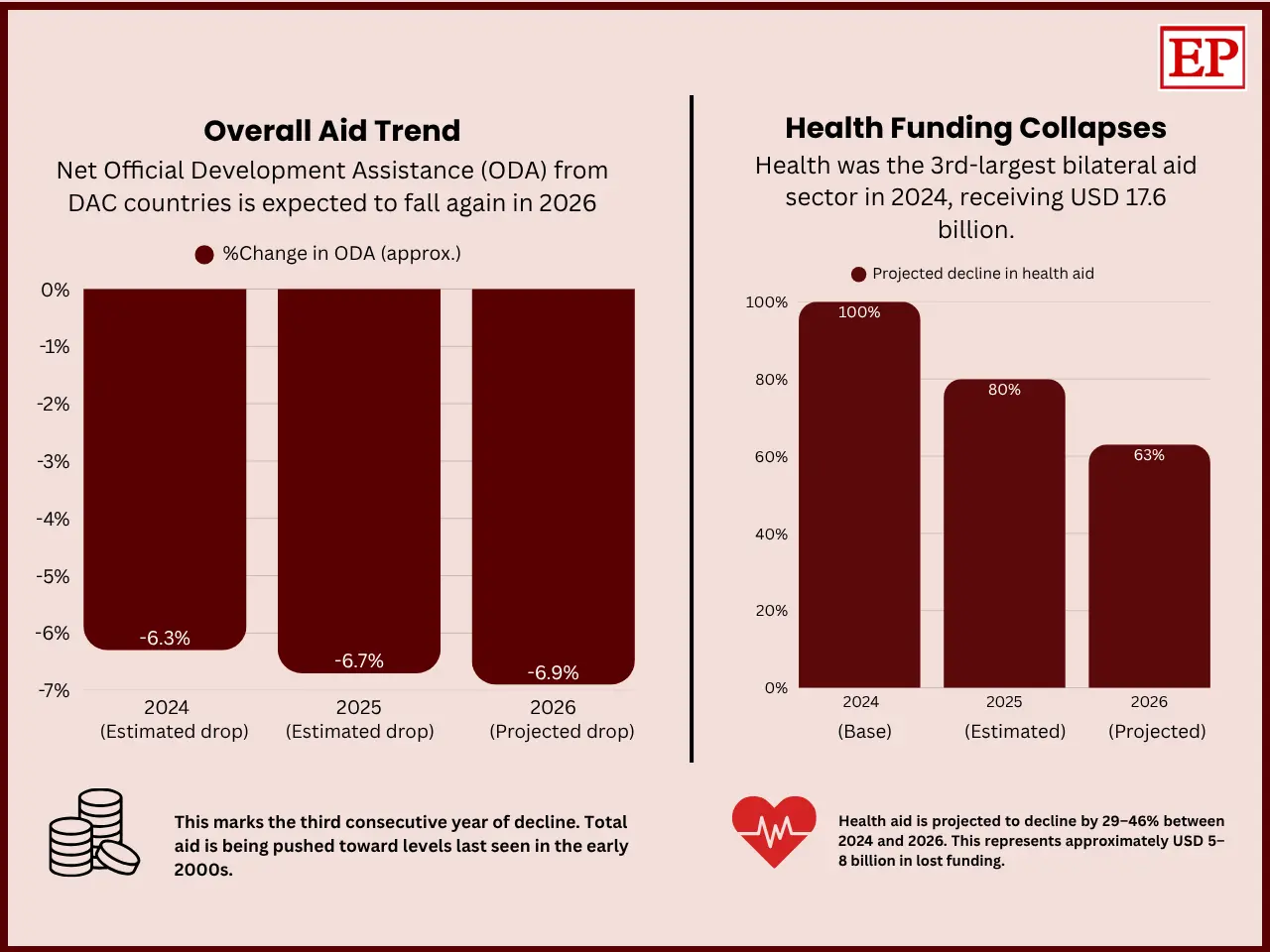
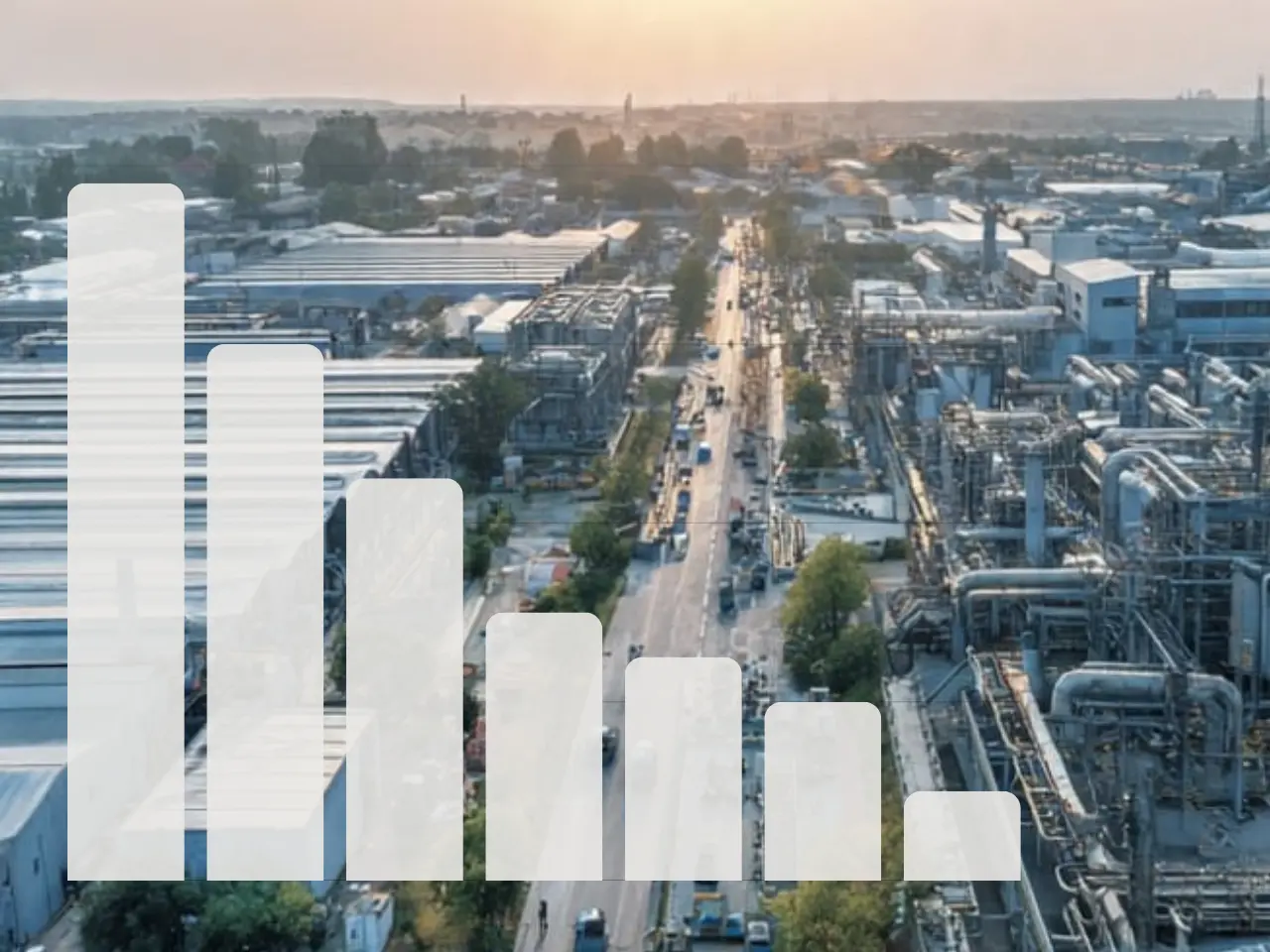
The report states that aid issues are now reaching unprecedented levels, decreasing by 23.1%. As a result, 2026 is marked as the year when there was a historic decline in official development aid. This report states that the percentage of ODA with respect to the Gross National Income (GNI) of the contributing nation was 0.26%. The percentage of ODA as well as its value in donor country income is less than the targets set by international organizations.
Development Financing Situation Threatens to Derail the Achievements of the SDGs
The report shows that the deterioration of the financing situation for development assistance in 2026 will have serious consequences for both donor and recipient countries. First of all, the report estimates that the decrease in ODA will interfere with the development of recipient countries. Many countries spent a lot of money in important areas like health care, education, and infrastructure. The decrease in funds in this field could slow down the progress and hinder the attainment of the sustainable development goals.
The report also indicates that in 2026, the situation regarding partnerships and fulfillment of the sustainable development goals might worsen on a global level. According to the report, if the level of financial assistance to developing countries continues to decline, the prospects for achieving the SDGs will be threatened. The report estimates that if the current trends persist, the SDGs will be difficult to achieve both in individual countries and at the global level.
The report also shows how a decline in ODA threatens economic equality among nations. Although their resources are limited, the majority of developing countries are highly dependent on external aid. Thus, the worsening of the financing situation for ODA exacerbates inequality between developing and developed countries. This, in turn, leads to unsustainable economic and social development at both the national and global levels.
The Necessity of Increasing Global Partnerships
The report offers the reader the opportunity to evaluate the current situation in financing development, which serves as an example of the importance of global partnerships. In particular, the report estimates that in 2026, official development assistance to developing countries continues to decrease. At the same time, it has reached its lowest level in history compared to the beginning of the century.To increase resilience in the economy and to provide assurance of economic security throughout the globe, the report notes the relevance of strong international collaborations as one of the most important financial allocation issues in terms of economic development at the national and international levels. The downturn in ODA is more than mere numbers; it is a sign of eroding will at a time of greatest need for cohesion. Achieving success in reversing this trend will determine whether progress is made in the global development agenda in the future.