EP PRIME EXCLUSIVE
Continue reading this executive analysis
This in-depth analysis is available exclusively to EP Prime members. Subscribe to unlock the full article and enjoy ad-free reading.
This in-depth analysis is available exclusively to EP Prime members. Subscribe to unlock the full article and enjoy ad-free reading.
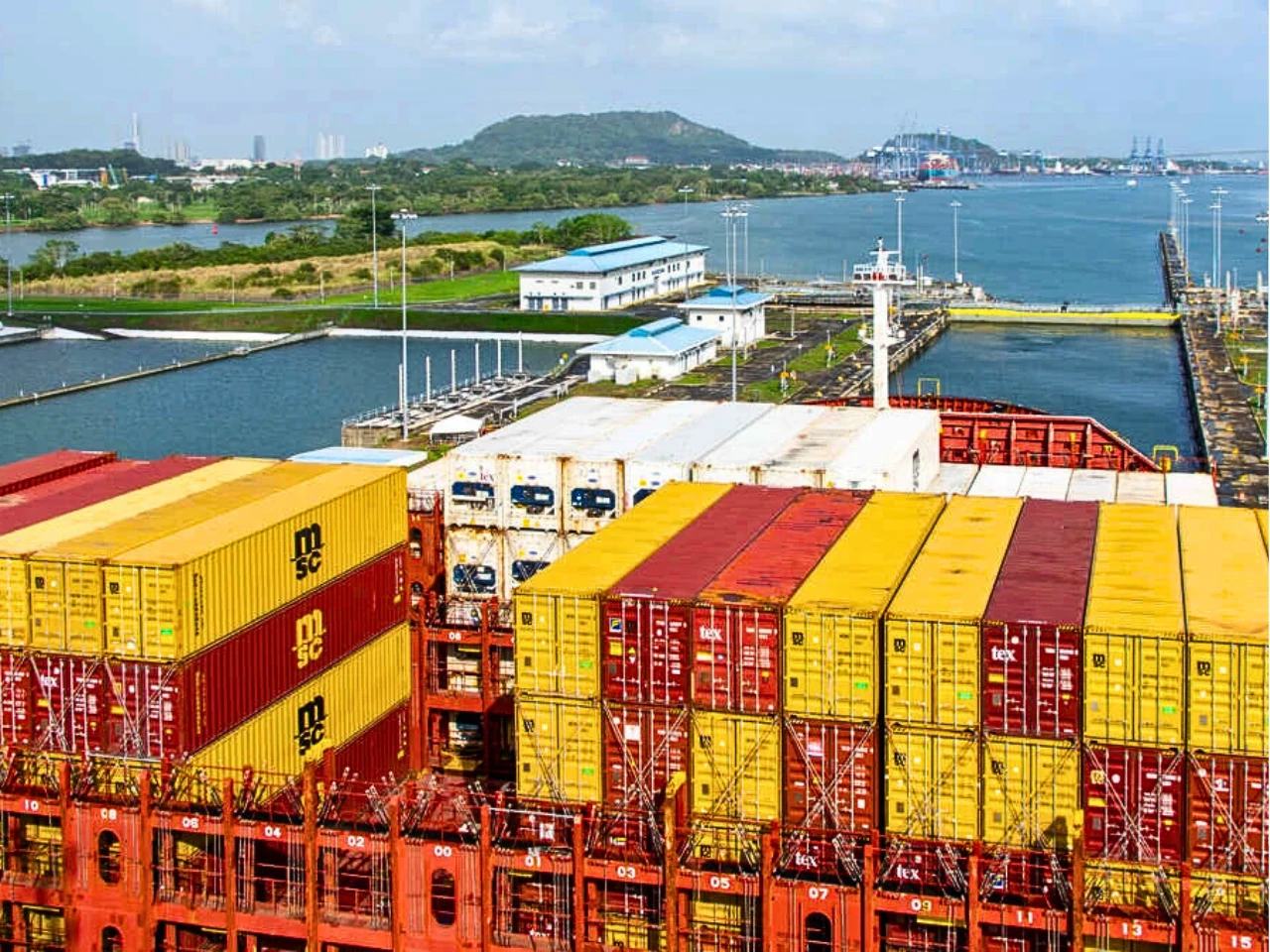
A comprehensive analysis of how hub-and-spoke networks have evolved in global maritime shipping over the last twenty years.
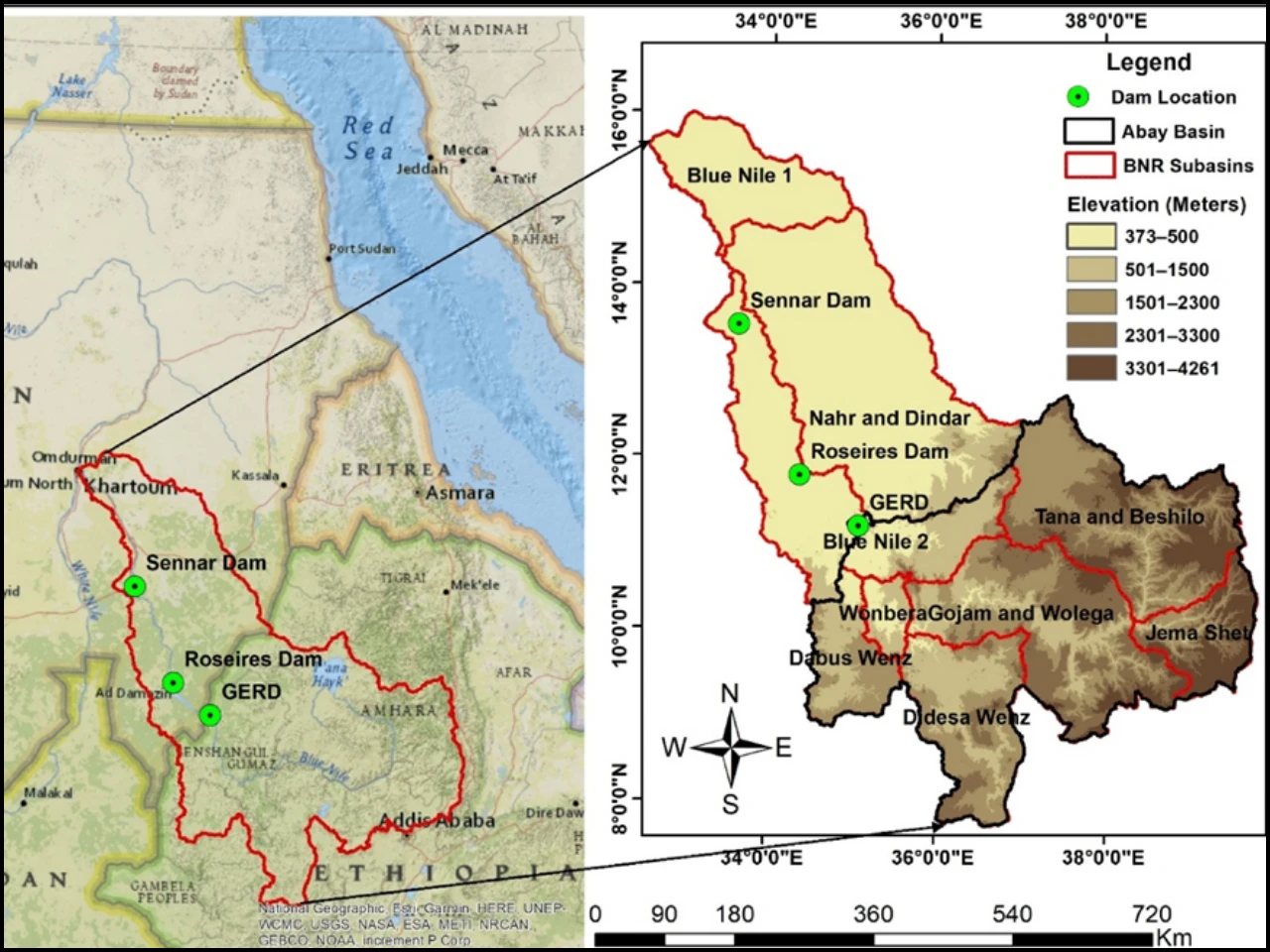
President Taye addresses debt relief and the milestone of the GERD at the 80th session of the United Nations General Assembly.
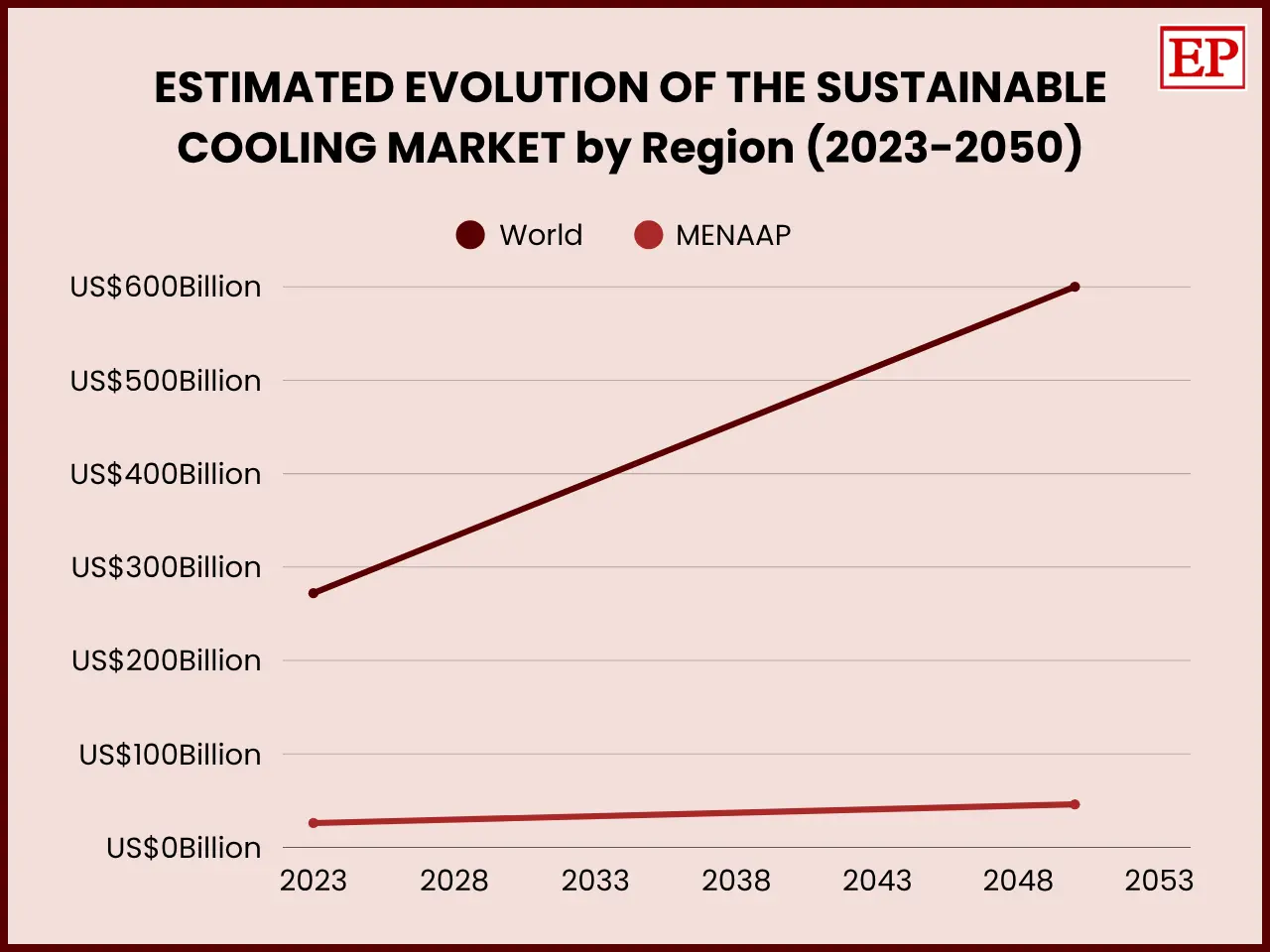
One-third of the companies have more than 100 days a year when average temperatures exceed 35 degrees Celsius. These conditions affect the financial performance of the companies negatively, as the companies that deal with a greater number of “hot” days have decreasing sales figures by around 6 percent.
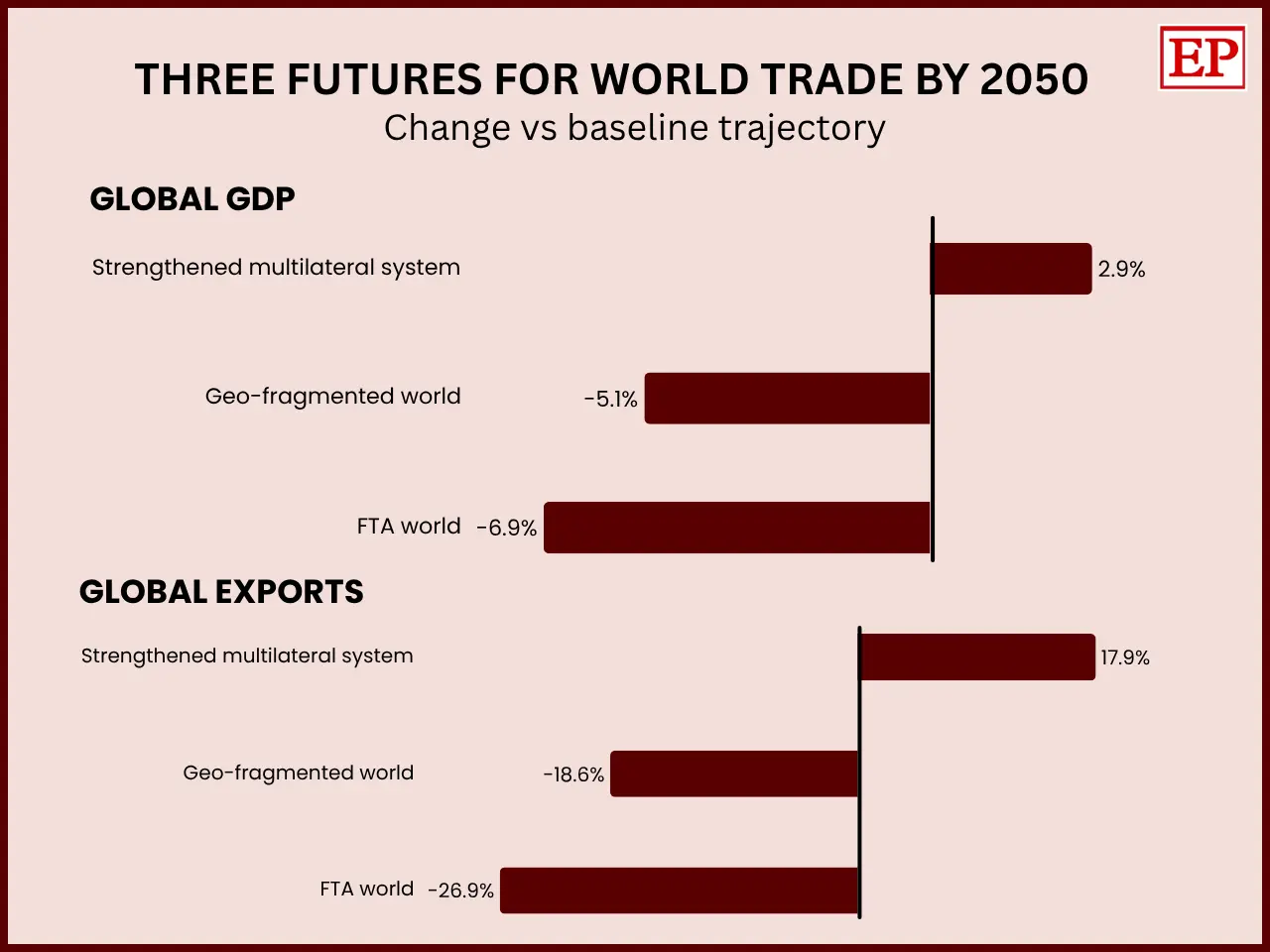
Strengthening WTO rules could lift global GDP by 2.9% by 2050, while eroding them could shrink it by up to 6.9%. The 2026 World Trade Report shows the real cost of trade fragmentation is opportunity lost.
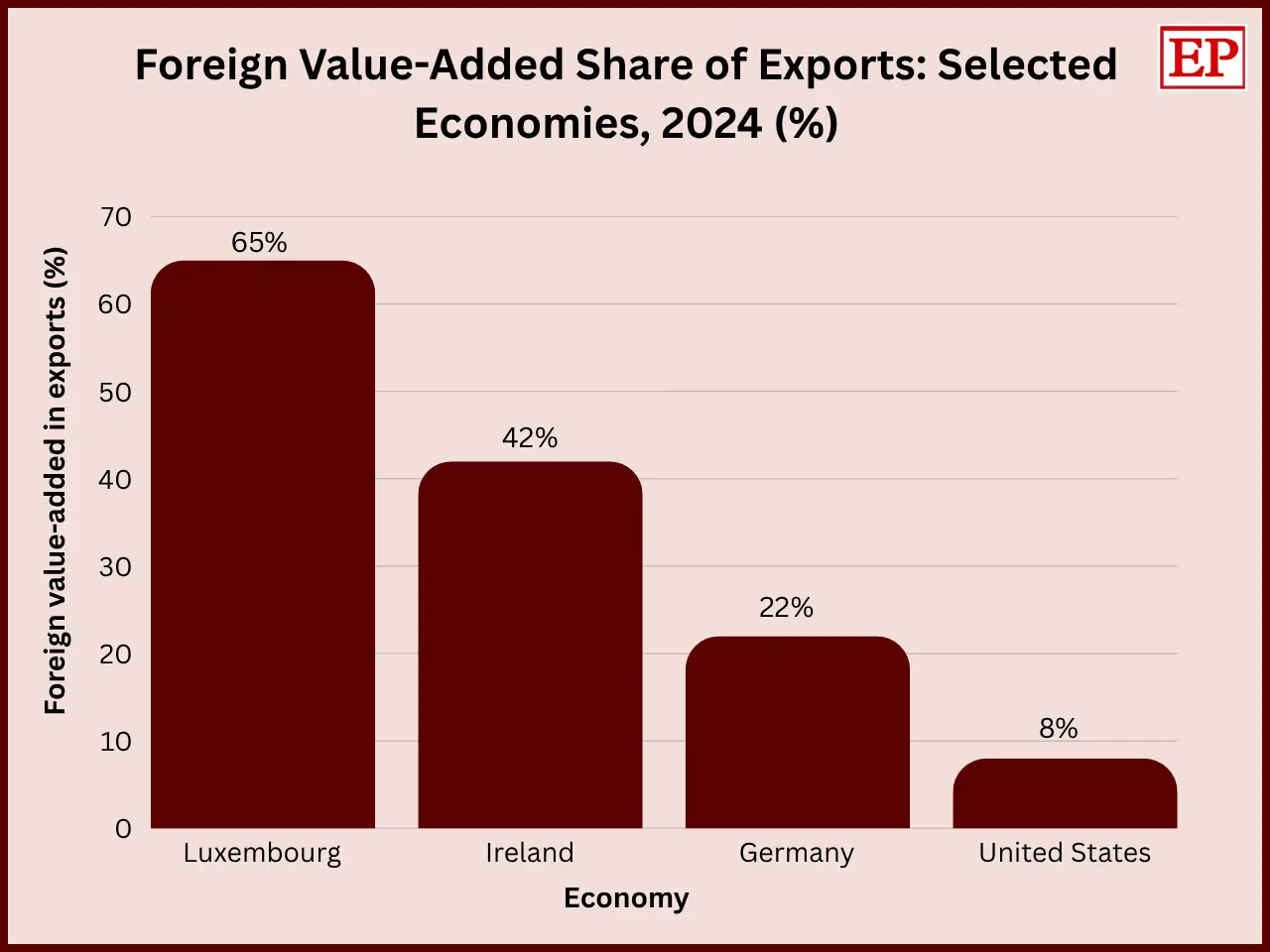
A new OECD analysis highlights how targeted industrial policies, economic diversification, resilient supply chains and international cooperation can help small economies strengthen resilience without retreating from global markets.
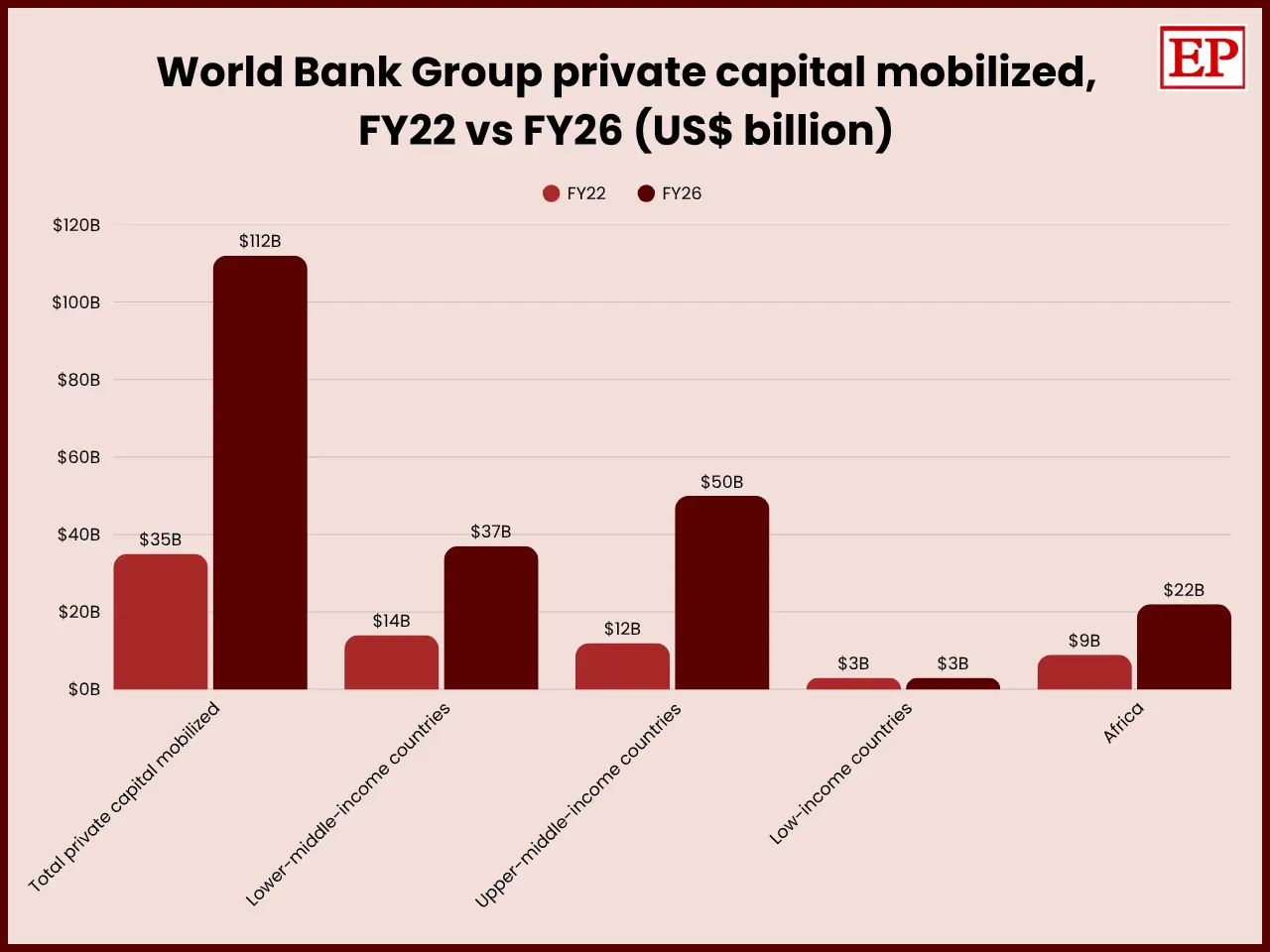
The World Bank Group's private capital mobilization jumped from $35 billion in FY22 to a record $112 billion in FY26, but 1.2 billion young people will need work while only 420 million jobs are projected.
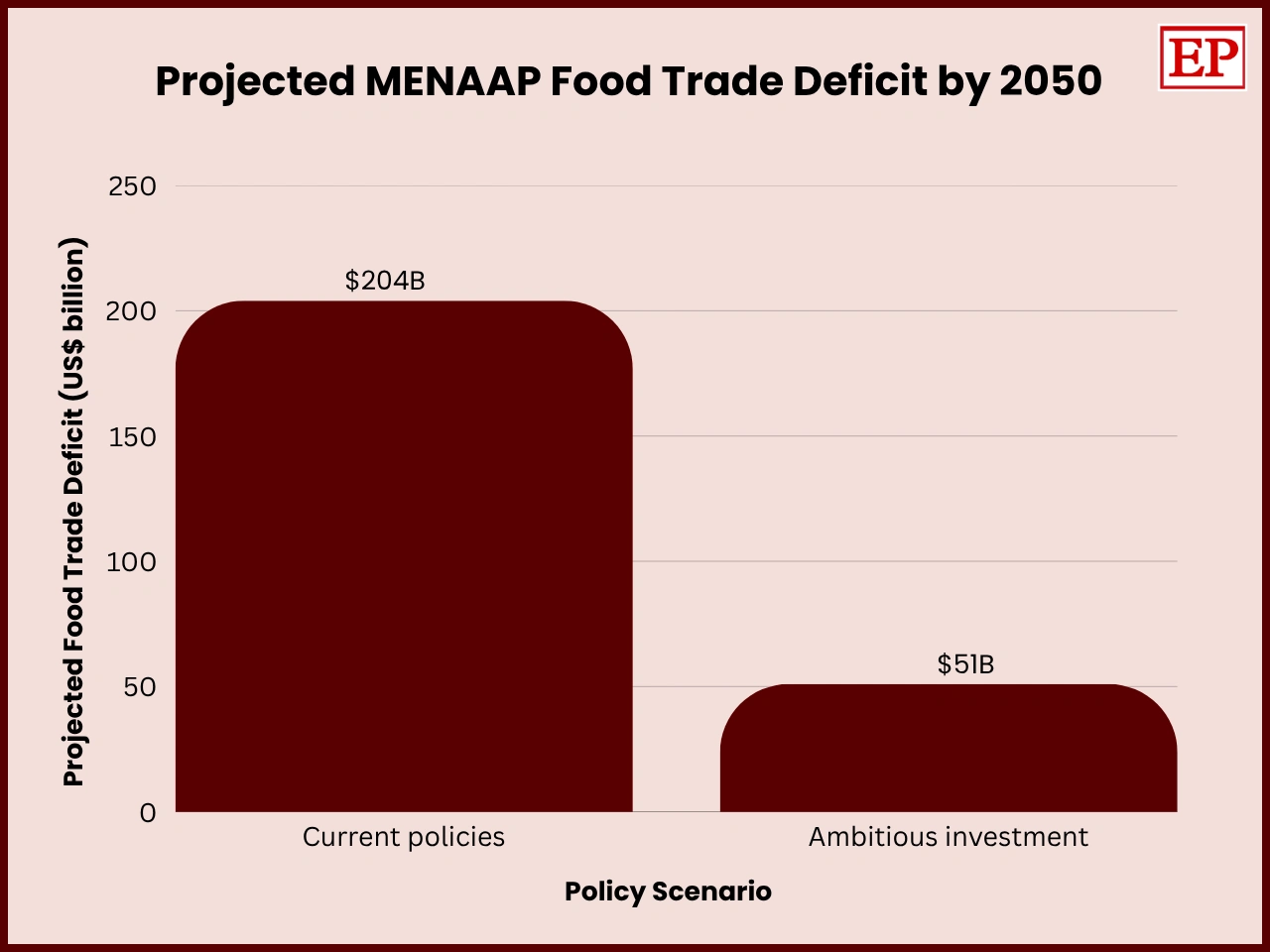
Investment and business climate reforms in the agrifood system could create the equivalent of 5 million additional jobs across the Middle East and North Africa, Afghanistan, and Pakistan by 2050, according to the World Bank's Building Food Security, Creating Jobs report.
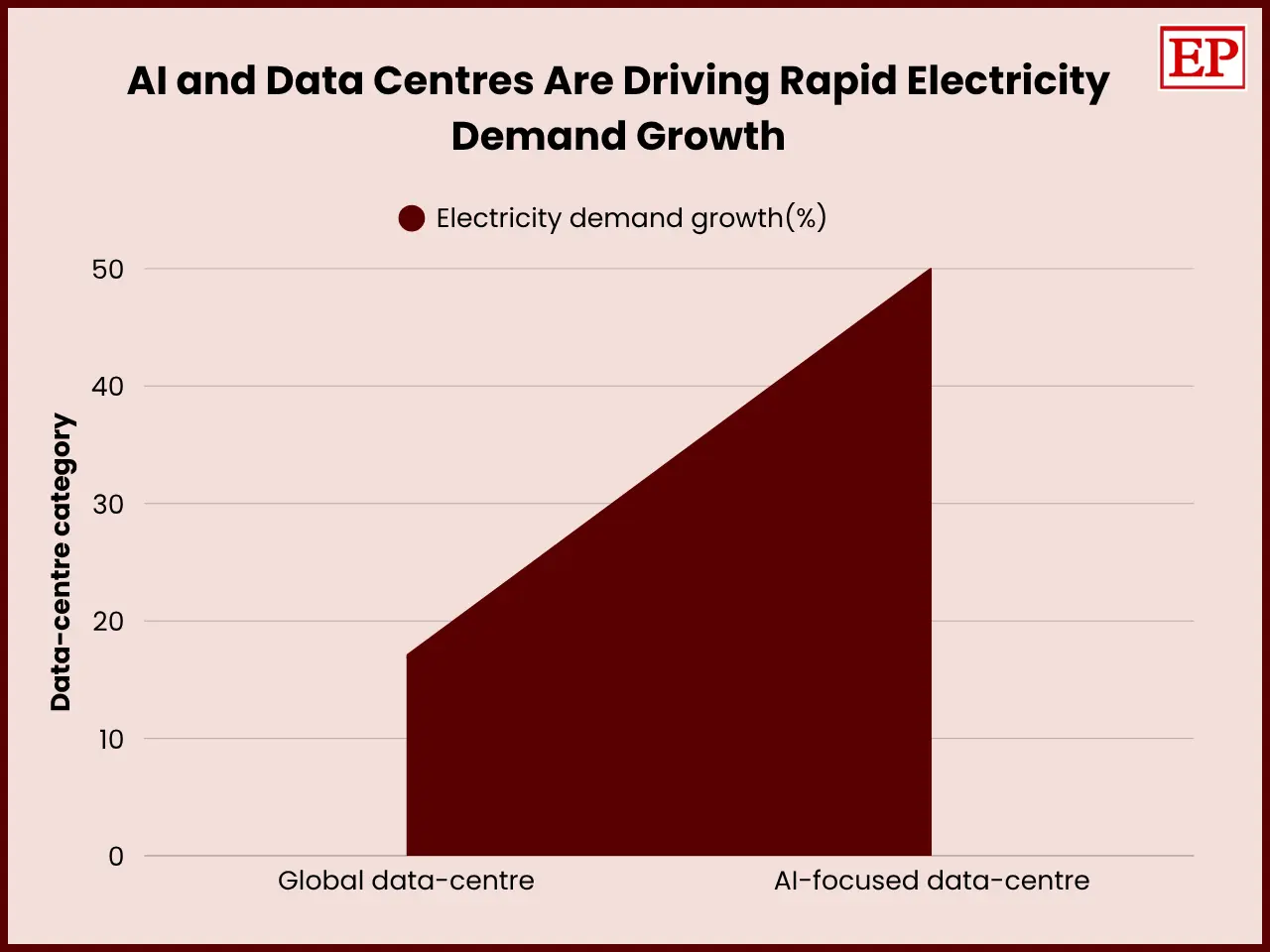
AI and data centers are intensifying electricity demand, and tech firms are dominating renewable energy investments. Electricity is set to become a critical consumption area and transformation driver in the near future.
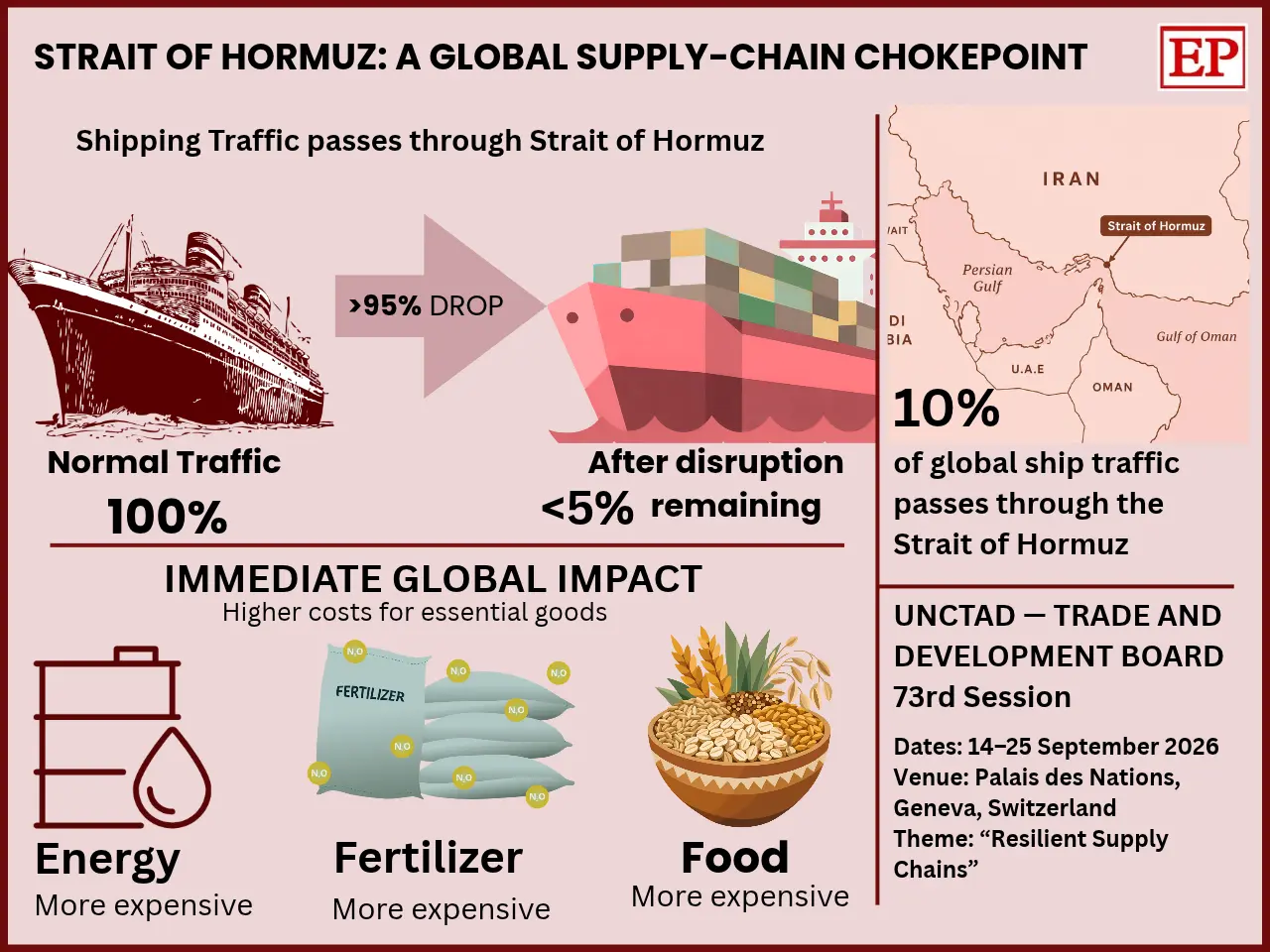
An immediate drop in traffic of over 95% has led to an immediate increase in electricity prices, fertilizer prices, and food prices in the Strait of Hormuz, which accounts for roughly a tenth of the world’s ship traffic, UNCTAD notes.
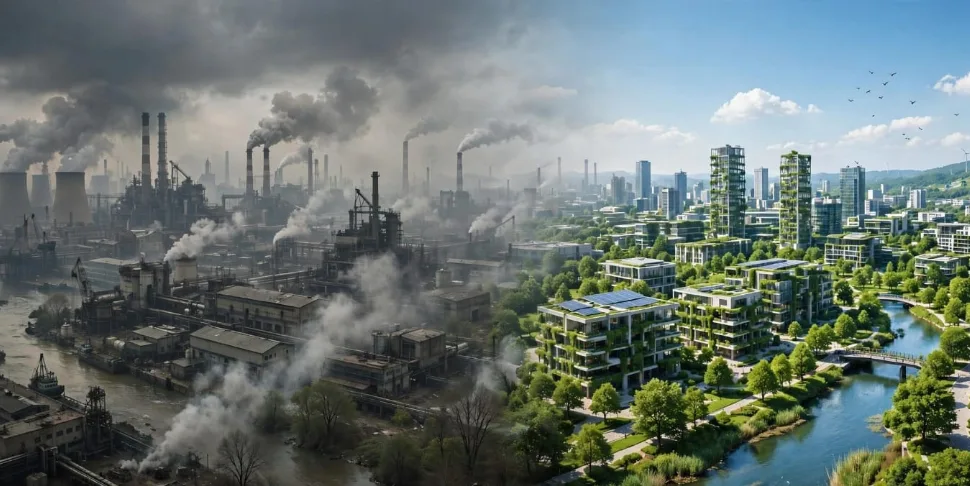
Air pollution kills 5.7 million people yearly and costs nearly 5% of global GDP, but integrated policies could cut deaths by 35% and unlock up to $2.4 trillion in economic benefits by 2040.

At the World Economic Forum's Summer Davos in Dalian, World Bank data shows China's total goods and services exports at $3.77 trillion, up from virtually nothing in 1980. Renewable energy exports hit 68GW in March 2026 and EV exports reached $9.1 billion monthly, up from under $1 billion in 2022. Yet retail sales growth was just 0.2% year-over-year in April 2026, the lowest since 2022. China targets 5% GDP growth in 2026 as it balances dominance in manufacturing and clean energy with slowing domestic consumption.
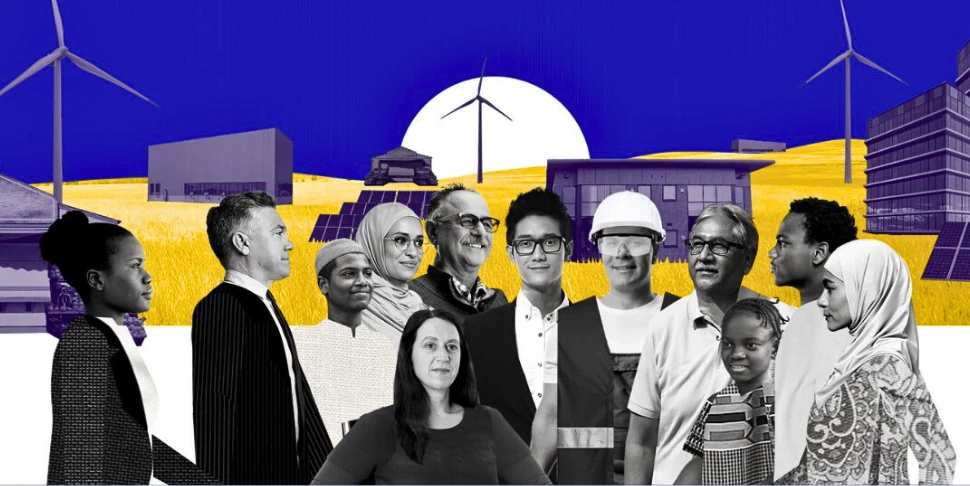
The world bodies like the International Labour Organization (ILO), World Bank, and World Economic Forum (WEF) have come up with detailed figures that show the potential as well as the obstacles of investing investment into good employment opportunities in the world. The ILO in its World Employment and Social Outlook Update 2025 has reduced its expectations to create 53 million new jobs from the initial projection of 60 million new jobs in the world.
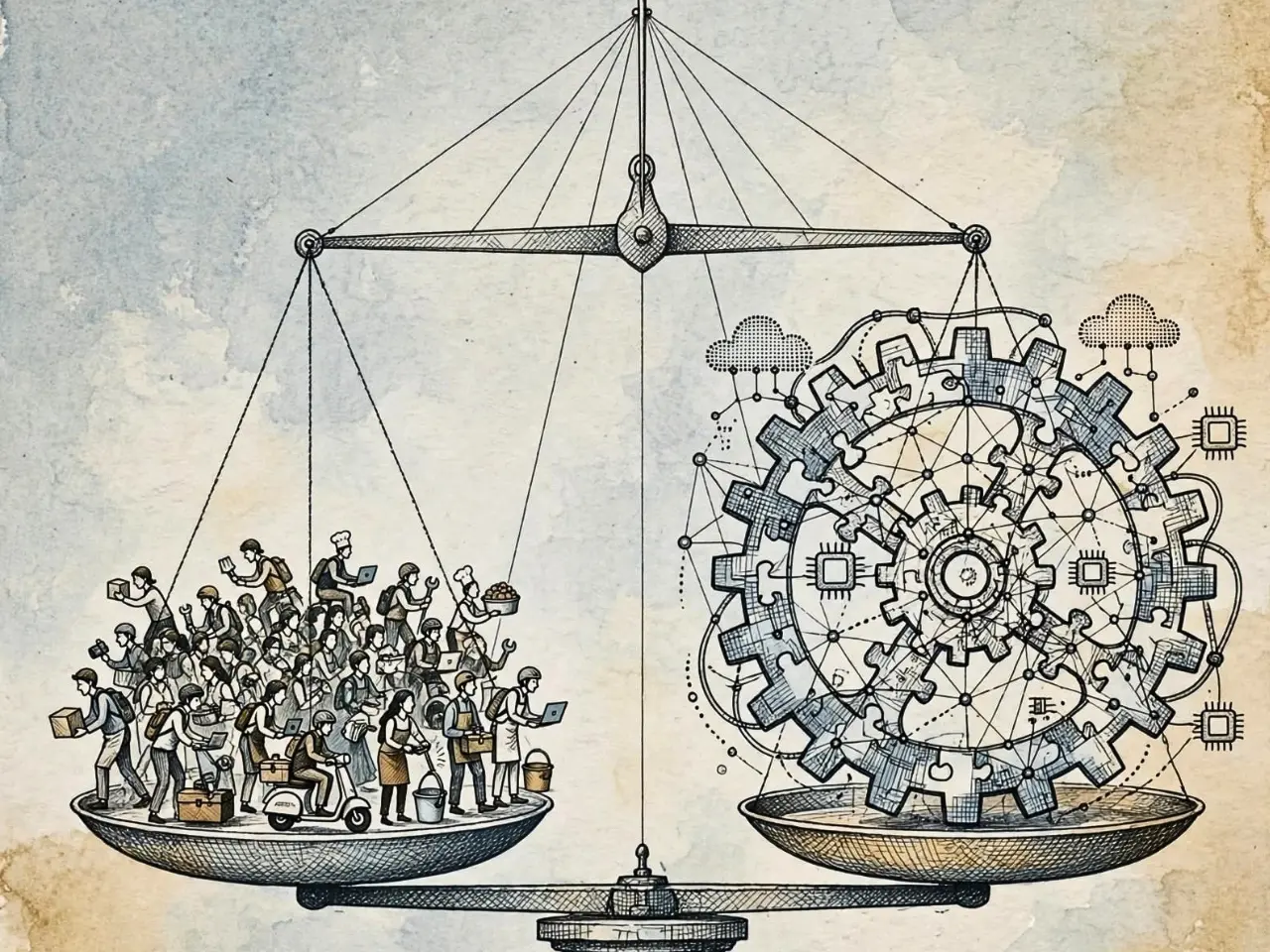
Traditionally, work was mostly linked with stability, having a stable job, predetermined working hours, a fixed income, and, most importantly, access to employment benefits and security of job. But now, things are slowly changing in the wake of the expansion of the gig economy.
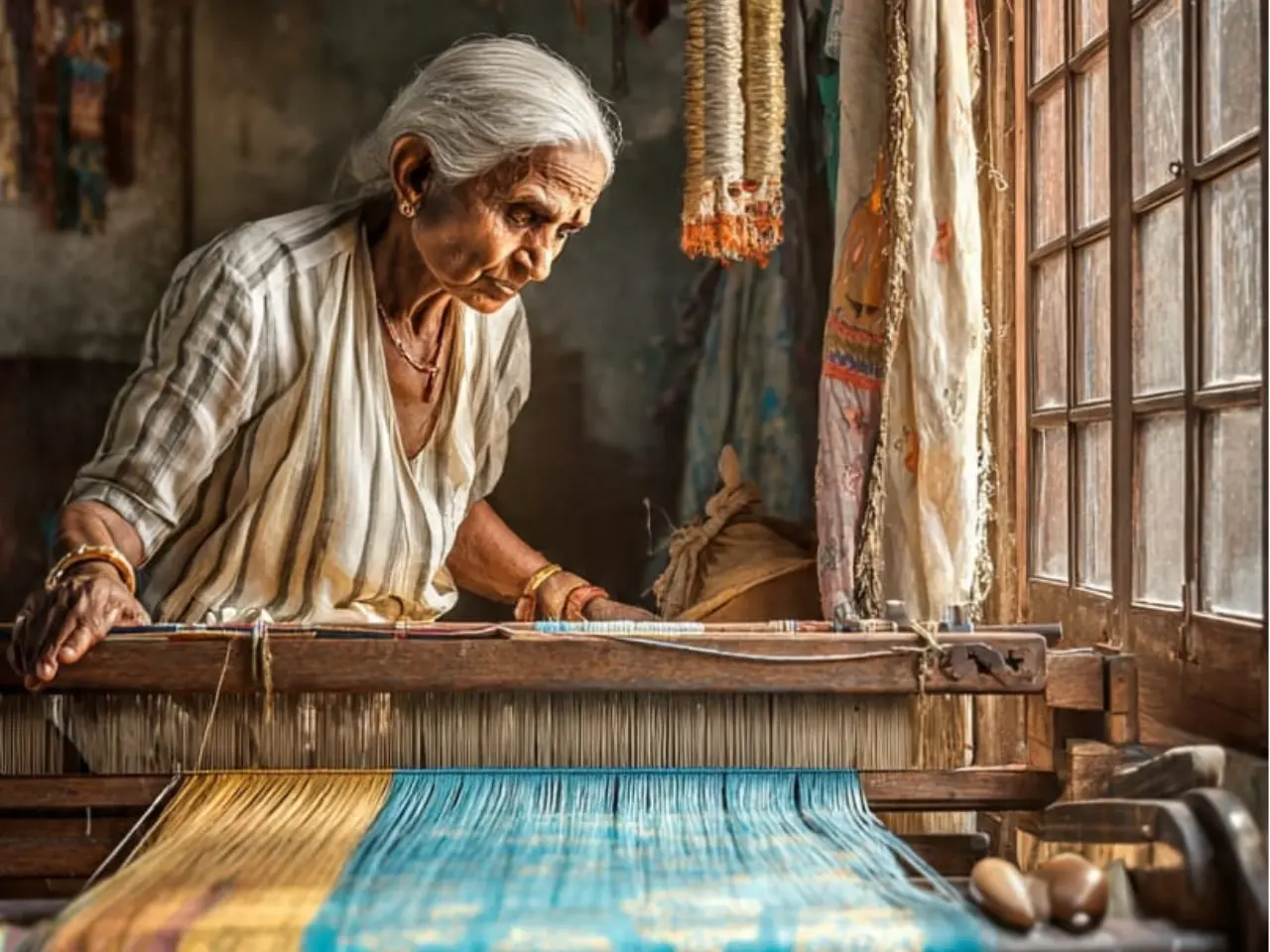
India’s handloom exports are booming globally. Discover how govt schemes like NHDP, India Handloom Brand & GI tags are helping weavers reach international markets with sustainable products.
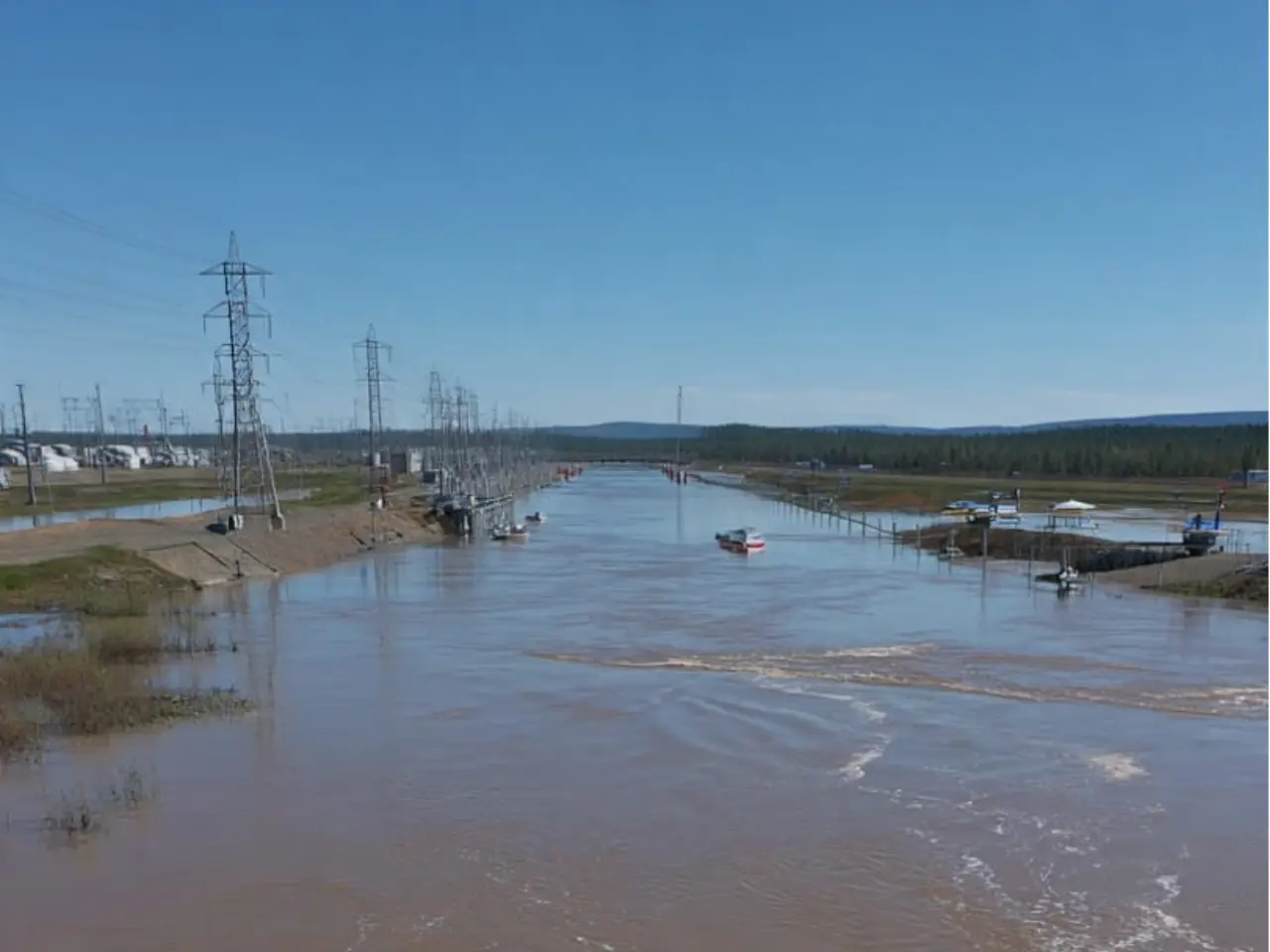
Water crosses borders. Learn how UNECE & UNISDR’s guide uses IWRM and DRM to manage floods, droughts & climate risk through cross-border cooperation and early warning.