When Russia invaded Ukraine, one of the first victims of the conflict was the insurance industry. Ukraine is a significant supplier of food to world markets, providing between 10 and 15% of traded wheat and corn and almost 50% of sunflower oil, but private insurers stopped covering maritime shipments of these goods due to attacks on Black Sea ports and civilian cargo ships by Russian missiles.
The risk of war was too significant to be covered by commercial insurance policies. However, the necessity of maintaining trade and investment flows during conflicts is one of the subjects of a new OECD report. The report discusses how businesses, investors, and households can protect their assets from war’s effects and how such insurance products help the economy.
The report estimates that Ukraine has suffered damages amounting to $195 billion in damage since 2022, and rebuilding over the next decade is projected to cost $588 billion. In addition, the countries of the Middle East, whose energy infrastructure was destroyed in the attacks, may need up to $58 billion in investments to restore it. Thus, without compensating some of the losses, businesses will be unable to operate, and investors will be reluctant to fund ventures in conflict zones. There are two types of insurance that can help in such situations. The first is political risk insurance, which covers various geopolitical events, such as nationalization of private assets, capital controls, trade restrictions, and confiscation of property. In addition, this type of insurance compensates for losses due to war, which allows maintaining the flow of investments in unstable regions. Political risk insurance is provided by private insurers, development banks, and export credit agencies.
The second type of insurance is property insurance, which covers war-related risks, such as property damage. However, standard property insurance policies do not include protection against acts of war. Coverage of such risks requires additional agreements because the losses are considered too significant for private insurers to cover them. In addition, insurance against war is usually provided only to large business structures.
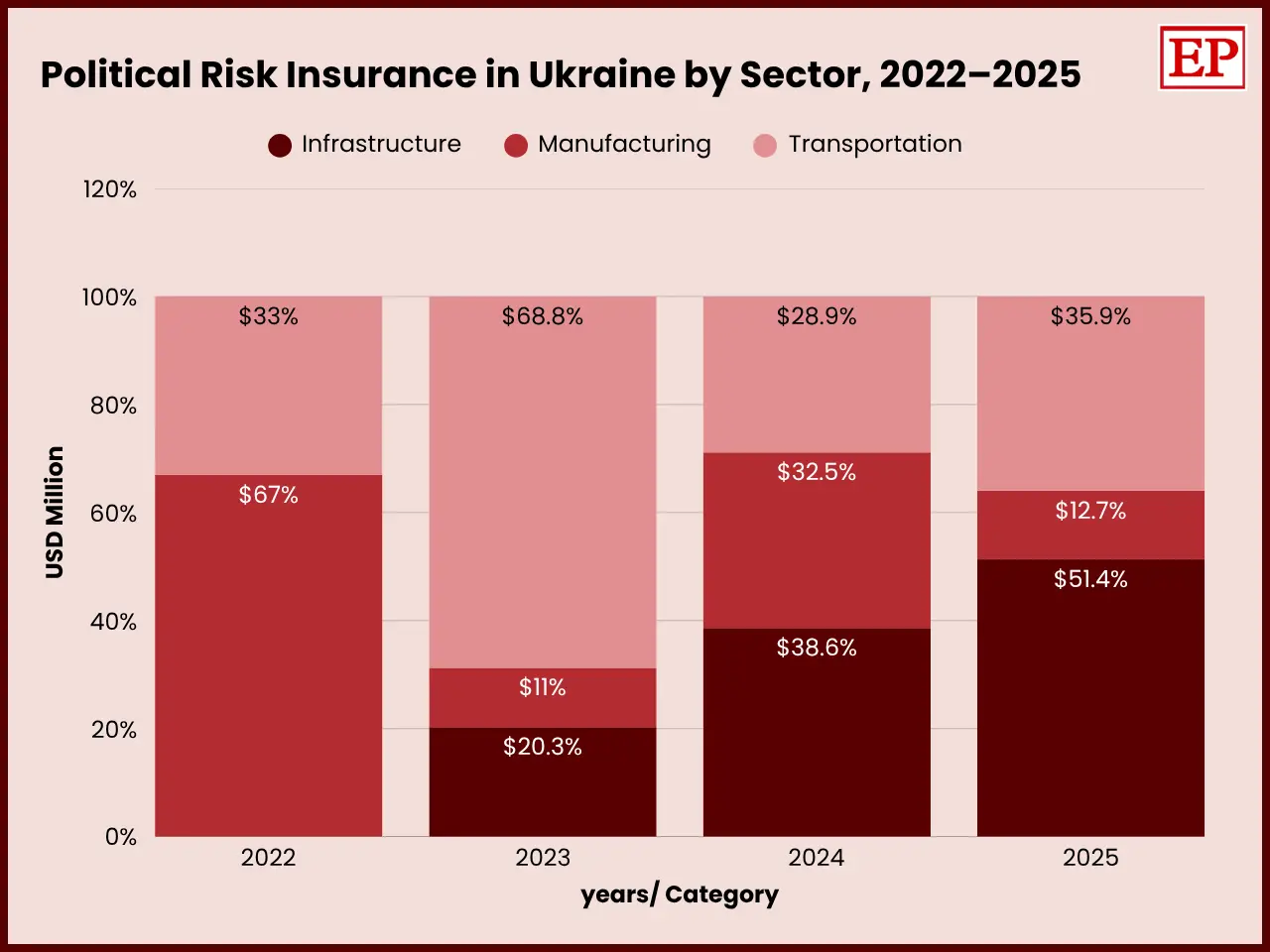
The report highlights that the private insurance market is not interested in insuring businesses against war-related risks. At the same time, when hostilities begin, demand for such coverage increases. Ukraine’s experience shows that political risk insurance is in high demand among investors. In 2024 and 2025, $3.5 billion in political risk insurance is expected to be provided to Ukrainian businesses, most of which will be allocated to infrastructure, industry, and transport. However, the distribution of this insurance between different types of organizations has changed significantly since the beginning of the war. Export credit agencies now provide 78% of coverage, while multilateral development banks provide 22%. At the same time, private insurers are almost completely disinterested in providing such insurance.
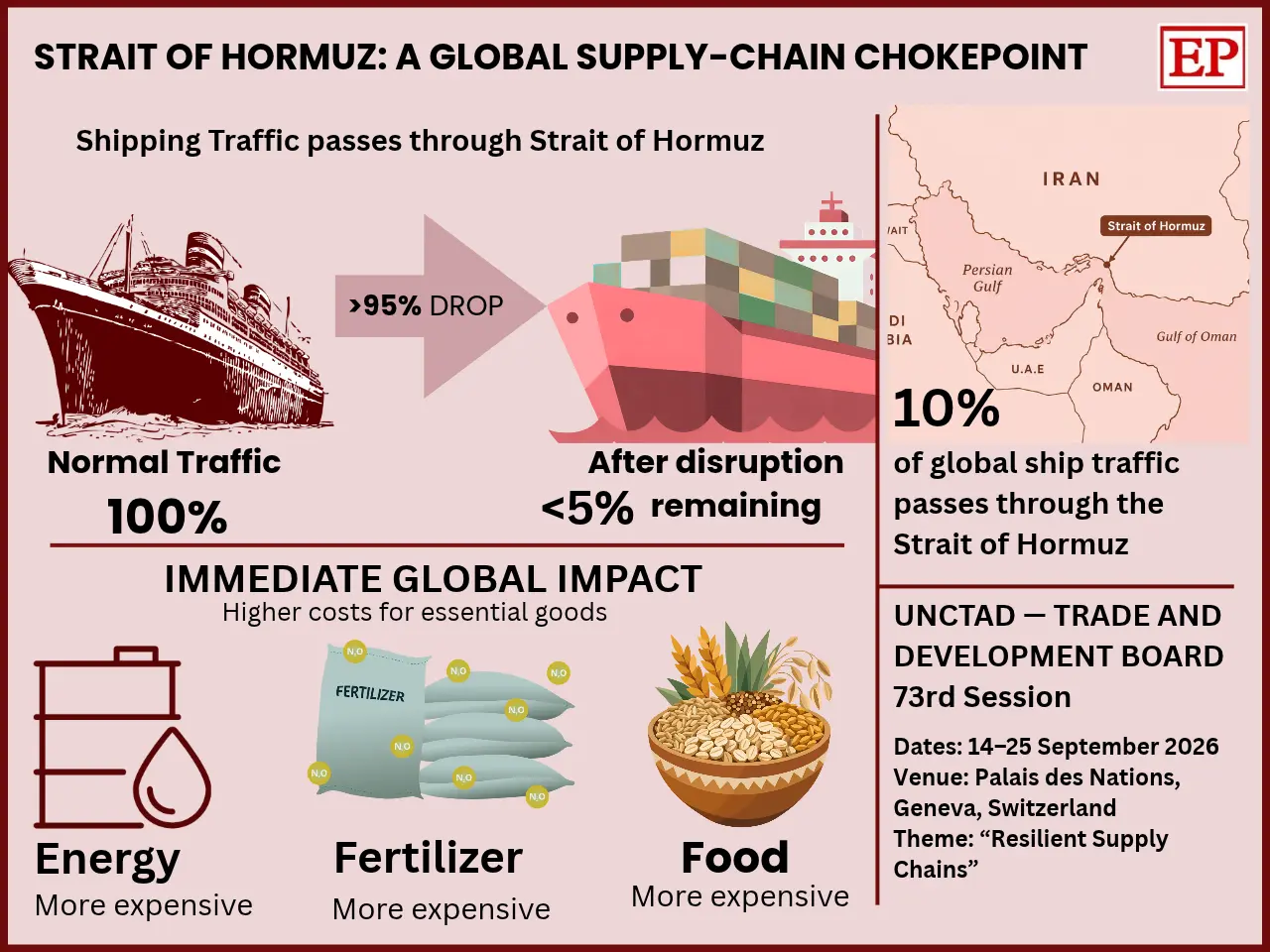
Public organizations are taking steps to ensure that businesses have access to insurance against war-related risks. In Ukraine, EBRD, DFC, and local insurers have provided residents with insurance coverage. In addition, Ukrainian authorities are developing legislation that will obligate businesses to take out insurance and subvention policies for certain industries. In the Middle East, the DFC has arranged a reinsurance program that covers up to $40 billion in maritime cargo insurance, which is critical for the energy and food supply chains. Thus, the report shows that public insurance programs are critical to ensuring economic security during conflicts.
War-related insurance products cannot eliminate the risks of war, but they can reduce some of the losses that businesses have to bear. The experience of Ukraine and the Middle East shows that when public authorities provide coverage for war-related risks, businesses can resume operations. Even though the ships had to navigate around Ukraine, the cover provided by the insurers allowed grain to flow to global markets.