The global economy stands at a tipping point. Physical assets no longer define a nation’s ultimate wealth: the heft of human capital is now king. The Human Capital Index issues a stark, unavoidable ultimatum: the countries that invest in people now are writing the economic narrative for their workers, businesses, and average incomes for generations. In a world where automation and dynamic labor markets have made upskilling a prerequisite for doing anything but barely making it, Human Capital Index reveals who will flourish and who will falter.
Human Capital Index: The Leading Indicator of the Next Global Economy
The Human Capital Index+ is an entirely new framework to gauge how nations are positioning themselves for future prosperity. Instead of looking backwards and assessing actual output and current income, it connects investments in the building blocks of people’s education, health, and skills to future productivity and future income per capita. In doing so, it signals how well the future economics will look, showing how it truly depends on how we treat our people.
Skills, Health, and the Productivity Engine
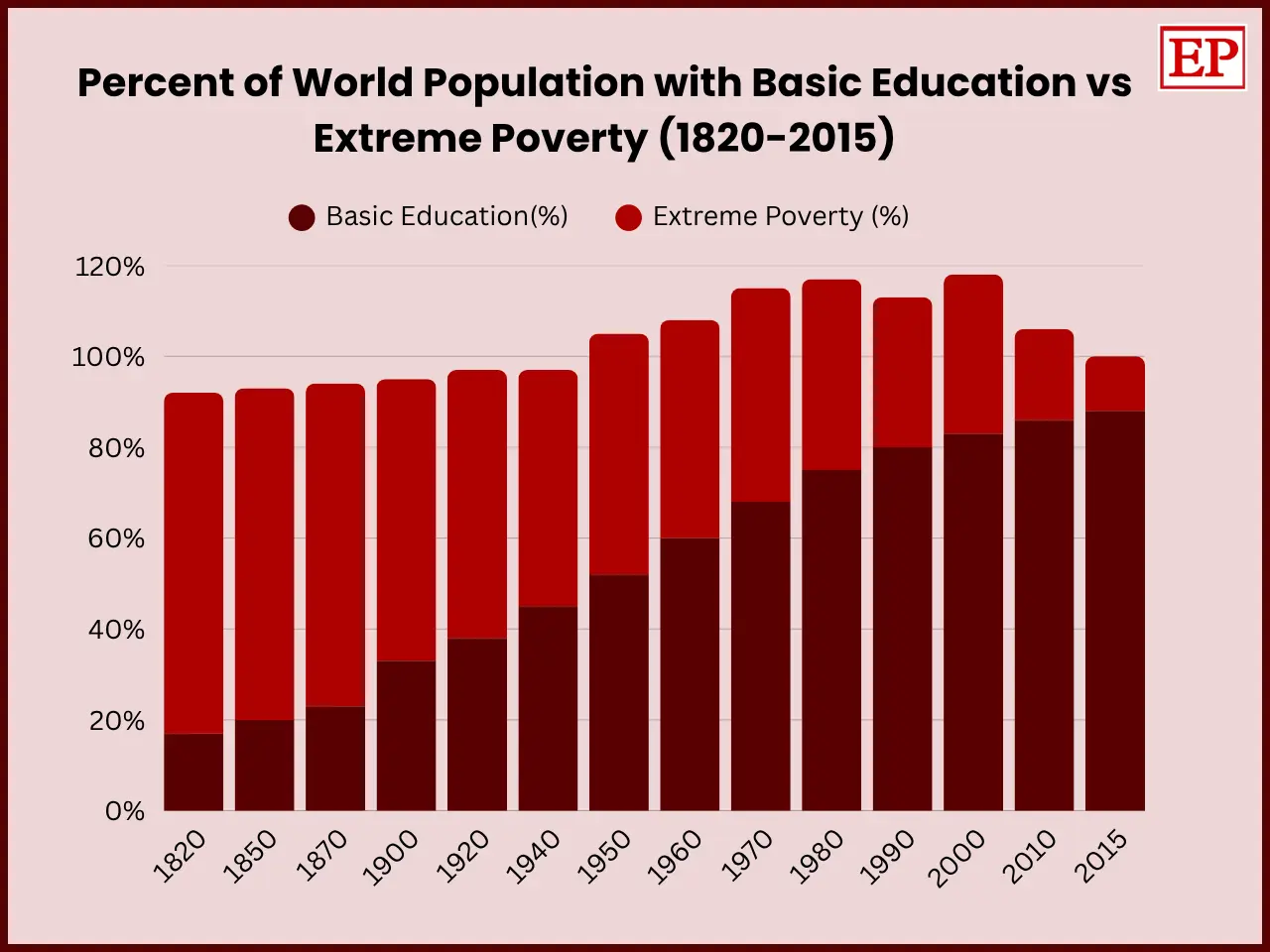
At the foundation of our index is an indisputable and powerfully simple truth: the economic productivity engine is the capable individual. The poor are most often resource poor, and for most of them, human capital is the only capital that they are able to call their own and is essential for poverty alleviation. Of the gains in the incomes of those in the lowest 20% since 1980, education is responsible for 60%. Education imparts a foundation of knowledge; health permits individuals to actually participate in productive activities; and when coupled with adequate skills development and the capacity for lifelong learning in a knowledge-based global economy, it results in one incredibly potent and enduring mechanism that generates growth and innovation.
The Cost of Inaction: Inequality and Lost Potential
The Human Capital Index reveals how costly it is to neglect human development. Access to quality health, education, and job skills continues to exacerbate disparities within and between countries. A large share of the population is not ready to effectively participate in the jobs of today in a country. There is loss of opportunity to earn money and a less productive national economy. It is not only a social issue but also an economic threat; countries that do not close these gaps are in danger of low growth and competitiveness and having a workforce unable to tackle future challenges.
Defining a Path Forward through Strategic Investment in People
Beyond identifying problems and understanding why they exist, the index offers a framework of action and identifies the priority reforms and interventions where investment will most meaningfully improve outcomes over time. Some of the most potent policy responses to building such resilient workforces include investments in education, health, and skill sets attuned to a shifting labor market. In the Index Plus, the emphasis is on building country strategies built around the lives of individuals, a shift away from passive reaction and adjustment towards thoughtful planning. The debate on whether countries can afford to invest in their people has long ceased to be relevant in today’s globally oriented, highly competitive landscape.
The cost to countries of not investing in people and providing people with opportunities to lead productive and healthy lives is already immeasurably high. There’s also compelling empirical evidence now, from the Human Capital Index Plus, showing why high-income economies, in particular, must invest now to achieve future prosperity in inclusive societies.