LATEST

Explained

The image represent global job shifting and tech dominant
Explained ·Jun 1, 2026 ·7 min read

1.2 Billion Youths, 357 Million Jobs: Can the Global Economy Keep Up

The global economy shows resilience in 2025, with growth forecasts at 2.7%. Key drivers include job creation, tech innovation, infrastructure development, and a focus on sustainable, inclusive growth amidst demographic shifts. In most countries, interest rates started to fall due to the previous tightening of the interest rates that had shut international capital markets' accessibility.

Read article
The image represent energy and food price shocks are in way that help vulnerable people and keep business open without further straining public finances
Explained ·May 30, 2026

Subsidies Help the Rich More Than the Poor During Energy & Food Price Spikes

IMF recommends temporary, targeted cash transfers to low-income households instead of broad energy subsidies and price controls. Rising energy and food prices reduce consumer purchasing power and induce inflation. Key principles: let domestic energy prices reflect world markets, provide income transfers, give businesses liquidity not long-term subsidies. Broad subsidies distort markets, raise government debt, and benefit wealthy households more.

The graph represent global trade imbalance graph
Explained ·May 26, 2026

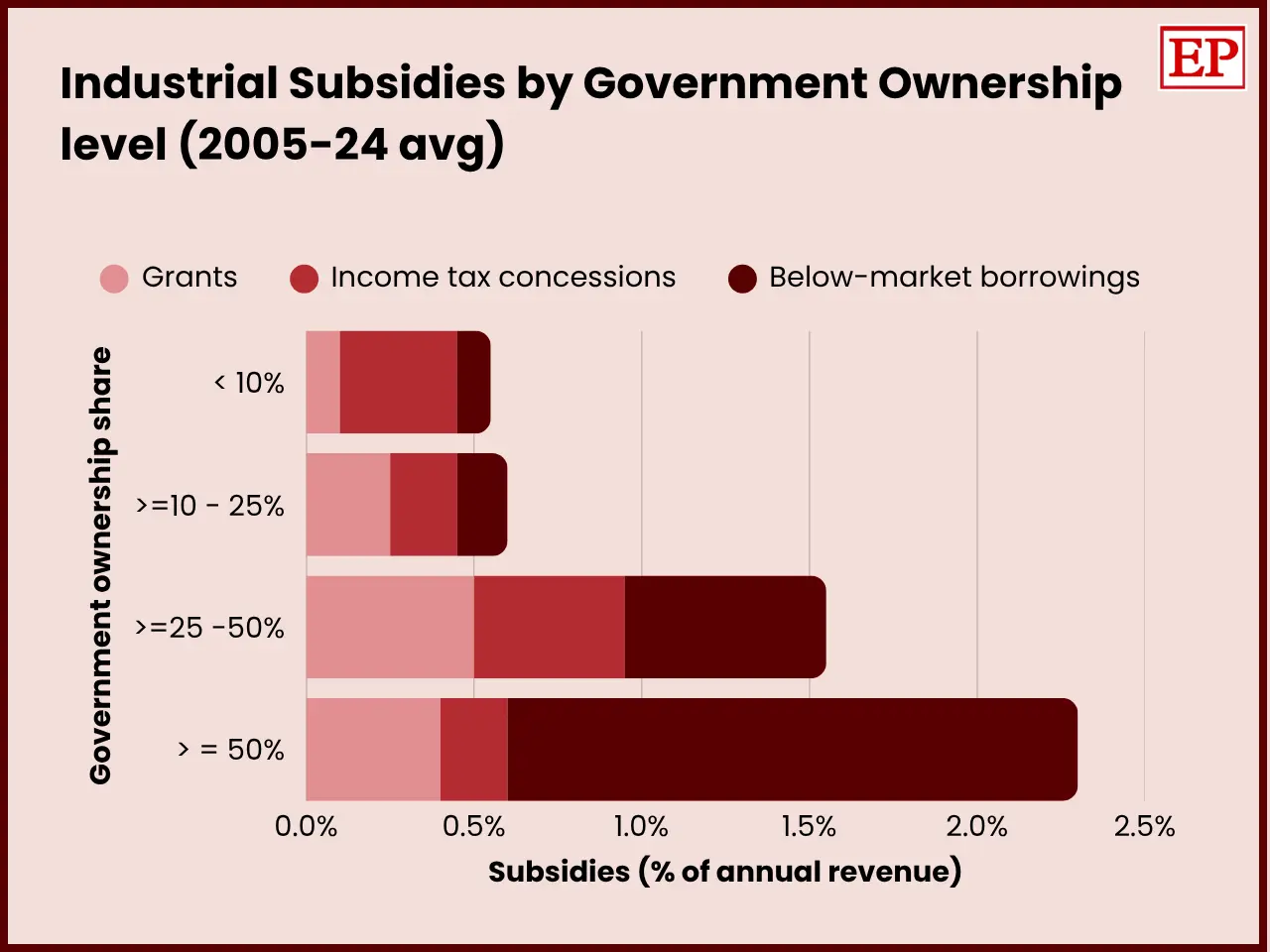
IMF: Tariffs and Industrial Subsidies ‘Largely Ineffective’ as Global Trade Imbalances Reverse Post-2008 Gains

The International Monetary Fund warned in a pointed new policy paper that tariffs and industrial subsidies are largely ineffective and damaging to economic welfare, as global trade progress since the 2008 financial crisis has reversed. The IMF says rebalancing requires coordinating domestic macroeconomic reform, not trade barriers, with widening imbalances driven by persistently large deficits in national saving in the United States and China’s ongoing real estate slowdown.

The graph represent women unbanked data
Explained ·May 24, 2026

73% of Women in Low- and Middle-Income Countries Now Own Financial Accounts, But 700 Million Remain Unbanked

Global Findex 2025 data shows women's financial account ownership in low- and middle-income countries rose to 73% in 2024, up from 66% in 2021. Digital payment usage grew from 50% to 58% and formal savings from 22% to 36%, yet over 700 million women remain unbanked. High fees, distance, and limited access to credit continue to hinder full financial inclusion and economic independence.

The graph represent financial access
Explained ·May 22, 2026

839 Million in Poverty, Yet 76% Have Financial Access: A Tale of Uneven Progress

The World Bank scorecard reveals mixed global development trends: 839 million in poverty, 76% financial access, and uneven progress in electricity & displacement, highlighting structural weaknesses & need for targeted action. The financial inclusion of women in South Asia is one of the most dramatic, as the number of female account owners increased from 27% to 83%. Aesthetically, the gender gap that used to prevail in the chart has been significantly reduced, which signifies a change in structures and not marginal improvement.This revolution has serious economic consequences. The financial access increases savings behavior, promotes the development of micro-enterprises, increases resilience to shocks, and enhances the bargaining power of women in households.

The image represent global map to represent the rop emissions
Explained ·Apr 1, 2026

Crop Emissions Exposed: How Rice, Corn, and Palm Oil Are Heating Up the Planet

Emissions from drained peatlands rose slightly in Southeast Asia, though uncertainties remain in data estimates. Feeding a projected global population of nearly 10 billion by 2050 without sharply increasing emissions presents a critical challenge. Due to staple crops being the building blocks of food security, cultural identity, and livelihoods, replacing these crops is not an option that either makes sense or is desirable. Changes in agricultural practices will be the viable means of advancing. For instance, with rice, mitigation of methane emissions can occur through alternating the permitting of wet and dry periods instead of flooding. Crop residue management (composting or using straw as animal feed) can also contribute to the reduction of greenhouse gas emissions by not burning or incinerating waste products resulting from rice productivity.

The image represent energy and food price shocks are in way that help vulnerable people and keep business open without further straining public finances
Explained ·May 30, 2026

Subsidies Help the Rich More Than the Poor During Energy & Food Price Spikes

IMF recommends temporary, targeted cash transfers to low-income households instead of broad energy subsidies and price controls. Rising energy and food prices reduce consumer purchasing power and induce inflation. Key principles: let domestic energy prices reflect world markets, provide income transfers, give businesses liquidity not long-term subsidies. Broad subsidies distort markets, raise government debt, and benefit wealthy households more.

The graph represent global trade imbalance graph
Explained ·May 26, 2026

IMF: Tariffs and Industrial Subsidies ‘Largely Ineffective’ as Global Trade Imbalances Reverse Post-2008 Gains

The International Monetary Fund warned in a pointed new policy paper that tariffs and industrial subsidies are largely ineffective and damaging to economic welfare, as global trade progress since the 2008 financial crisis has reversed. The IMF says rebalancing requires coordinating domestic macroeconomic reform, not trade barriers, with widening imbalances driven by persistently large deficits in national saving in the United States and China’s ongoing real estate slowdown.

The graph represent women unbanked data
Explained ·May 24, 2026

73% of Women in Low- and Middle-Income Countries Now Own Financial Accounts, But 700 Million Remain Unbanked

Global Findex 2025 data shows women's financial account ownership in low- and middle-income countries rose to 73% in 2024, up from 66% in 2021. Digital payment usage grew from 50% to 58% and formal savings from 22% to 36%, yet over 700 million women remain unbanked. High fees, distance, and limited access to credit continue to hinder full financial inclusion and economic independence.

The graph represent financial access
Explained ·May 22, 2026

839 Million in Poverty, Yet 76% Have Financial Access: A Tale of Uneven Progress

The World Bank scorecard reveals mixed global development trends: 839 million in poverty, 76% financial access, and uneven progress in electricity & displacement, highlighting structural weaknesses & need for targeted action. The financial inclusion of women in South Asia is one of the most dramatic, as the number of female account owners increased from 27% to 83%. Aesthetically, the gender gap that used to prevail in the chart has been significantly reduced, which signifies a change in structures and not marginal improvement.This revolution has serious economic consequences. The financial access increases savings behavior, promotes the development of micro-enterprises, increases resilience to shocks, and enhances the bargaining power of women in households.

The image represent global map to represent the rop emissions
Explained ·Apr 1, 2026

Crop Emissions Exposed: How Rice, Corn, and Palm Oil Are Heating Up the Planet

Emissions from drained peatlands rose slightly in Southeast Asia, though uncertainties remain in data estimates. Feeding a projected global population of nearly 10 billion by 2050 without sharply increasing emissions presents a critical challenge. Due to staple crops being the building blocks of food security, cultural identity, and livelihoods, replacing these crops is not an option that either makes sense or is desirable. Changes in agricultural practices will be the viable means of advancing. For instance, with rice, mitigation of methane emissions can occur through alternating the permitting of wet and dry periods instead of flooding. Crop residue management (composting or using straw as animal feed) can also contribute to the reduction of greenhouse gas emissions by not burning or incinerating waste products resulting from rice productivity.