LATEST

Explained

The graph represent distribution of the population, 2013 and 2023
Explained ·Mar 31, 2026 ·6 min read

Global Poverty Shifts: Africa, Children Bear Brunt of Extreme Poverty

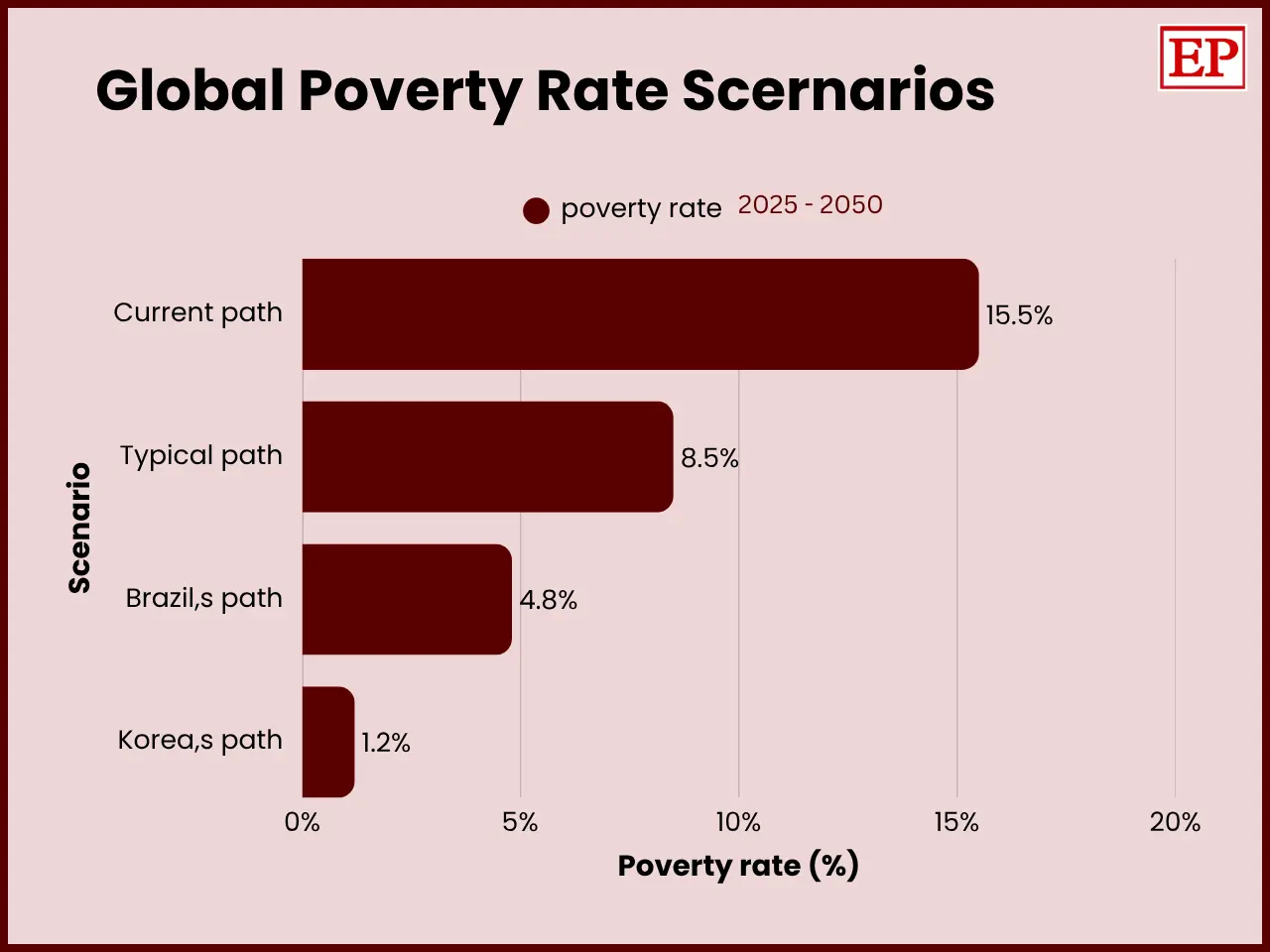
The percentage of people living in extreme poverty in rural areas of sub-Saharan Africa increased dramatically from 33 percent in 2013 to 53 percent as of 2023. The percentage of the world’s total poor who reside in urban areas of Africa has more than doubled since 2013, despite urban areas of Africa comprising a small proportion of the global population. There has been a significant change in terms of who makes up the population that falls below the poverty line today. More than half (or 46%) of those living in extreme poverty today are less than 15 years of age. This means over 50% of all people living in extreme poverty are children. Despite overall decreases in poverty rates for all age groups, there has been less of a decrease when it comes to youth (age 15 to 24) than with adults (over age 25).

Read article
The graph represent the stock and bond correlation in 2000 t0 2025
Explained ·Mar 30, 2026

Stock-Bond Correlation Shift: Is the Traditional Hedge Broken

According to IMF analysis, the stock and bond returns have been trending in the same way, mainly on acute selloffs, since early 2020. Rather than bonds covering the losses of equity, the two asset classes have sometimes declined in tandem, eliminating the diversification advantages. It seems that the shift started towards the end of 2019 and accelerated with the supply shocks prompted by the pandemic, which created global inflation. Statistics provided by the IMF indicate the presence of a structural break. In the pre-pandemic past, the correlation between equities and government bonds rolled negatively in the majority of cases. In 2020, the trend of the correlations was positive and often had a positive value.

the image represent the Corruption Perceptions Index rport 2025
Explained ·Mar 29, 2026

Global Corruption Hits Decade-Low: CPI 2025 Report Sounds Alarm on Governance

Over two-thirds of the nations had a score of below 50, meaning they were facing serious corruption issues in huge portions of the world. Nordic and highly institutionalized democracies still dominate at the top of the index. Denmark was ranked first with a score of 89, and this has followed a long track of good performance in governance. Other advanced nations are Finland, Singapore, and New Zealand, which are known to have a good reputation in terms of good institutions and open administration. On the other extreme, the least scored are conflict-affected and politically unstable states. There were the lowest scores in such countries as Somalia and South Sudan, where institutions are weak, and the crises of governance continue.

Electricity Demand Surges: Global Consumption Set to Skyrocket in the 'Age of Electricity
Explained ·Mar 28, 2026

Electricity Demand Surges: Global Consumption Set to Skyrocket in the 'Age of Electricity'

Global electricity consumption is entering a period of sustained and accelerated expansion, marking what many describe as the “Age of Electricity.” Between 2026 and 2030, worldwide electricity demand is projected to grow at an average annual rate of 3.6%, significantly faster than in the previous decade. This surge is driven by rising industrial production, rapid adoption of electric vehicles, expanding use of air conditioning, and the proliferation of data centers supporting digitalization and artificial intelligence. After increasing by 4.4% in 2024 and 3% in 2025, annual demand growth over the next five years is expected to be roughly 50% higher than the average recorded over the past decade.

Global Economy: Stable Growth, Unequal Recovery
Explained ·Mar 27, 2026

Global Economy: Stable Growth, Unequal Recovery

The report Global Economic Prospects, January 2026, indicated that the global economic growth is expected to reach a stable level of 2.6 percent in 2026, but it will increase to 2.7 percent in 2027. Although these numbers indicate a gradual upward trend in recovery, they also highlight a dispiriting truth that the benefits of such recovery are not being evenly distributed between regions and income groups. The report also highlights that the world economy has been able to escape deep economic downturns despite the dislocation in global trade and inconsistent investment climates. The global economy is growing, as the projections show that 2026 and 2027 will experience growth, although at a lower rate compared to the trends that were experienced before the pandemic.

Global Agricultural Prices to Stabilize in 2026, But Uncertainty Looms
Explained ·Mar 26, 2026

Global Agricultural Prices to Stabilize in 2026, But Uncertainty Looms

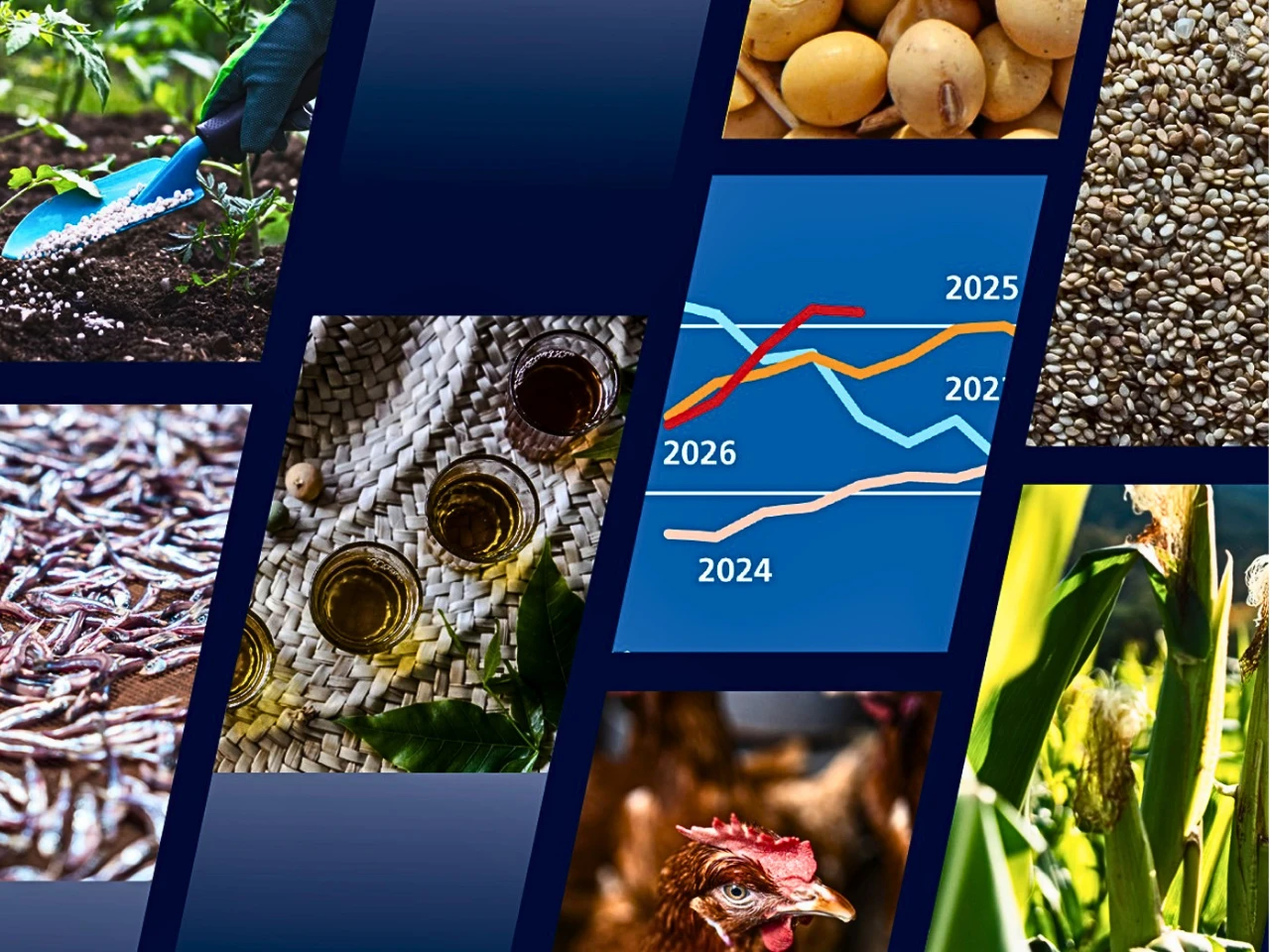
World Bank Group forecasts indicate the agricultural price index is projected to drop about two percent by 2026. This lower price forecast balances projected supply increases versus projected demand increases, with the net effect of the expected overall risks to the global commodity markets on average likely to be offsetting. Prices for food and agricultural raw materials are expected to remain stable across most commodities as anticipated production increases will be comparable to increases in consumption. In contrast, beverage prices, particularly coffee and cocoa, are expected to decline approximately seven percent, primarily as a result of expanded production levels. Although overall price movements appear under control, the forecast will remain vulnerable to weather variability, broader macroeconomic conditions and trends, trade-related policy issues, and input cost changes.

The graph represent the stock and bond correlation in 2000 t0 2025
Explained ·Mar 30, 2026

Stock-Bond Correlation Shift: Is the Traditional Hedge Broken

According to IMF analysis, the stock and bond returns have been trending in the same way, mainly on acute selloffs, since early 2020. Rather than bonds covering the losses of equity, the two asset classes have sometimes declined in tandem, eliminating the diversification advantages. It seems that the shift started towards the end of 2019 and accelerated with the supply shocks prompted by the pandemic, which created global inflation. Statistics provided by the IMF indicate the presence of a structural break. In the pre-pandemic past, the correlation between equities and government bonds rolled negatively in the majority of cases. In 2020, the trend of the correlations was positive and often had a positive value.

the image represent the Corruption Perceptions Index rport 2025
Explained ·Mar 29, 2026

Global Corruption Hits Decade-Low: CPI 2025 Report Sounds Alarm on Governance

Over two-thirds of the nations had a score of below 50, meaning they were facing serious corruption issues in huge portions of the world. Nordic and highly institutionalized democracies still dominate at the top of the index. Denmark was ranked first with a score of 89, and this has followed a long track of good performance in governance. Other advanced nations are Finland, Singapore, and New Zealand, which are known to have a good reputation in terms of good institutions and open administration. On the other extreme, the least scored are conflict-affected and politically unstable states. There were the lowest scores in such countries as Somalia and South Sudan, where institutions are weak, and the crises of governance continue.

Electricity Demand Surges: Global Consumption Set to Skyrocket in the 'Age of Electricity
Explained ·Mar 28, 2026

Electricity Demand Surges: Global Consumption Set to Skyrocket in the 'Age of Electricity'

Global electricity consumption is entering a period of sustained and accelerated expansion, marking what many describe as the “Age of Electricity.” Between 2026 and 2030, worldwide electricity demand is projected to grow at an average annual rate of 3.6%, significantly faster than in the previous decade. This surge is driven by rising industrial production, rapid adoption of electric vehicles, expanding use of air conditioning, and the proliferation of data centers supporting digitalization and artificial intelligence. After increasing by 4.4% in 2024 and 3% in 2025, annual demand growth over the next five years is expected to be roughly 50% higher than the average recorded over the past decade.

Global Economy: Stable Growth, Unequal Recovery
Explained ·Mar 27, 2026

Global Economy: Stable Growth, Unequal Recovery

The report Global Economic Prospects, January 2026, indicated that the global economic growth is expected to reach a stable level of 2.6 percent in 2026, but it will increase to 2.7 percent in 2027. Although these numbers indicate a gradual upward trend in recovery, they also highlight a dispiriting truth that the benefits of such recovery are not being evenly distributed between regions and income groups. The report also highlights that the world economy has been able to escape deep economic downturns despite the dislocation in global trade and inconsistent investment climates. The global economy is growing, as the projections show that 2026 and 2027 will experience growth, although at a lower rate compared to the trends that were experienced before the pandemic.

Global Agricultural Prices to Stabilize in 2026, But Uncertainty Looms
Explained ·Mar 26, 2026

Global Agricultural Prices to Stabilize in 2026, But Uncertainty Looms

World Bank Group forecasts indicate the agricultural price index is projected to drop about two percent by 2026. This lower price forecast balances projected supply increases versus projected demand increases, with the net effect of the expected overall risks to the global commodity markets on average likely to be offsetting. Prices for food and agricultural raw materials are expected to remain stable across most commodities as anticipated production increases will be comparable to increases in consumption. In contrast, beverage prices, particularly coffee and cocoa, are expected to decline approximately seven percent, primarily as a result of expanded production levels. Although overall price movements appear under control, the forecast will remain vulnerable to weather variability, broader macroeconomic conditions and trends, trade-related policy issues, and input cost changes.