Youth Pulse 2026: The Next Generation of Leaders Reveals Their Priorities for a Changing World
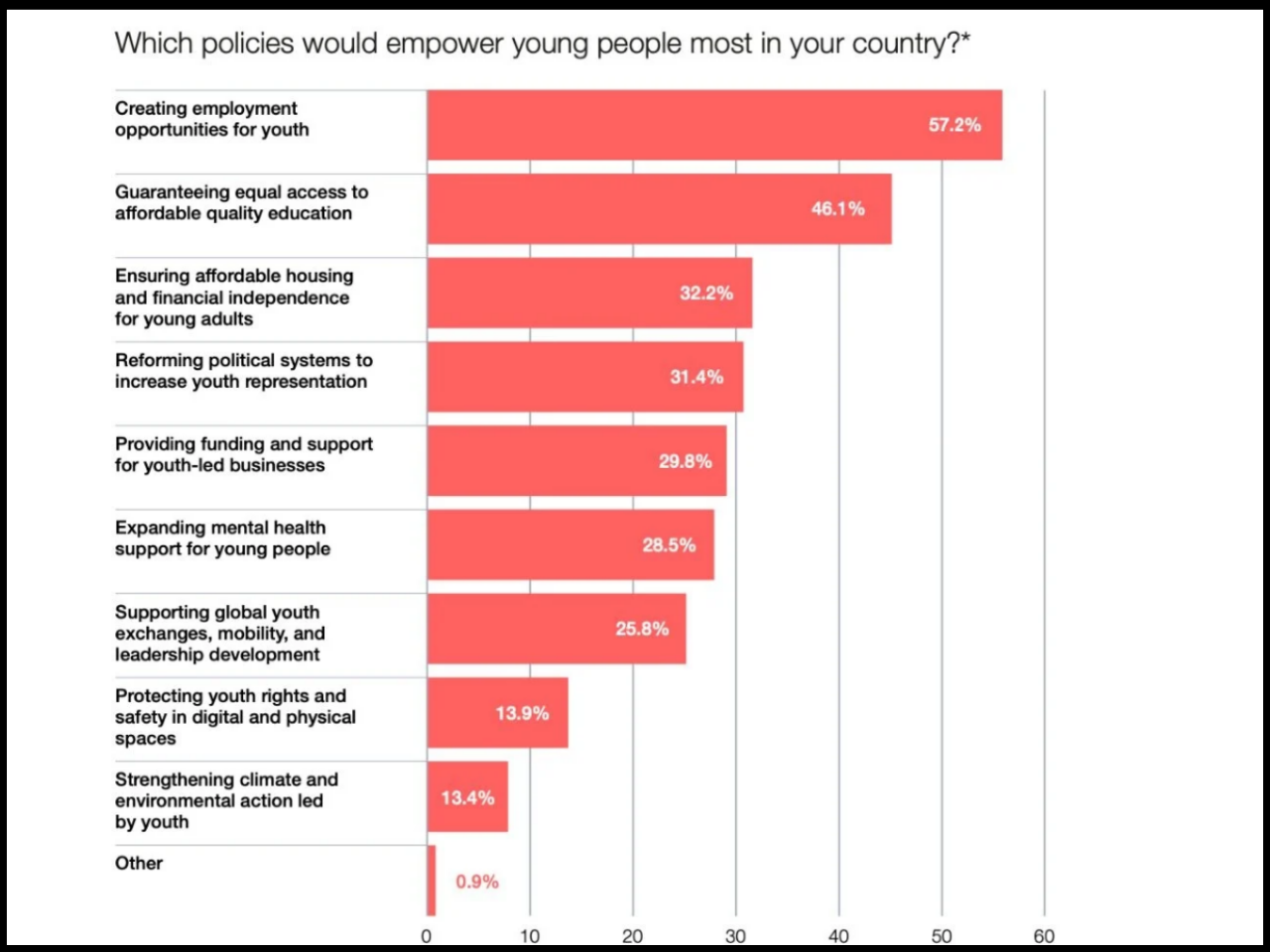
The world is facing economic uncertainty, political instability, technological disruption and climate crisis, but the youth are no longer taking the back seat but are now becoming agents of change. Youth Pulse 2026: Insights from the Next Generation for a Changing World, the flagship report of the World Economic Forum on the perspective of the youth, was published in January 2026, and this is its chief message. The report is based on the perspectives of almost 4,600 youths aged between 18 and 30 years in 489 destinations across the globe, reflecting how the youth will be navigating and at the same time transforming the rapid global change. Organized into five major themes, which include the economic, political, technological, social and environmental, the findings have shown a generation that balances realism and resilience.
On the economic front, the young individuals recognize the increase in inequality, high cost of living and low employment security as the most significant problems. The financial pressure takes over in day-to-day lives, but there is hope in the form of entrepreneurship, creativity and purposeful careers. Meaning, flexibility and work-life balance have become more meaningful to many young professionals than the conventional measures of success. The report is politically against the stereotype of youth apathy. Even though the respondents are concerned with geopolitical tensions and a lack of trust in the institutions, especially at the national level, they are very confident in community-based leadership. Interestingly, over one-third of participants indicate that they will probably become politicians, after which there is an indication of increased ambition to become a direct influence on governance. Young people are the most advanced in artificial intelligence all over the world.
Almost 60% of them claim they use AI regularly, although two-thirds of them express concerns that automation will lead to a shortage of entry-level jobs. Youths require the regulation of ethical AI, more security of data, and access to formal digital skills education. In the social arena, the youth are redefining community via intentional communities, volunteering and civil action amid loneliness and growing polarization. Inclusion has also been one of the values, and most of the people have been urging to transform, rather than to give up on diversity and equity initiatives. Climate change is the most prominent issue in the world environmentally.
Young people are still matching consumption and leadership decisions with sustainability, even in periods of economic pressure. Finally, Youth Pulse 2026 makes a simple point: young people cannot design the future; it has to be designed with them.

ADVERTISEMENT

Latest News
EU-Mercosur Trade Deal: A Game-Changer or a Threat to European Farmers?
The European Council completed its negotiations with Mercosur (Argentina, Brazil, Paraguay, and Uruguay) for a trade agreement, one of the largest bilateral trading relationships in the world, allowing both geographical areas access to the respective markets of over 700 million consumers, with a current total value of trade in goods being more than €111 billion annually throughout the globe.

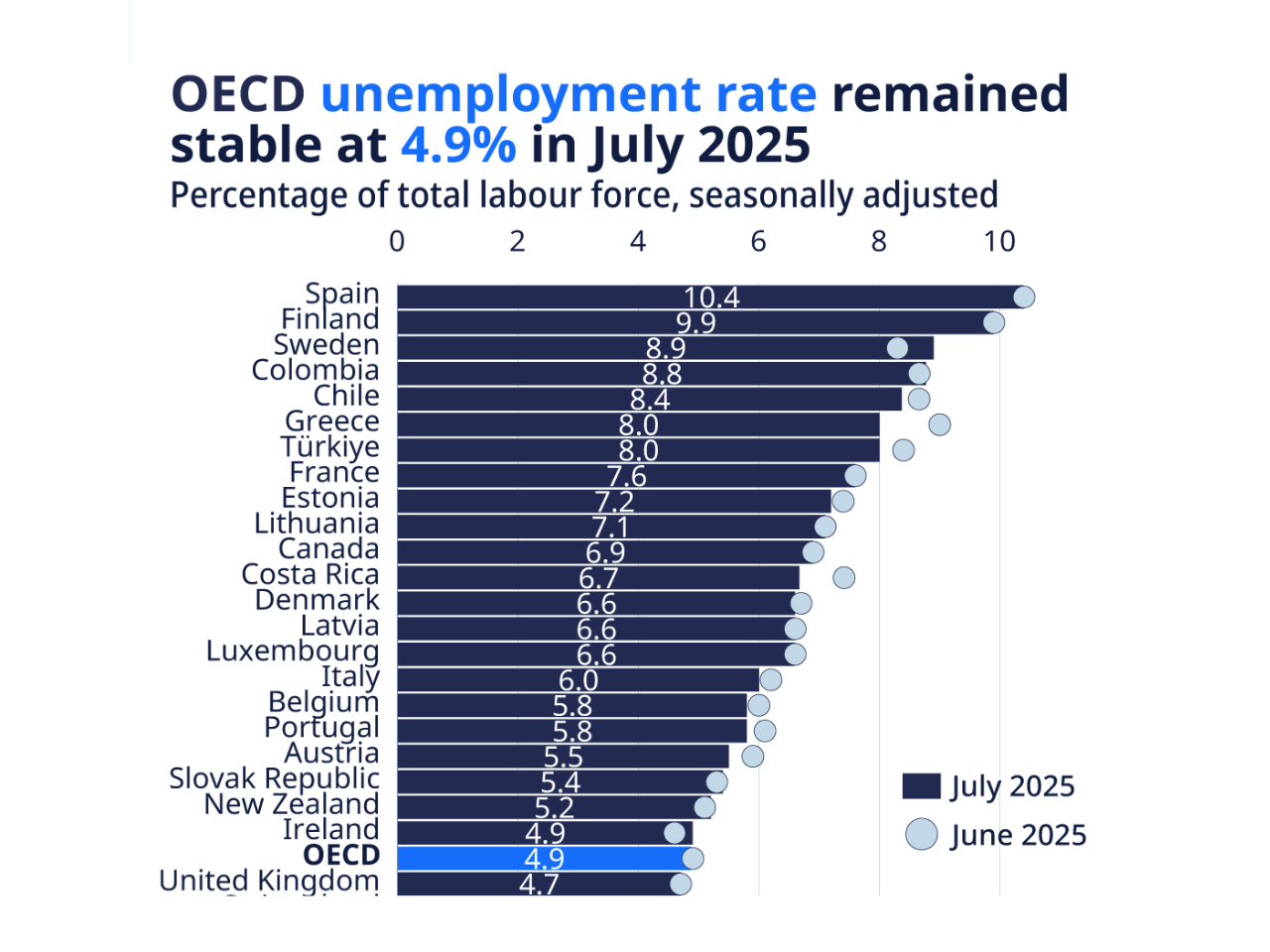
OECD Unemployment Rate Remains Stable at 4.9% in July 2025
The unemployment rate was steady in 20 countries and dropped in 11 countries. Greece and Norway saw the greatest declines, and it increased slightly in Ireland and Sweden. In some countries like Japan, Korea, and Slovenia, the unemployment ratio is less, which is below 3 percent, and 14 other countries reached a minimum of 1 percent higher than their all-time lows
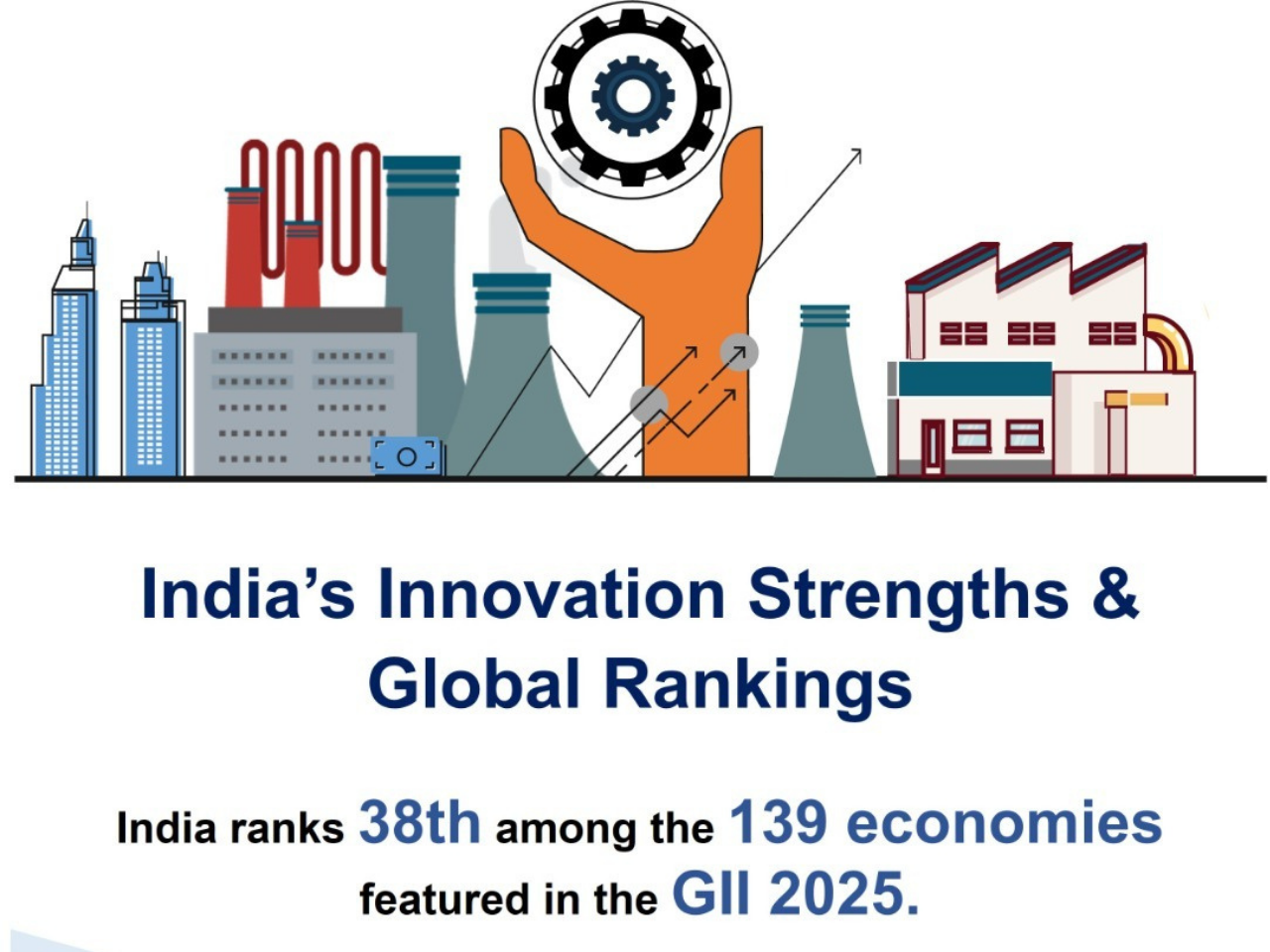
2025 Global Innovation Index: Switzerland Tops Rankings, China Enters Top 10 for First Time
As stated by WIPO’s 2025 Global Innovation Index (GII), Switzerland ranks first and is followed by Sweden, the United States of America, the Republic of Korea, and Singapore. The Netherlands, Denmark, Finland, the United Kingdom, and China (which ranked in the top 10 for the first time) complete the list. The GII uses over 80 factors to assess roughly 140 economies, including high-tech exports, venture capital, R&D levels, and IP registration statistics
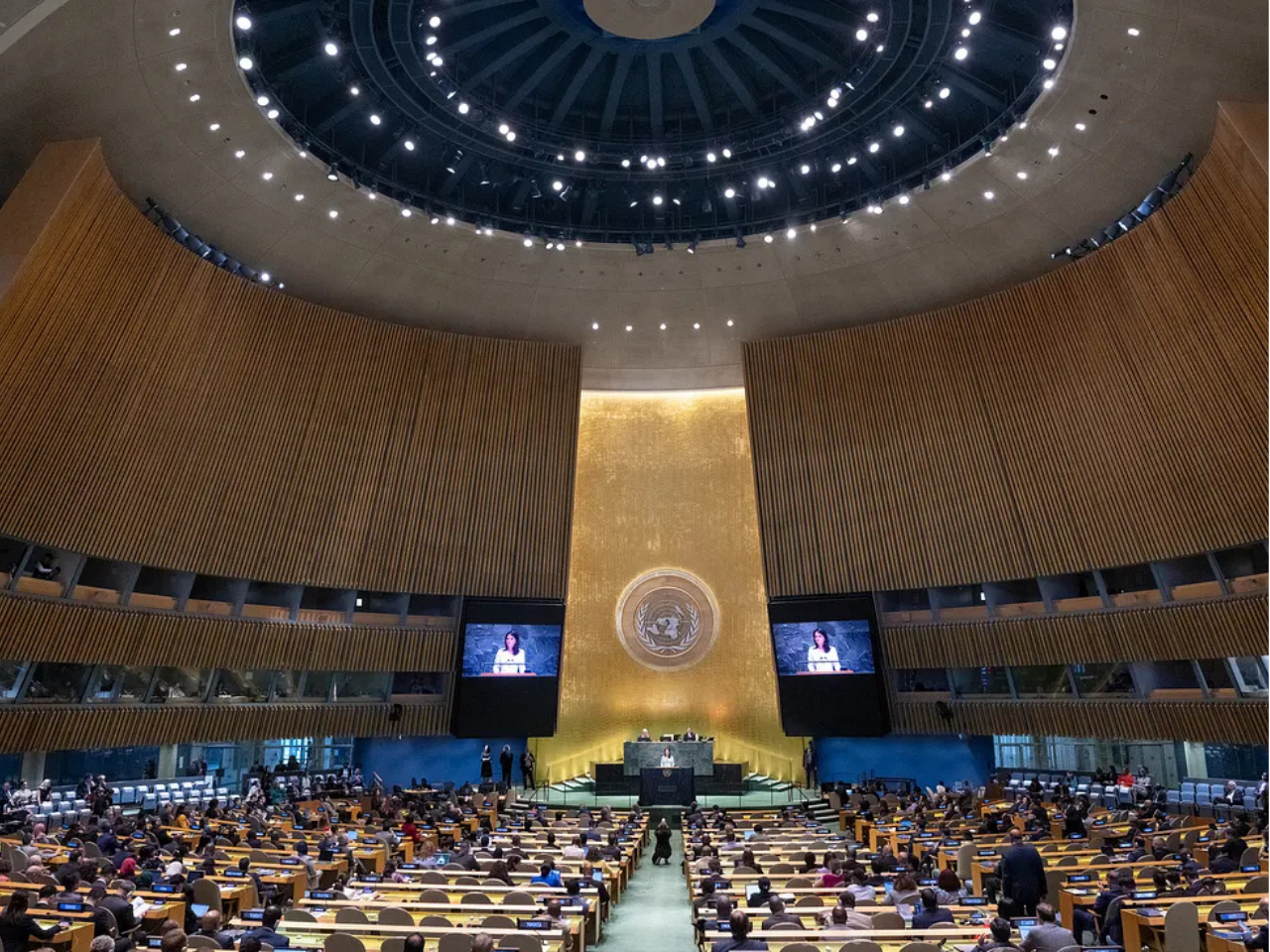
Uniting for a Better Future: UNGA 80 Marks 80 Years of Global Cooperation and Action
High-level government and civil society representatives gather throughout the city every September to work together to address the most pressing problems affecting society worldwide. There is more excitement this year because it is the UN’s 80th session, which is a significant milestone. Thus, there will be opportunities for introspection about the UN, as well as to establish actions for future work
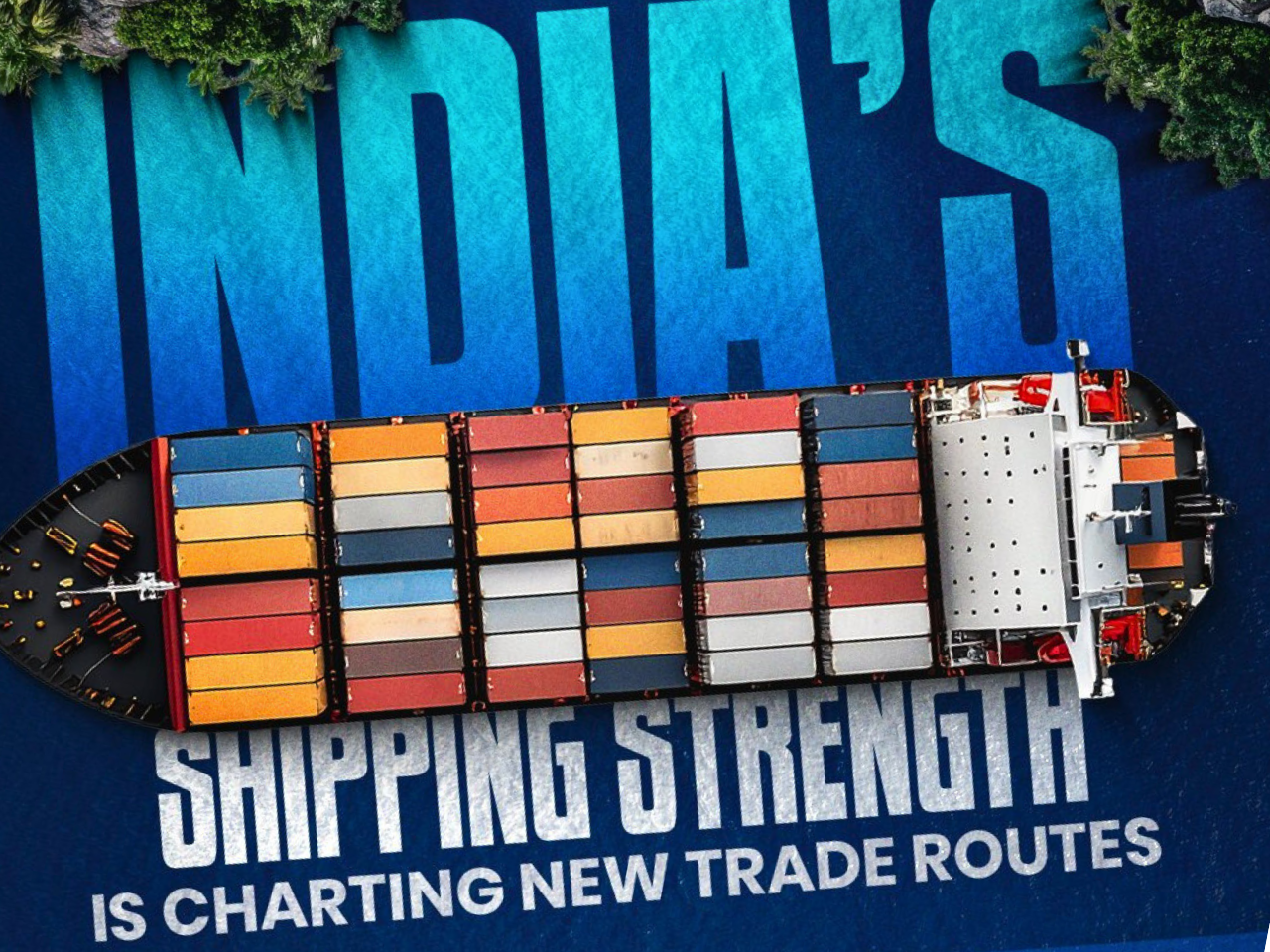
India's Ports and Shipping Industry Set for $82 Billion Investment Boost
India’s ports and shipping industry are changing rapidly, and more than $82 billion in investments are expected in the wake of all the infrastructure projects designed to create greater efficiency and promote economic growth. The economy and processed over 819 million metric tonnes (MMT) of cargo at major Indian ports in FY 2023-24, reflecting the industry’s growing capacity
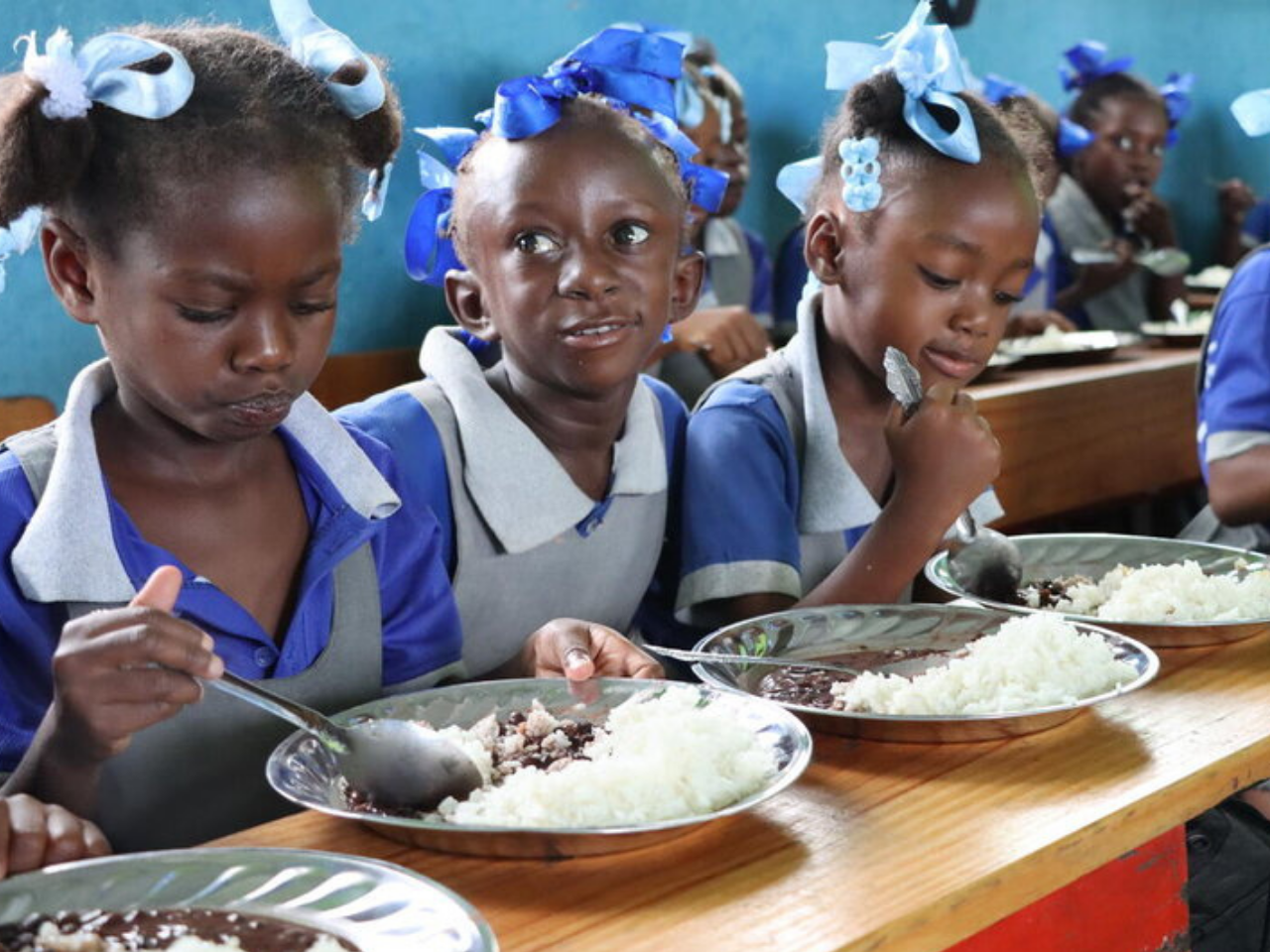
Global School Meal Programs Soar: 466 Million Children Fed, 80 Million More Than in 2020
The World Food Programme notes that approximately 80 million more children now receive school meals than in 2020, bringing the total to about 466 million, a 20% increase overall. The increase in coverage is strongest at the points of greatest need: low-income countries increased coverage by roughly 60% in two years, and in Africa, there are about 20 million new daily school meals being served
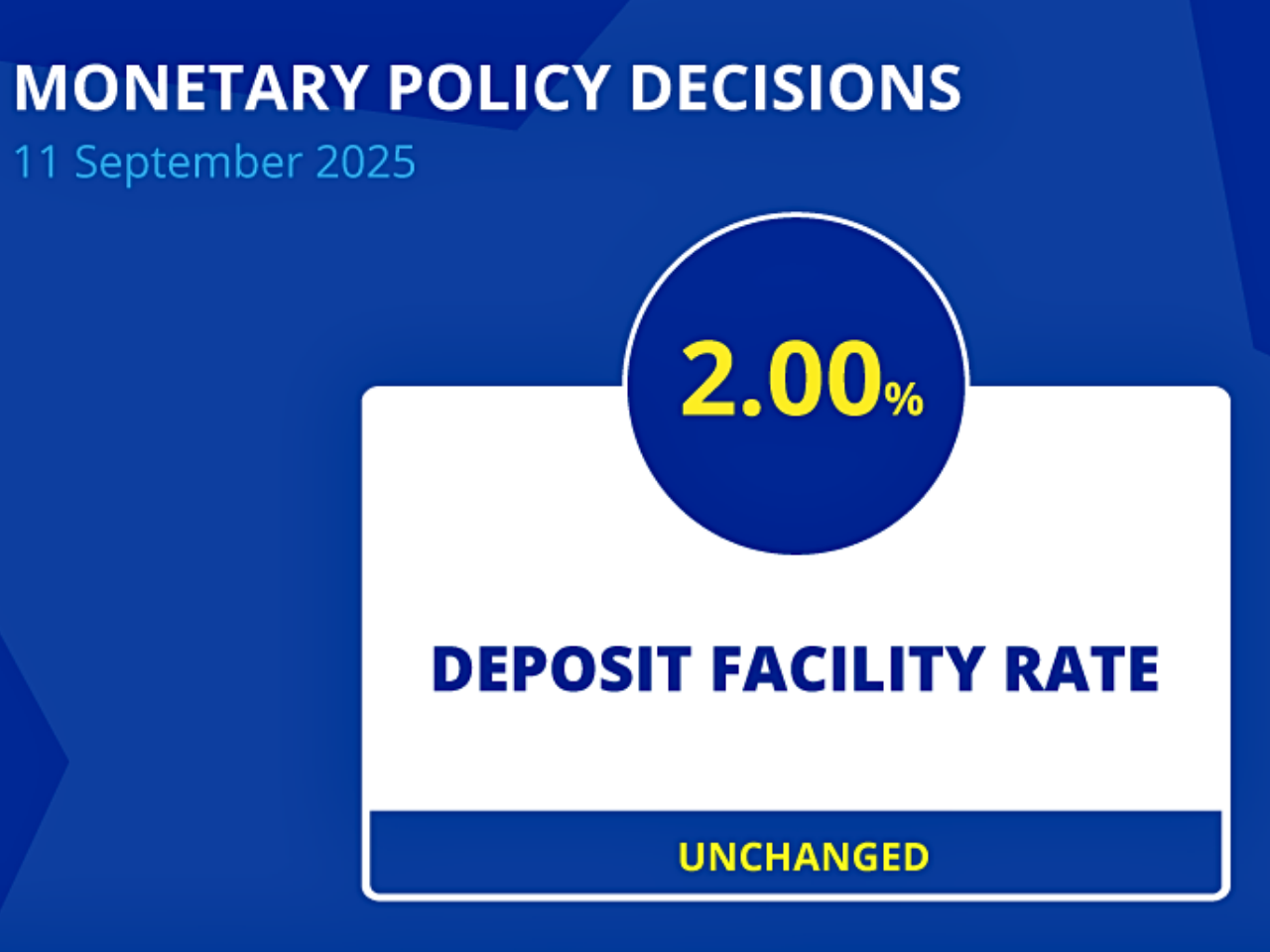
ECB Maintains Interest Rates Amid Stable Inflation and Moderate Growth
The European Central Bank has decided to keep interest rates unchanged, citing stable inflation and moderate economic growth amidst global uncertainty. Financial stability continues to be helpful towards growth. The interest rates by commercial entities are lower, and loans against property are stable, which helps the expansion of credit
India's Economy Shows Resilience and Strong Growth Amid Global Uncertainty
The number of e-bills reached a record level, while the manufacturing PMI reached a 16-month peak, and the services continued to expand, along with the growing trade confidence. The trend of consumption was also healthy; rural demand was buoyed by a favorable monsoon, while urban markets showed strength through high FMCG sales, UPI transactions, and an increase in vehicle purchases