The outstanding journey is captured in the chart known as A Century of Gold. The past century has shown the close relation of gold prices to inflation, financial crises, and significant changes in policy. The most notable is the steep increase in 2025, as the highest annual growth in decades, in support of the persistence of gold as a haven of uncertainty.
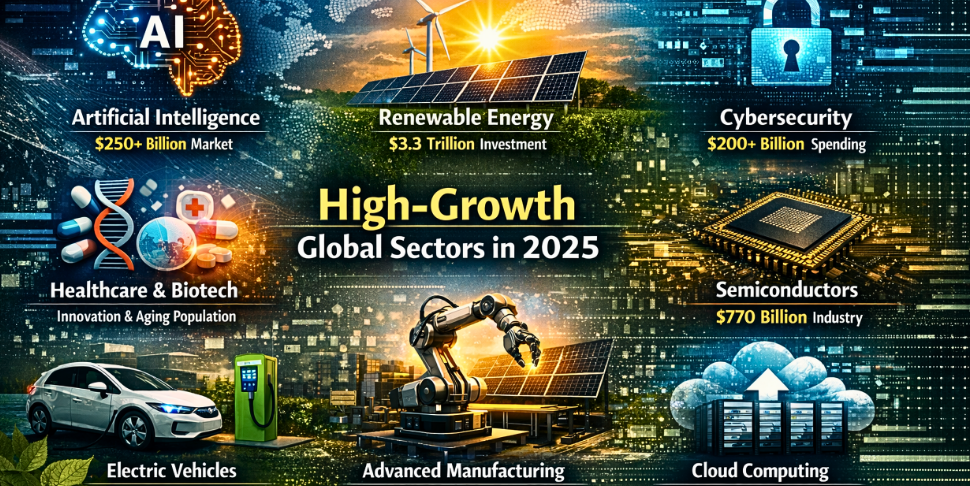
The world metals market is also experiencing a structural shift that is prompted by the rapid pace towards clean energy, electrification, and digital infrastructure. Although the traditional sources of metal are especially construction and real estate, have been weakened in many major economies, especially China, newer sources of growth are the emerging ones.
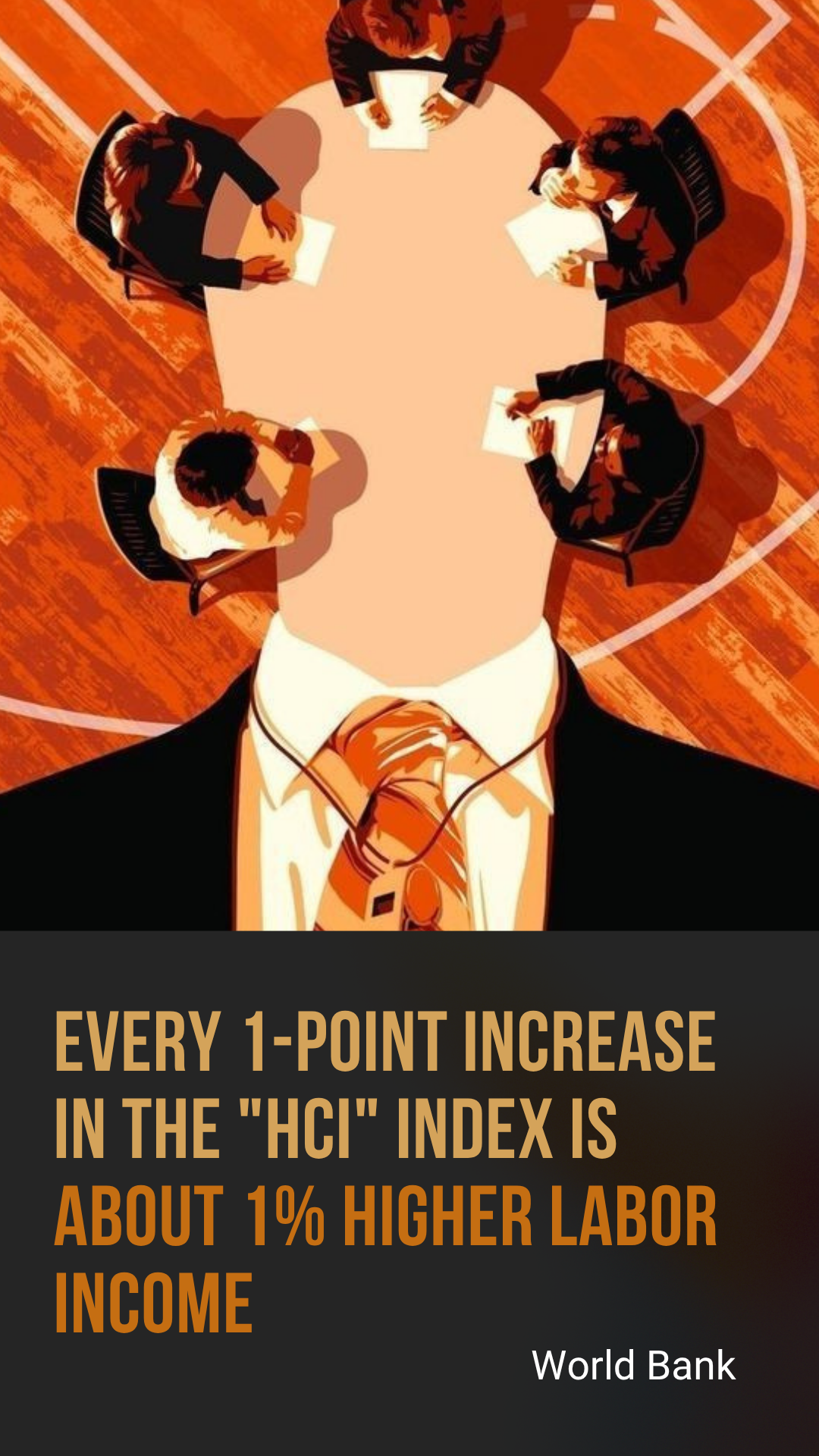
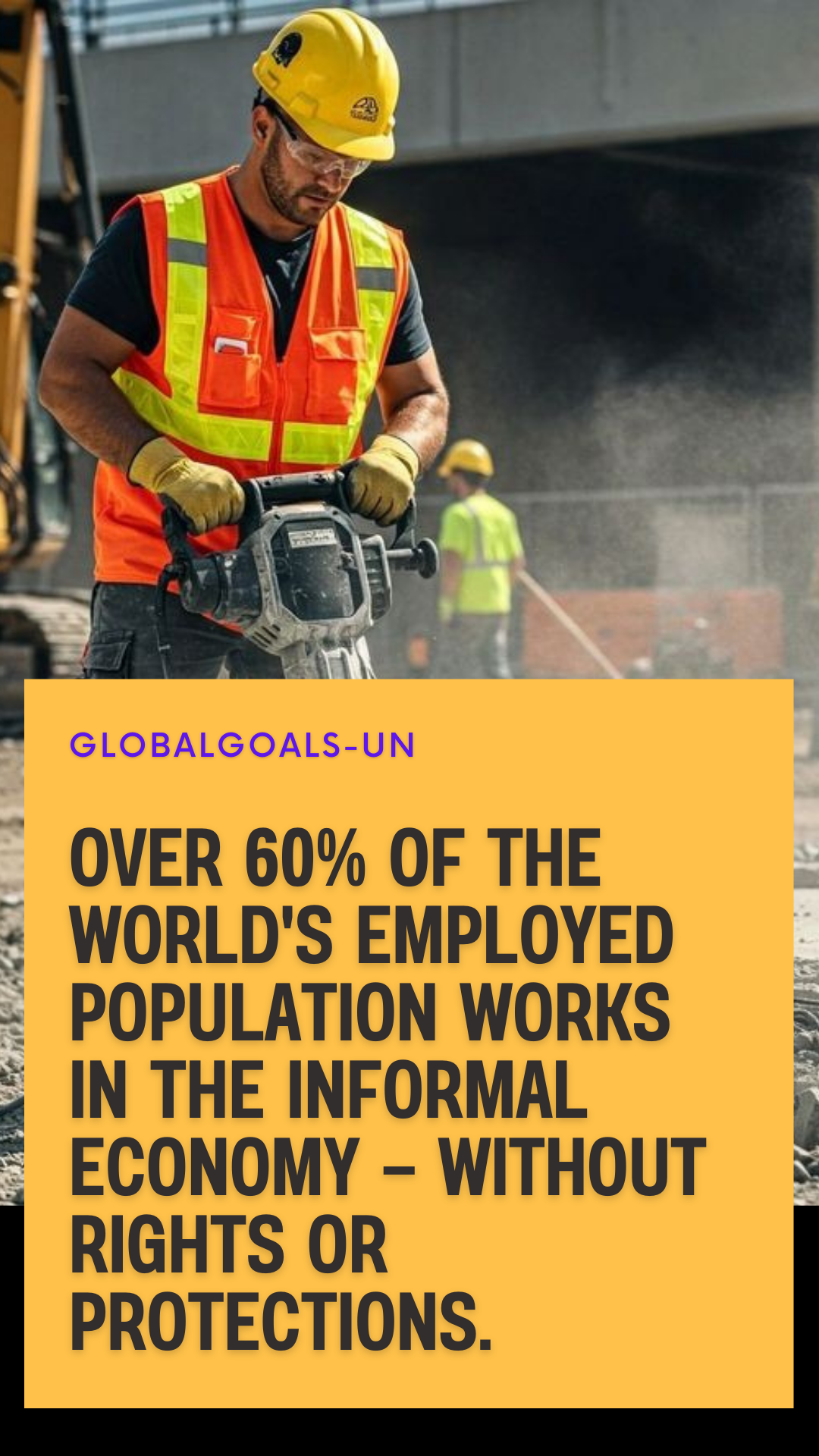
A critical factor during these trends is the slowdown in the structural transformation of economies around the globe. The transfer of workers from low-productivity sectors to higher-productivity and formal employment opportunities has weakened over the last twenty years, leading to a lack of growth in productivity and wage employment opportunities for workers, particularly in developing countries.
Latest Podcast
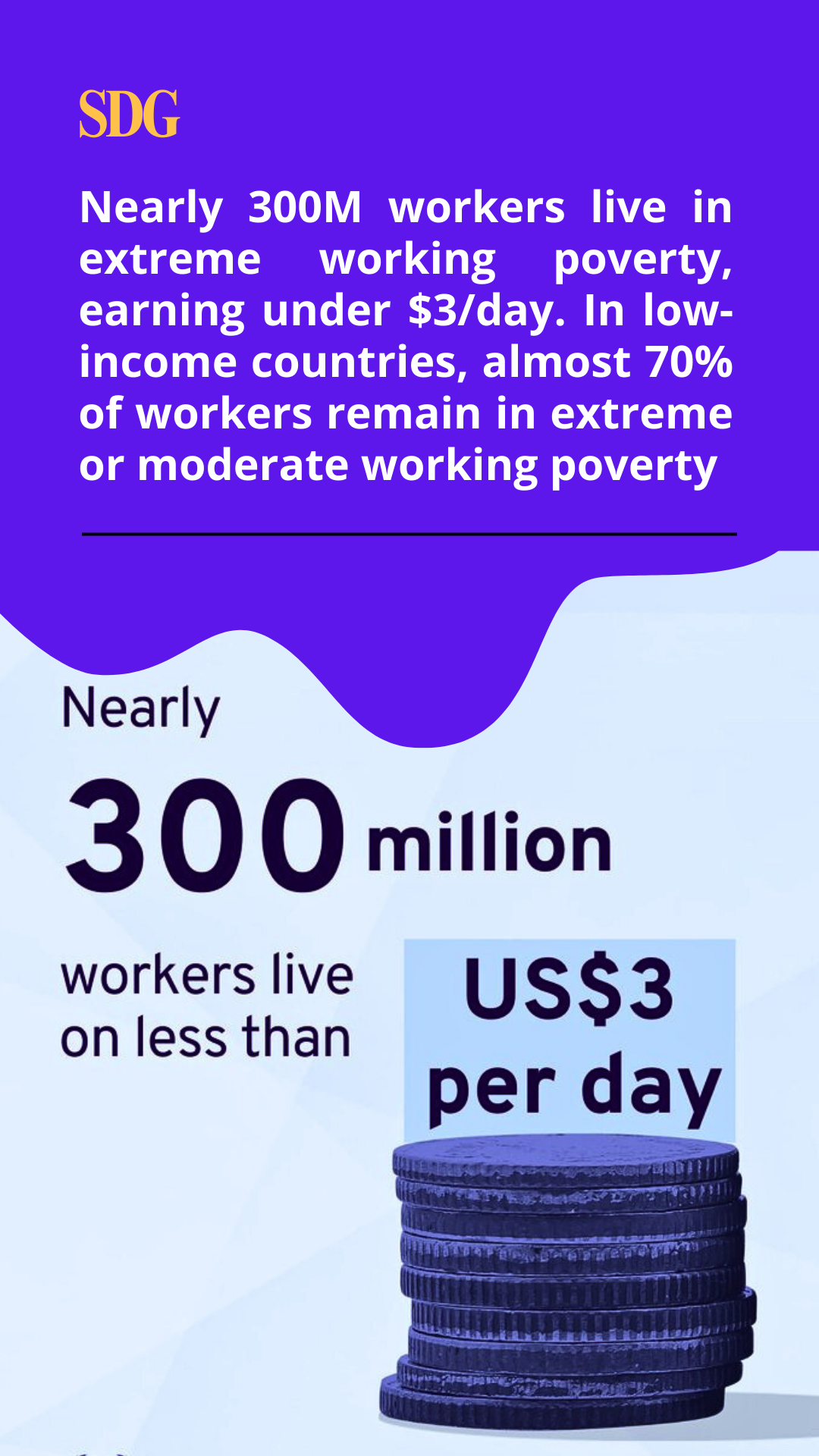
Global Labor Market in Crisis: 2.1 Billion Workers in Informal Employment, 284 Million in Extreme Poverty
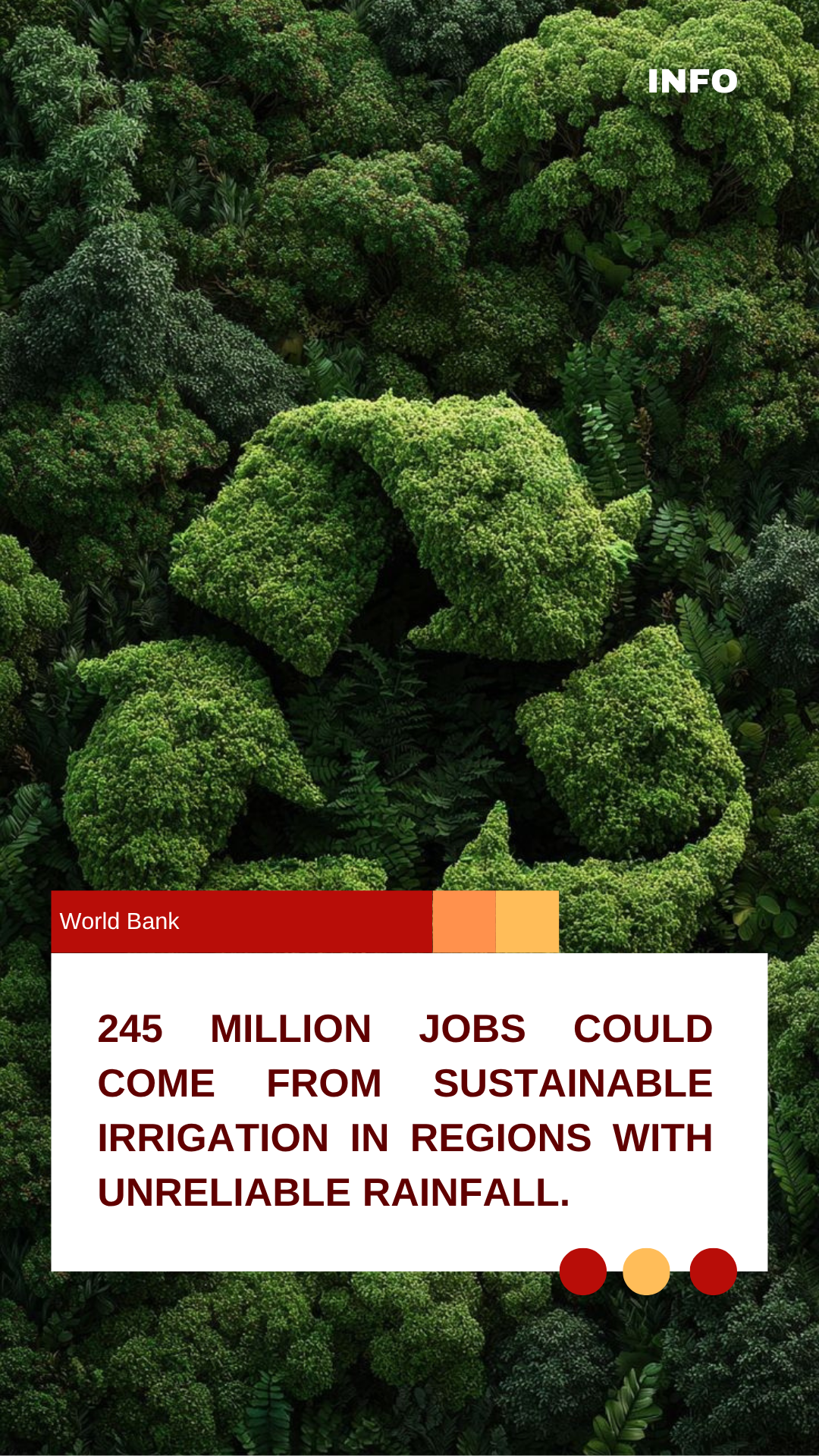
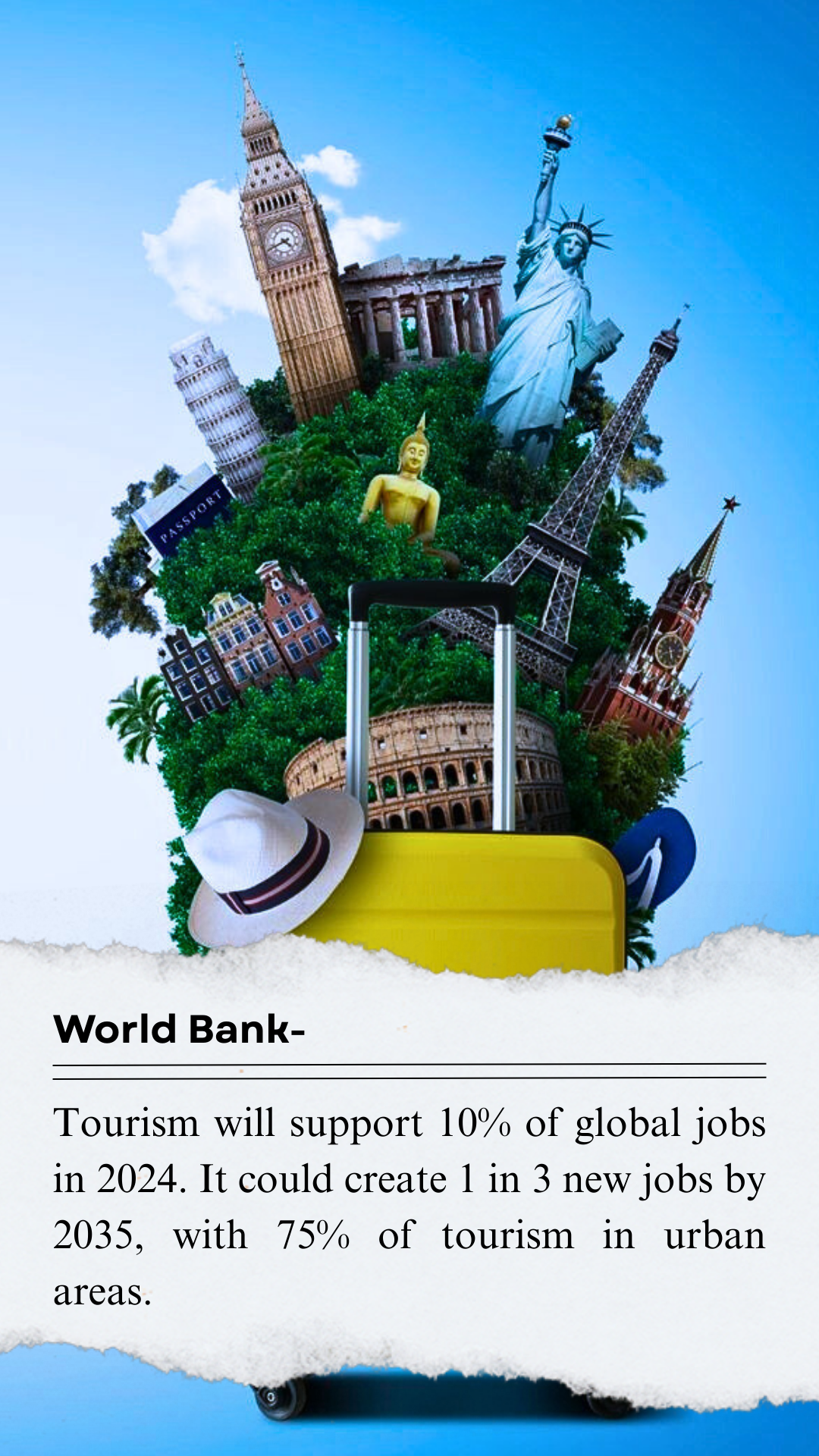
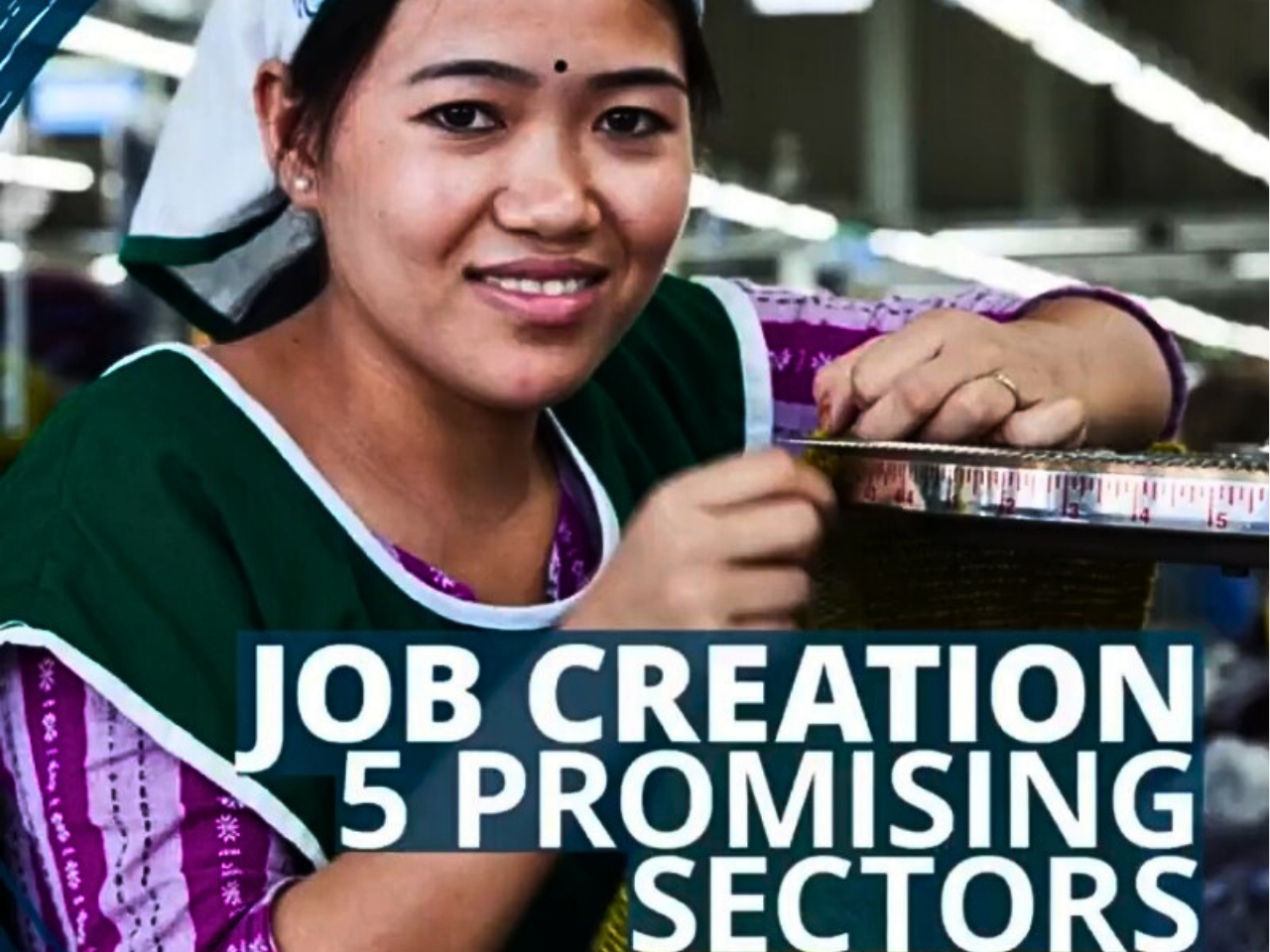
The World Bank Group has focused on five key industries in which there is great potential for creating employment opportunities: the energy and infrastructure sector, agriculture and agribusiness, health care, tourism, and manufacturing. Each of these sectors is interconnected with the other and supports the creation and development of many job opportunities and a broad-based development strategy. The two most important things that drive our economy are energy and the infrastructure necessary to transport energy to people so that they can be connected to the market and provide productivity to their daily lives.
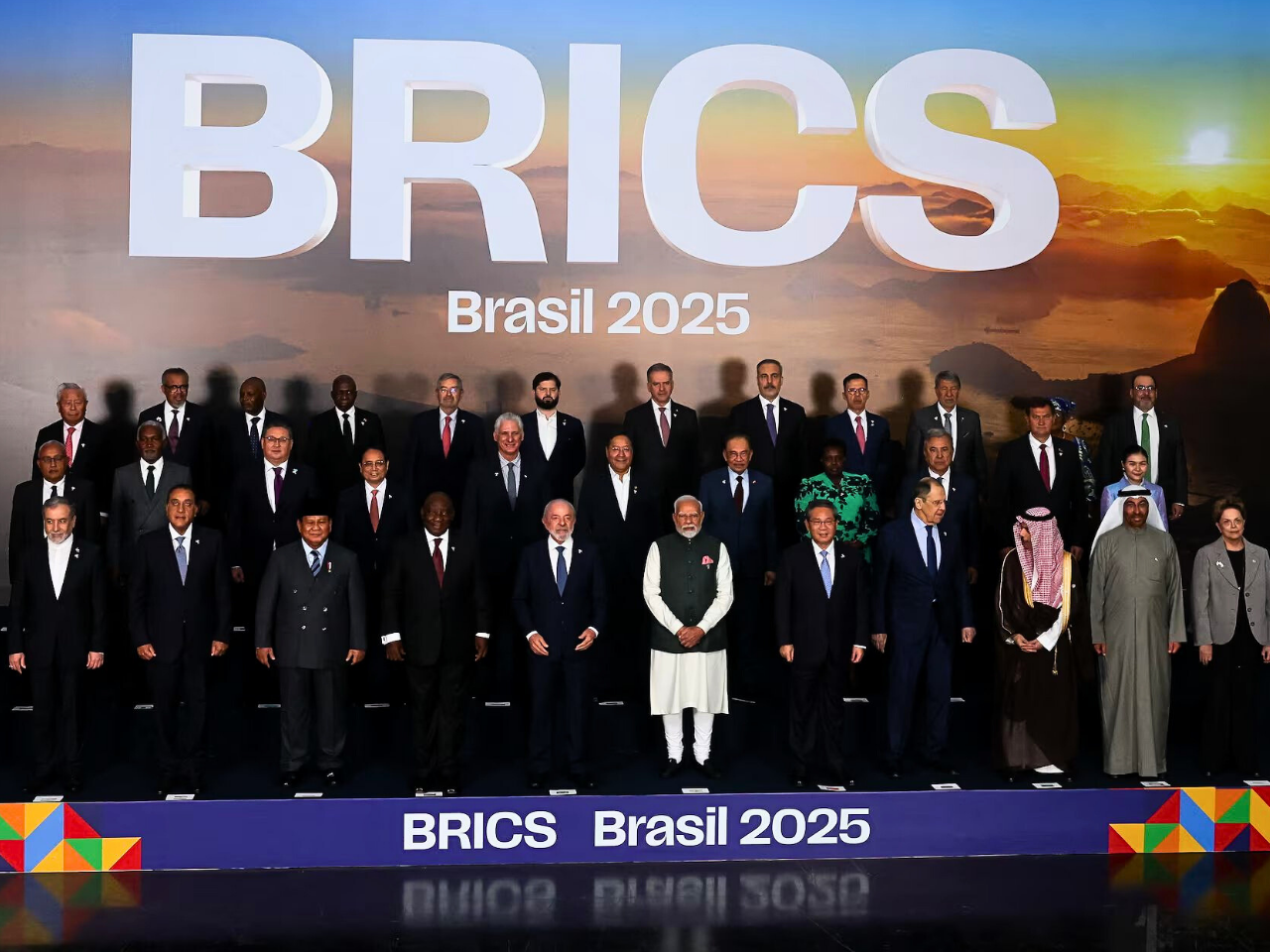
In a world long dominated by the financial tides of the US dollar, a new story is unfolding, driven not by a grand, planned design but by an unexpected external force: the tariff policies of Donald Trump. Trump's renewed presidency saw him sign an executive order in early 2025, first imposing tariffs on imports from China, then escalating to a "universal" tariff on nearly all imports. But the most pointed attacks were reserved for the BRICS bloc and their partners.
Europe is under the pressure of increasing ageing of its population, mounting care demand with a decreasing workforce, and escalating cost pressures. In the present day, caring is the reason behind almost one in every three Europeans, which highlights the burden on families, the labour market, and the welfare systems.
The case that, rather than defining “AI Sovereignty” in terms of total self-sufficiency, a new framework based on the concept of strategic interdependence is more compatible with achieving success in an AI environment and will produce a competitive advantage for economies.
The United Nations Economic and Social Council (ECOSOC) celebrated 80 years since its inception as provided in the UN Charter in 1945 and its first formal assembly in 1946. This anniversary would be a good time to look back at the historical legacy of the Council and to re-establish its relevance in creating an inclusive, resilient, and progressive multilateral system.