Global Labor Market in Crisis: 2.1 Billion Workers in Informal Employment, 284 Million in Extreme Poverty
According to the Employment and Social Trends 2026 report from the International Labour Organisation, the world labor market has remained tough amid continued economic instability. While the global unemployment rate is predicted to stay very low at 4.9% in 2026, it is also expected to reach a record high of 4.9% by that year. Still, this level of clear stability hides many serious and ongoing challenges associated with both job quality and income inequality, as well as the slow pace of economic change occurring in many poorer nations. For the most part, global economic growth has been steady with previous forecasts due to disinflation, fiscal and monetary stimulus, and the ongoing investments in digital technology, especially AI. Global economic instability continues to prevent confidence among business owners and consumers; this has also impacted the way businesses make decisions when it comes time for investment and creating jobs. Although unemployment has not yet increased, this high level of uncertainty is slowing down the number of quality jobs created and impeding the improvements in working conditions.
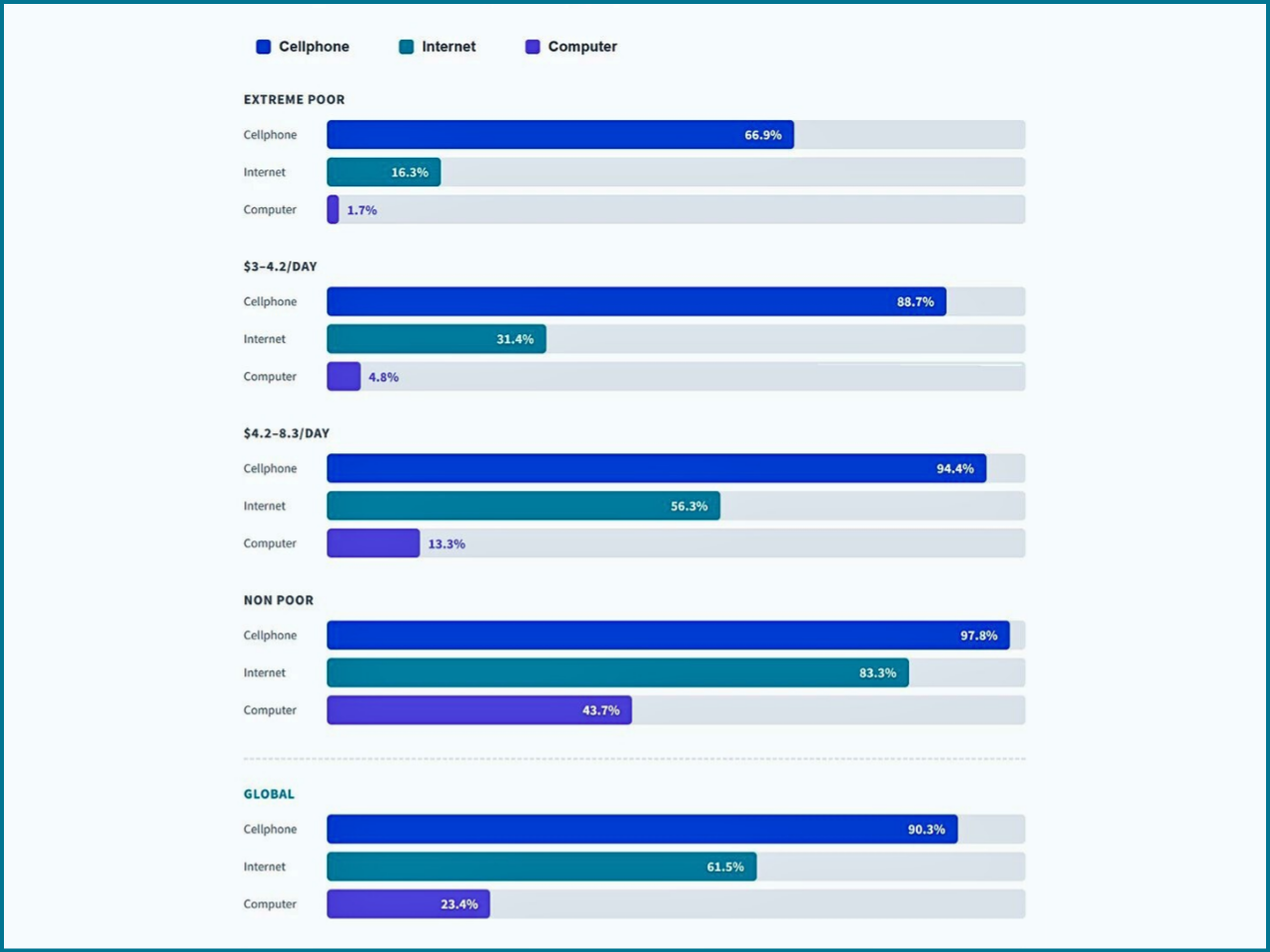
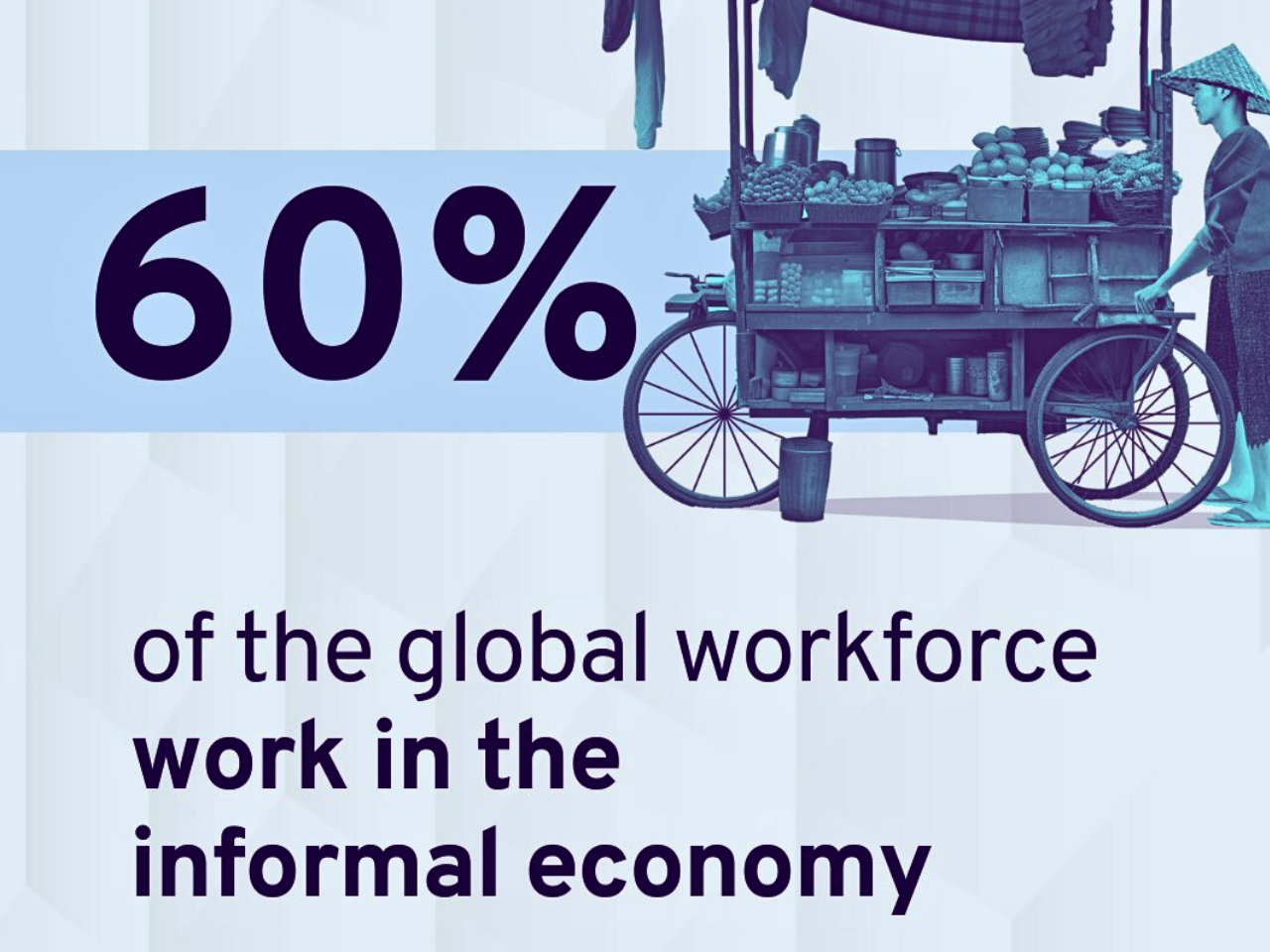
One of the most critical issues shown in this report is the level of stagnation that has occurred in employment quality. The rate at which working poverty is being reduced has significantly decreased after a period of time. The period from 2015 to 2025 saw only minimal improvements in the number of jobholders experiencing extreme poverty, with 284 million working individuals estimated to be earning less than $3 per day (US). In low-income countries, workers will experience an increase in the rate of both moderate and extreme working poverty; 66% of the total workforce will experience an increase in the amount of work they are engaged in and will experience much greater vulnerability due to their forms of employment. Furthermore, global informality has again reached new heights, with an expected 2.1 billion workers engaged in informal employment by 2026. Informally employed individuals typically receive the lowest wages. Work is generally not secure; there is limited access to social protection. As a result, there is an increase in vulnerable workers.
A critical factor during these trends is the slowdown in the structural transformation of economies around the globe. The transfer of workers from low-productivity sectors to higher-productivity and formal employment opportunities has weakened over the last twenty years, leading to a lack of growth in productivity and wage employment opportunities for workers, particularly in developing countries. Individuals in developing countries do not have the option to choose whether or not to be self-employed, nor do they have the option to choose whether or not to work for their family business, both of which are forced on them as a result of their situation. As demographics change around the world, this creates a need for the workforce in developing areas to continue developing as well. Worker populations in developed countries continue to decrease due to a combination of a lack of available jobs for these workers (as workers age) and a lower rate of job creation within developed countries than in prior (younger) generations of employees. While it has stabilized levels of unemployment, there are concerns about the effects of this on overall productivity, innovation, and dependency ratios as a result of a smaller workforce. Low-income nations are witnessing growth in their labor forces due to a profusion of young adults. While it may be an opportunity for a demographic dividend, low levels of productivity growth and insufficient job creation may result in that potential time being short-lived. The outlook for youth labor market participation continues to be worrisome. As of 2025, global youth unemployment is over 12 percent, and one in five young people worldwide are not in employment, education, or training (NEET), which translates into over 250M young people not having access to essential skills and experience that will lead to future success. Youth residing in low-income countries remain the most impacted demographic group due to insufficient access to both meaningful job prospects and educational avenues. In contrast, in advanced economies, acquiring a post-secondary degree greatly increases the probability of obtaining an employment opportunity; however, in low-income countries, access to a post-secondary education has not led to a significant decrease in the unemployment rate because of a lack of quality employment positions.
The report noted the continued existence of gender inequalities. Women globally account for approximately 40% of total global workforce participation; women experience lower labor force participation compared to men; though women’s unemployment rates, when compared with those of men, reflect similar levels, women are significantly more likely to find themselves excluded from the labor force due to family/caring obligations, cultural expectations, and lack of access to quality job opportunities. Gender gaps continue to exist in informal employment and working poverty, showing that little progress has been made in creating inclusive labor markets. Specifically in the case of AI, technological advances can offer new possibilities for new jobs and industry growth; however, the full economic potential of AI is still not yet realized, and the uncertainty surrounding the adoption of AI by employers is already influencing the hiring process for many positions. Entry-level workers/young people with advanced education may face even greater challenges in their labor market outcomes. Therefore, it is essential to find ways to develop new skill sets and implement new labor market policies to address these issues. The changing patterns of international trade will add increased complexity to the employment outlook for workers. Globally, nearly 465 million jobs are connected to international demand, as many manufacturing jobs have shifted to the use of global supply chains to supply their products to international buyers and provide jobs to people in foreign countries. Access to more lucrative trade and manufacturing careers is largely determined by the availability and accessibility of global commerce. Therefore, this means that workers in developed and developing nations will have the potential to earn higher wages, thus maximizing the ability of both countries’ citizens and employees to achieve a higher quality of life.
However, as a result of rising protectionism and geopolitical disintegration, trade growth has decreased, and low-income countries continue to have little access to international trade and investment opportunities, which increases their risk as global supply chains are reorganized. On balance, the authors of this report find that economic growth is not sufficient to meet global decent work deficits. Countries must take on more responsibility for their own economies through policy. Countries face rising debts, decreasing productivity levels, and issues of continued unequal distribution of wealth. To combat these challenges, they need to emphasize creating domestic policies that will help create a stable labor market and provide increased investment into developing skills for workers, more access to social safety nets, and pathways for workers to be more flexible, which will provide an opportunity for growth and development in their work experience.
Free To Activate Membership