Bridging the Digital Divide: Unlocking Opportunities for the World's Poorest
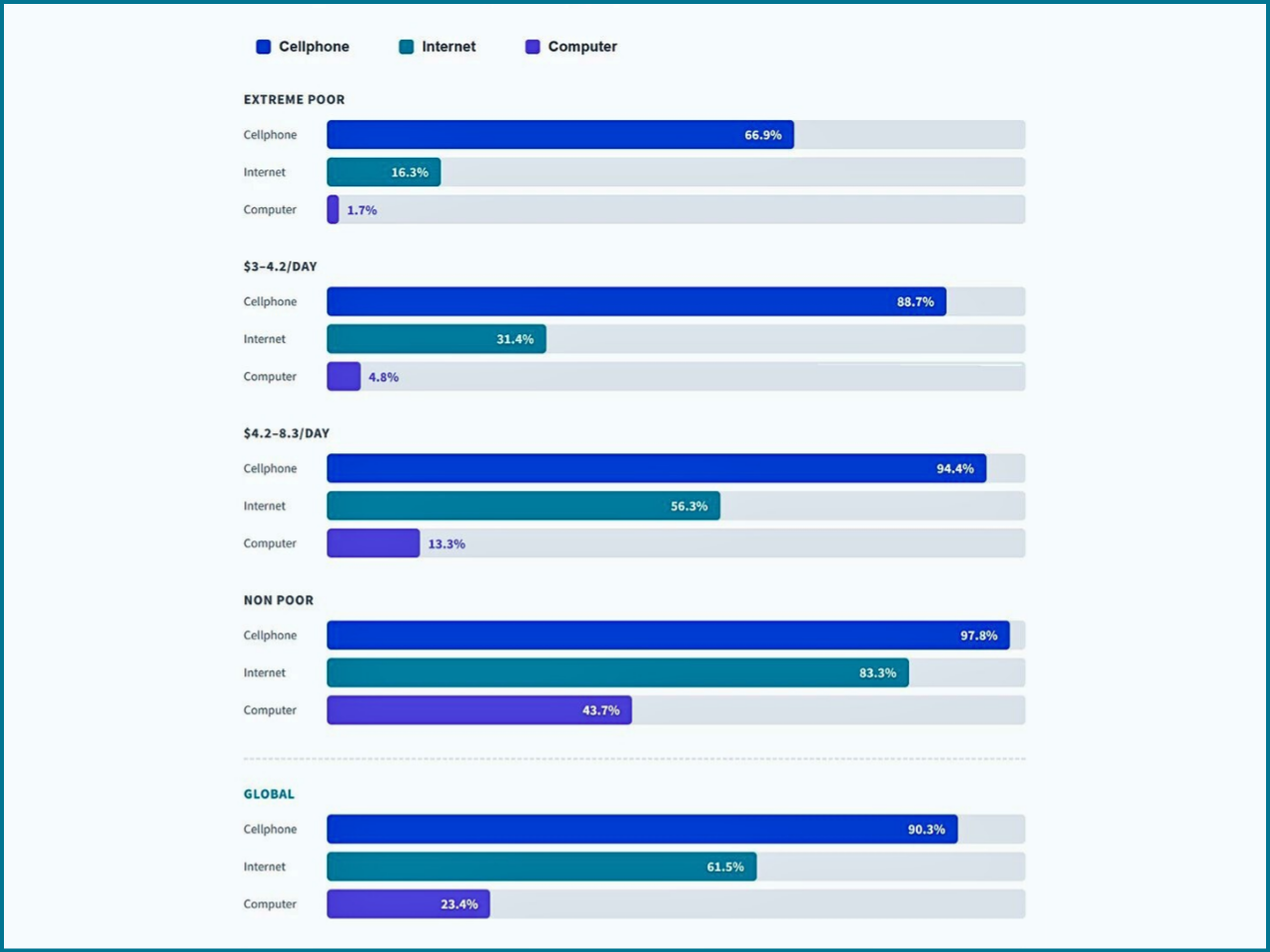
The creation of jobs is crucial to further reduce worldwide poverty and support hope in poor communities, yet many of the world's poorest people are still excluded from the opportunities available in a growing digital economy. Although mobile phones are now available to most people, access to computers and the internet remains very unevenly distributed. About 16% of people living in extreme poverty have internet access, but very few of them own a computer. Many poorer households [including those in the low or lower-middle class categories] continue to remain offline. Through being offline, these households will continue to be restricted from taking advantage of all the opportunities that digitalization provides.
Excluding these digital inefficiencies has real-world implications. As evidenced by a wealth of research, digital connectivity offers significant opportunities for increasing job availability and wage levels, productivity levels, and household welfare via access to technology.
Examples of enhanced digital connectivity leading people into higher-quality jobs, improving agricultural pricing, and significantly increasing female participation in the labor force can be found in multiple countries throughout the world. However, these benefits primarily accrue to individuals who currently have access to digital technologies, perpetuating the digital divide.
Some of the barriers to digital access include the high cost of broadband subscriptions, lack of electricity access, low levels of digital literacy, and limited ability of rural populations and less-educated households to afford the same. Given that most of the world's extreme poor are employed in agriculture and with a projected one billion youth joining the workforce, creating equal access to digital technologies will be essential to fulfilling the promise of economic growth by creating job opportunities and reducing poverty.
Latest News
Investing in Health: A Strategic Approach to Economic Growth and Job Creation
The research associated with the recent health agenda of the World Bank demonstrates that one vacancy in the health sector may result in the emergence of over three vacancies in the rest of the overall economy, such as pharmaceuticals, logistics, digital services, construction, and medical manufacturing, among others.

Global Beverage Prices Ease as Coffee and Cocoa Supplies Recover
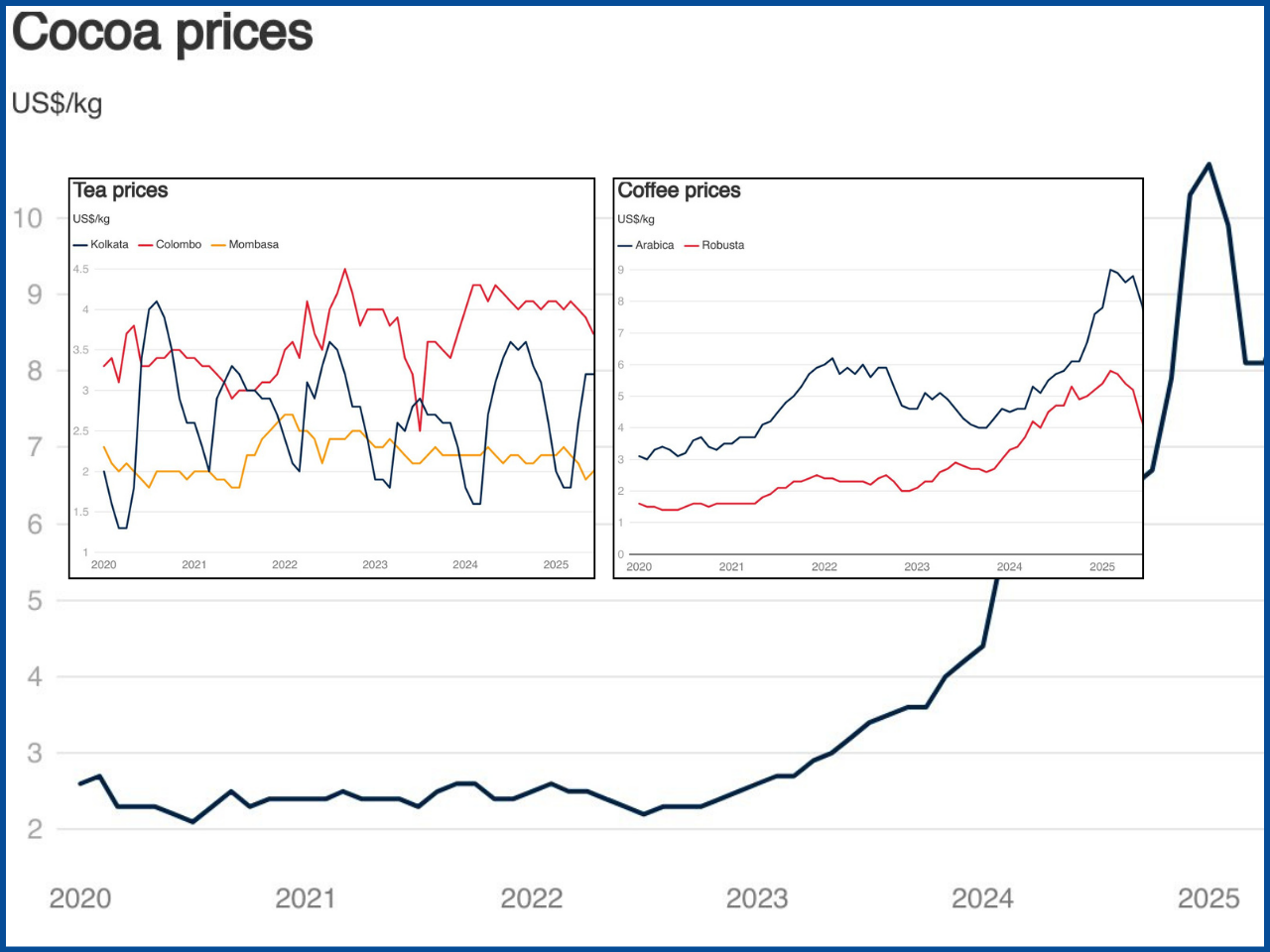
In late 2025, the World Bank’s beverage price index decreased significantly after increasing drastically throughout 2025 (the coffee and cocoa prices have begun to fall) and as the tea prices remain stable for a significant period of time. Following the forecasted rise of the beverage price index by 18% for 2025, it is forecast to decline by 7% for 2026 and by another 5% for 2027 due to anticipated increases in output levels.
Social Protection: A Gateway to Stability and Economic Engagement
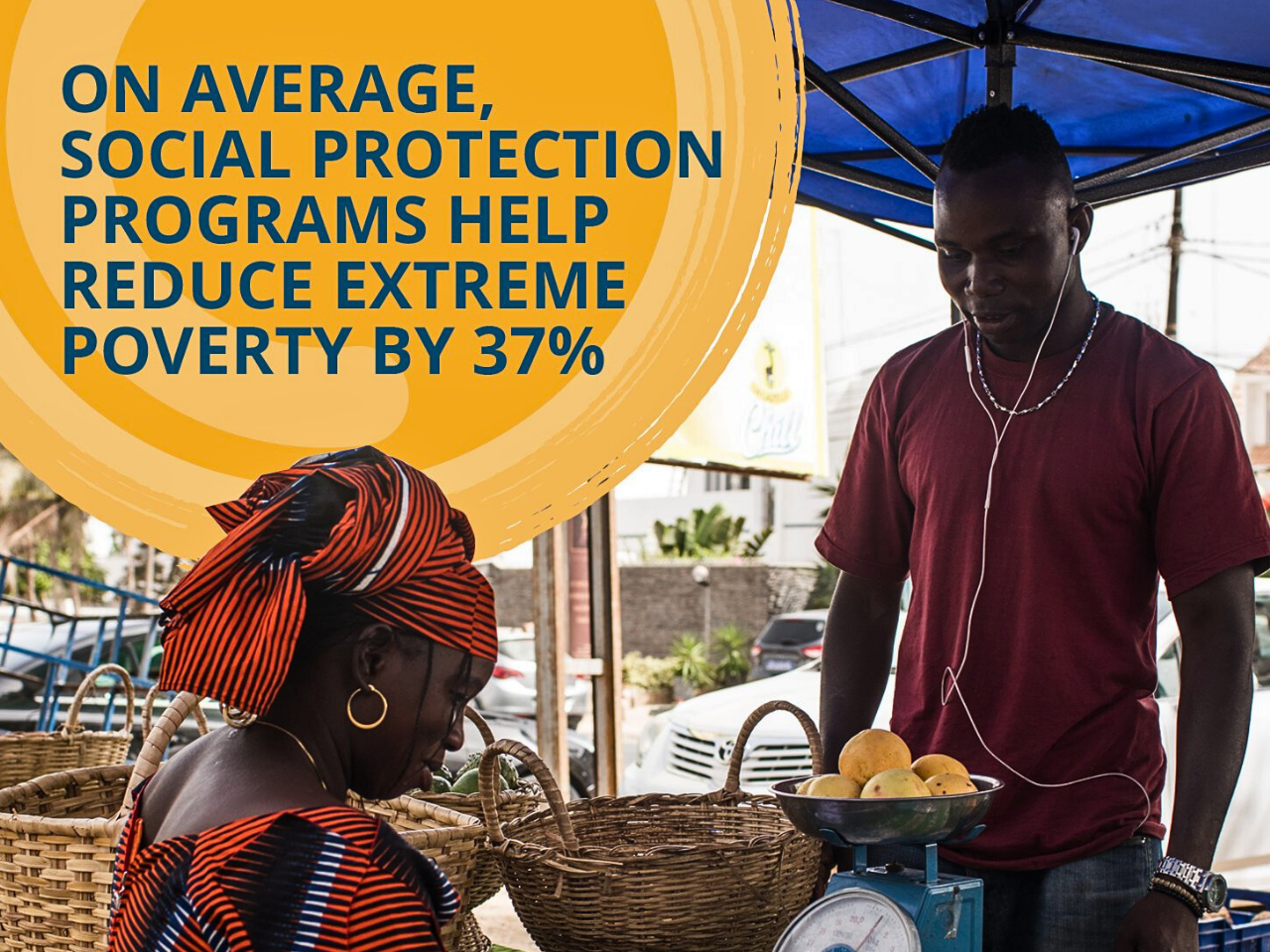
Social protection has become one of the most effective tools that alleviate extreme poverty and generate opportunities for vulnerable groups. Social protection regimes, including cash transfer schemes, social pensions, food stamps, and labor market initiatives, are not only a temporary soothing measure, but instead the gateway that enables people and families to switch between survival and stability and long-term economic engagement.
IMF Warns of AI-Driven Job Displacement, Urges Governments to Support Workers
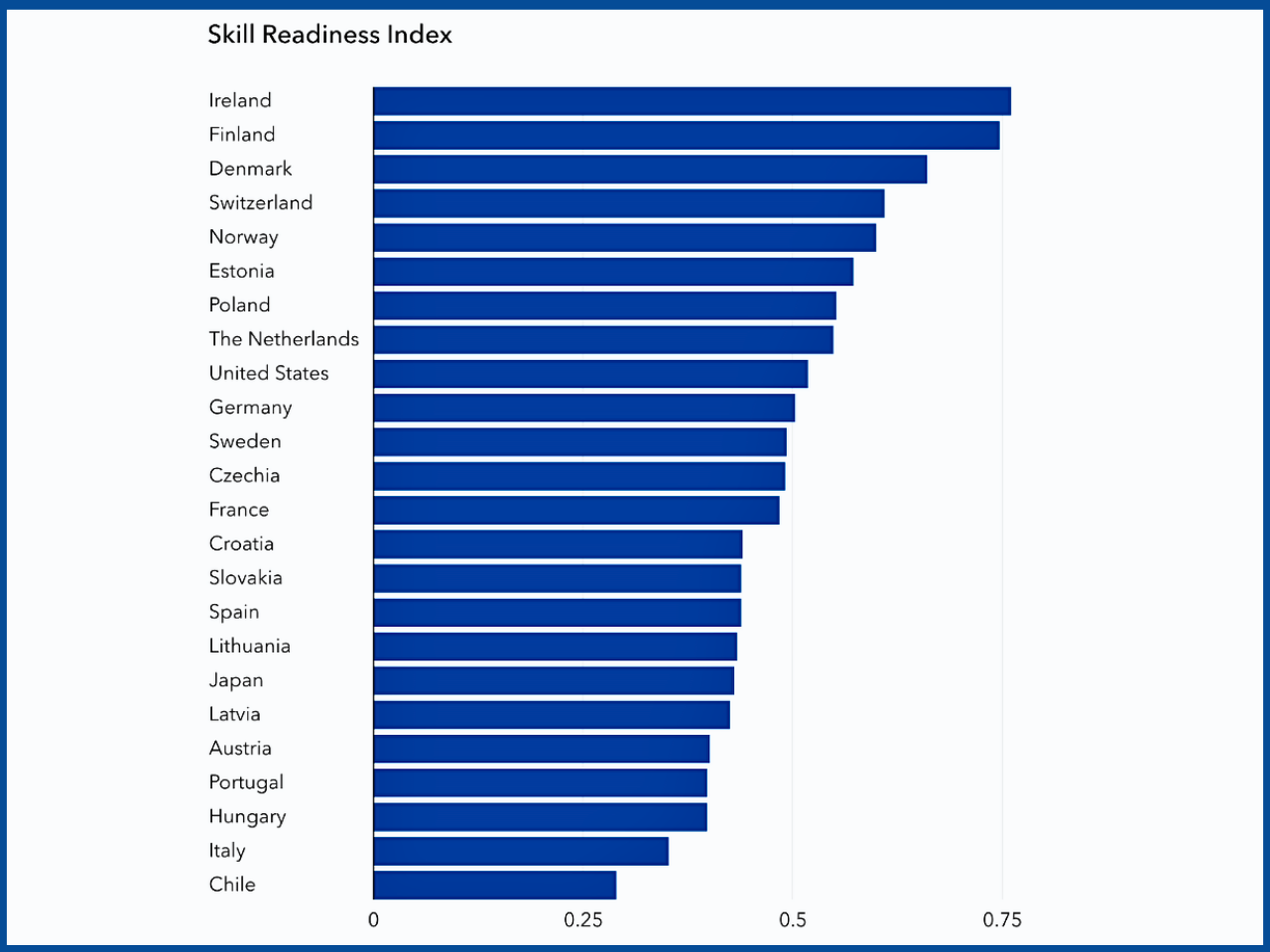
The International Monetary Fund (IMF) has warned that artificial intelligence (AI) is transforming the global labor market, with nearly 40% of workers worldwide vulnerable to job displacement. The study found that approximately 10% of job advertisements in advanced economies require new skills, such as digital literacy and technical skills, while the figure is around 5% in developing countries.

Free To Activate Membership