Global Risks Update 2026: Navigating an Age of Competition and Uncertainty
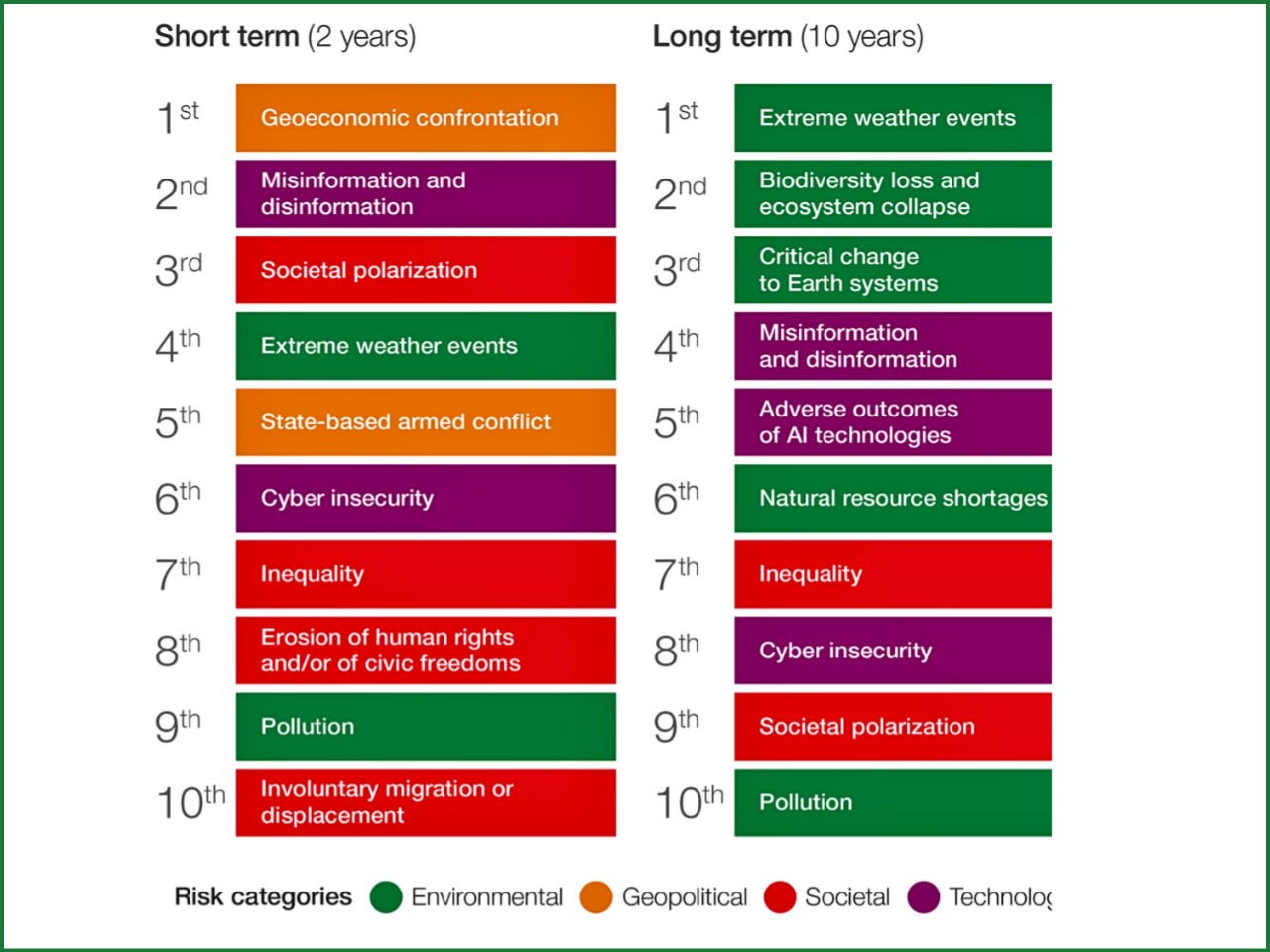
According to the World Economic Forum’s Global Risks Update 2026, we are moving into an “Age of Competition” with an increase in uncertainty, division between things, and crises that are intertwined or mutually influential. Drawing upon the opinions of 1,300 global leaders and experts, this report assesses risks both from 2026 to 2028 (the short-term) and 2036 (the long-term). Most respondents believe that as we move into the future, the international community can expect increasingly difficult or stormy global situations, indicating their increasing disbelief in the possibility of continued global stability through cooperation.
Geoeconomic rivalries are viewed as the most critical danger for the international community in the next several years, primarily as a result of trade restrictions, sanctions, and the politicization of economic tools, and this is occurring at a time when there is a gradual decline of international cooperative efforts across multiple sectors. Other top immediate risks to global stability include state-initiated armed conflicts, misinformation/information manipulation, domestic political instability due to desperately large social divides, and an ever-intensifying threat to cybersecurity by malicious actors. The number of economic-related risks (e.g., economic downturns, rising inflation rates, extreme asset bubbles, and excessive debt burdens) significantly increased over the past year and created greater pressures on international governments and financial markets.
The long-term environmental risks will dominate the global outlook. Extreme weather events, loss of biodiversity, and major changes to earth systems will be assessed as the highest priority risks by 2036, but were assessed lower within the short term. Inequality remains the global risk that is most interrelated with others, increasing social tension and decreasing trust in institutions.
Rapid acceleration of technology development has created new opportunities and new threats. Advances in artificial intelligence and quantum technology have the potential to create new products and services; however, they also increase the threats of misinformation, labor disruption, and security. This report concludes that while global cooperation will become more challenging due to a growing number of competing nations, it will still be critical to rebuilding trust and developing new collaborative approaches to addressing our common threats and to building resilience into our futures.
Latest News
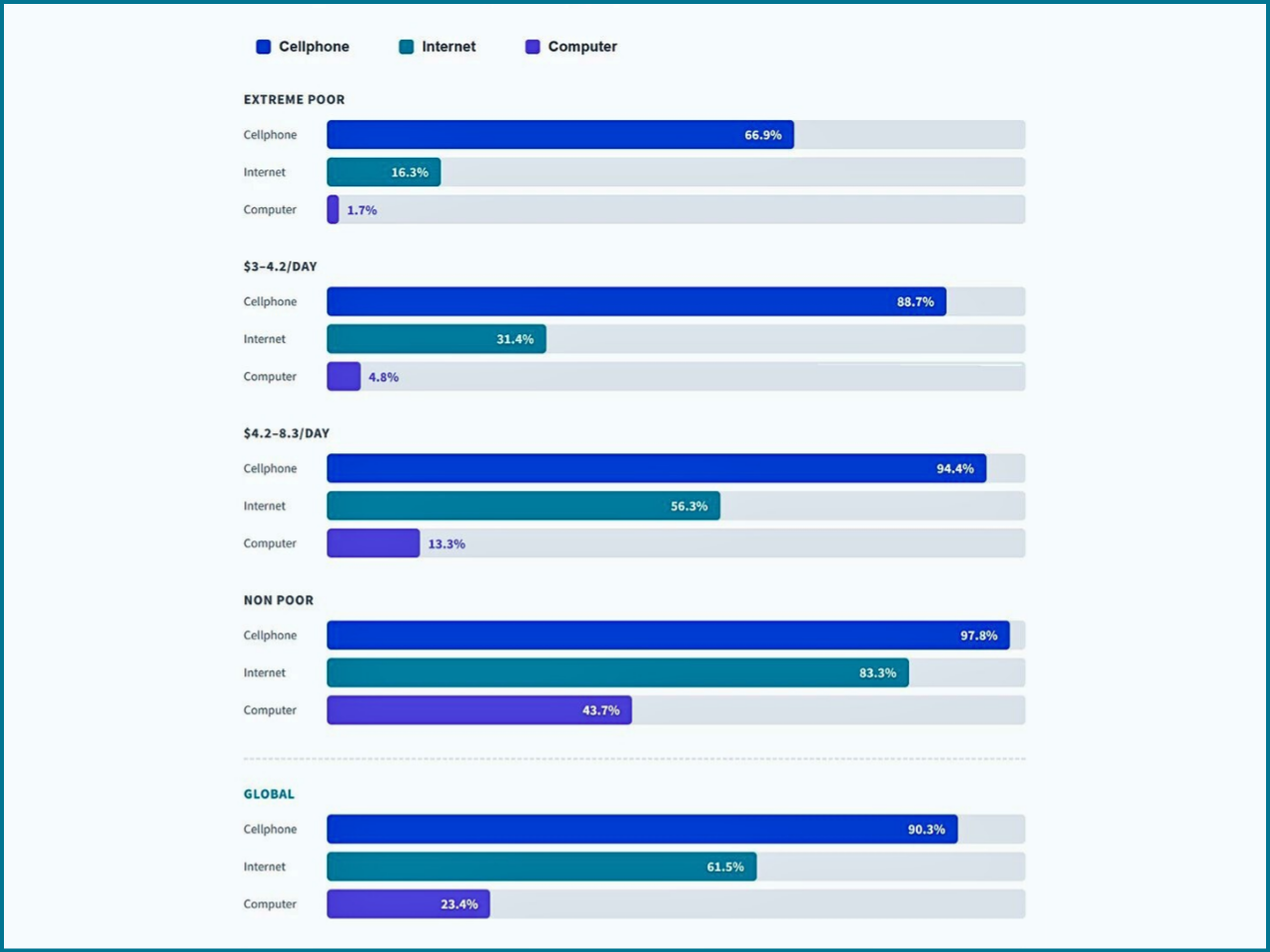
Bridging the Digital Divide: Unlocking Opportunities for the World's Poorest
The world's poorest people are still excluded from the opportunities available in a growing digital economy. Many poorer households [including those in the low or lower-middle class categories] continue to remain offline. Through being offline, these households will continue to be restricted from taking advantage of all the opportunities that digitalization provides.
Investing in Health: A Strategic Approach to Economic Growth and Job Creation
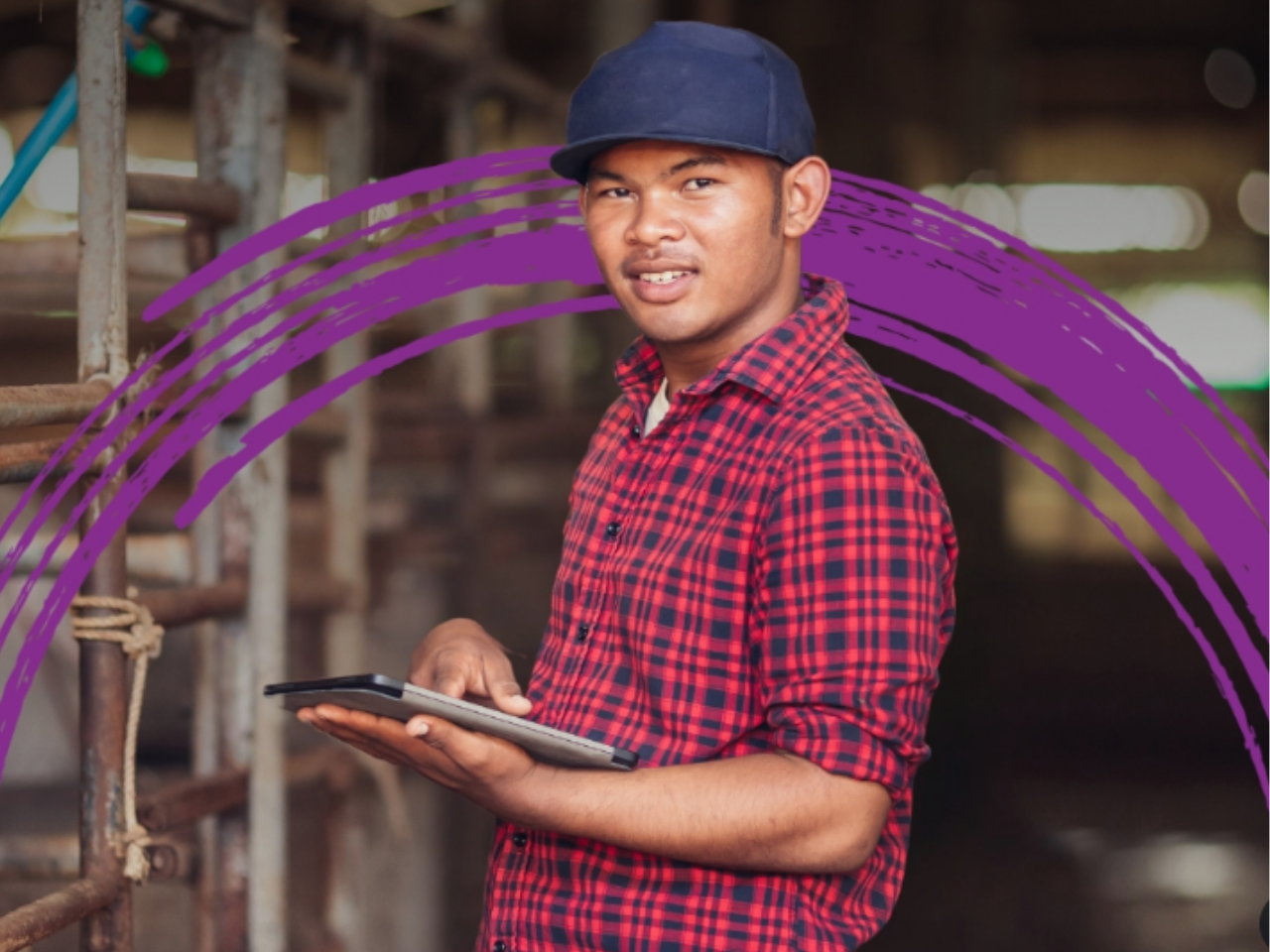
The research associated with the recent health agenda of the World Bank demonstrates that one vacancy in the health sector may result in the emergence of over three vacancies in the rest of the overall economy, such as pharmaceuticals, logistics, digital services, construction, and medical manufacturing, among others.
Global Beverage Prices Ease as Coffee and Cocoa Supplies Recover
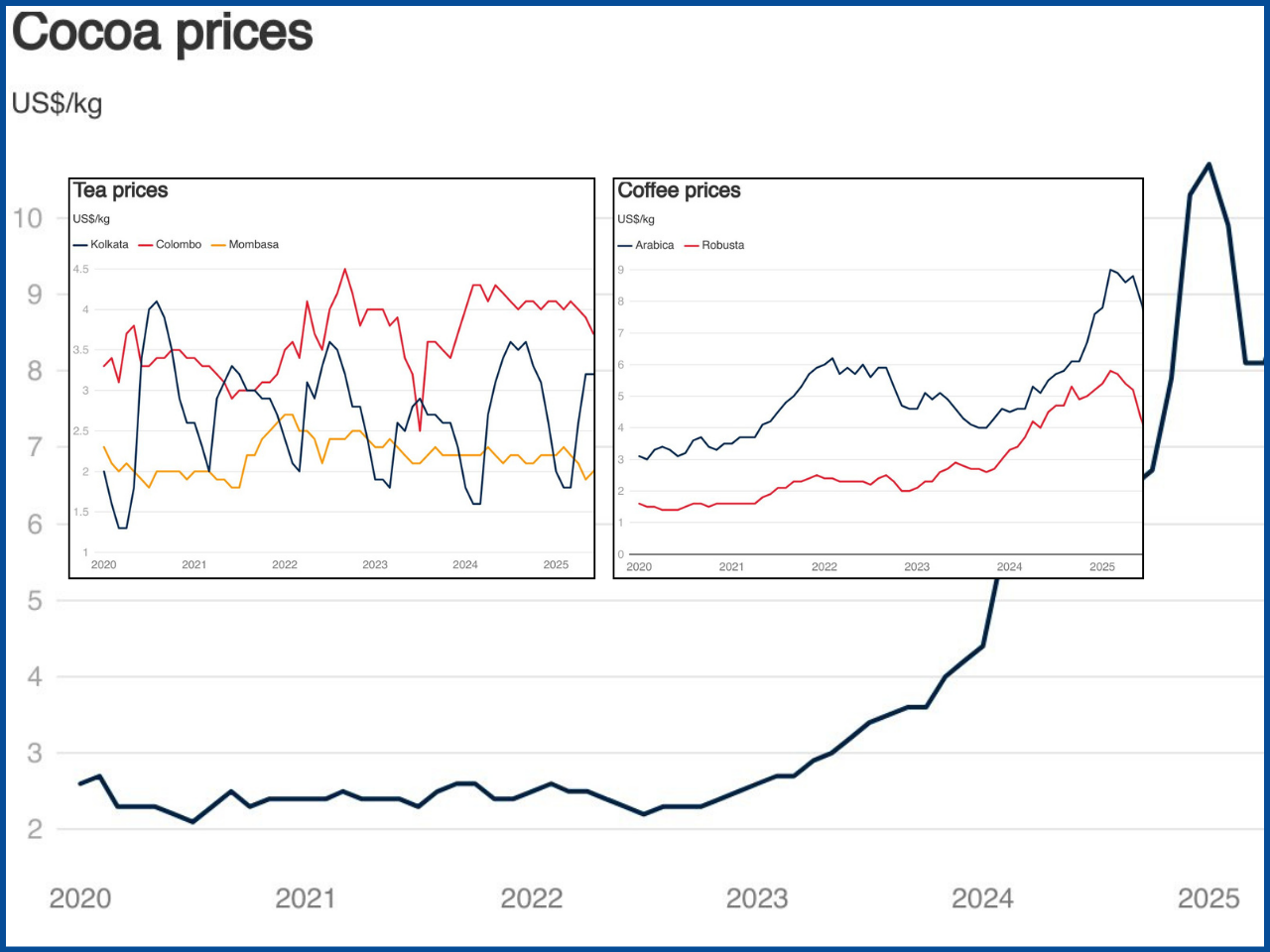
In late 2025, the World Bank’s beverage price index decreased significantly after increasing drastically throughout 2025 (the coffee and cocoa prices have begun to fall) and as the tea prices remain stable for a significant period of time. Following the forecasted rise of the beverage price index by 18% for 2025, it is forecast to decline by 7% for 2026 and by another 5% for 2027 due to anticipated increases in output levels.
Social Protection: A Gateway to Stability and Economic Engagement
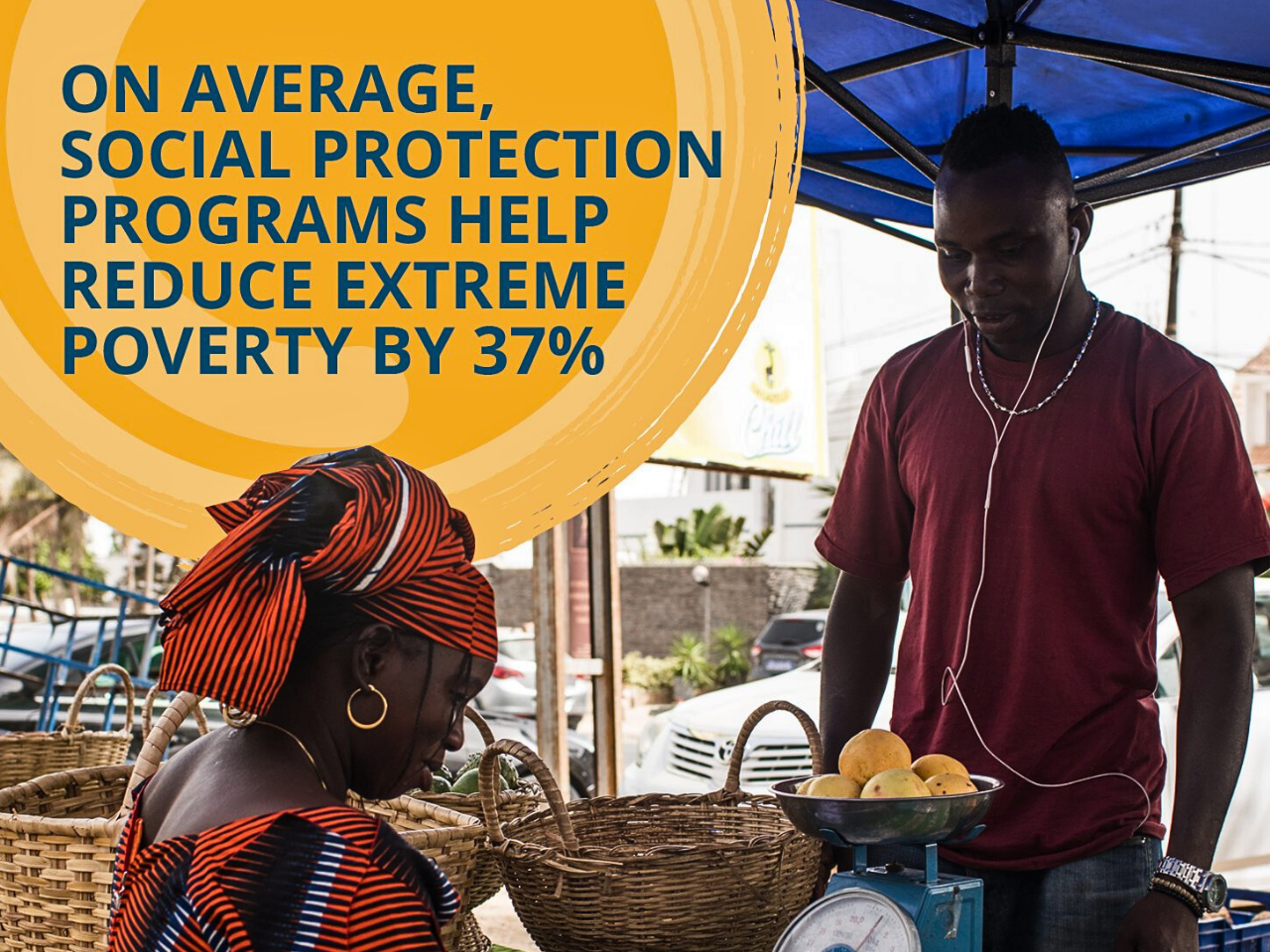
Social protection has become one of the most effective tools that alleviate extreme poverty and generate opportunities for vulnerable groups. Social protection regimes, including cash transfer schemes, social pensions, food stamps, and labor market initiatives, are not only a temporary soothing measure, but instead the gateway that enables people and families to switch between survival and stability and long-term economic engagement.
Free To Activate Membership