Investing in Health: A Strategic Approach to Economic Growth and Job Creation

Development examines the challenge of greying populations and increasing health demands on the nature of employment. There is a growing recognition of health as a priority in human development as well as an economic strategic investment. Recent evidence, identified by the World Bank Group, emphasizes that investing in the health system can provide considerable returns in terms of employment, productivity, and long-term growth. The research associated with the recent health agenda of the World Bank demonstrates that one vacancy in the health sector may result in the emergence of over three vacancies in the rest of the overall economy, such as pharmaceuticals, logistics, digital services, construction, and medical manufacturing, among others. The World Bank Group has recognized this multiplier effect and, therefore, made health the core of its development strategy under the Health Works approach. Within this framework, the institution intends to assist the countries in the delivery of good and affordable health services to 1.5 billion individuals by 2030.
The definition of access is broad, encompassing care provided by qualified experts both in traditional institutions and online. The aim is indicative of the increased relevance of resilient health systems in a demographically changing, climatically threatened, and recurring health shock world. In addition to enhancing good health, the economic potential of this initiative is high.
According to the World Bank, such a scale of health coverage expansion will require the creation of about 29 million new jobs in the entire world in the next few years. These opportunities would cut across frontline health care positions, education, supply chains, technology, and support services, among other areas, and the sector will be one of the most employment-intensive frontline government investment areas. According to the latest developments by the World Bank, the situation has been on an upward trend; hundreds of millions of people are already receiving enhanced primary care, increased health financing, and enhanced service delivery. In most developing economies, where slow growth, declining fiscal space, and elevated unemployment have become the order of the day, health investment is a rapidly emerging dual-purpose solution in the sense that it can improve living standards as well as provide a boost to economic growth. With mounting pressure on the development resources of the world, the message of the World Bank is clear and unified: the message that strong health systems are not social infrastructure, but a basis for the tranquility of shared prosperity and sustainable employment.
Latest News
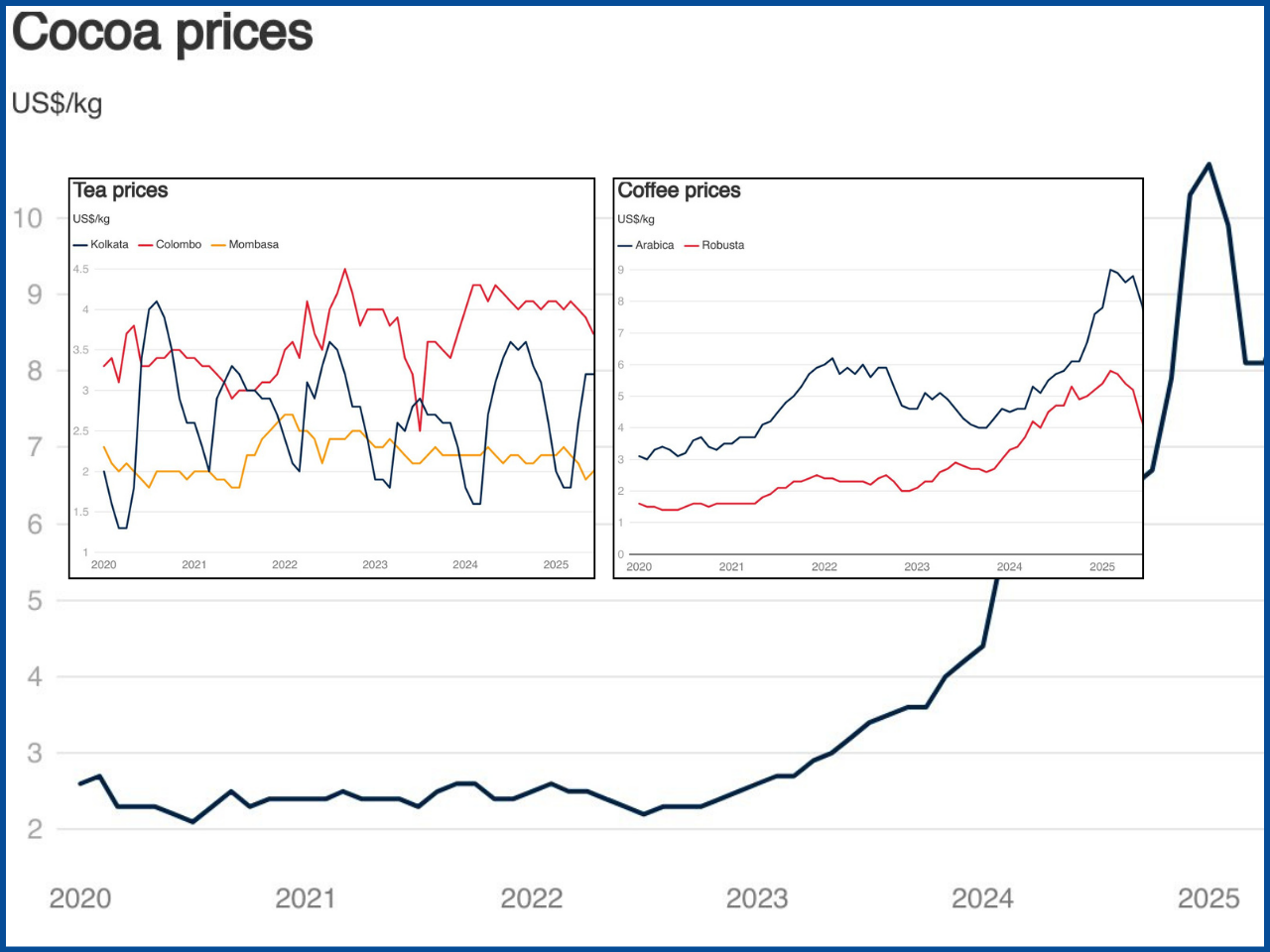
Global Beverage Prices Ease as Coffee and Cocoa Supplies Recover
In late 2025, the World Bank’s beverage price index decreased significantly after increasing drastically throughout 2025 (the coffee and cocoa prices have begun to fall) and as the tea prices remain stable for a significant period of time. Following the forecasted rise of the beverage price index by 18% for 2025, it is forecast to decline by 7% for 2026 and by another 5% for 2027 due to anticipated increases in output levels.
Social Protection: A Gateway to Stability and Economic Engagement
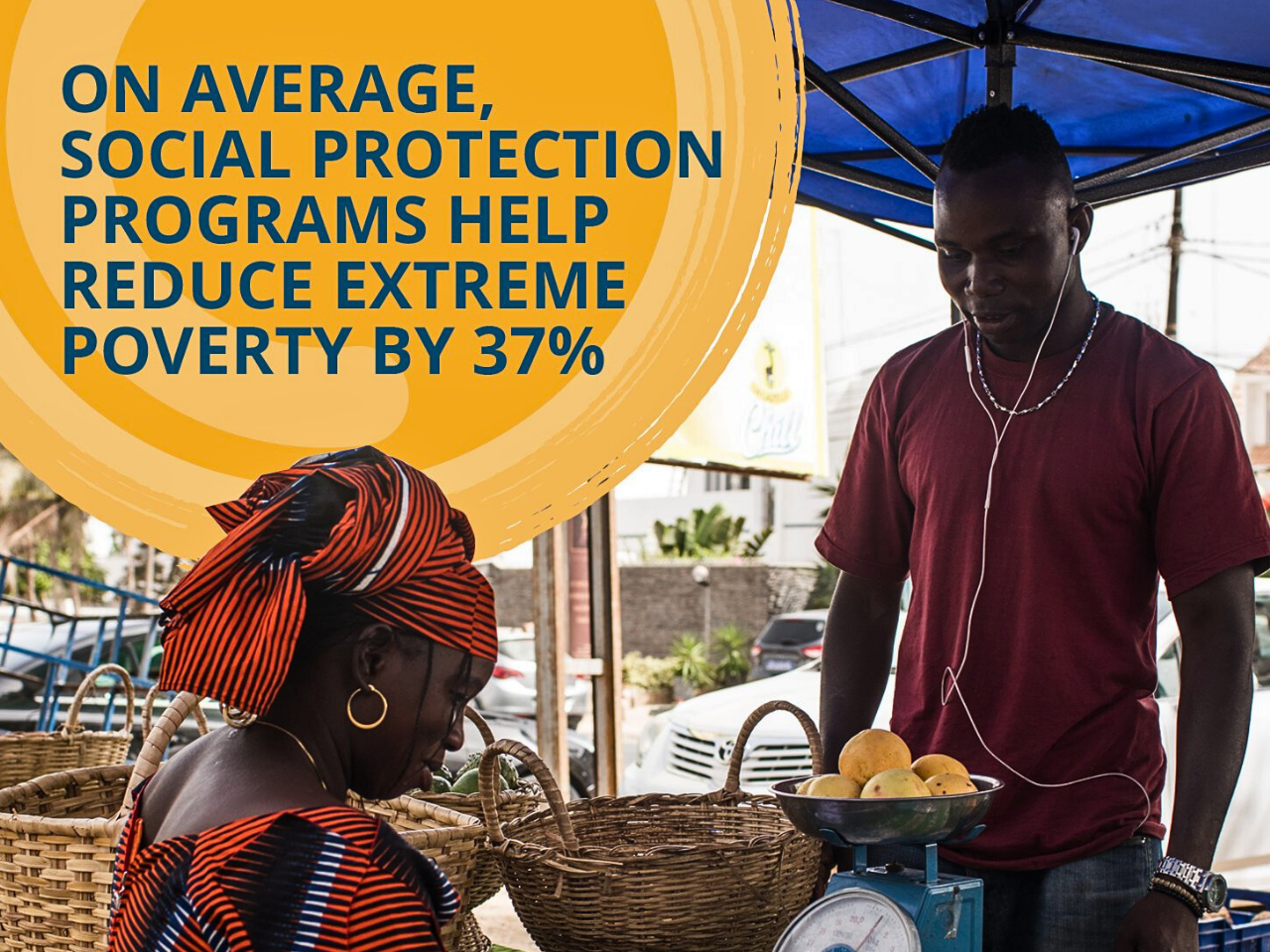
Social protection has become one of the most effective tools that alleviate extreme poverty and generate opportunities for vulnerable groups. Social protection regimes, including cash transfer schemes, social pensions, food stamps, and labor market initiatives, are not only a temporary soothing measure, but instead the gateway that enables people and families to switch between survival and stability and long-term economic engagement.
IMF Warns of AI-Driven Job Displacement, Urges Governments to Support Workers
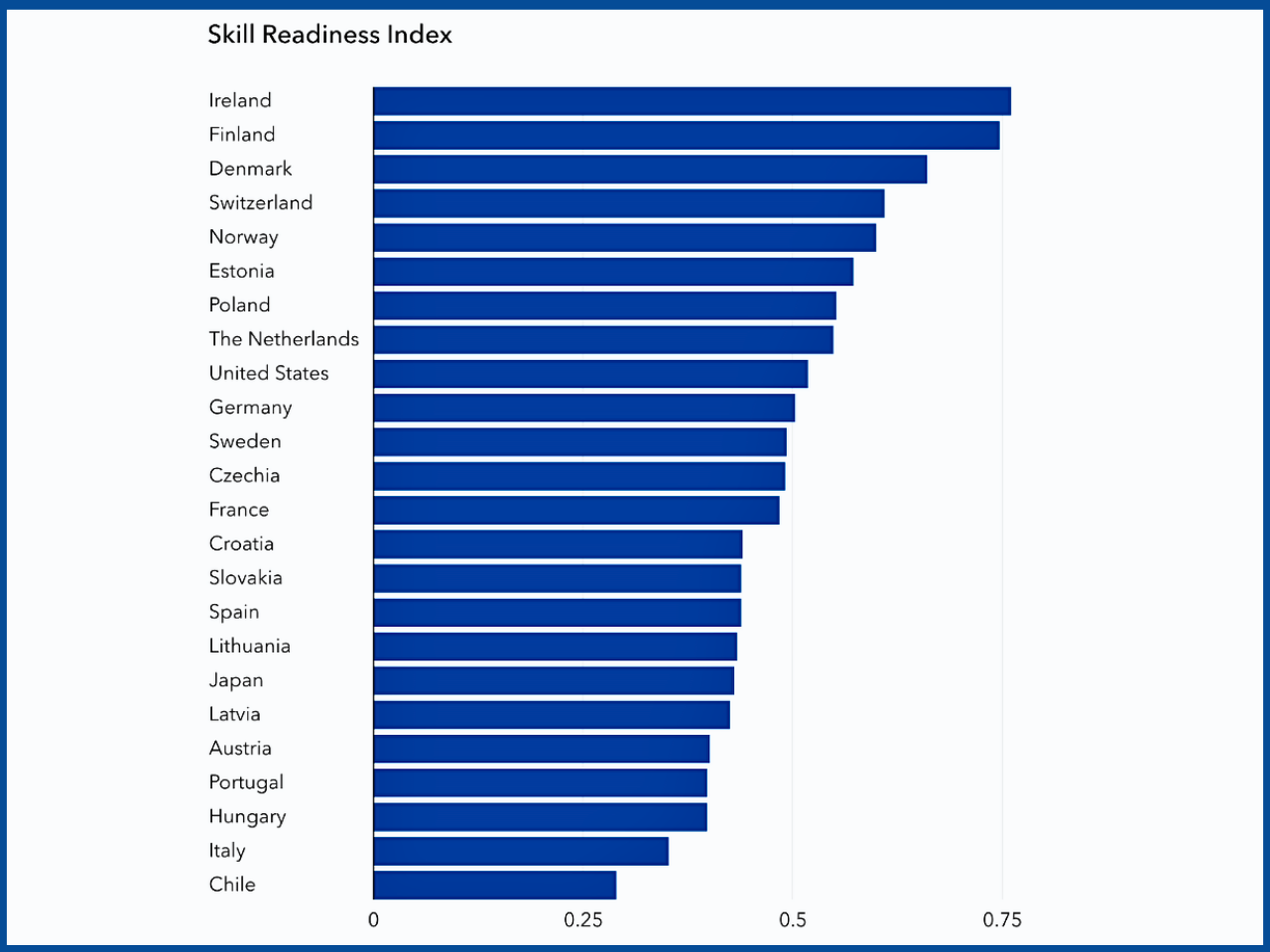
The International Monetary Fund (IMF) has warned that artificial intelligence (AI) is transforming the global labor market, with nearly 40% of workers worldwide vulnerable to job displacement. The study found that approximately 10% of job advertisements in advanced economies require new skills, such as digital literacy and technical skills, while the figure is around 5% in developing countries.
Youth Pulse 2026: The Next Generation of Leaders Reveals Their Priorities for a Changing World
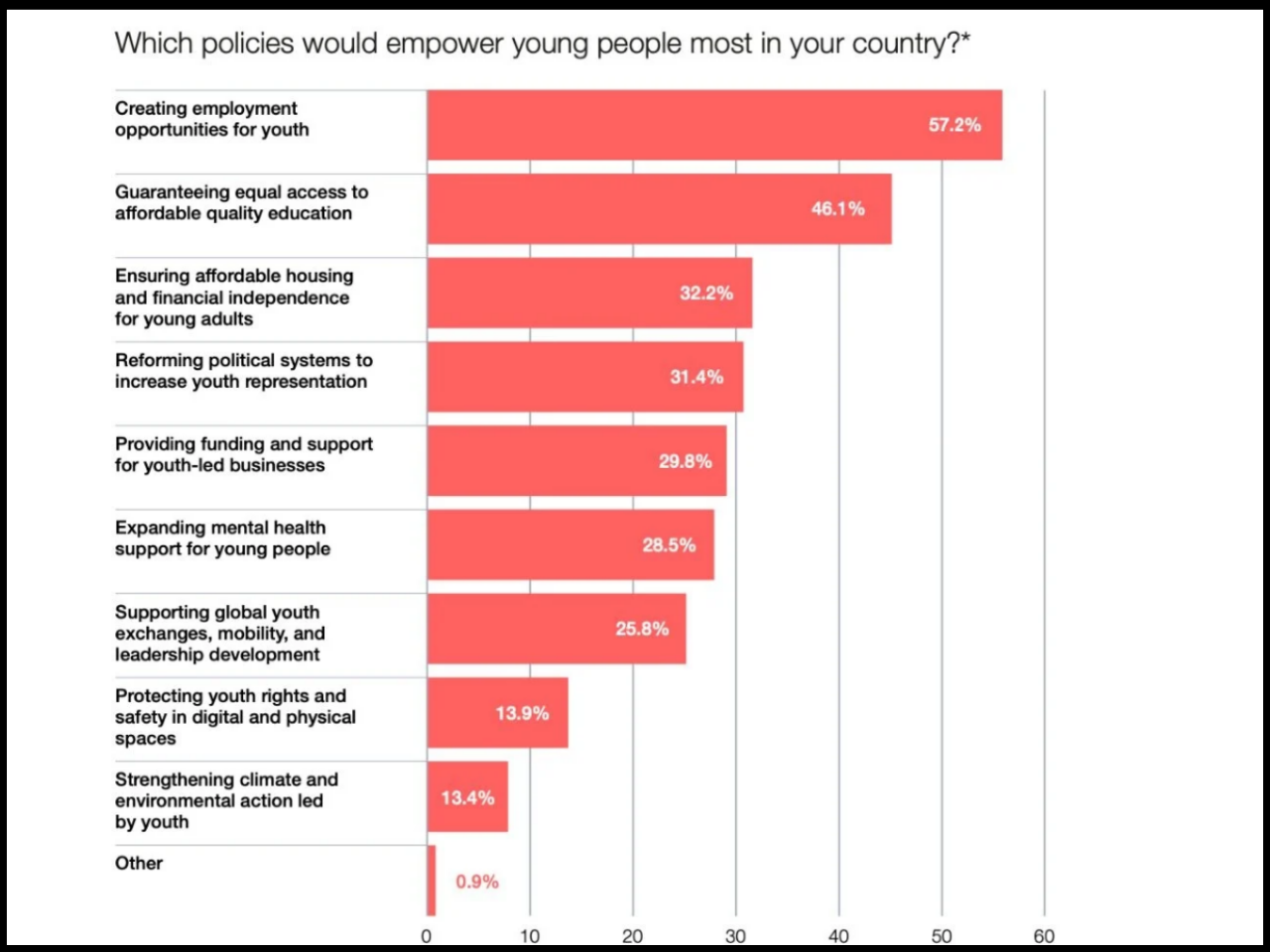
The report is politically against the stereotype of youth apathy. Almost 60% of them claim they use AI regularly, although two-thirds of them express concerns that automation will lead to a shortage of entry-level jobs. Youths require the regulation of ethical AI, more security of data, and access to formal digital skills education.

Free To Activate Membership