IMF Warns of AI-Driven Job Displacement, Urges Governments to Support Workers
The International Monetary Fund (IMF) has cautioned that artificial intelligence (AI), along with changes in the types of skills required by job positions, is changing how the global labor markets will be occupied by workers and employers, which requires immediate action by governments to assist both groups in their transition.
Historically, every advancement in technology has impacted how workers occupy job positions; however, the rapid advancements in AI technology and the use of digital tools have resulted in an increased rate of disruption, as well as providing both opportunities and obstacles. Recently conducted research by the IMF using millions of job postings indicates that there has been a dramatic increase in the demand for new skills, such as digital literacy, technical skills, and management skills, globally. At present, approximately 10% of job advertisements in advanced economies indicate that one or more new skills are required to occupy those positions, while the corresponding figure for developing countries is roughly 5%.
The worldwide labor market is being reshaped by automation and artificial intelligence as traditional job duties/skills are being replaced by artificial intelligence AI. Professional and technical job categories will experience the most significant growth in employability. Middle-tier occupations will continue to decline, whereas entry-level workers will see the most significant negative impact due to job loss or reduced employability as a result of the implementation of artificial intelligence and automation technology.
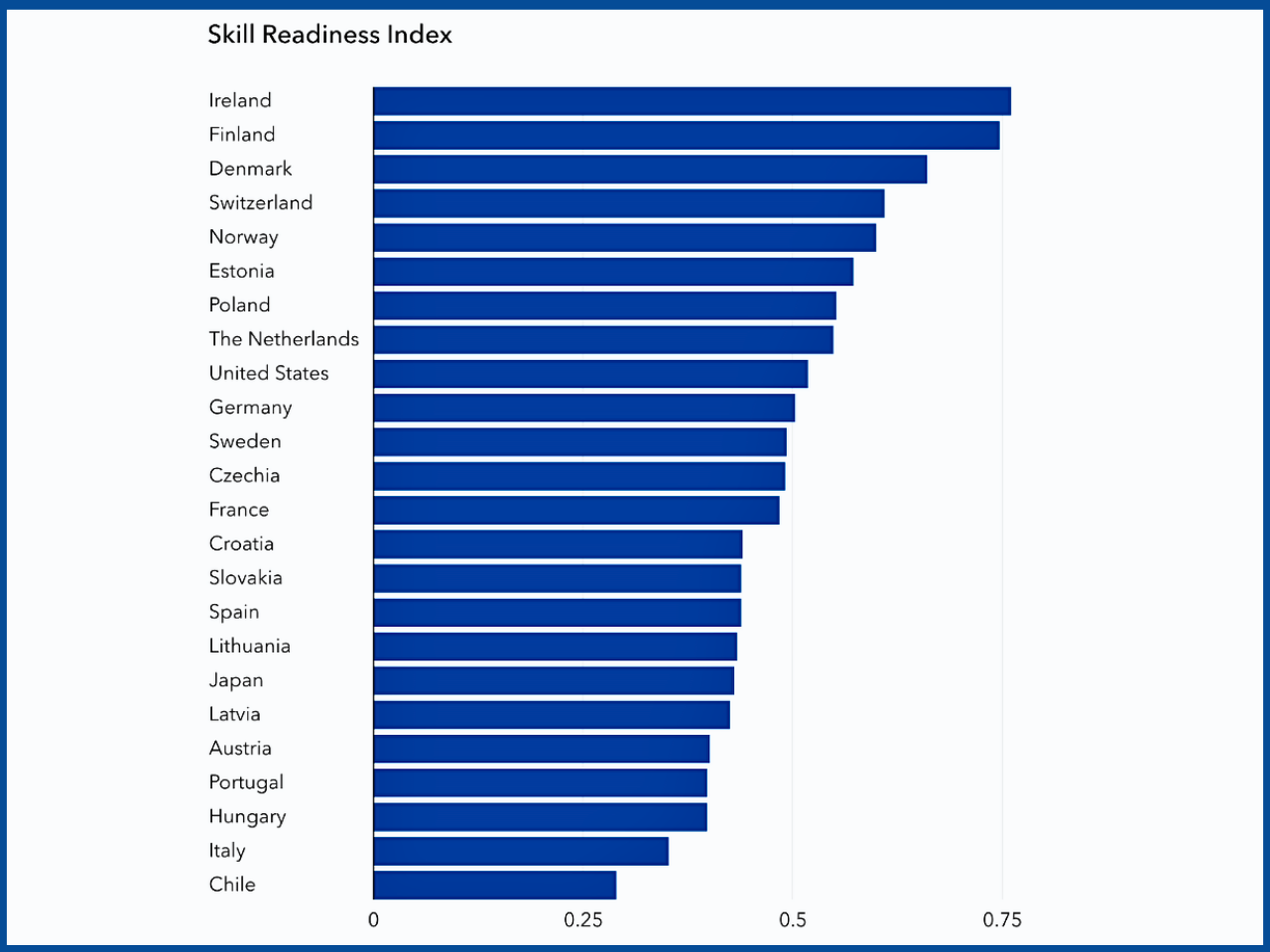
Almost 40% of all workers worldwide are currently vulnerable to job displacement caused by AI (artificial intelligence). Consequently, the IMF believes that it is essential to develop and implement lifelong learning policies for people to continue acquiring job-related skills over their working lives and to support the development of a workforce capable of adapting to the new requirements of the workforce. Finland, Ireland, and Denmark are performing particularly well in their efforts towards workforce development. There are also many other countries continuing to improve upon their efforts with respect to workforce development and investing in workforce and social protection, and proactive evolution to encourage more inclusive growth.

ADVERTISEMENT

Latest News
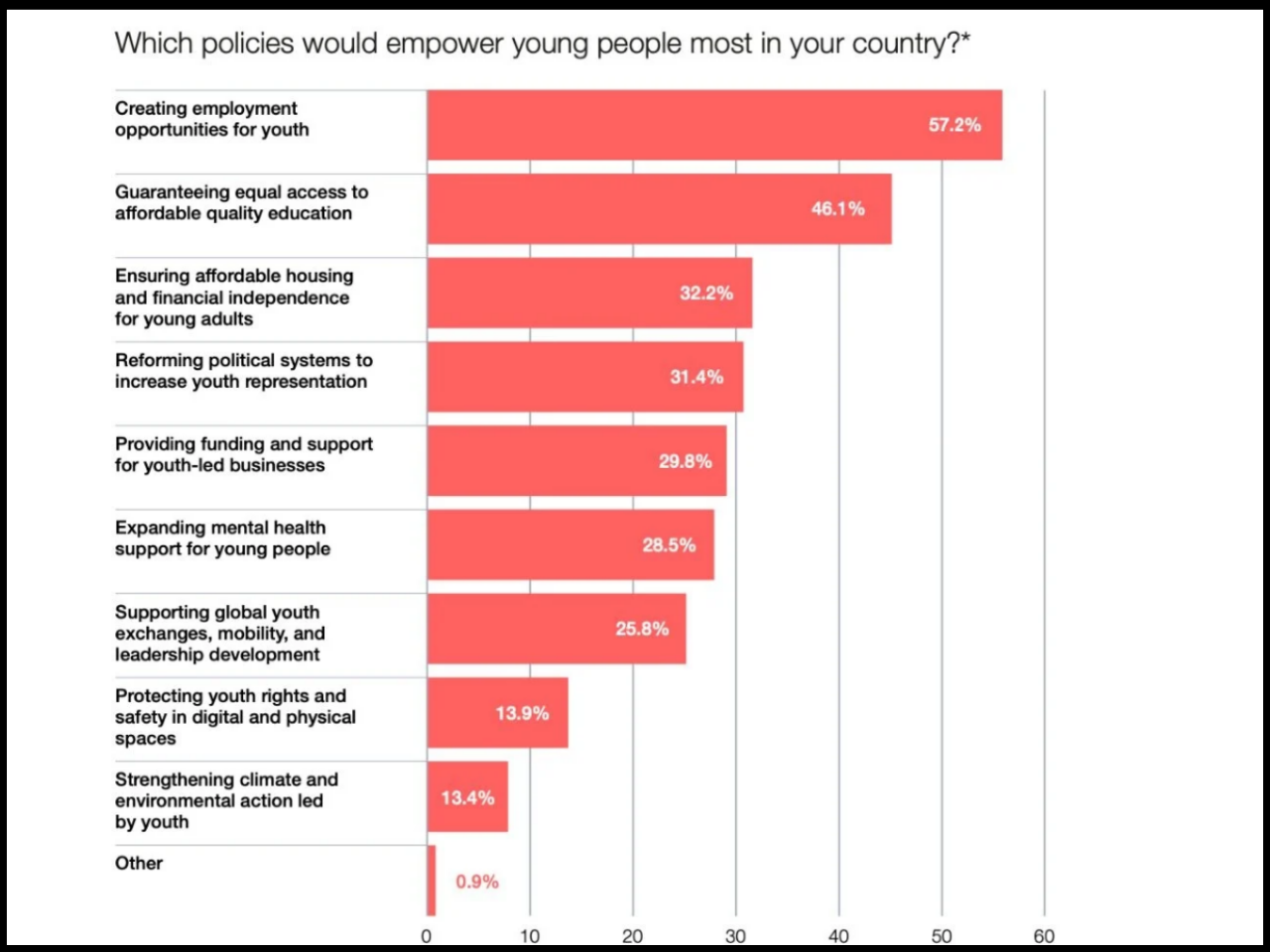
Youth Pulse 2026: The Next Generation of Leaders Reveals Their Priorities for a Changing World
The report is politically against the stereotype of youth apathy. Almost 60% of them claim they use AI regularly, although two-thirds of them express concerns that automation will lead to a shortage of entry-level jobs. Youths require the regulation of ethical AI, more security of data, and access to formal digital skills education.
EU-Mercosur Trade Deal: A Game-Changer or a Threat to European Farmers?
The European Council completed its negotiations with Mercosur (Argentina, Brazil, Paraguay, and Uruguay) for a trade agreement, one of the largest bilateral trading relationships in the world, allowing both geographical areas access to the respective markets of over 700 million consumers, with a current total value of trade in goods being more than €111 billion annually throughout the globe.

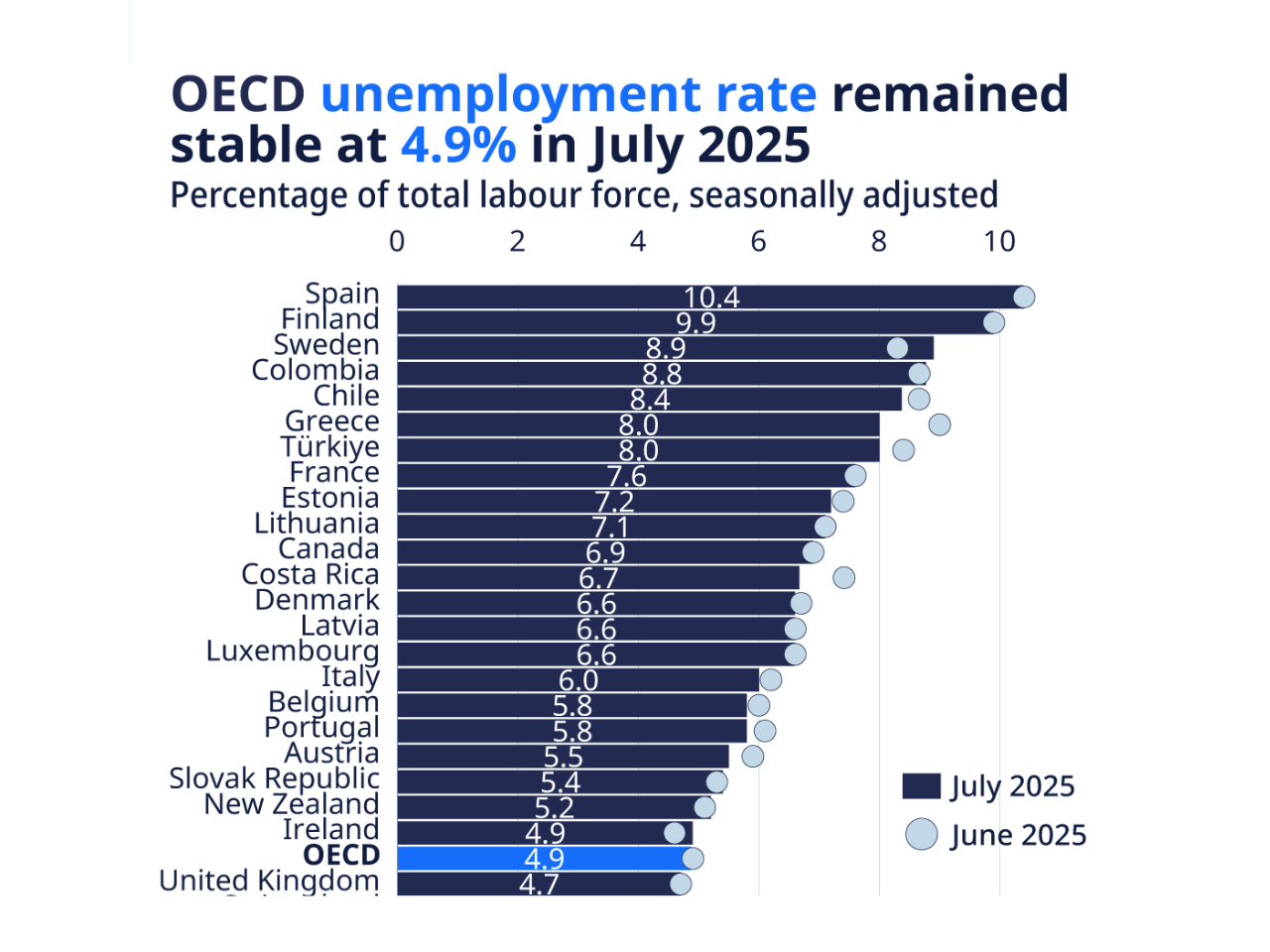
OECD Unemployment Rate Remains Stable at 4.9% in July 2025
The unemployment rate was steady in 20 countries and dropped in 11 countries. Greece and Norway saw the greatest declines, and it increased slightly in Ireland and Sweden. In some countries like Japan, Korea, and Slovenia, the unemployment ratio is less, which is below 3 percent, and 14 other countries reached a minimum of 1 percent higher than their all-time lows
2025 Global Innovation Index: Switzerland Tops Rankings, China Enters Top 10 for First Time
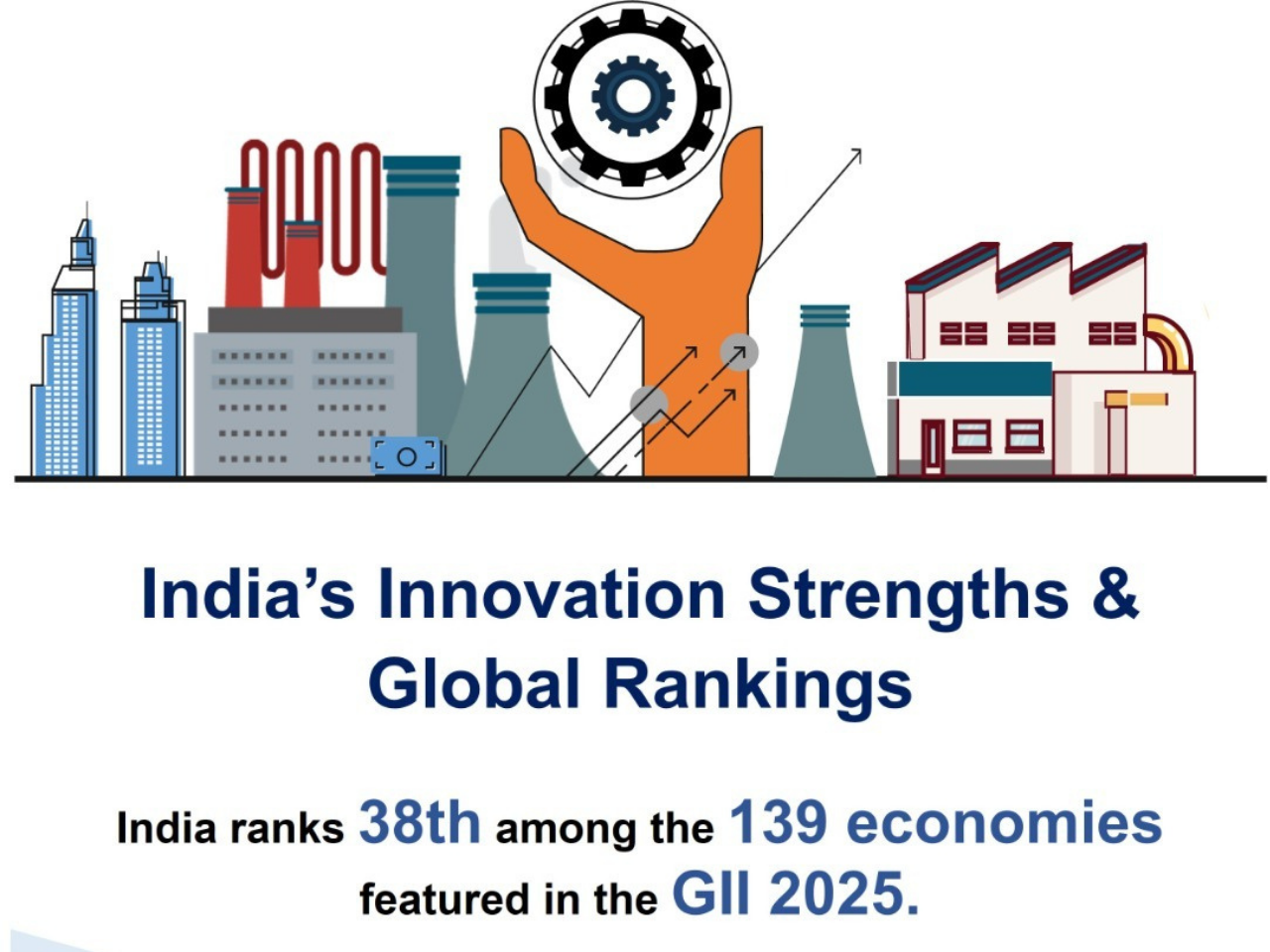
As stated by WIPO’s 2025 Global Innovation Index (GII), Switzerland ranks first and is followed by Sweden, the United States of America, the Republic of Korea, and Singapore. The Netherlands, Denmark, Finland, the United Kingdom, and China (which ranked in the top 10 for the first time) complete the list. The GII uses over 80 factors to assess roughly 140 economies, including high-tech exports, venture capital, R&D levels, and IP registration statistics
Uniting for a Better Future: UNGA 80 Marks 80 Years of Global Cooperation and Action
High-level government and civil society representatives gather throughout the city every September to work together to address the most pressing problems affecting society worldwide. There is more excitement this year because it is the UN’s 80th session, which is a significant milestone. Thus, there will be opportunities for introspection about the UN, as well as to establish actions for future work