Trump Calls on Congress to Enact ‘Great Healthcare Plan’ as Administration Advances School Nutrition Reform
The U.S. Congress to enact proposed plans for healthcare reform, which include lowering costs for medications and health insurance premium rates, establishing greater accountability by large insurance companies, and creating a more transparent pricing system for healthcare services. This is an extension of previous executive actions and health care reform proposals made during the Trump Administration (2009-2016) and his current term (2017 to present). The plan’s main purpose is to work toward lower drug prices for all Americans through a renewed effort from the government. The administration plans to put into law the MFN (Most Favored Nation) pricing system so that Americans will only pay up to the same price as people living in other developed countries for their prescription medications. The administration is building on executive orders put into place during President Trump’s term that lowered prices for insulin by encouraging pharmaceutical manufacturers to negotiate with the Department of Health and Human Services (DHHS) and the Centers for Medicare and Medicaid Services (CMS) voluntarily. Under this plan, consumers will still benefit from previously negotiated agreements between pharmaceutical companies and the DHHS and CMS.
The Great Healthcare Plan will also increase consumer access to approved and safe medications by expanding access for patients in some categories through an OTC option. The federal government believes that by giving patients the option of purchasing specific types of medicines without having to see a physician, consumers will have an increased opportunity to select from a variety of medication options, as well as an increased number of competing businesses that will manufacture the medications, thus creating additional competition between drug manufacturers; have increased knowledge of the medications they will be purchasing; and, ultimately, have lower out-of-pocket healthcare costs.
Another major principle of the Great Healthcare Plan is to provide lower premiums in the health insurance market. By redirecting federal spending away from large health insurance carriers and to the customer through various subsidy programs, the Great Healthcare Plan allows consumers to select health insurance plans that best meet their individual needs, as opposed to allowing the government to decide what plan to give them. The current structure of subsidies that the government provides to the insurance companies disproportionately favors the insurance companies over the consumers they serve. According to the Congressional Budget Office (CBO), the ACA’s cost-sharing reductions (CSRs) are expected to ultimately cost taxpayers at least $36 billion but will lower premiums more than 10 percent on the most common types of health plans purchased through the ACA marketplace(s). Additionally, the proposal would end the practice of paying kickbacks from drug manufacturers to pharmacy benefit managers (PBMs) to large brokerage firms, which the administration argues has caused a large portion of the rise in health insurance premiums. One of the core highlights of the Great Health Care Plan is enhancing large insurance company accountability through simplified insurance information. The proposed creation of a “Plain English” Insurance Standard that requires insurers to present information on coverage, pricing, and comparison in plain English rather than technical terms will allow consumers to have an easier time finding out what their insurance options are. If successful, the program will require all insurers to report publicly on how their revenues are allocated to face-to-face patient care in relation to administrative expenses and profitability and post the data on the claim denial rate and the average waiting period between requesting a routine medical visit and seeing a healthcare professional.
Healthcare price transparency, as it relates to the entire healthcare system, has been established by the administration as a priority. Any provider of healthcare services or insurance that accepts payment via Medicare or Medicaid will be required to visibly provide pricing information and fees in its facility. The current proposal consists of additional regulations based on prior laws related to price disclosure implemented by President Trump during his first term that required hospitals and health insurance companies to post their pricing choices. The Trump administration has stated that the previous government did not enforce these regulations; therefore, bringing back enforcement of these regulations will help improve accountability and restore to patients the ability to make their own decisions. President Trump has made the Great Healthcare Plan part of his promise to lower healthcare costs for every American. After taking the office again, he has signed several executive orders, including an executive order in May 2025, which will align federal drug prices to those of similar countries around the world. His administration negotiated with more than 16 major drug companies, lowering drug prices for millions of Americans. Other reforms that have expanded access to Health Savings Accounts (HSAs) have increased protections against healthcare financial fraud, as well as greater investment in services for rural areas of the country.
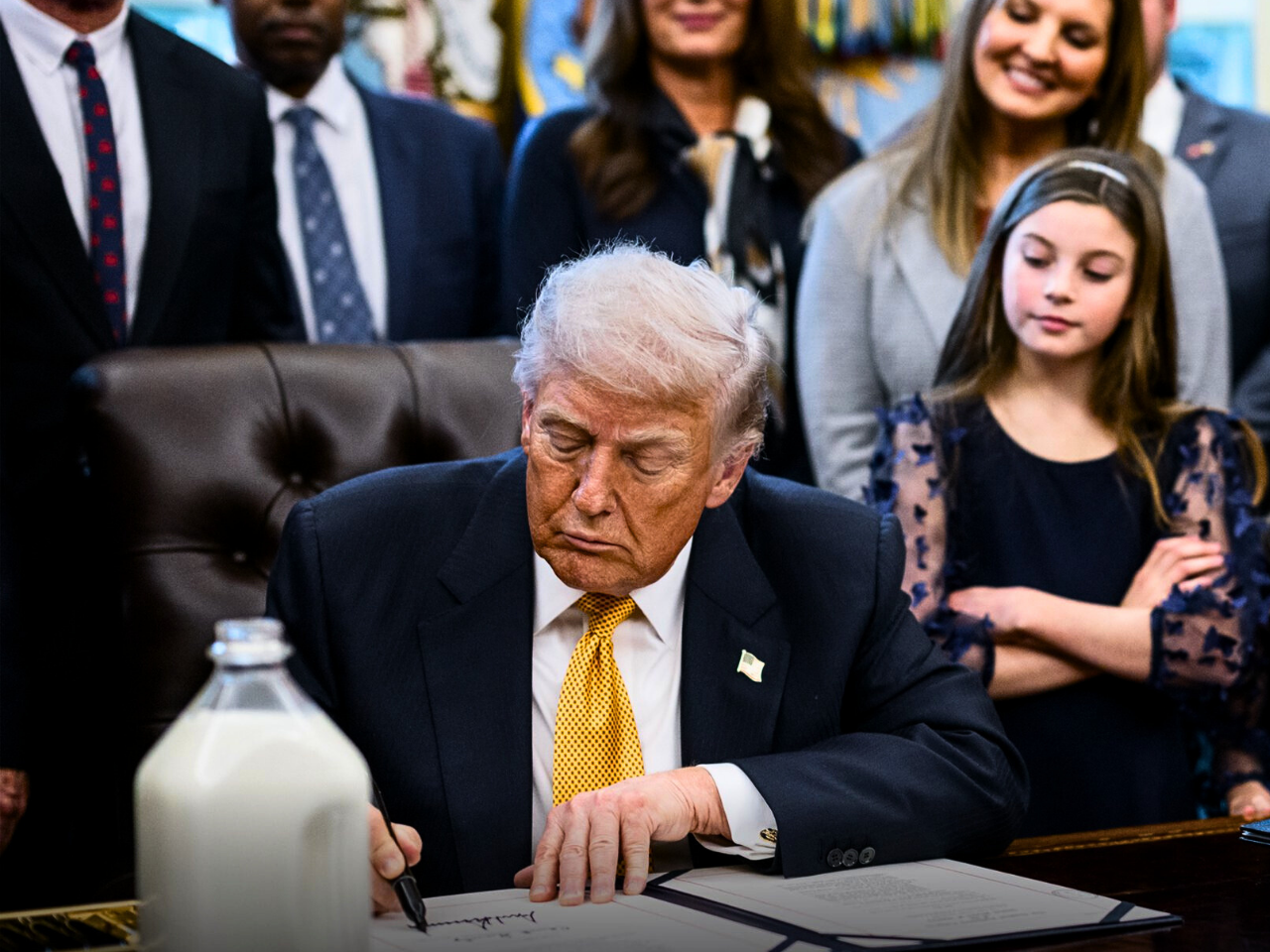
The Whole Milk for Healthy Kids Act of 2025, signed into law by President Trump, is a huge shift in federal school nutrition policy and is part of healthcare reform. This new law supersedes the Obama administration’s policies of limiting higher-fat milks in school cafeterias. Along with skim and low-fat milk, schools may also serve whole milk and 2% milk for the purpose of the National School Lunch Program. The new law will not only allow schools to serve more types of milk products but also include flavored and unflavored milk products, organic and conventional milk products, and lactose-free milk products. In addition, schools will be allowed to offer non-dairy milk alternatives such as fortified soy milk in the near future. Proponents of the new law say that by allowing schools to offer whole and reduced-fat milk products, school meals will be designed to more closely resemble the types of meals families would eat at home, thus increasing student participation and reducing food waste. The dairy industry leaders and lawmakers from both political parties have applauded the new law and view it as a victory for children’s nutritious meals, parental choice, and American dairy farmers.
The Dairy Industry Trade Associations expressed appreciation for the bipartisan effort to pass such legislation and the role that milk plays in assuring proper nutrition because of how it supports children’s health and assists in their education. Congressional leaders reiterated that this legislation will create a positive impact on the well-being of school-aged children as well as provide support for American dairy producers. As a comprehensive plan to improve the medical system’s affordability and empower consumers, the Great Healthcare Plan, along with the Whole Milk for Healthy Kids Act, reflects the government’s overall agenda to improve the medical care system through legislative and executive measures, support the development of nutritional policies, and provide choices to consumers regarding their health insurance coverage options.

ADVERTISEMENT



Free To Activate Membership