Social Protection: A Gateway to Stability and Economic Engagement
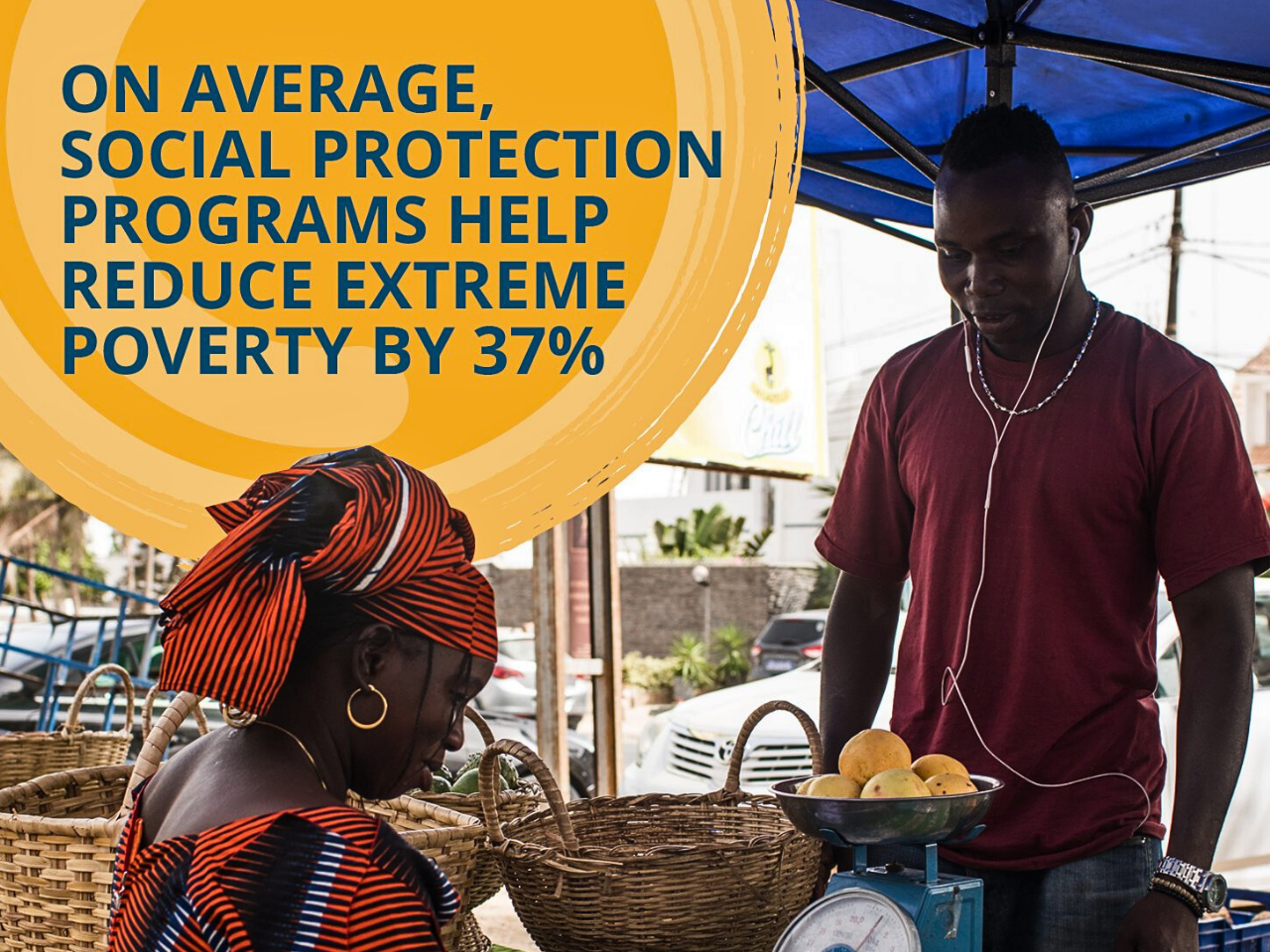
Social protection has become one of the most effective tools that alleviate extreme poverty and generate opportunities for vulnerable groups. Social protection regimes, including cash transfer schemes, social pensions, food stamps, and labor market initiatives, are not only a temporary soothing measure, but instead the gateway that enables people and families to switch between survival and stability and long-term economic engagement. Recent international statistics reveal that the social protection initiatives have led to a lasting reduction of extreme poverty by an average of 37 percent, which goes to highlight how successful the programmes are in tackling the most abject poverty. The programs allow the households to buy basic needs, reducing consumption and avoiding unhealthy coping strategies like child labour, distress migration, or depleting assets by providing predictable income support.
This stability sets up the environment that families require to invest in education, health, and livelihoods, which are the main sources of upward mobility. Social protection coverage has been increasing at a high pace in the last decade. By 2022, programs covered about 4.7 billion individuals in low- and middle-income countries, a figure that implies close to 75 percent of the population in the said countries lived in homes where they had access to at least one type of social protection intervention. The fact that the extremely poor in low-income countries have seen coverage gains by an average of 17 percentage points since 2010 has been the most notable example of gains in coverage, as coverage gains continue to focus on policy, with the help of international assistance.
Although this has been achieved, there are still large gaps. The World Bank projects that globally, approximately 1.6 billion individuals remain uninsured in any way, and an extra 400 million individuals gain advantages that are too minimal to lift them out of poverty or even shield them against shocks. These deficiencies are worst in poor and weak environments where people receive social protection on average less than one in every four individuals. With the increased rate of climate change, economic insecurity, and changes in the labor market, the importance of social protection is becoming critical. The coverage, adequacy, and delivery systems need to be strengthened not only to alleviate poverty nowadays but also to ensure that the social protection is really the first step on the ladder of opportunity between the safety net and the resilience, productivity, and inclusive growth.


ADVERTISEMENT

Latest News
IMF Warns of AI-Driven Job Displacement, Urges Governments to Support Workers
The International Monetary Fund (IMF) has warned that artificial intelligence (AI) is transforming the global labor market, with nearly 40% of workers worldwide vulnerable to job displacement. The study found that approximately 10% of job advertisements in advanced economies require new skills, such as digital literacy and technical skills, while the figure is around 5% in developing countries.
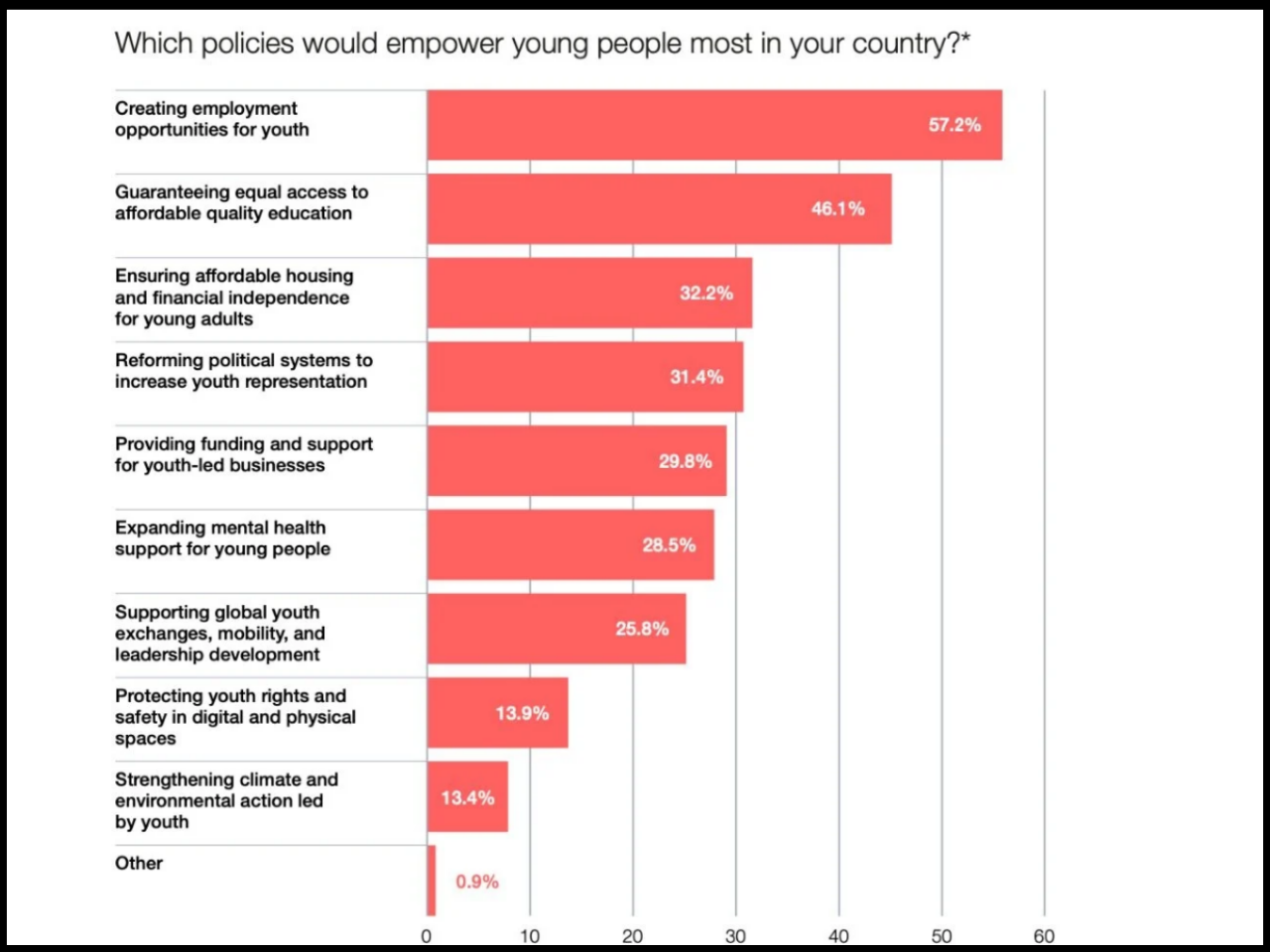
Youth Pulse 2026: The Next Generation of Leaders Reveals Their Priorities for a Changing World
The report is politically against the stereotype of youth apathy. Almost 60% of them claim they use AI regularly, although two-thirds of them express concerns that automation will lead to a shortage of entry-level jobs. Youths require the regulation of ethical AI, more security of data, and access to formal digital skills education.
EU-Mercosur Trade Deal: A Game-Changer or a Threat to European Farmers?
The European Council completed its negotiations with Mercosur (Argentina, Brazil, Paraguay, and Uruguay) for a trade agreement, one of the largest bilateral trading relationships in the world, allowing both geographical areas access to the respective markets of over 700 million consumers, with a current total value of trade in goods being more than €111 billion annually throughout the globe.

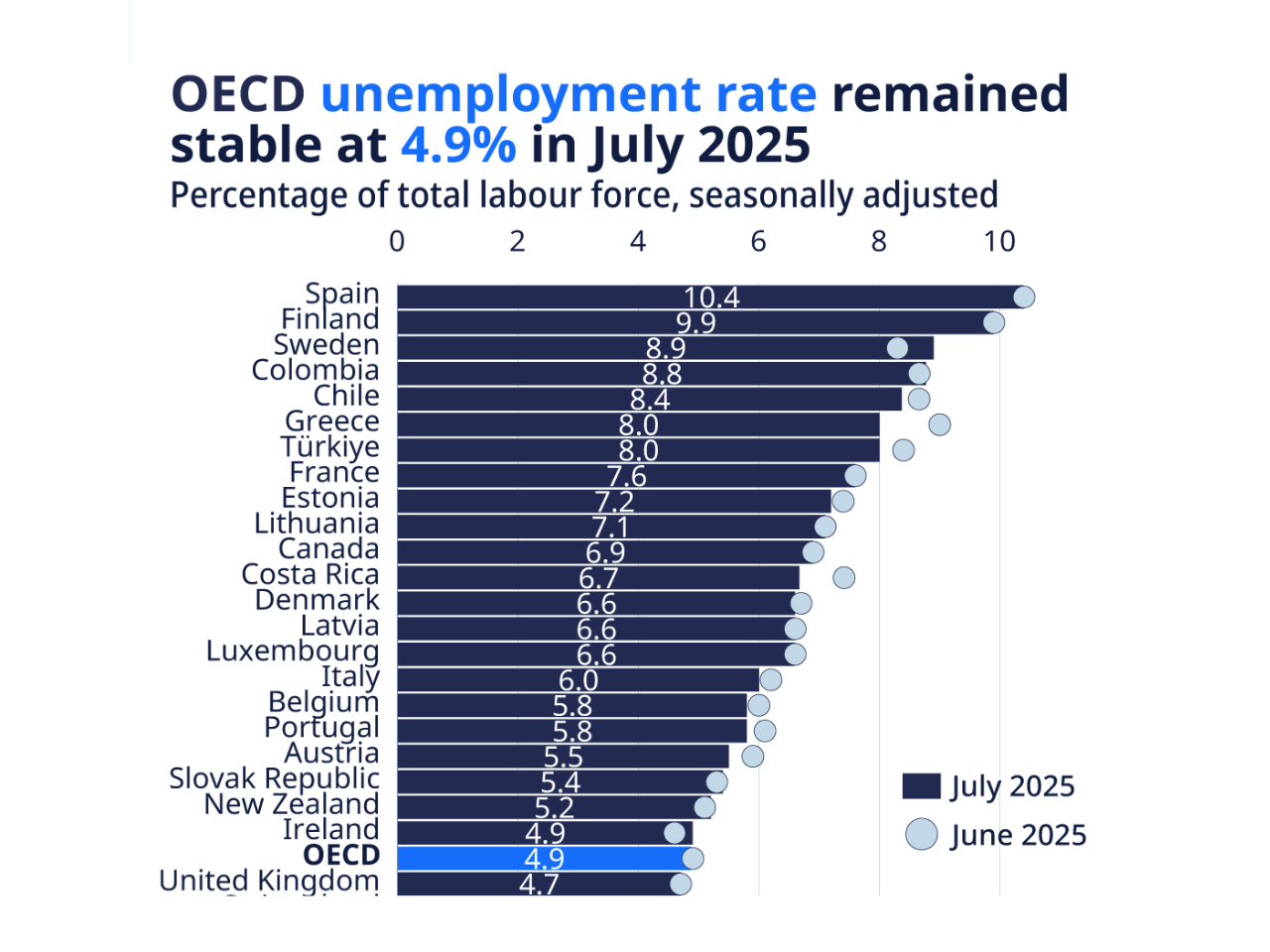
OECD Unemployment Rate Remains Stable at 4.9% in July 2025
The unemployment rate was steady in 20 countries and dropped in 11 countries. Greece and Norway saw the greatest declines, and it increased slightly in Ireland and Sweden. In some countries like Japan, Korea, and Slovenia, the unemployment ratio is less, which is below 3 percent, and 14 other countries reached a minimum of 1 percent higher than their all-time lows
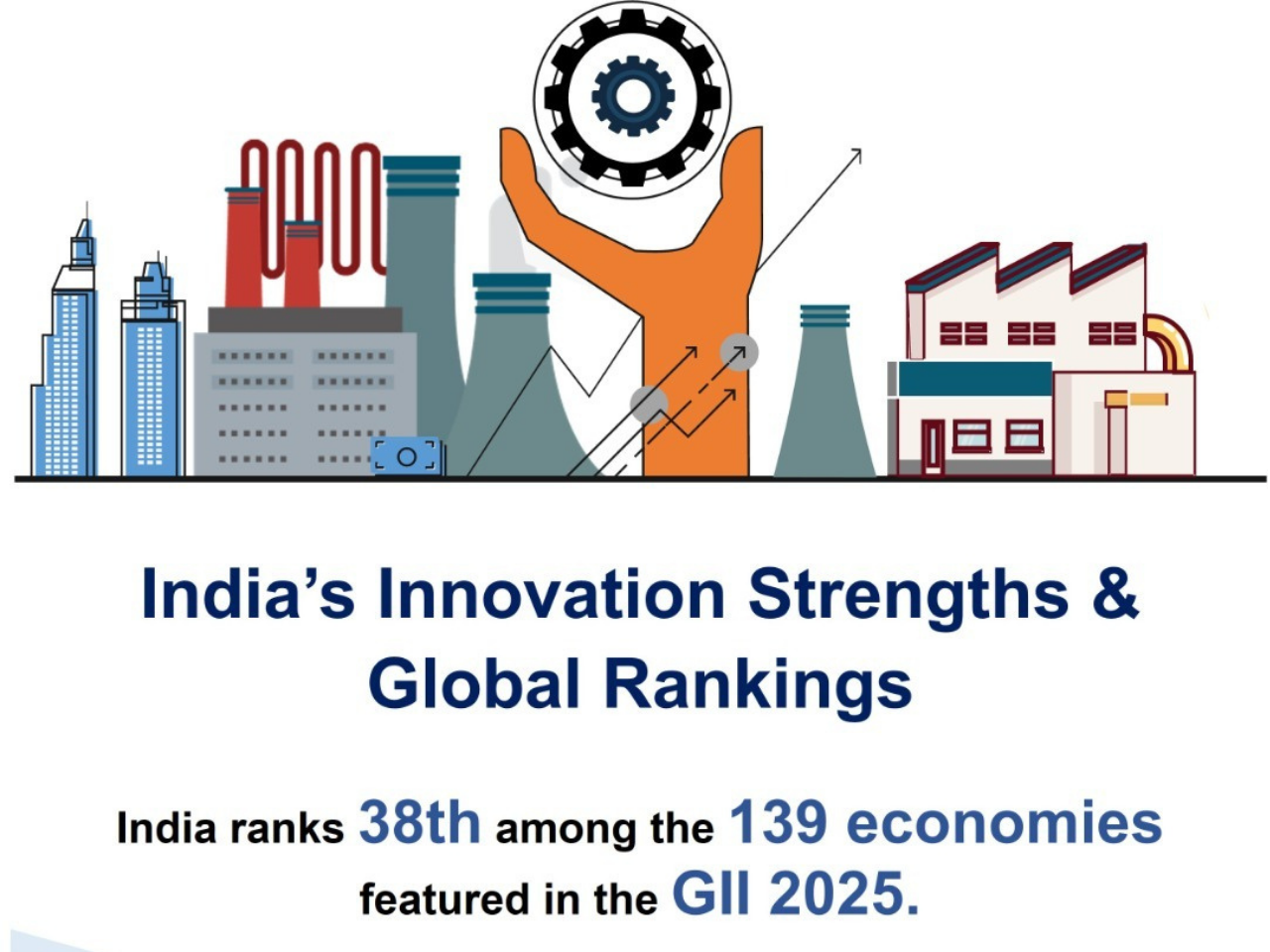
2025 Global Innovation Index: Switzerland Tops Rankings, China Enters Top 10 for First Time
As stated by WIPO’s 2025 Global Innovation Index (GII), Switzerland ranks first and is followed by Sweden, the United States of America, the Republic of Korea, and Singapore. The Netherlands, Denmark, Finland, the United Kingdom, and China (which ranked in the top 10 for the first time) complete the list. The GII uses over 80 factors to assess roughly 140 economies, including high-tech exports, venture capital, R&D levels, and IP registration statistics
Uniting for a Better Future: UNGA 80 Marks 80 Years of Global Cooperation and Action
High-level government and civil society representatives gather throughout the city every September to work together to address the most pressing problems affecting society worldwide. There is more excitement this year because it is the UN’s 80th session, which is a significant milestone. Thus, there will be opportunities for introspection about the UN, as well as to establish actions for future work