Europe's Aging Population Meets Social Economy Solution: Care, Housing, and a New Era of Support
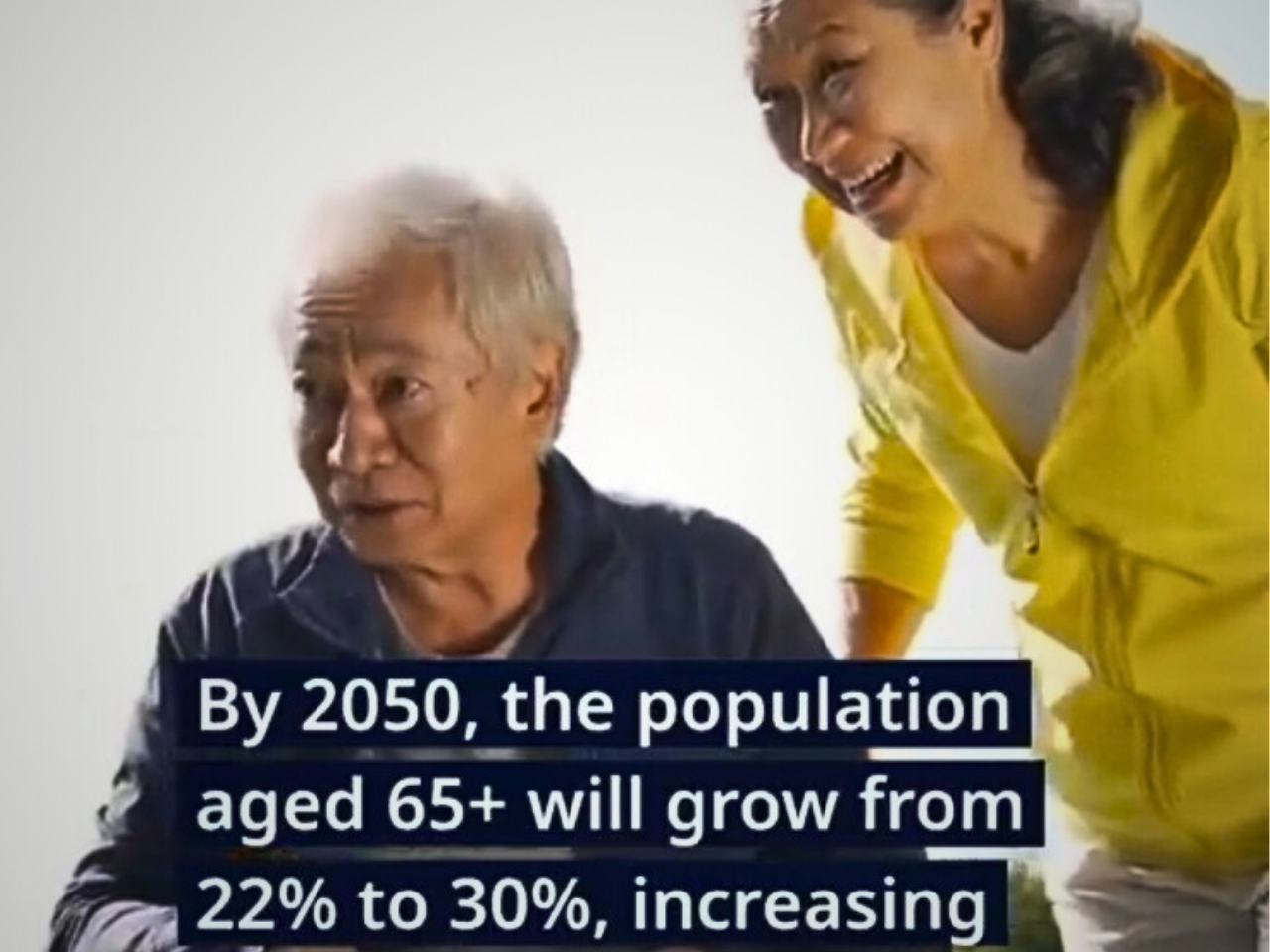
(Focuses on demographic change, care gaps, and the role of social economy models in providing people-centred solutions). Europe is under the pressure of increasing ageing of its population, mounting care demand with a decreasing workforce, and escalating cost pressures. In the present day, caring is the reason behind almost one in every three Europeans, which highlights the burden on families, the labour market, and the welfare systems. It is on this basis that social economy organisations are being increasingly considered as vital pillars of providing low-cost, quality, and people-focused services.
The social economy in the European Union alone has a population of over 4.3 million organizations with approximately 11.5 million people, 6.3 per cent of the total labor force, and an annual turnover of over EUR 900 billion according to a joint report by OECD and the European Commission. These organisations, among others, social enterprises, co-operatives, associations, and mutual societies, reinvest surpluses into social missions and have participatory models of governance, making communities more resilient and socially cohesive. The report points to care and housing as two of the priority areas where the social economy contribution has been instrumental. Social economy providers supplement public and private care provider services through innovative, locally based interventions that can assist with ageing and deliver autonomy, integration of health and social services, as well as enhance the working conditions of care workers. Non-profit associations and co-operatives provide long-term affordable housing in the form of housing and social support, energy-efficient design, and community involvement in housing. Such entities in various EU countries take up a large proportion of the national stock of residential buildings.
In addition to service provision, the social economy has been shown to provide sustainable competitiveness through the provision of good jobs, innovativeness, and territorial cohesion in both urban and rural regions. This strength in times of crisis, especially the COVID-19 pandemic, has also proved its strategic value. Nevertheless, as the report points out, the visibility is limited, regulatory barriers are also present, financing is an issue, and skills are also scarce in the sector to drive its growth. To realize its full potential, the OECD and the EU demand greater institutional acknowledgment, customized business service, and consistent tax regimes. This will lead to Europe’s inclusive growth, social wellness, and long-term prosperity
Latest News
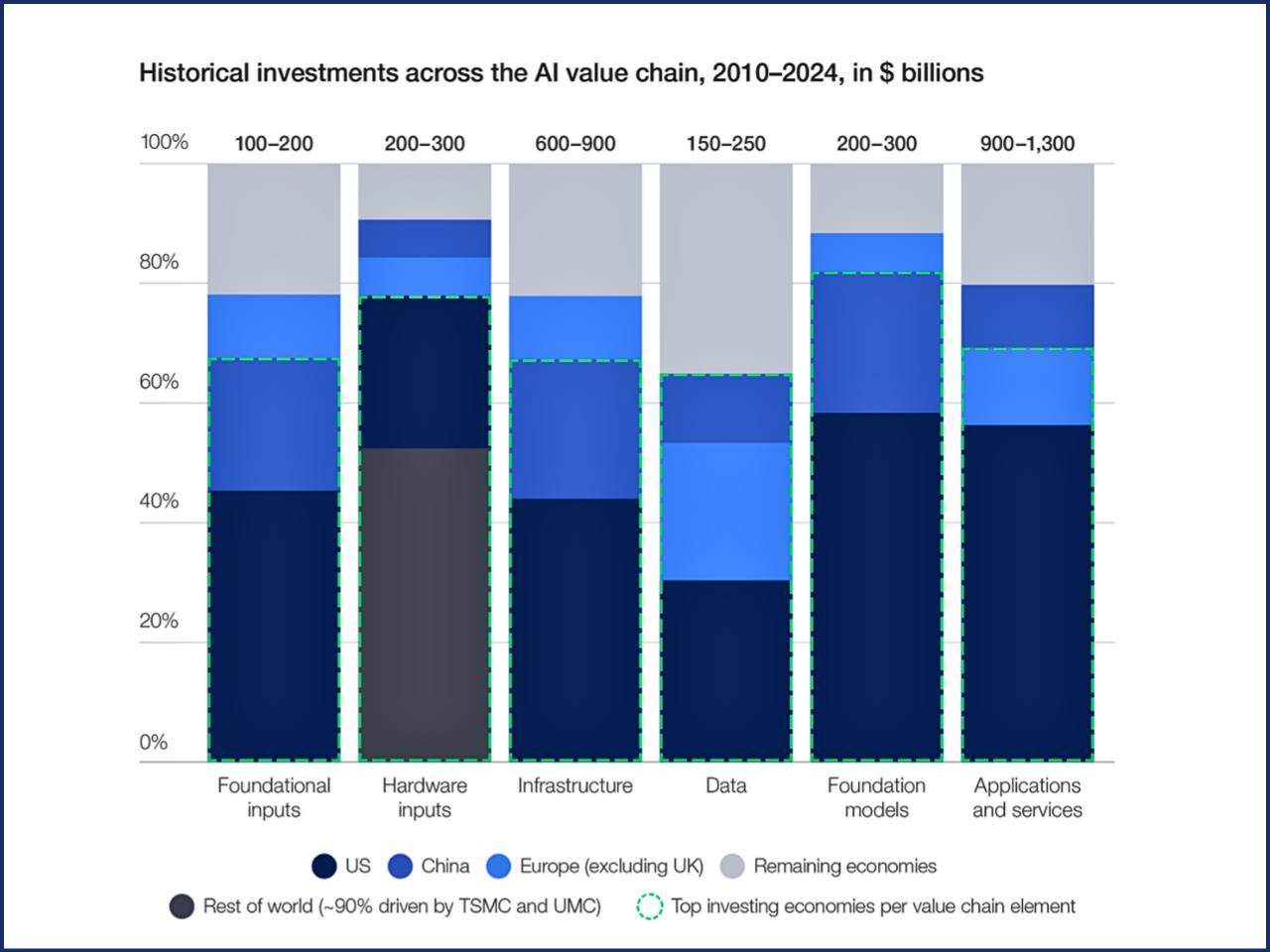
Rethinking AI Sovereignty: Why Strategic Interdependence is the Key to Global Competitiveness
The case that, rather than defining “AI Sovereignty” in terms of total self-sufficiency, a new framework based on the concept of strategic interdependence is more compatible with achieving success in an AI environment and will produce a competitive advantage for economies. Strategic interdependence focuses on encouraging collaboration based on comparative advantage (what an economy does well), interoperability between AI systems, and creating regional and global trusted partnerships.
ECOSOC at 80: A Turning Point for Multilateralism and Global Cooperation
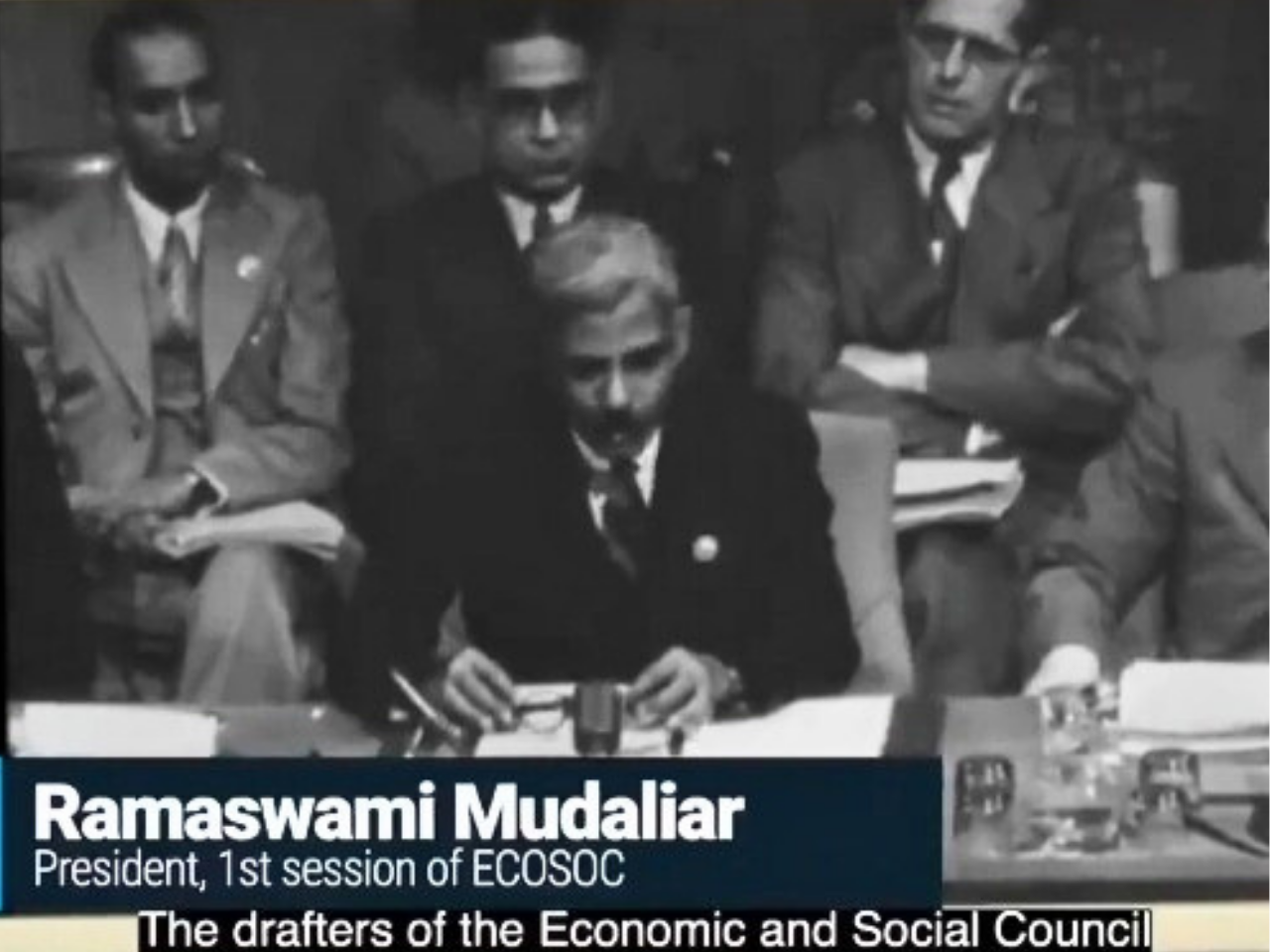
The United Nations Economic and Social Council (ECOSOC) celebrated 80 years since its inception as provided in the UN Charter in 1945 and its first formal assembly in 1946. This anniversary would be a good time to look back at the historical legacy of the Council and to re-establish its relevance in creating an inclusive, resilient, and progressive multilateral system.
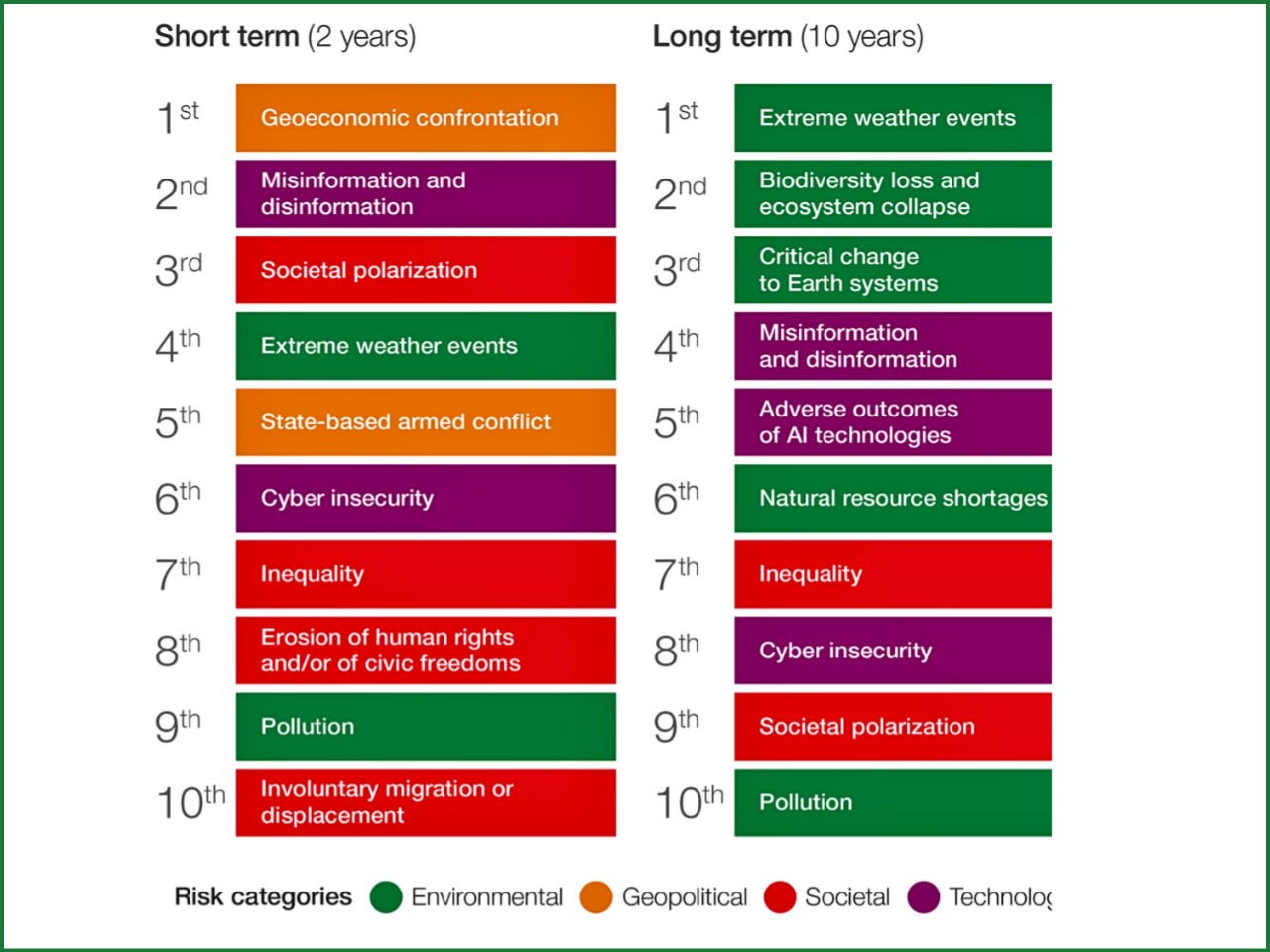
Global Risks Update 2026: Navigating an Age of Competition and Uncertainty
According to the World Economic Forum’s Global Risks Update 2026, we are moving into an “Age of Competition” with an increase in uncertainty, division between things, and crises that are intertwined or mutually influential. Drawing upon the opinions of 1,300 global leaders and experts, this report assesses risks both from 2026 to 2028 (the short-term) and 2036 (the long-term).
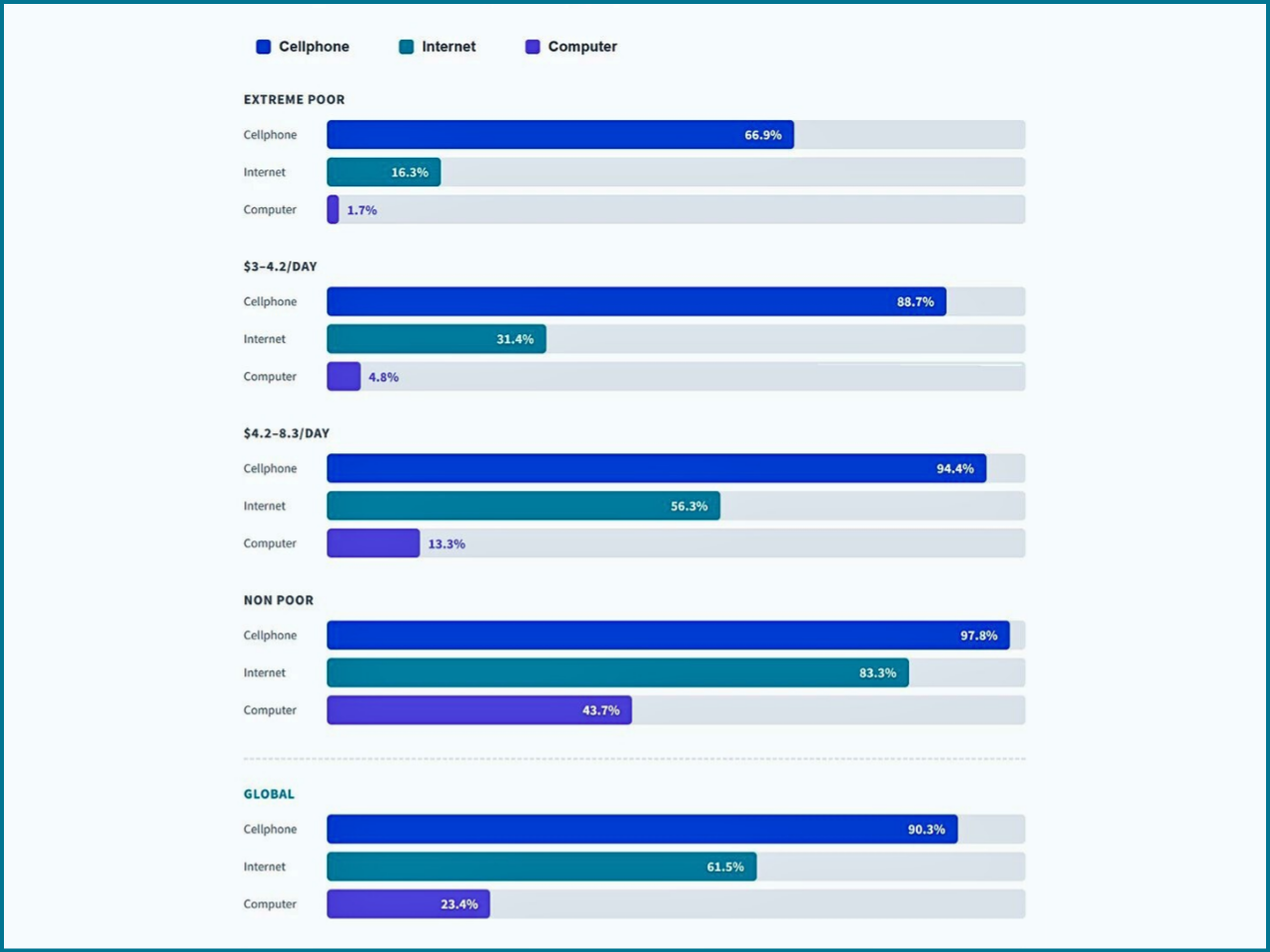
Bridging the Digital Divide: Unlocking Opportunities for the World's Poorest
The world's poorest people are still excluded from the opportunities available in a growing digital economy. Many poorer households [including those in the low or lower-middle class categories] continue to remain offline. Through being offline, these households will continue to be restricted from taking advantage of all the opportunities that digitalization provides.
Latest Podcast
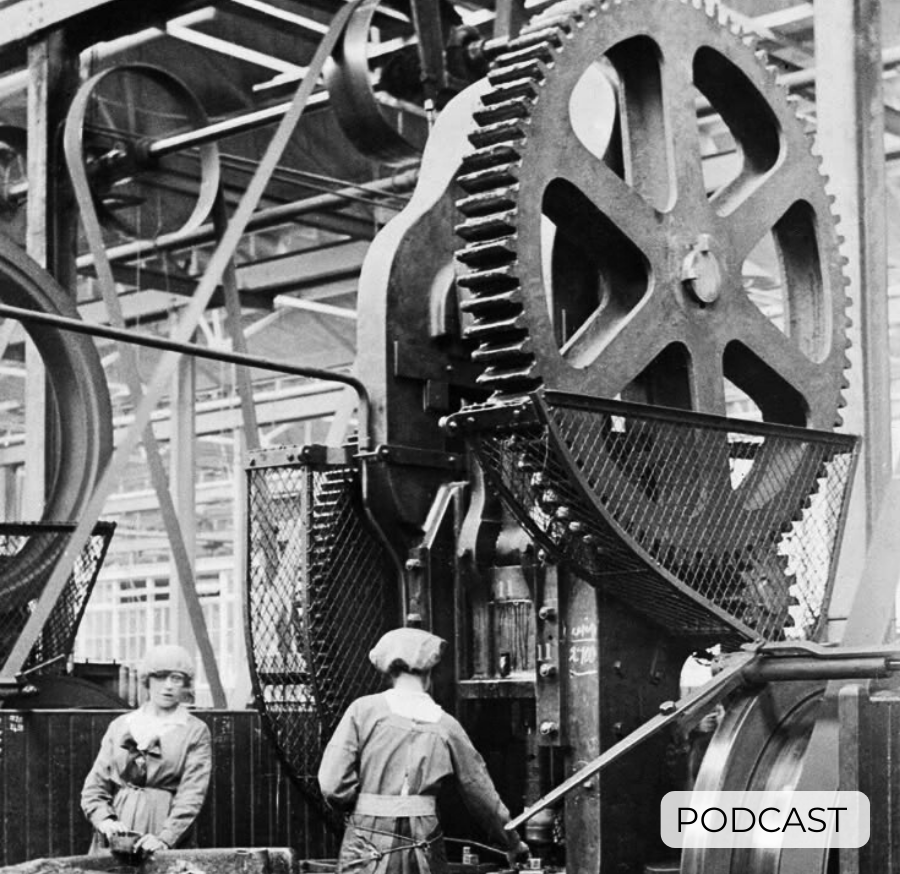
The Revival of Industrial Policy: A New Era of Government Intervention in the Economy
The revival of industrial policy has been a significant trend in economic policy in recent years, with governments increasingly intervening in the economy to support specific industries and sectors.
Free To Activate Membership