Rethinking AI Sovereignty: Why Strategic Interdependence is the Key to Global Competitiveness
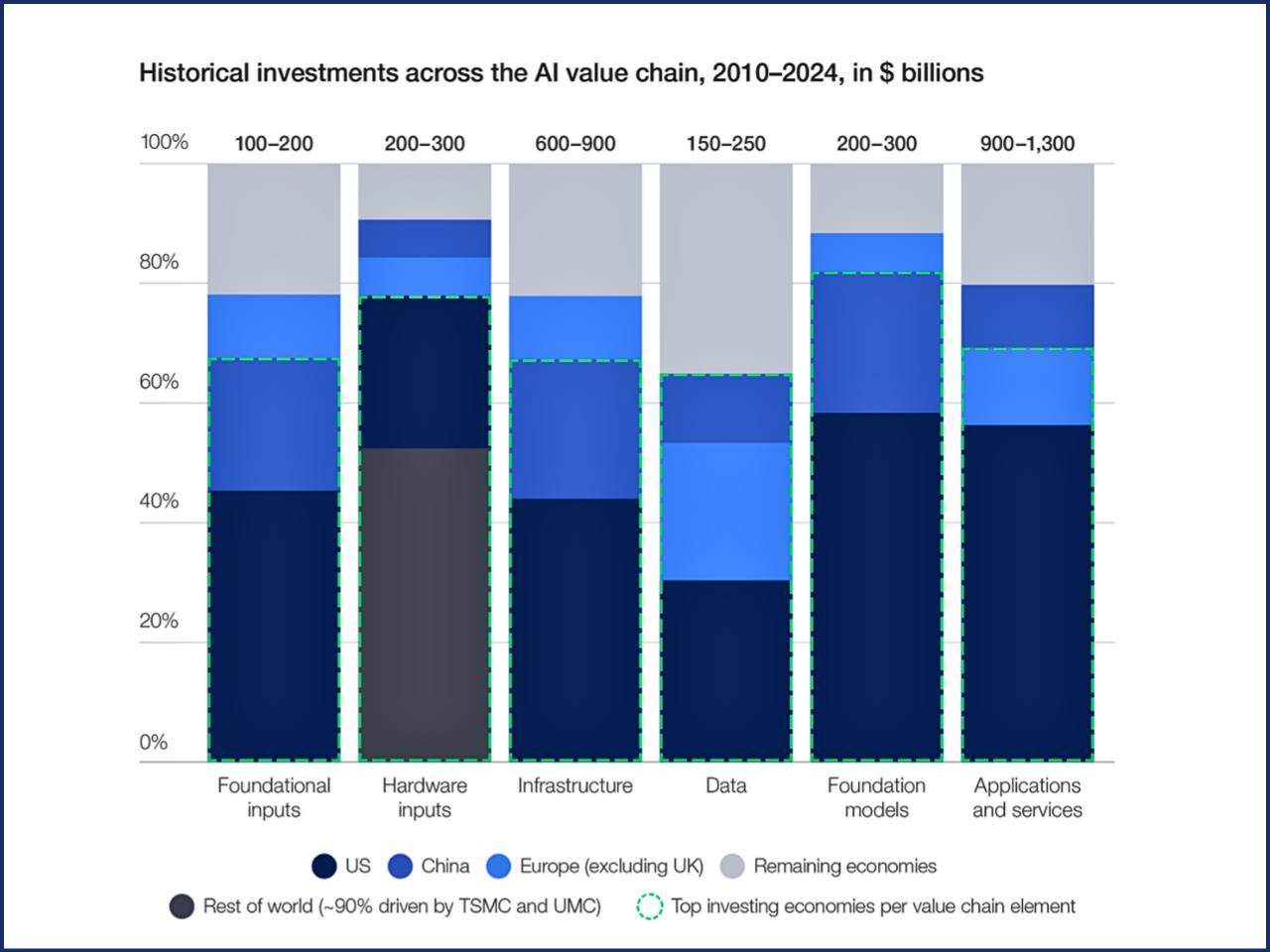
For the purpose of establishing competitive superiority globally through artificial intelligence, economies should think more broadly than simply views of ownership and instead invest in ways that are strategic, cooperative, and sustainable over the long term. The idea of “AI Sovereignty” has emerged as a key aspect of competitive superiority and refers to an economy’s ability to create, manage, and control the use of artificial intelligence in a manner that is consistent with its own cultural and ethical standards while allowing for strategic flexibility and control. At present, investment in infrastructure (i.e., data centers) is typically viewed as “AI Sovereignty,” and not included are the broader views of creating and managing the reality of artificial intelligence, as well as the method by which the capabilities of these technologies will be developed, operated, managed, and integrated at every level of the economy.
This article makes the case that, rather than defining “AI Sovereignty” in terms of total self-sufficiency, a new framework based on the concept of strategic interdependence is more compatible with achieving success in an AI environment and will produce a competitive advantage for economies. Strategic interdependence focuses on encouraging collaboration based on comparative advantage (what an economy does well), interoperability between AI systems, and creating regional and global trusted partnerships. Economies have different starting points when starting their AI journeys, and, therefore, there is not one pathway to achieving a competitive advantage. Policymakers are encouraged to invest judiciously, align strategies with local capability, and build partnerships with other economies internationally to bridge gaps in their capabilities. By placing value on strategic partnerships rather than ownership, economies will experience greater longevity in their AI growth and benefit from the overall AI revolution.
Latest News
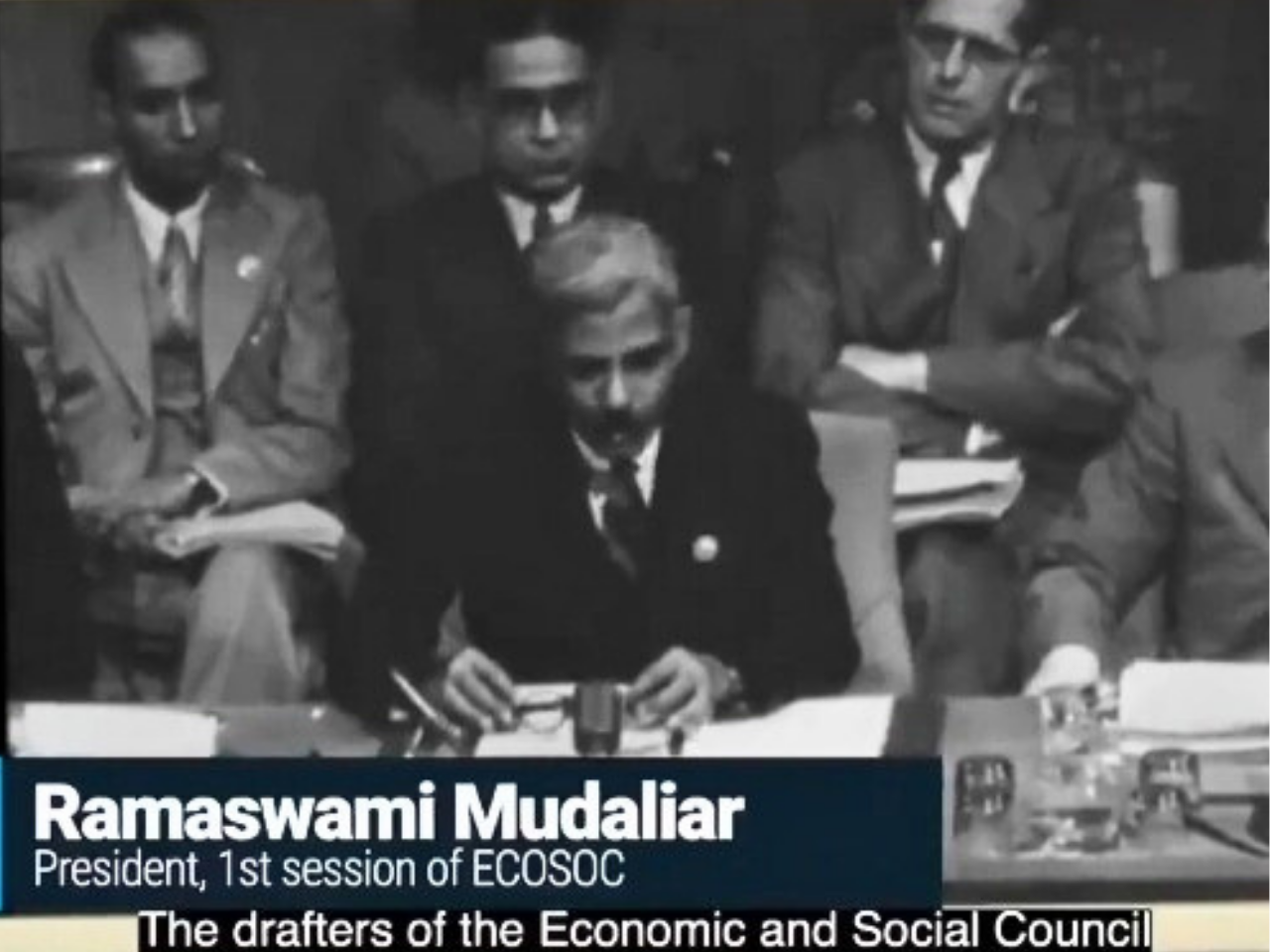
ECOSOC at 80: A Turning Point for Multilateralism and Global Cooperation
The United Nations Economic and Social Council (ECOSOC) celebrated 80 years since its inception as provided in the UN Charter in 1945 and its first formal assembly in 1946. This anniversary would be a good time to look back at the historical legacy of the Council and to re-establish its relevance in creating an inclusive, resilient, and progressive multilateral system.
Global Risks Update 2026: Navigating an Age of Competition and Uncertainty
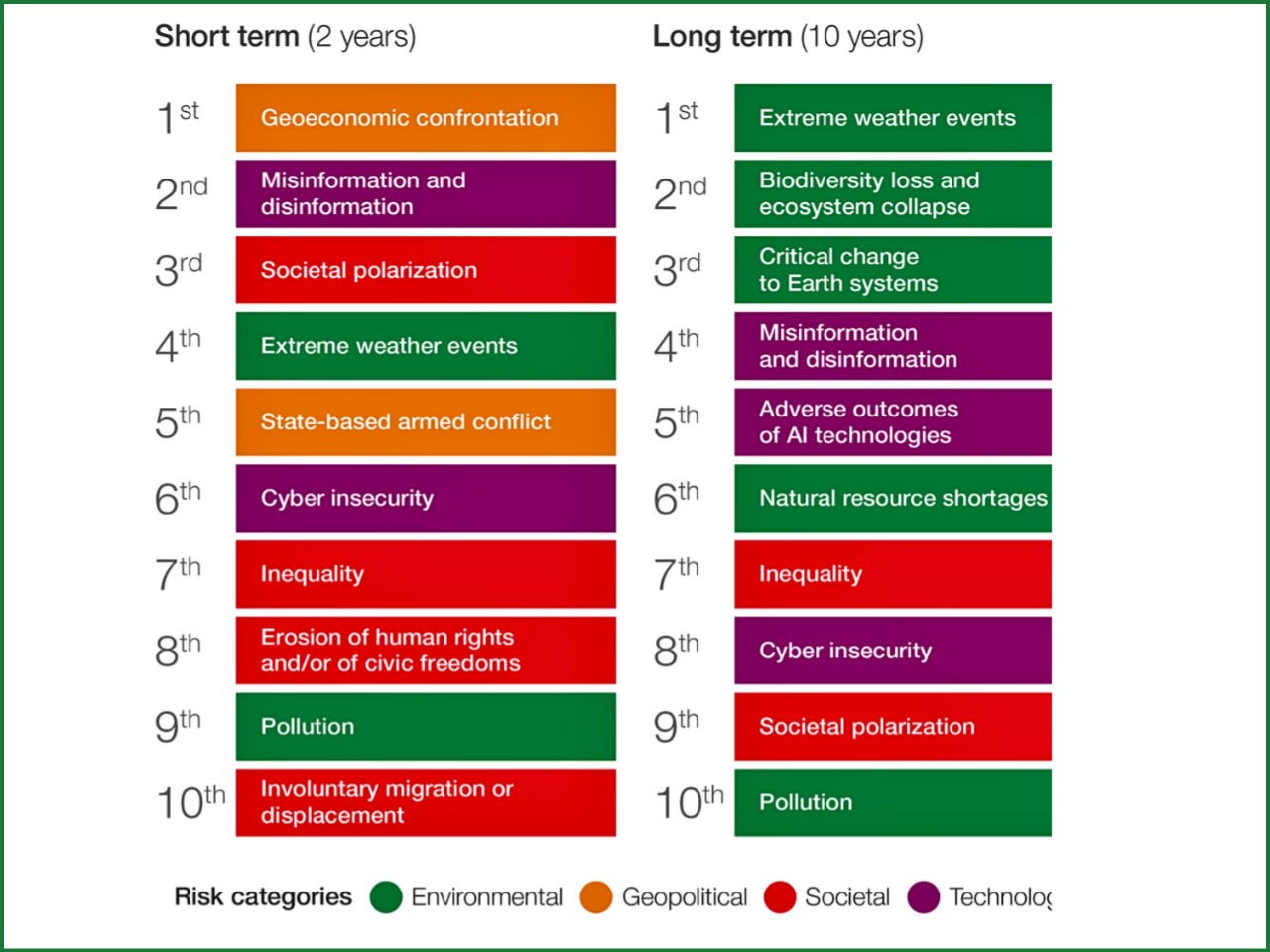
According to the World Economic Forum’s Global Risks Update 2026, we are moving into an “Age of Competition” with an increase in uncertainty, division between things, and crises that are intertwined or mutually influential. Drawing upon the opinions of 1,300 global leaders and experts, this report assesses risks both from 2026 to 2028 (the short-term) and 2036 (the long-term).
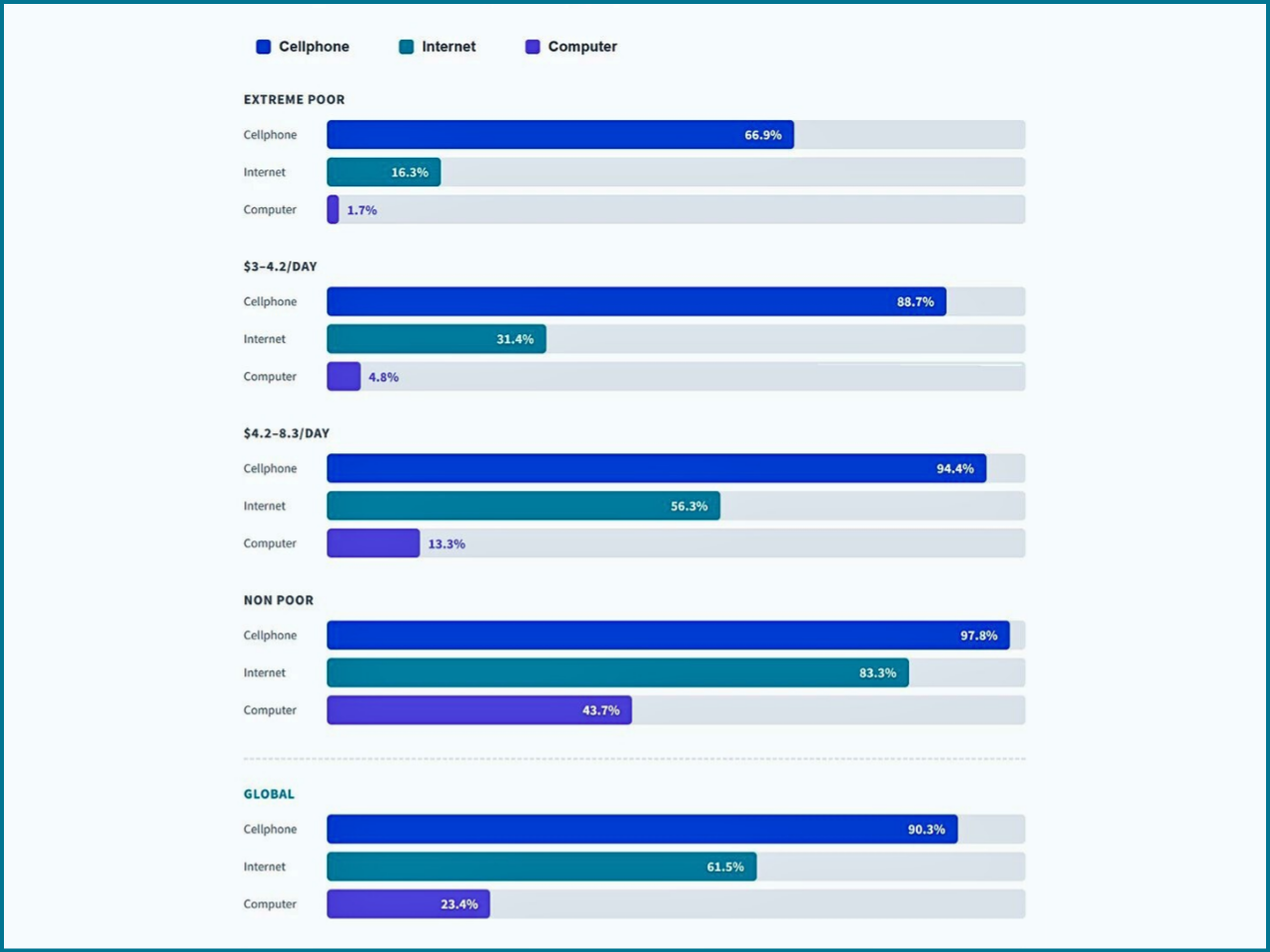
Bridging the Digital Divide: Unlocking Opportunities for the World's Poorest
The world's poorest people are still excluded from the opportunities available in a growing digital economy. Many poorer households [including those in the low or lower-middle class categories] continue to remain offline. Through being offline, these households will continue to be restricted from taking advantage of all the opportunities that digitalization provides.
Investing in Health: A Strategic Approach to Economic Growth and Job Creation
The research associated with the recent health agenda of the World Bank demonstrates that one vacancy in the health sector may result in the emergence of over three vacancies in the rest of the overall economy, such as pharmaceuticals, logistics, digital services, construction, and medical manufacturing, among others.

Latest Podcast
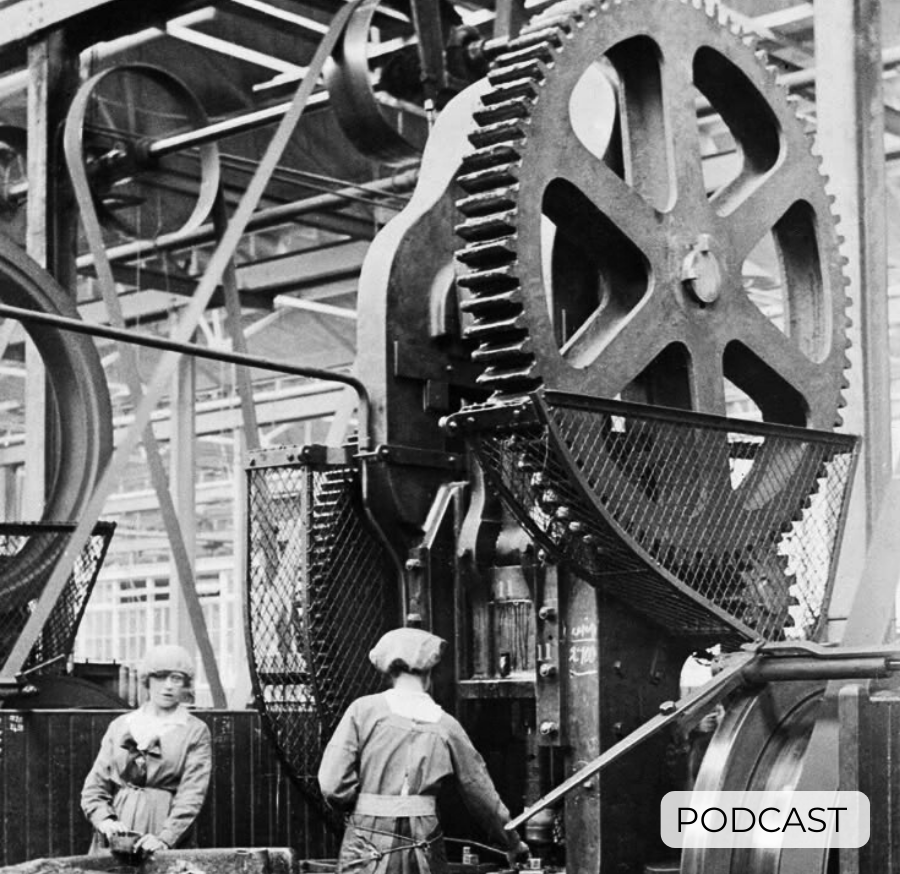
The Revival of Industrial Policy: A New Era of Government Intervention in the Economy
The revival of industrial policy has been a significant trend in economic policy in recent years, with governments increasingly intervening in the economy to support specific industries and sectors.
Free To Activate Membership