World News

El Nino 80% Likely by August 2026 With Ocean Temps 6°C Above Average, WMO Warns of Heat Stress, Drought Risk, and Weak South Asia Monsoon

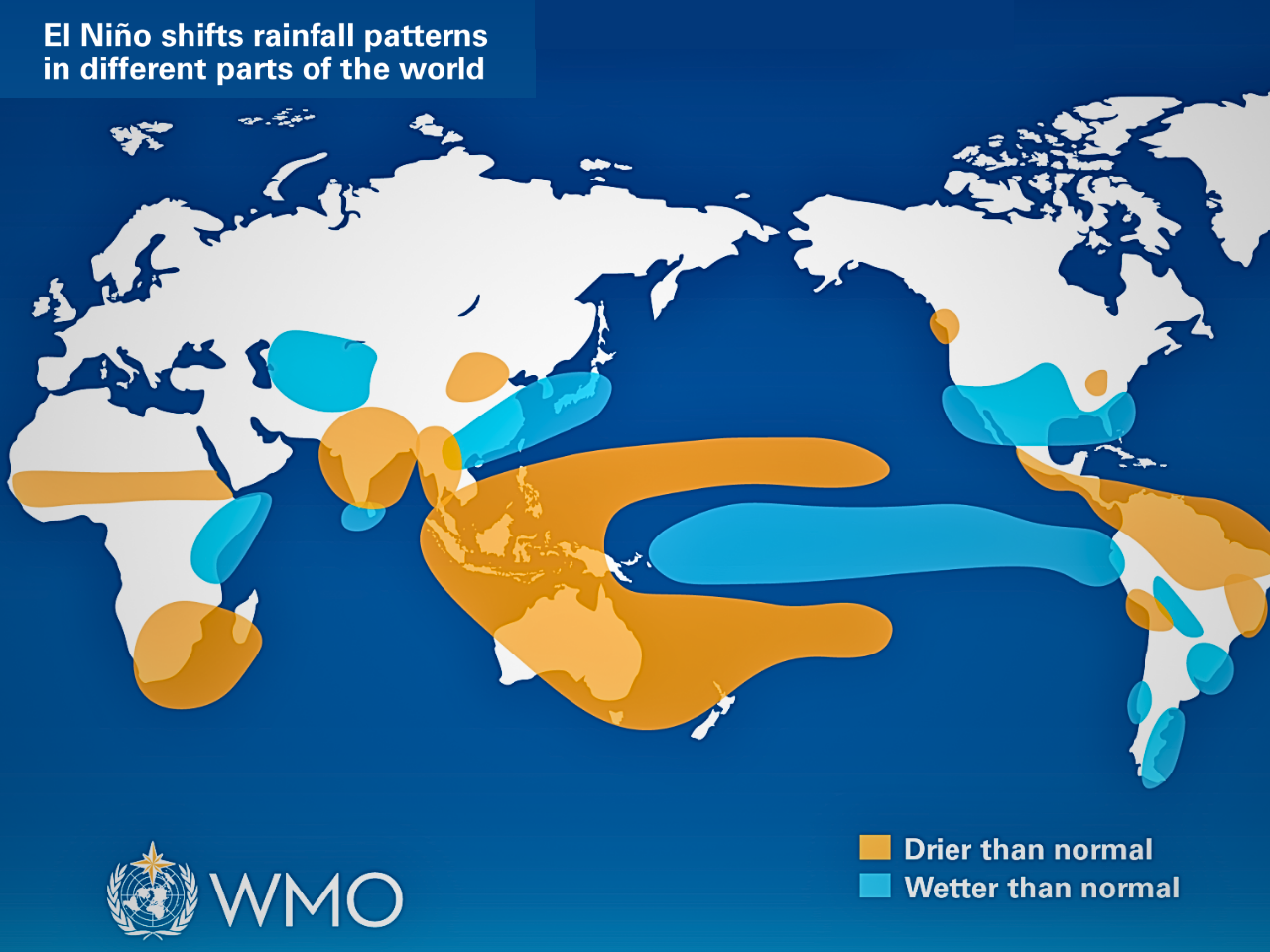
The image represent El Nino climate shifting graph
Image source: WMO

A strong climate feature is developing under the surface of the tropical Pacific Ocean. The World Meteorological Organization (WMO) indicates that El Niño conditions are now actively forming, with ocean temperatures inching closer to 6°C above average at sea level, and are likely to continue influencing the global weather for months. During June to August 2026, they have given an 80% chance of developing El Niño, and later, this chance increases to about 90%, and the chances of ENSO-neutral conditions become 10%. The chances of redevelopment of La Niña are close to none for the entire forecast period.

This means that most of the world will experience warmer summers. According to WMO’s probabilistic forecast, there is a rise in heat stress, severe drought, and increased drought risk in vulnerable areas due to the rise in normal temperatures during July and August 2026. Drier than normal expected occurrences across parts of Australia, Indonesia, Central America, and much of South Asia, with a weak Indian subcontinent monsoon occurring. Wetter-than-average conditions are expected across parts of southern South America, the Horn of Africa, and parts of central Asia, and below-normal rainfall is expected in parts of Australia, Indonesia, Central America, and much of South Asia, including the potential for a below-normal monsoon season over South Asia.

The Secretary-General of WMO, Celeste Saulo, pointed out that the last El Niño (2023–24) was one of the five most intense on record and played a role in the record global temperatures recorded in 2024. Climate change is increasing the impacts of El Niño events, which occur naturally, but when it acts as the trigger, extreme weather will be more intense due to a warmer ocean and atmosphere.

In this context, the WMO appeals to governments, humanitarian organizations, and climate-sensitive sectors to act now on advanced WMO seasonal forecasts. Early warning systems, the organization emphasizes, are still the best instrument to help save lives and mitigate economic losses in the coming months.


Latest News
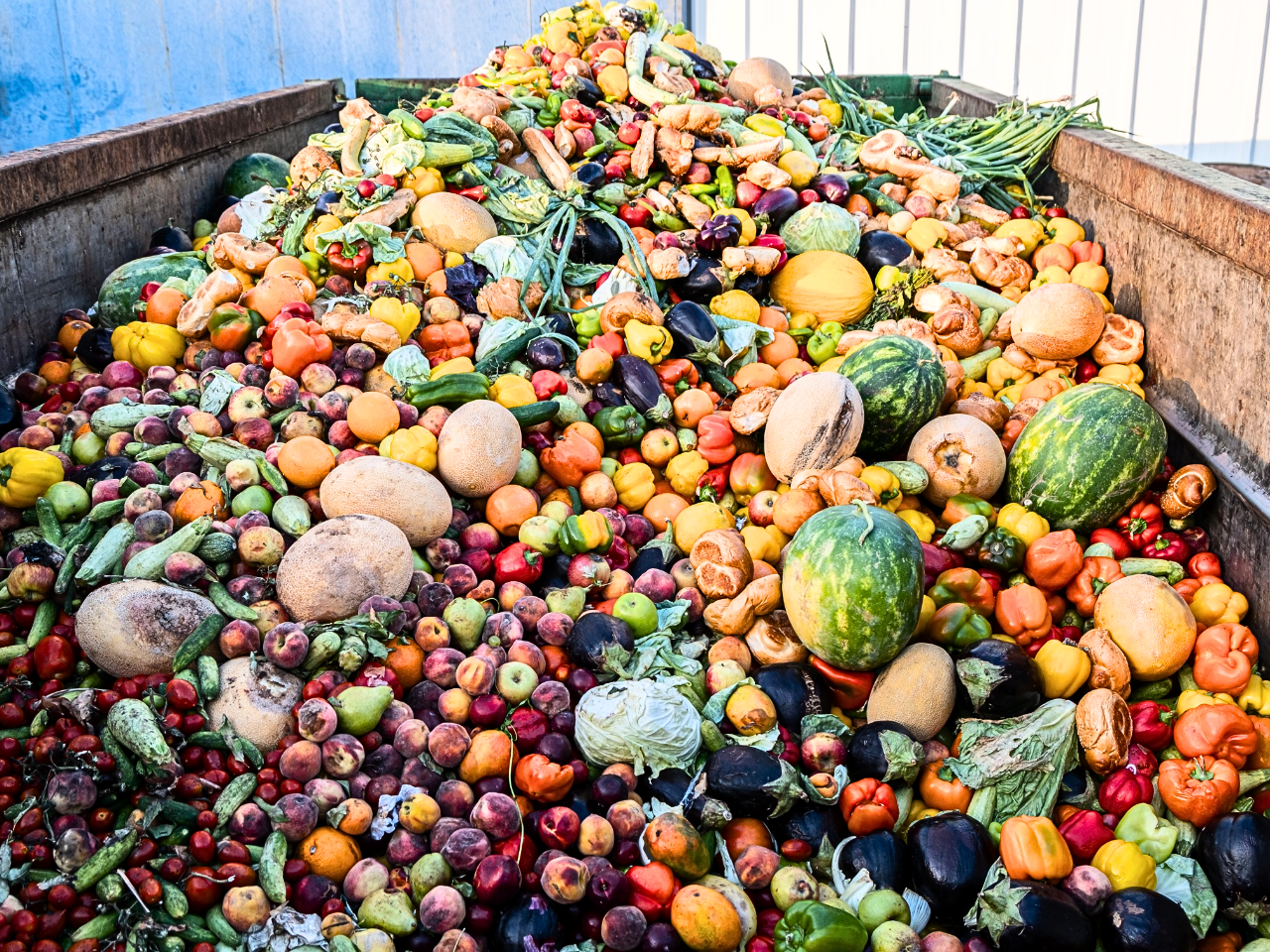
The image represent the fruits and vegitable waste

The image represent the ebola bunibugyo virus testing cube

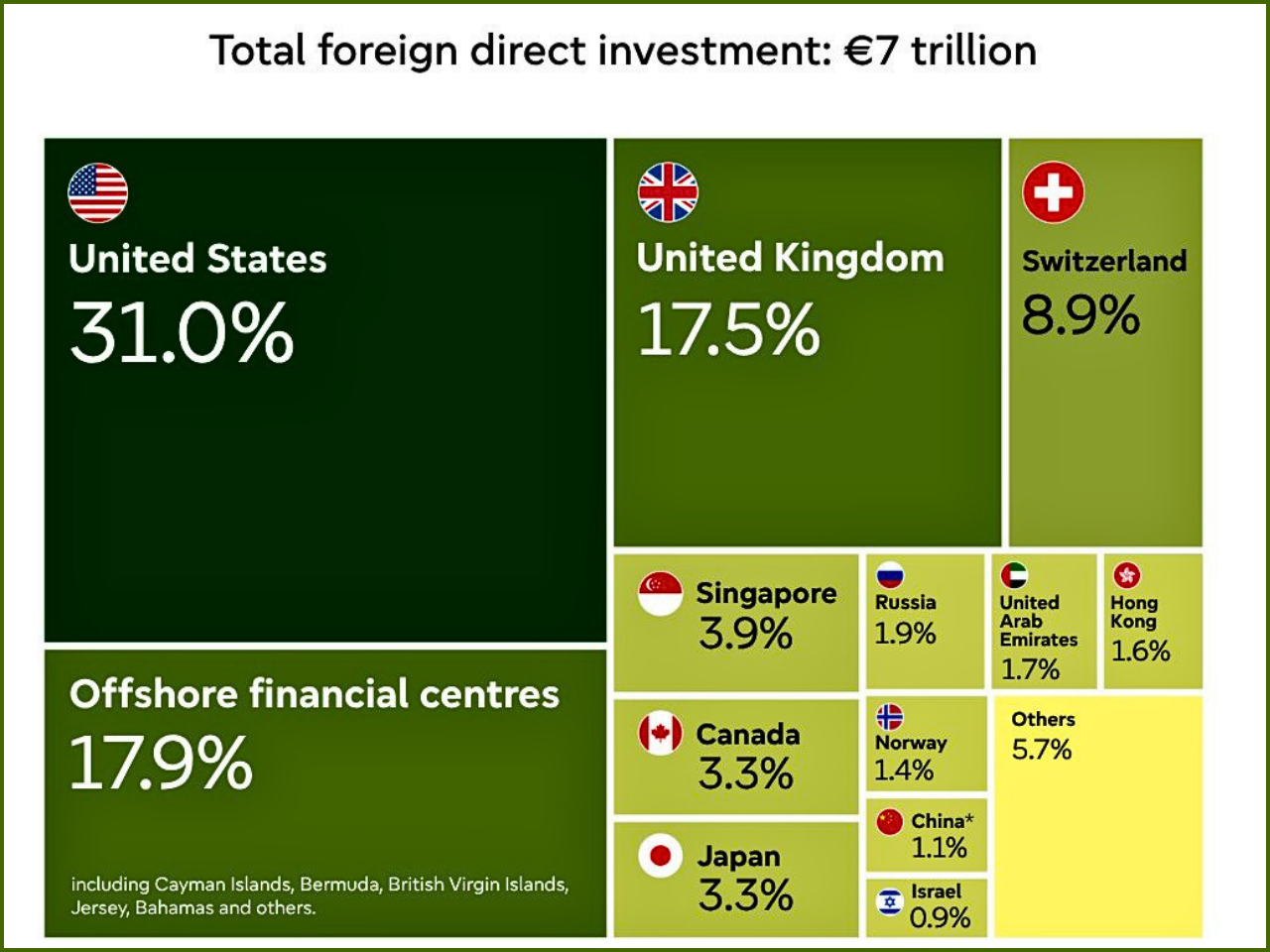
The image represent the foregin investment regulation ration for each nation

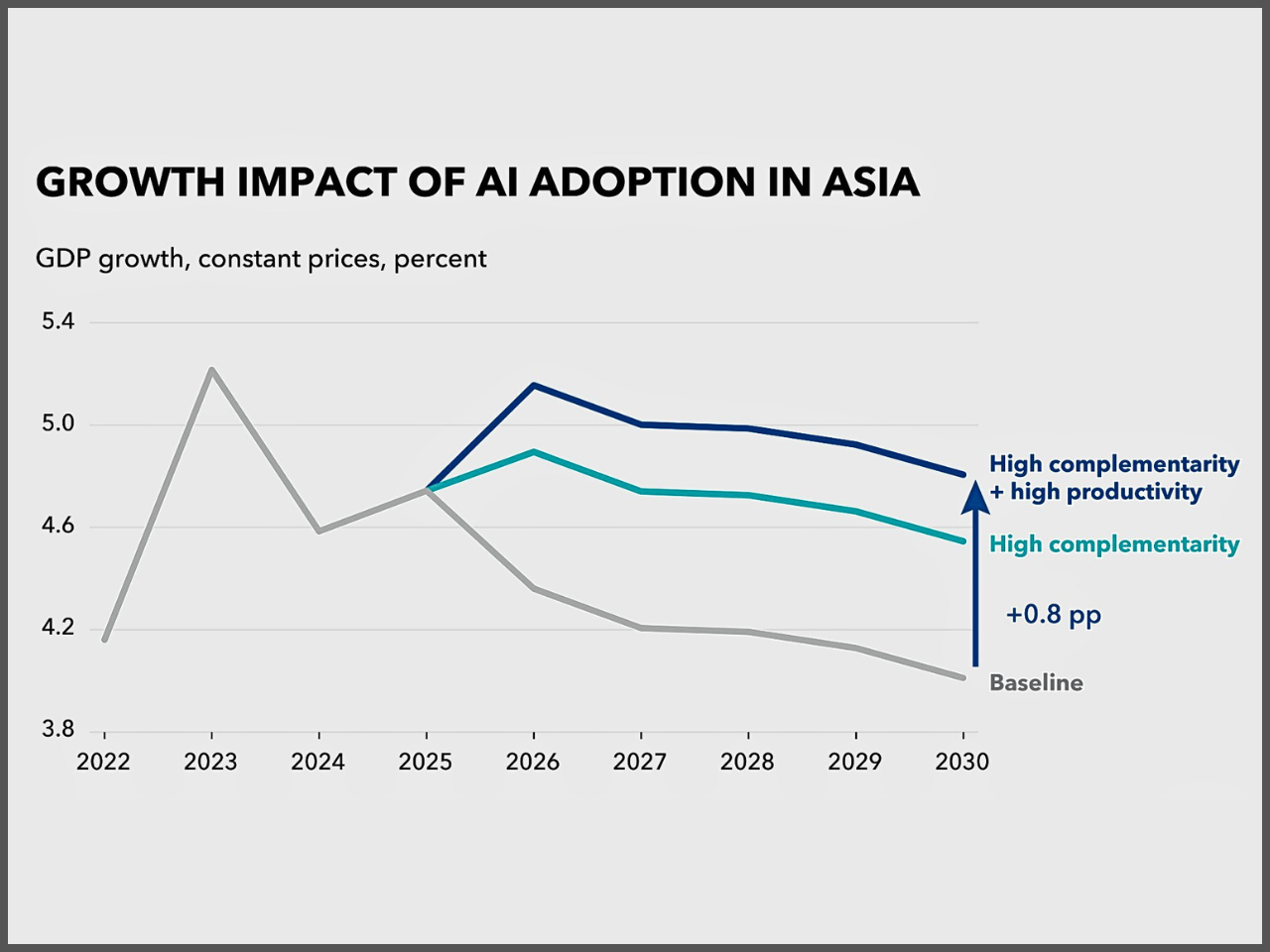
The image represent the AI impact

The image represent the renewable engergy growth

Read More From News >>>

Latest Explained
The image represent job growth and tech shifting in globally
Explained / June 02, 2026
1.2 Billion Youths, 357 Million Jobs: Can the Global Economy Keep Up

The global economy shows resilience in 2025, with growth forecasts at 2.7%. Key drivers include job creation, tech innovation, infrastructure development, and a focus on sustainable, inclusive growth amidst demographic shifts. In most countries, interest rates started to fall due to the previous tightening of the interest rates that had shut international capital markets' accessibility.

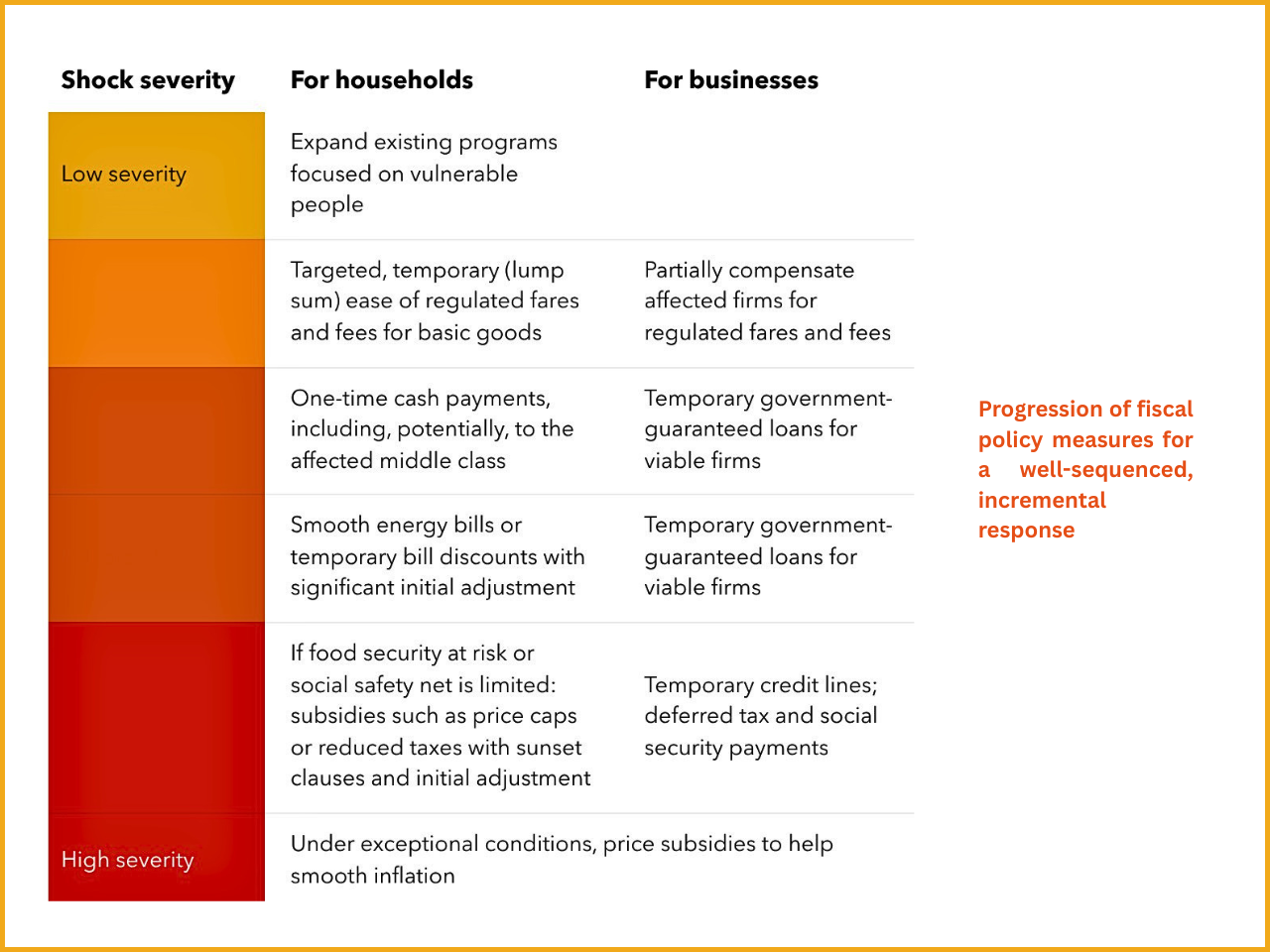
The image represent energy and food price shocks are in way that help vulnerable people and keep business open without further straining public finances
Explained / May 30, 2026
Subsidies Help the Rich More Than the Poor During Energy & Food Price Spikes

IMF recommends temporary, targeted cash transfers to low-income households instead of broad energy subsidies and price controls. Rising energy and food prices reduce consumer purchasing power and induce inflation. Key principles: let domestic energy prices reflect world markets, provide income transfers, give businesses liquidity not long-term subsidies. Broad subsidies distort markets, raise government debt, and benefit wealthy households more.

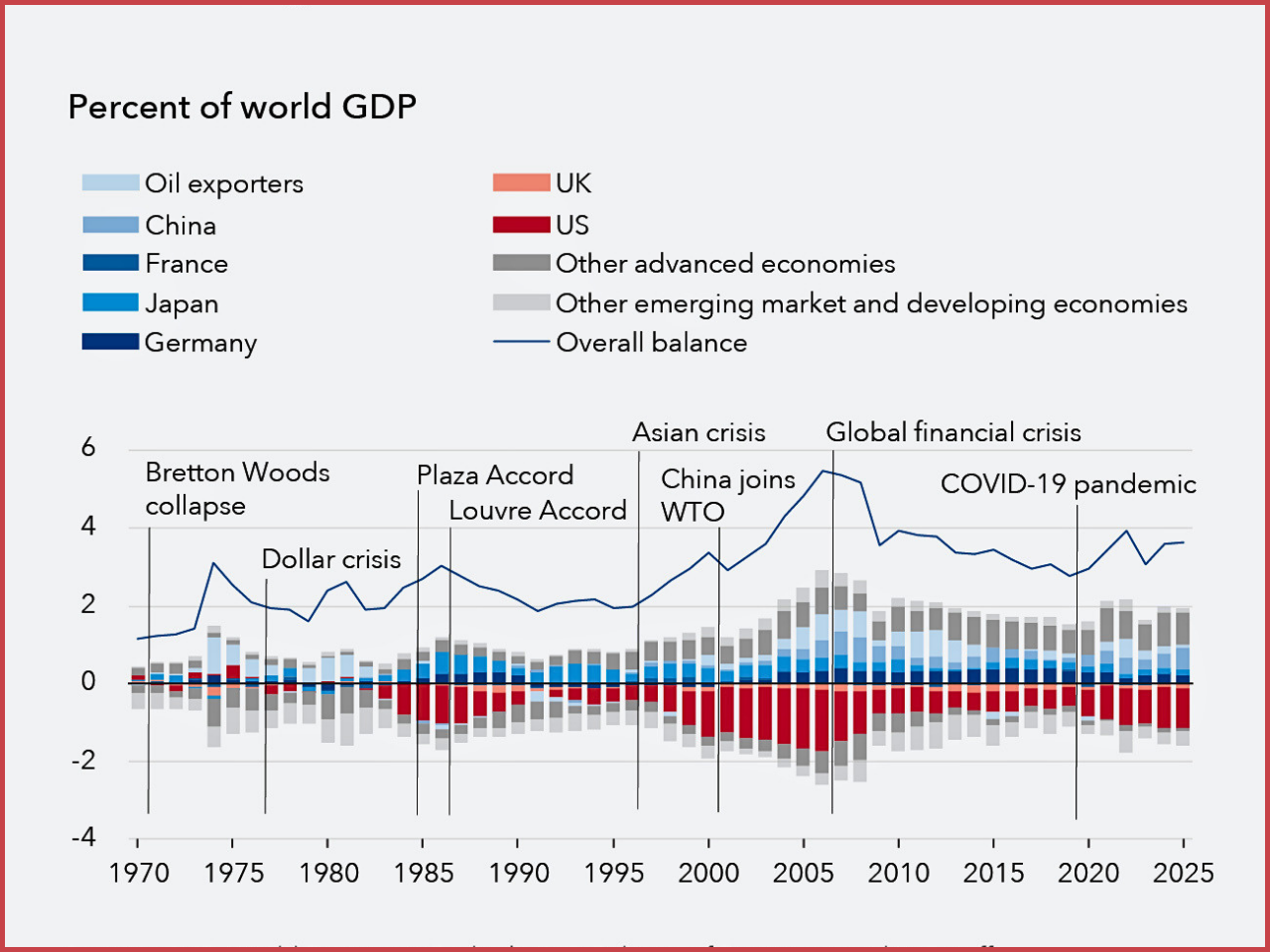
The graph represent the global trade imbalance chart
Explained / May 26, 2026
IMF: Tariffs and Industrial Subsidies ‘Largely Ineffective’ as Global Trade Imbalances Reverse Post-2008 Gains

The International Monetary Fund warned in a pointed new policy paper that tariffs and industrial subsidies are largely ineffective and damaging to economic welfare, as global trade progress since the 2008 financial crisis has reversed. The IMF says rebalancing requires coordinating domestic macroeconomic reform, not trade barriers, with widening imbalances driven.

- Advertisement -


Editorial / Nilarani
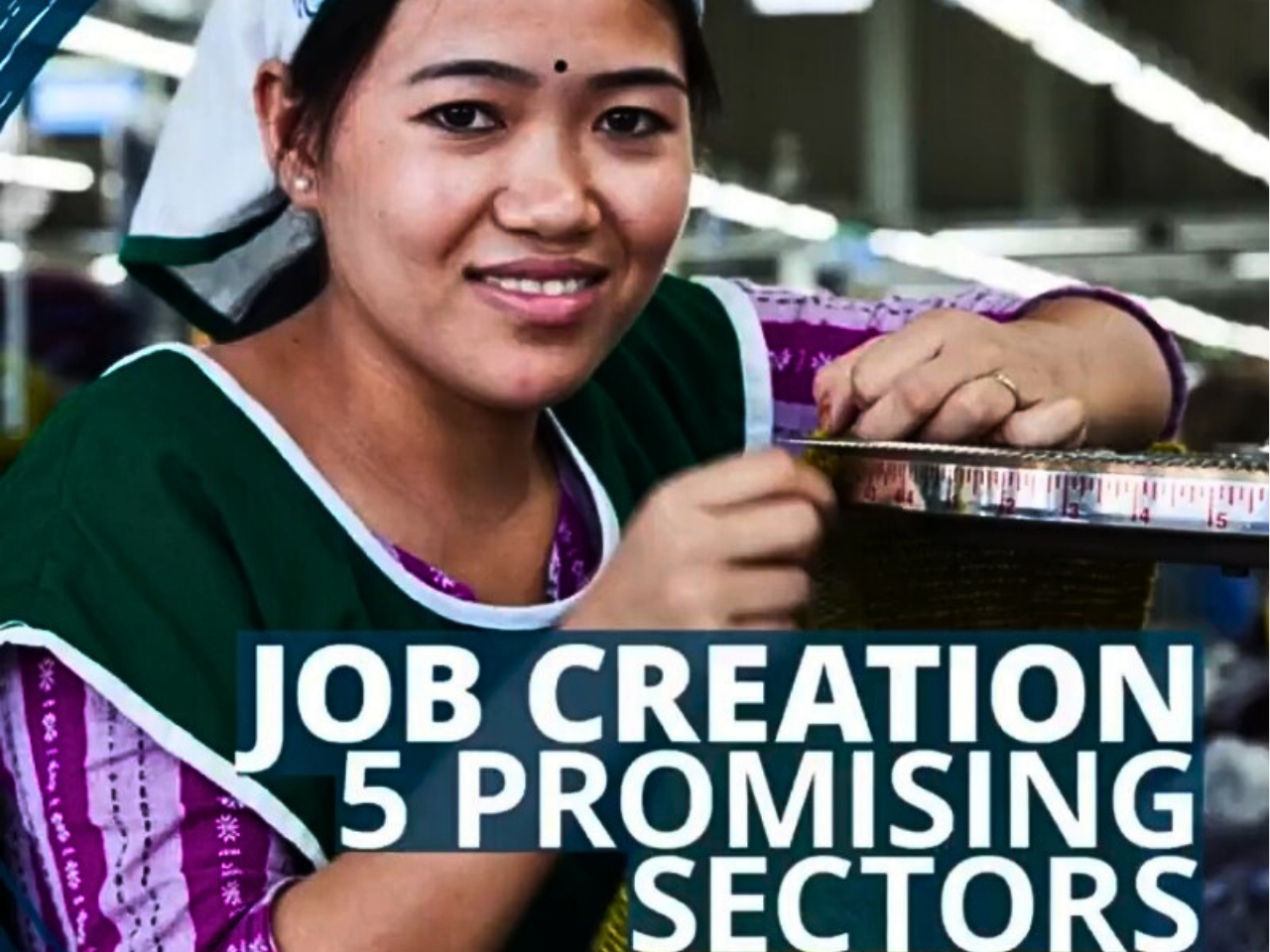
Jobs at the Forefront: World Bank's Strategy for a Resilient Global Economy

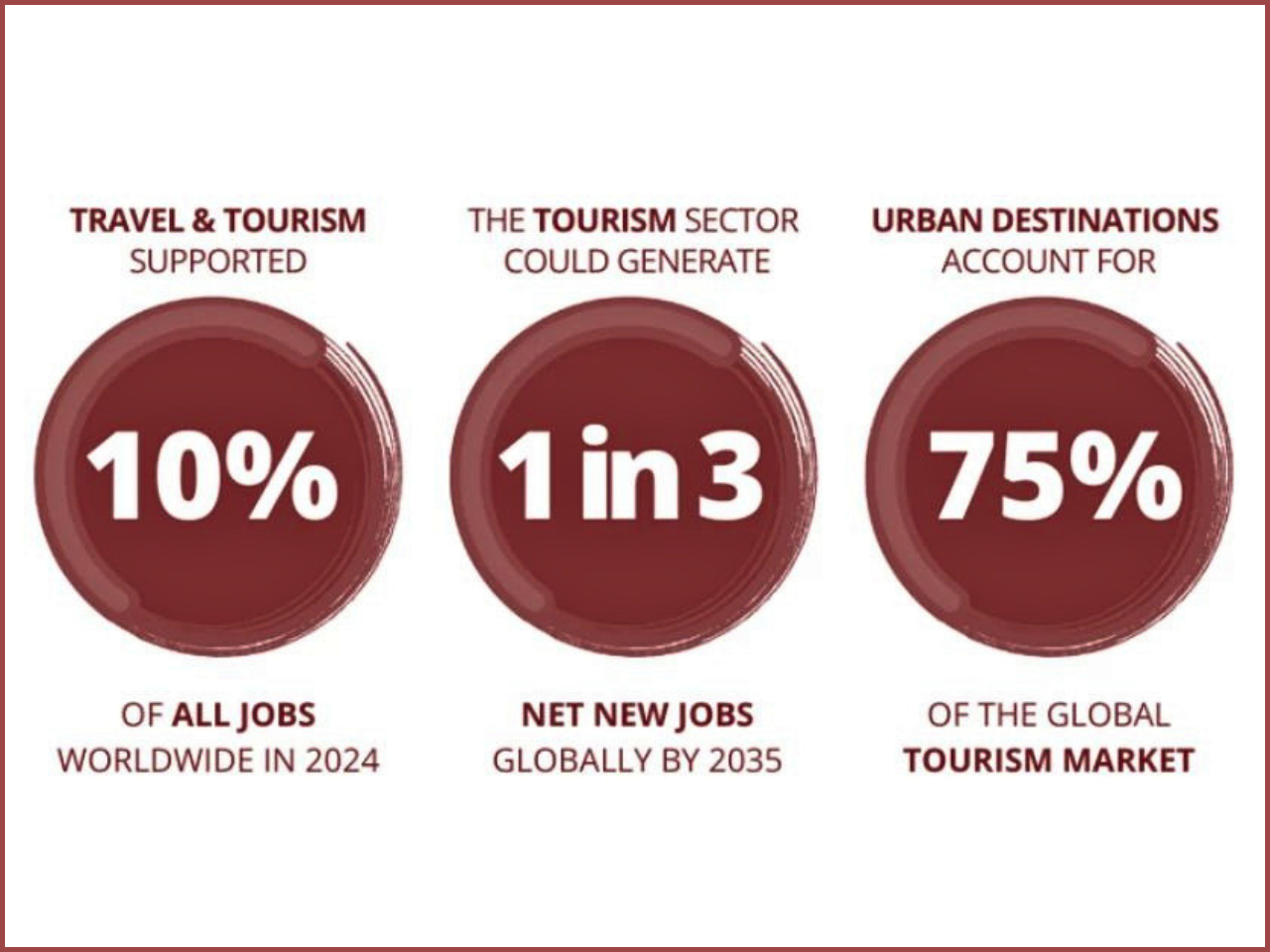
The World Bank Group has focused on five key industries in which there is great potential for creating employment opportunities: the energy and infrastructure sector, agriculture and agribusiness, health care, tourism, and manufacturing. Each of these sectors is interconnected with the other and supports the creation and development of many job opportunities and a broad-based development strategy.

Editorial / Avichal Sharma
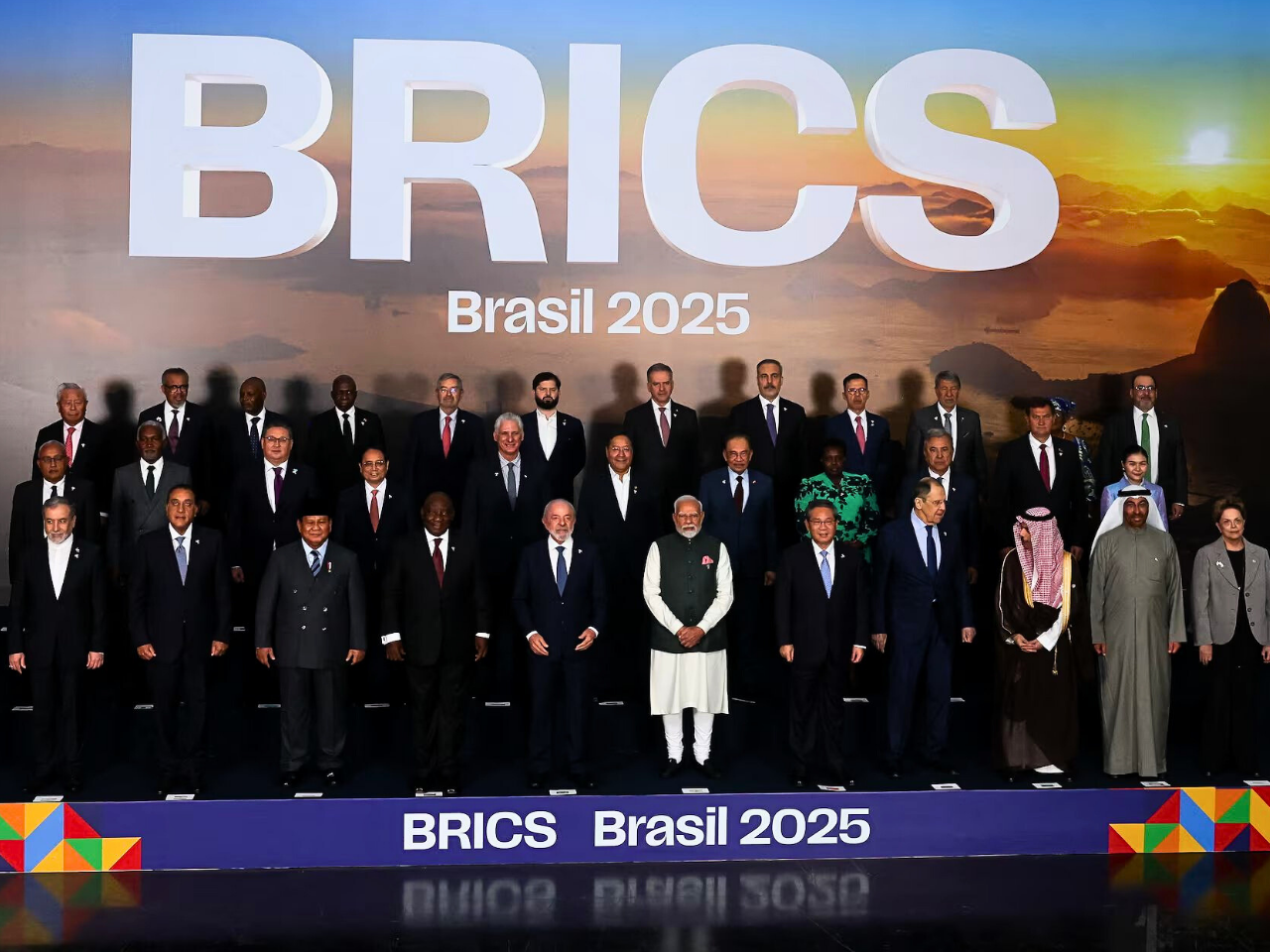
The Gathering Storm: How Trump's Tariffs Forged BRICS Unity

In a world long dominated by the financial tides of the US dollar, a new story is unfolding, driven not by a grand, planned design but by an unexpected external force: the tariff policies of Donald Trump. Trump's renewed presidency saw him sign an executive order in early 2025, first imposing tariffs on imports from China, then escalating to a "universal" tariff on nearly all imports.

Read More From Blog >>>


- Advertisement -