World News

508 Votes Seal EU Crackdown on Foreign Control of Defence, AI & Chips

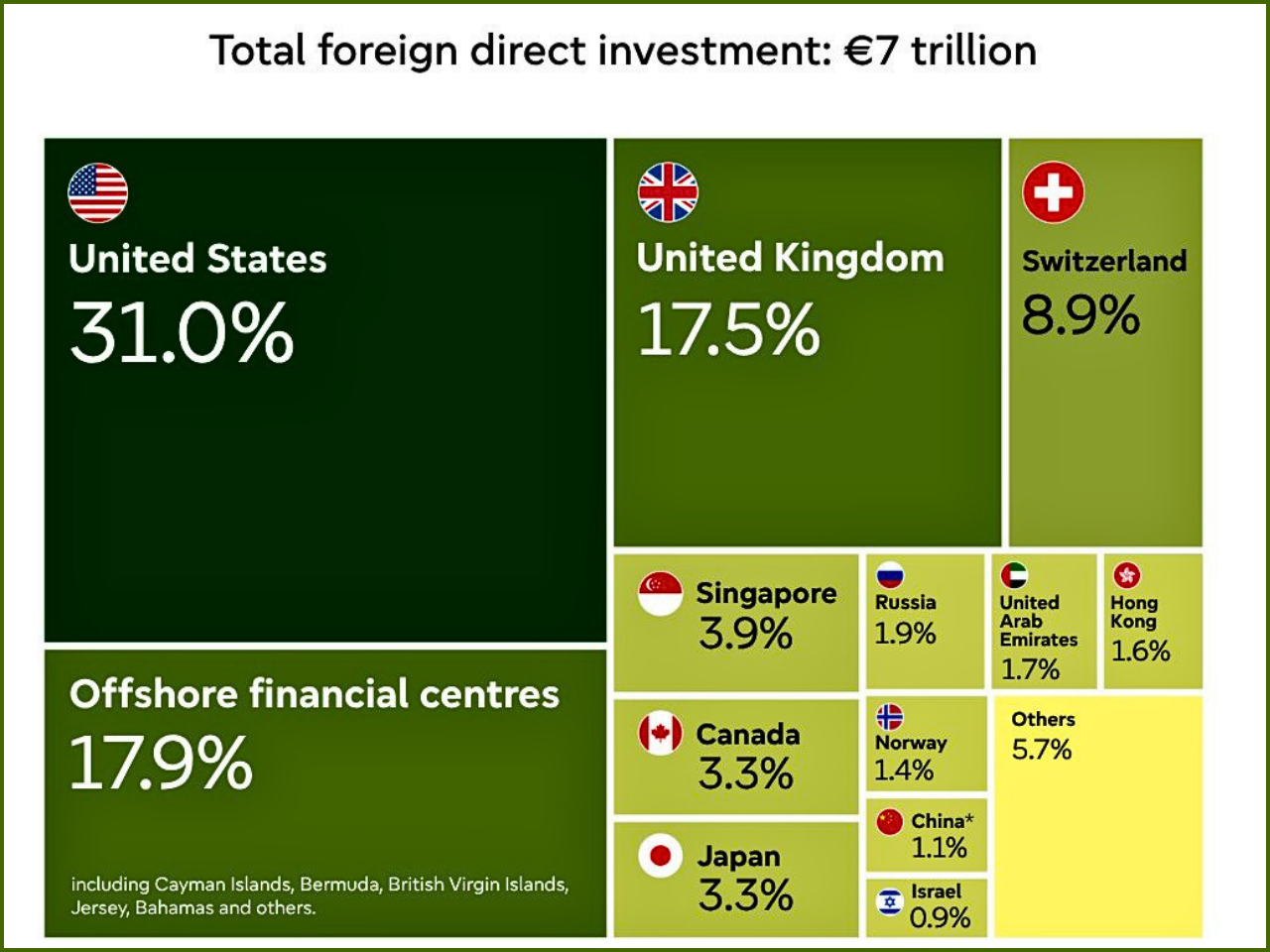
The image represent the foregin investment regulation ration for each nation
Image source: European Parliment

The European Parliament adopted strong measures to protect its economy from geopolitical risks for investing, with a harsher regulation of foreign investments in critical sectors. It was cross-party, cross-floored, with 508 votes for, 64 against, and 90 abstaining, and was clearly viewed as one of economic self-defense.

In the new version, all EU nations will have to decide on foreign investments made in so-called "strategic sectors" like defence, artificial intelligence, semiconductors, critical raw materials, and financial services. The regulation does not stop deals that are struck within the EU, but where the final beneficiary of the deal is not from the EU, nor is it an EU entity. This will effectively plug a big hole that enabled indirect foreign influence on European assets.

The new rules will improve the existing national screening procedures, minimize administrative burden, and help to better coordinate the screening processes across the member states and between the European Commission and the member states when it comes to risks stemming from cross-border investment.

The Commission has also been given specific instructions to outline conditions for foreign investment in specific strategic sectors, which the Commission has done by submitting the Industrial Accelerator Act proposal in March 2026. EU member states have for far too long tolerated the influence of external forces on key areas of the European economy, said Parliament rapporteur Raphaël Glucksmann, who called the EU legislation a turning point. The overall process of gaining European sovereignty via investment policy continues. The EU foreign direct investment screening regulation was adopted in October 2020.

In recommending the revisions in January 2024, the Commission was inspired by the COVID-19 pandemic and the current geopolitical tensions arising out of the 2019 war in Ukraine. The regulation still needs to be formally approved by the EU Council. If authorized, member states will have 18 months to comprehensively implement it in law.

Latest News
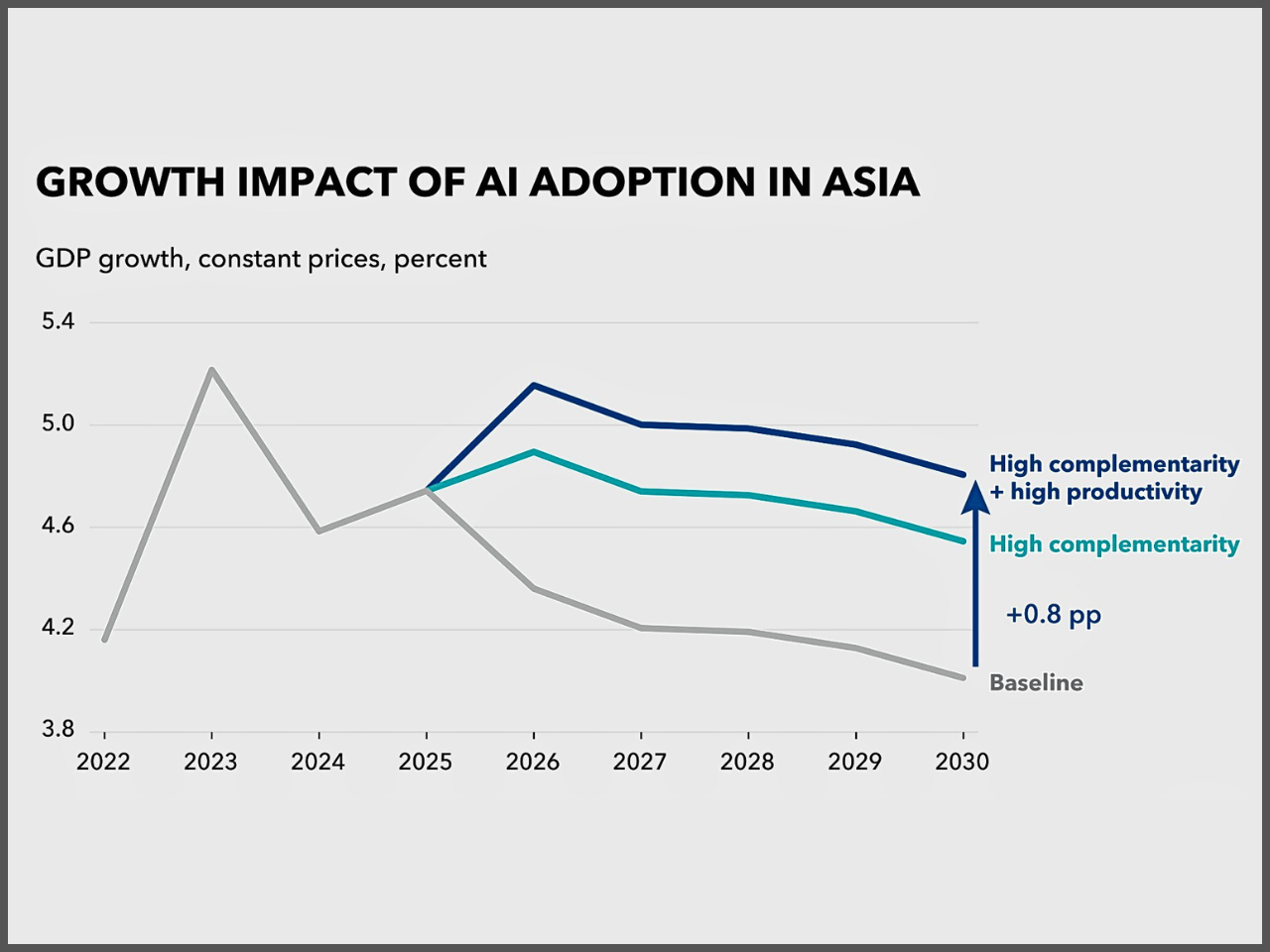
The image represent the AI impact

The image represent the renewable engergy growth

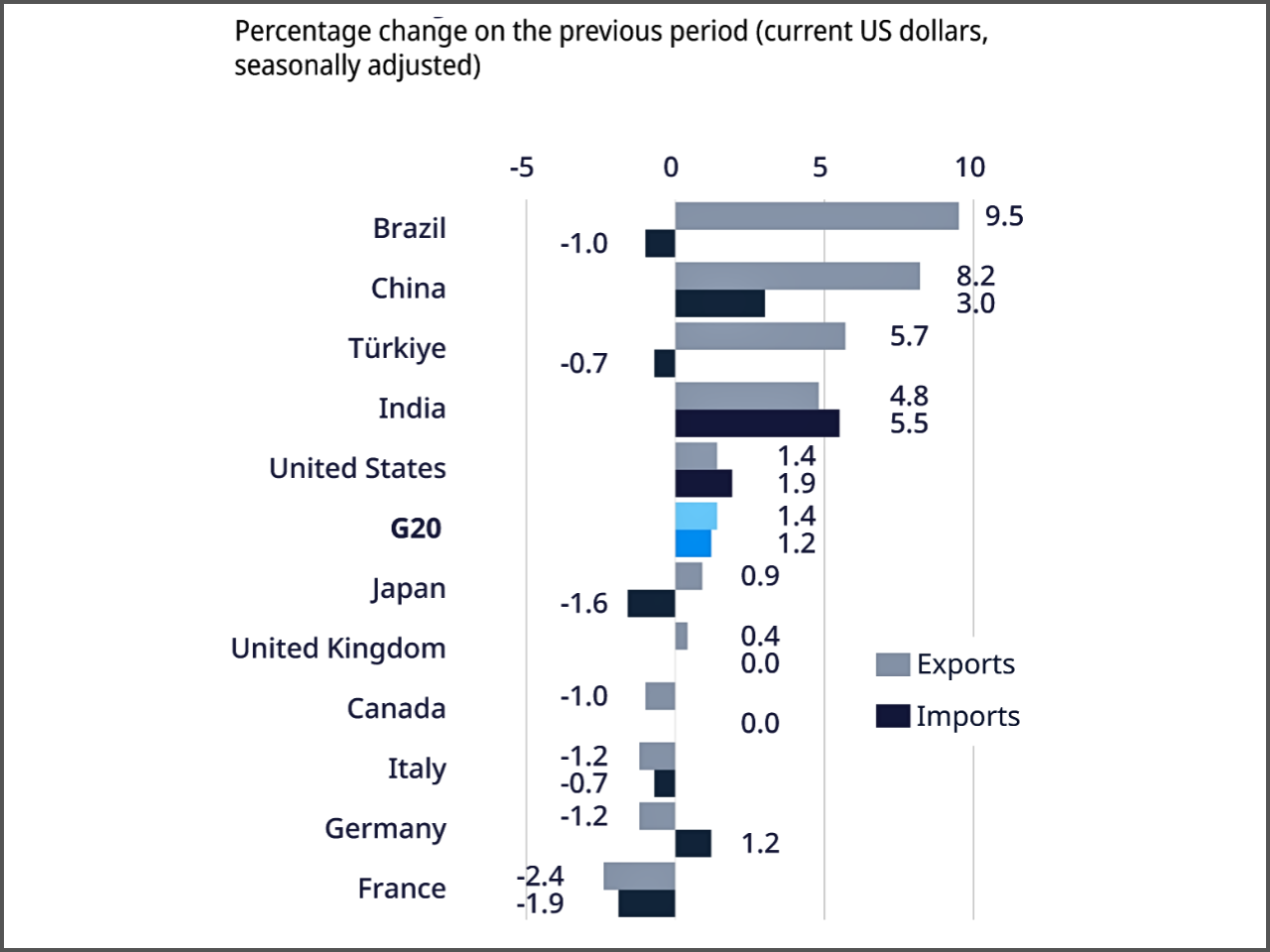
The graph represent the G20 service trade epanded modestly in Q4 2025

The image represent the UK and EU Sign Competition Cooperation Agreement, Strengthening Post-Brexit Ties

The image represent the cybersecurity measure to the globally

Read More From News >>>

Latest Explained
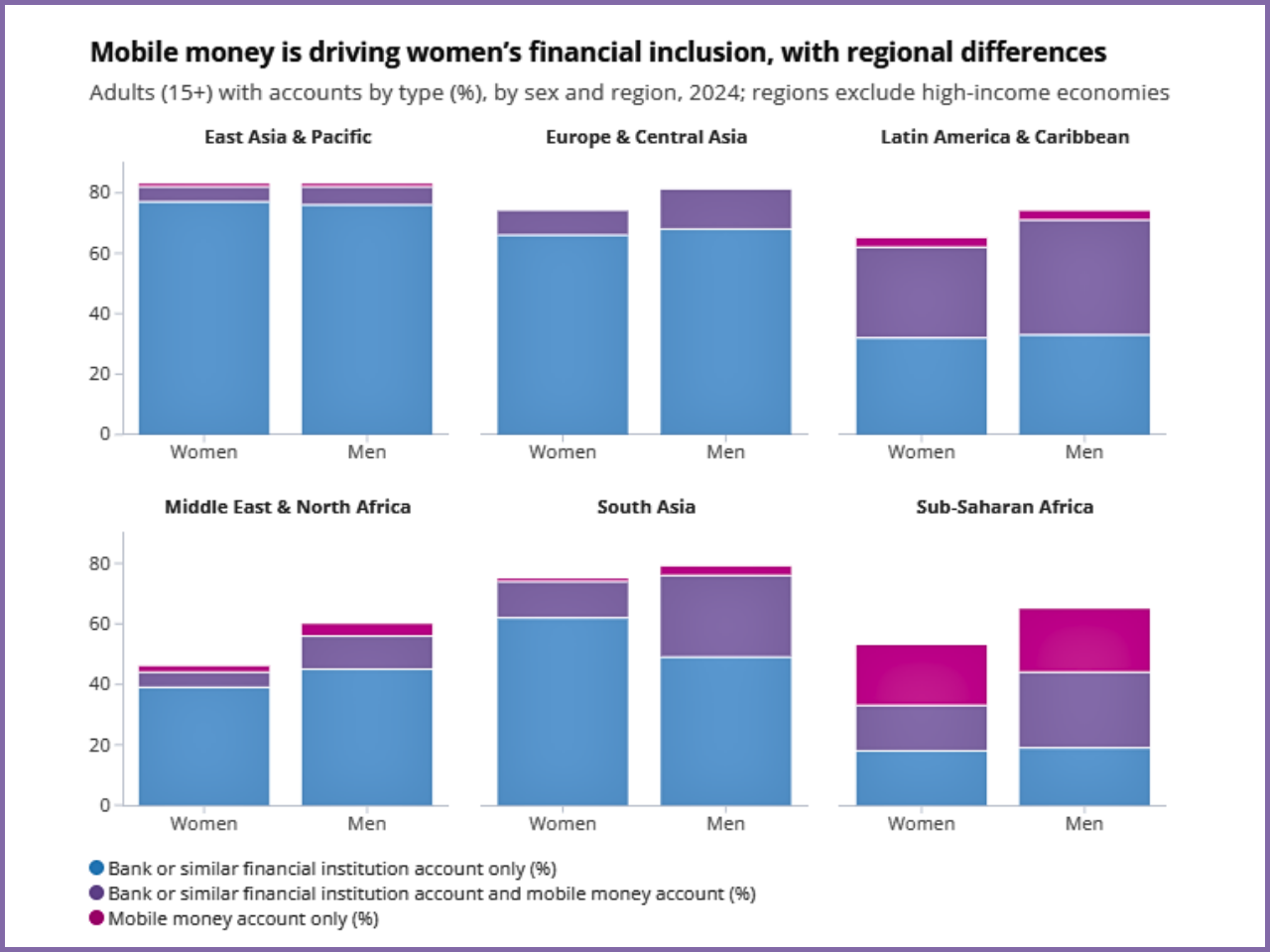
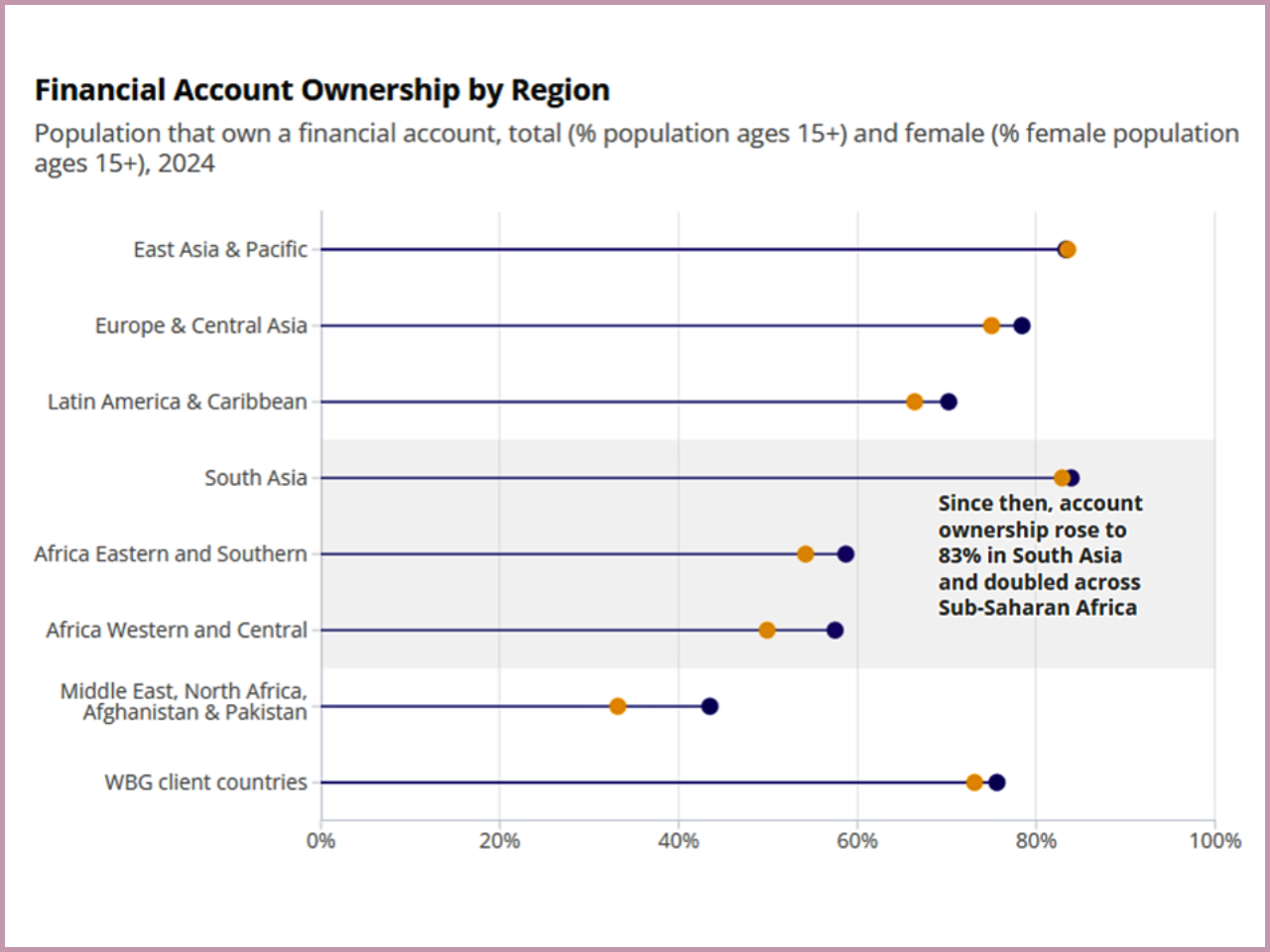
The graph represent the unbanking women in global
Explained / May 24, 2026
73% of Women in Low- and Middle-Income Countries Now Own Financial Accounts, But 700 Million Remain Unbanked

Global Findex 2025 data shows women's financial account ownership in low- and middle-income countries rose to 73% in 2024, up from 66% in 2021. Digital payment usage grew from 50% to 58% and formal savings from 22% to 36%, yet over 700 million women remain unbanked. High fees, distance, and limited access to credit continue to hinder full financial inclusion and economic independence.

Bond-stock correlation trends analysis
Explained / May 22, 2026
839 Million in Poverty, Yet 76% Have Financial Access: A Tale of Uneven Progress

The World Bank scorecard reveals mixed global development trends: 839 million in poverty, 76% financial access, and uneven progress in electricity & displacement, highlighting structural weaknesses & need for targeted action. The financial inclusion of women in South Asia is one of the most dramatic, as the number of female account owners increased from 27% to 83%. Aesthetically, the gender gap that used to prevail in the chart has been significantly reduced.

Bond-stock correlation trends analysis
Explained / April 01, 2026
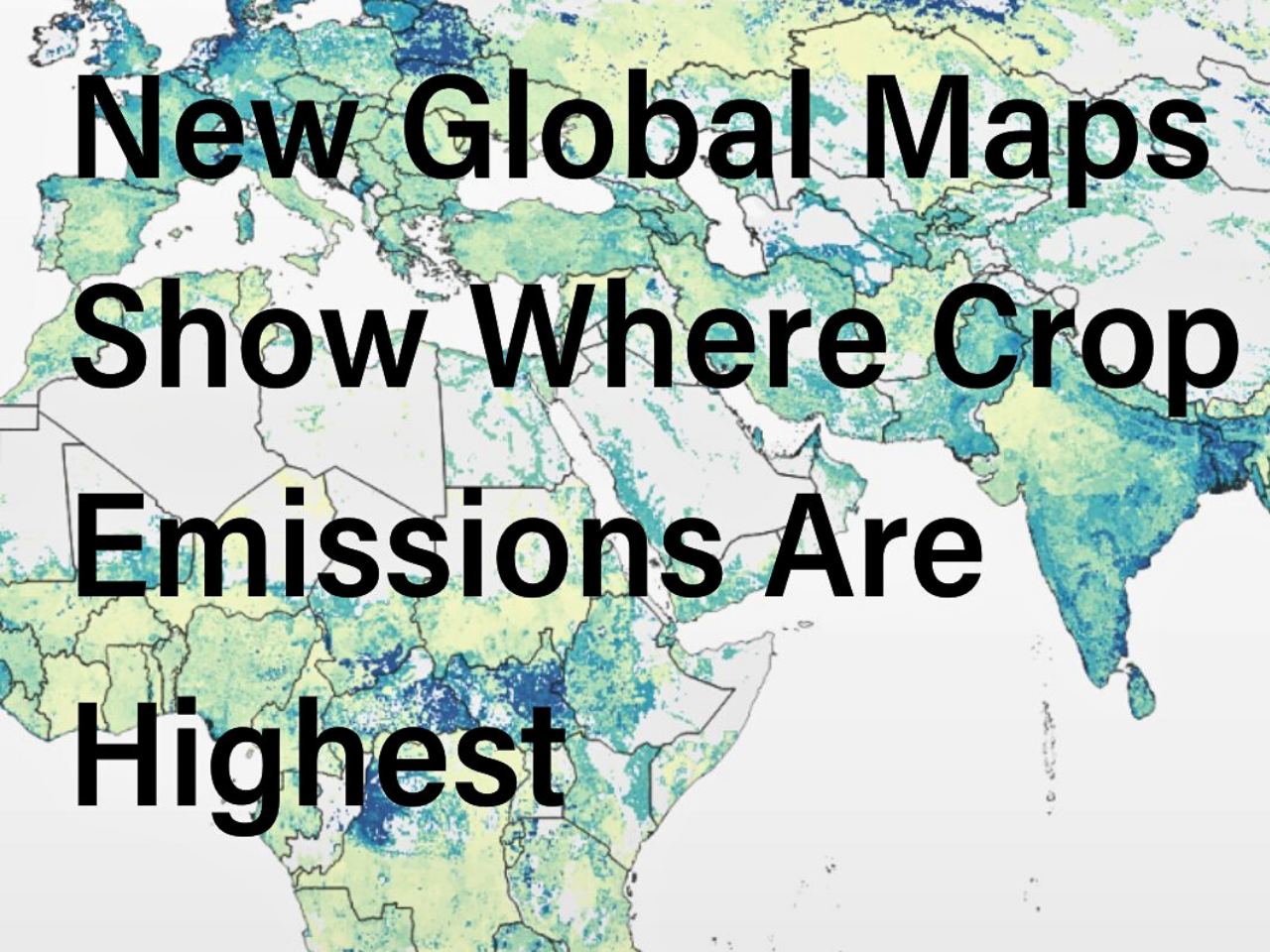
Crop Emissions Exposed: How Rice, Corn, and Palm Oil Are Heating Up the Planet

Emissions from drained peatlands rose slightly in Southeast Asia, though uncertainties remain in data estimates. Feeding a projected global population of nearly 10 billion by 2050 without sharply increasing emissions presents a critical challenge. Due to staple crops being the building blocks of food security, cultural identity, and livelihoods, replacing these crops is not an option that either makes sense or is desirable.

- Advertisement -


Editorial / Nilarani
Jobs at the Forefront: World Bank's Strategy for a Resilient Global Economy

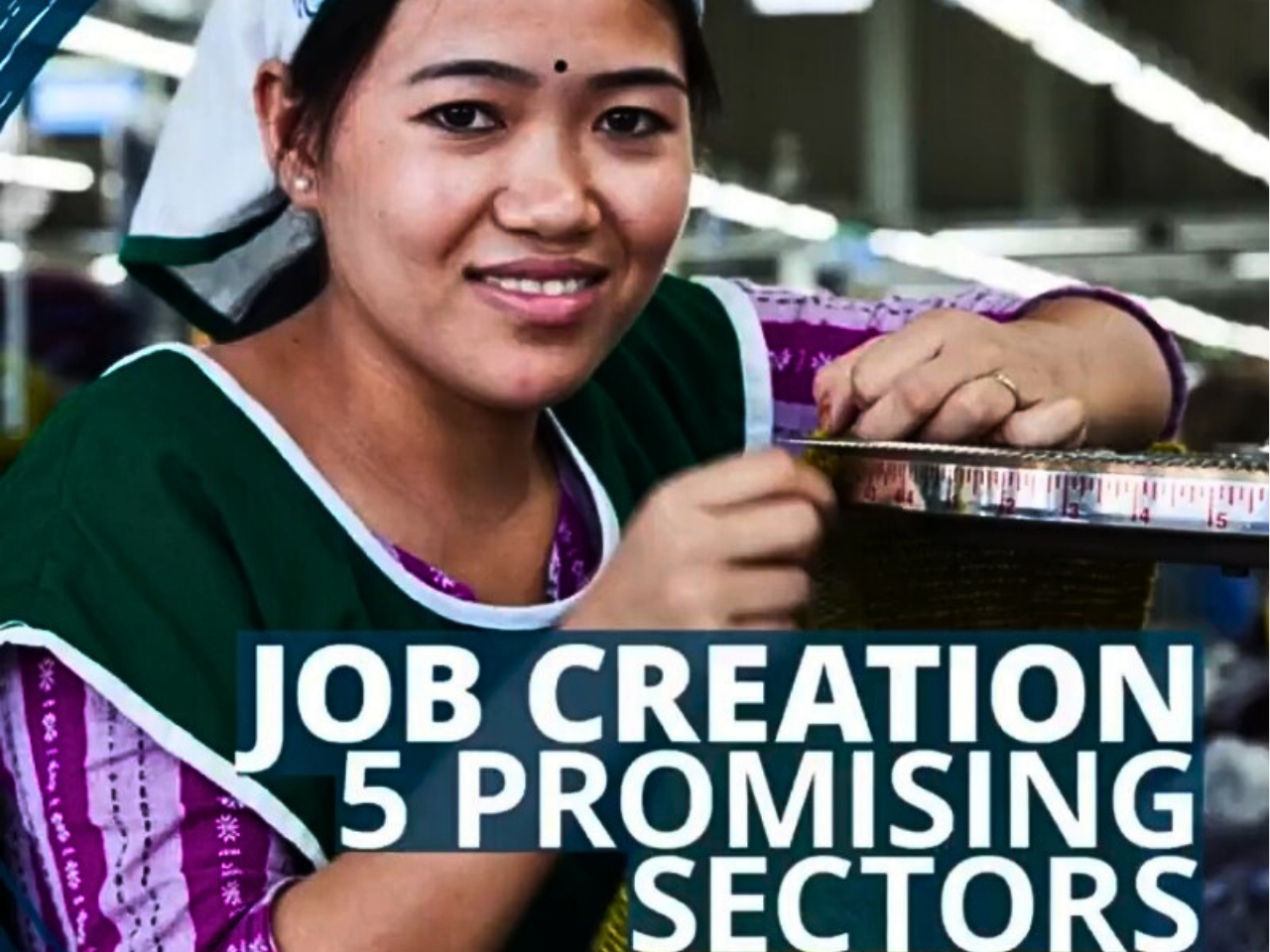
The World Bank Group has focused on five key industries in which there is great potential for creating employment opportunities: the energy and infrastructure sector, agriculture and agribusiness, health care, tourism, and manufacturing. Each of these sectors is interconnected with the other and supports the creation and development of many job opportunities and a broad-based development strategy.

Editorial / Avichal Sharma
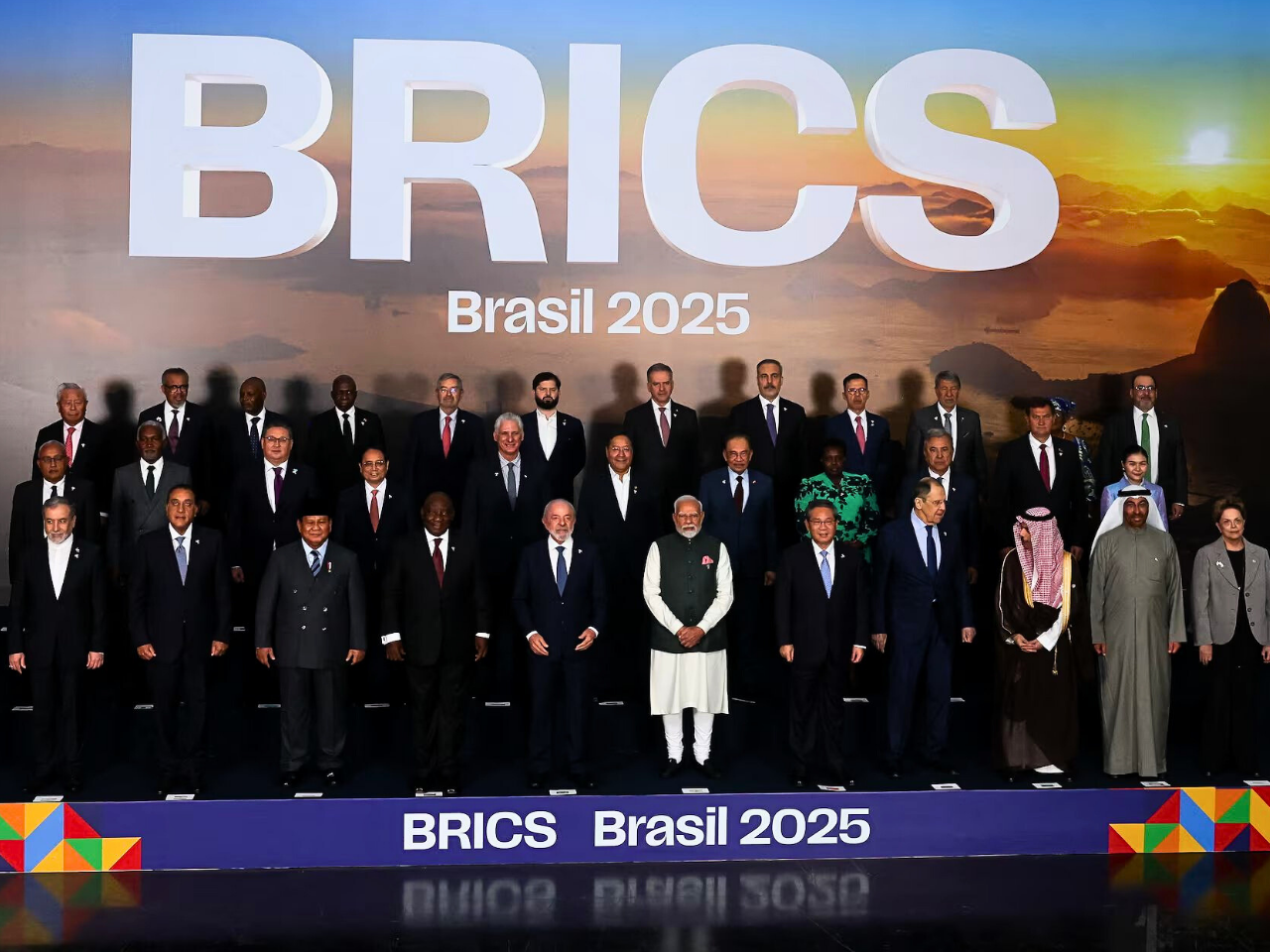
The Gathering Storm: How Trump's Tariffs Forged BRICS Unity

In a world long dominated by the financial tides of the US dollar, a new story is unfolding, driven not by a grand, planned design but by an unexpected external force: the tariff policies of Donald Trump. Trump's renewed presidency saw him sign an executive order in early 2025, first imposing tariffs on imports from China, then escalating to a "universal" tariff on nearly all imports.

Read More From Blog >>>


- Advertisement -