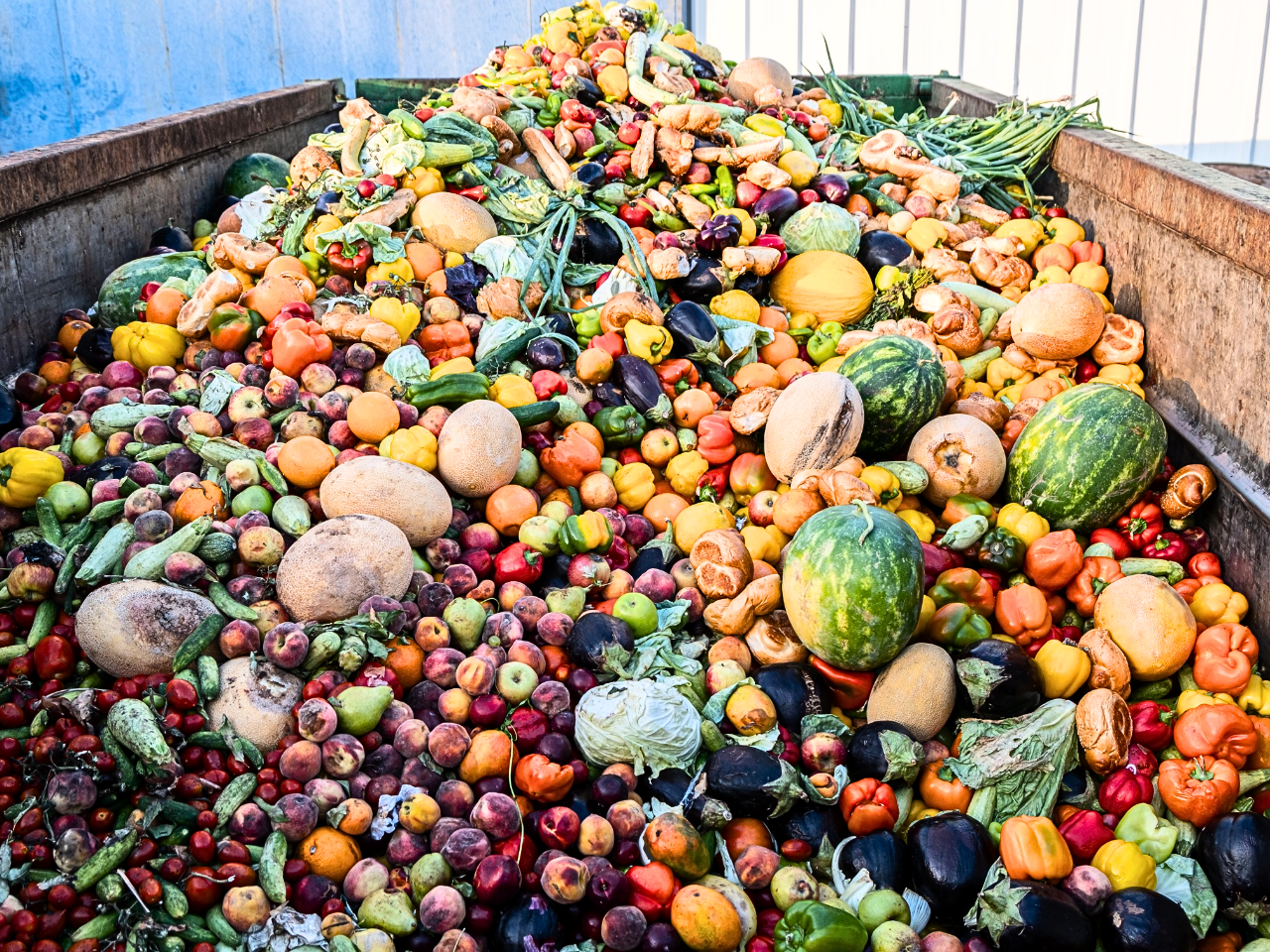
An ambitious new framework to address food losses among fresh and dried fruits and vegetables, one of the largest and most neglected inefficiencies in the global food supply chain, has been agreed upon by experts in agricultural quality from 34 countries across the United Nations Economic Commission for Europe (UNECE). The effort is in response to the increasing magnitude of the problem. Approximately 13% of all food is lost from harvest to retail, and an additional 19% is lost at the retail, food service, and home levels.
Initial outcomes of standard revisions alone illustrate potential impacts. Cyril Julius, chair of the UNECE Specialized Section on Standardization of Fresh Fruit and Vegetables, said that by 2025, the South African table grape exporters would have a noticeable improvement, as the packhouse losses were reduced from almost 5% to less than 1% due to a simple modification of the UNECE table grape standard. This momentum was followed by the endorsement of three measures by experts. First, a new product-based approach to food loss reduction, instead of being embedded in UNECE agricultural quality standards. Secondly, a chapter of a new Code of Good Practice guiding the dried fruit and nut value chains on the handling, processing, manufacturing, and trade of dried fruits and nuts, which may have to pass through multiple stakeholders and long supply chains. Thirdly, a voluntary standardized package marking system, which will minimize rejections at the border due to incorrect or incomplete package marking, is one of the most neglected sources of waste in the supply chain.
What is important is that even small improvements in handling, storage, and packaging can make a significant difference in shelf life and in reducing waste, says UNECE Specialized Section on Standardization of Dry and Dried Produce vice chair Dorian LaFond. The updated and new standards will facilitate progress towards SDG target 12.3, reducing food waste and losses in the food supply chain by 50% by 2030.