World News

IMF Projects 3.3% Growth for 2026, But Warns Oil Spike Could Cut Global Output 0.2%

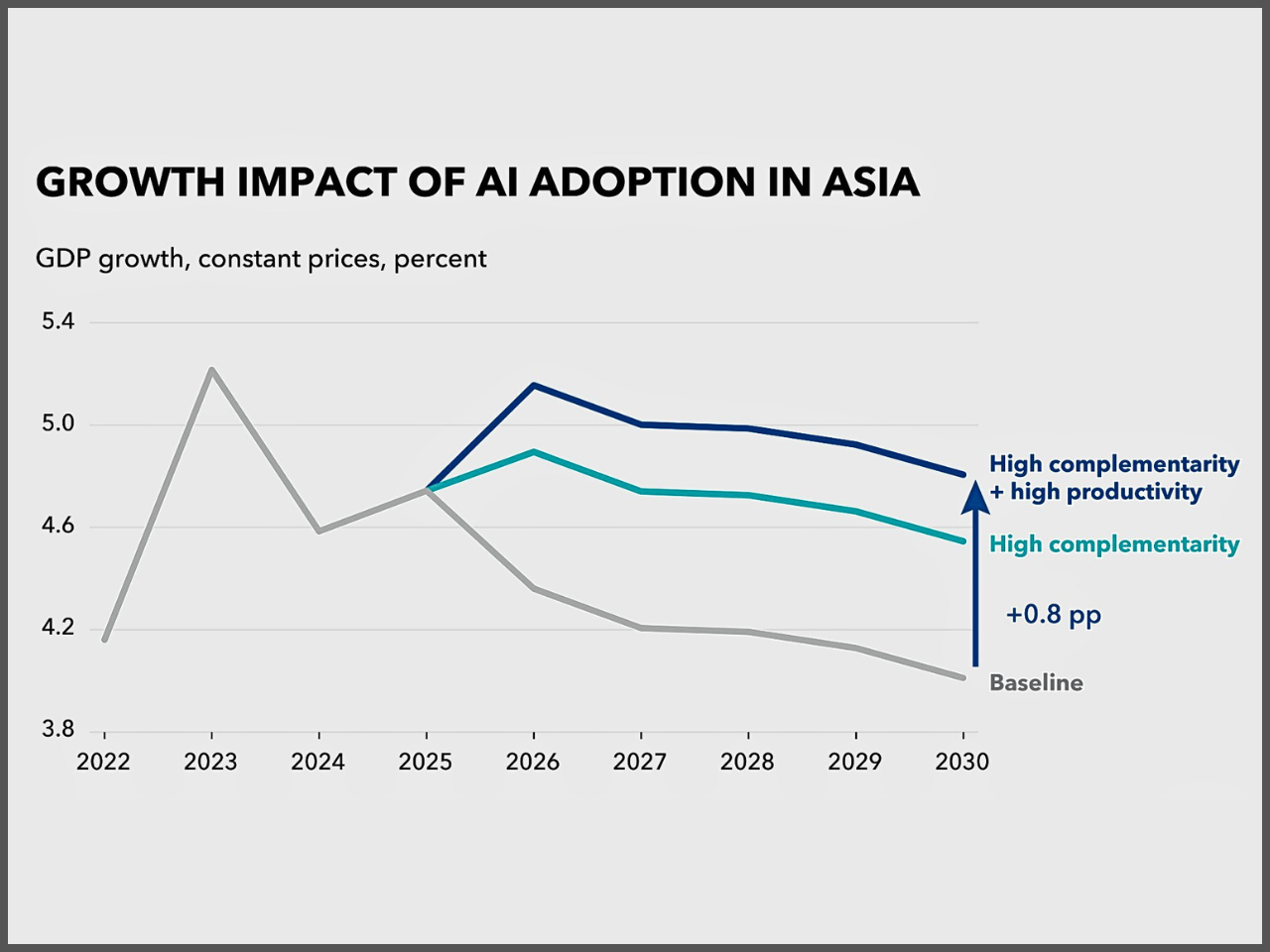
The image represent the graph of IMF forecast
Graph source: International Monetary Fund

During a policy symposium in Tokyo, organized by Japan's Ministry of Finance, the International Monetary Fund (IMF) Managing Director Kristalina Georgieva noted the rising uncertainty shaping the global economy and urged policymakers to be prepared to operate in a progressively volatile world.

When she delivered the keynote speech, she mentioned the significance of institutions, financial buffers, and agility in policy development and that countries seeking to rise above the disruptions to their economies must keep growing.The IMF is now optimistic that the global economy will remain relatively stable, projecting growth of 3.3 percent in 2026 and 3.2 percent in 2027. However, emerging threats are geopolitical tensions and energy market disruptions.

The current Middle Eastern crisis has already affected energy infrastructure and shipping routes, including the strategically vital Strait of Hormuz, through which about one-fifth of the global oil trade and liquid natural gas transit. Inconveniences have played a major role in reducing global shipping traffic and have contributed to rising oil prices, which have increased by almost 50 percent since the end of 2025. IMF estimates suggest that a long-term 10 percent increase in oil prices would raise global inflation by approximately 0.4 percentage points and reduce global output by at most 0.2 percentage points. Georgieva highlighted long-term structural shifts in the world economy, particularly technological transformation and demographic change.

AI is likely to have a significant contribution towards increasing productivity. The IMF estimates that in Asia, the expansion of AI would raise annual economic growth by up to 0.8 percentage points in the medium term. Automation, combined with labor flexibility, can help Japan and other nations with aging workforces remain productive. At the same time, there are local deviations in demographic characteristics. As Africa's population is set to increase considerably over the next several decades, economies such as Japan and China will experience population declines, resulting in a multi-speed demographic landscape with diverse labor market requirements. Georgieva also noted that fiscal and financial buffers are critical, as they enable governments and firms to absorb shocks and remain stable during economic crises. In light of the increasing uncertainty in the world, she suggested that policymakers must become agile and venturesome; they must look backward at threats but also look ahead to opportunities, such as further integration of regional economies in Asia. 


Latest News
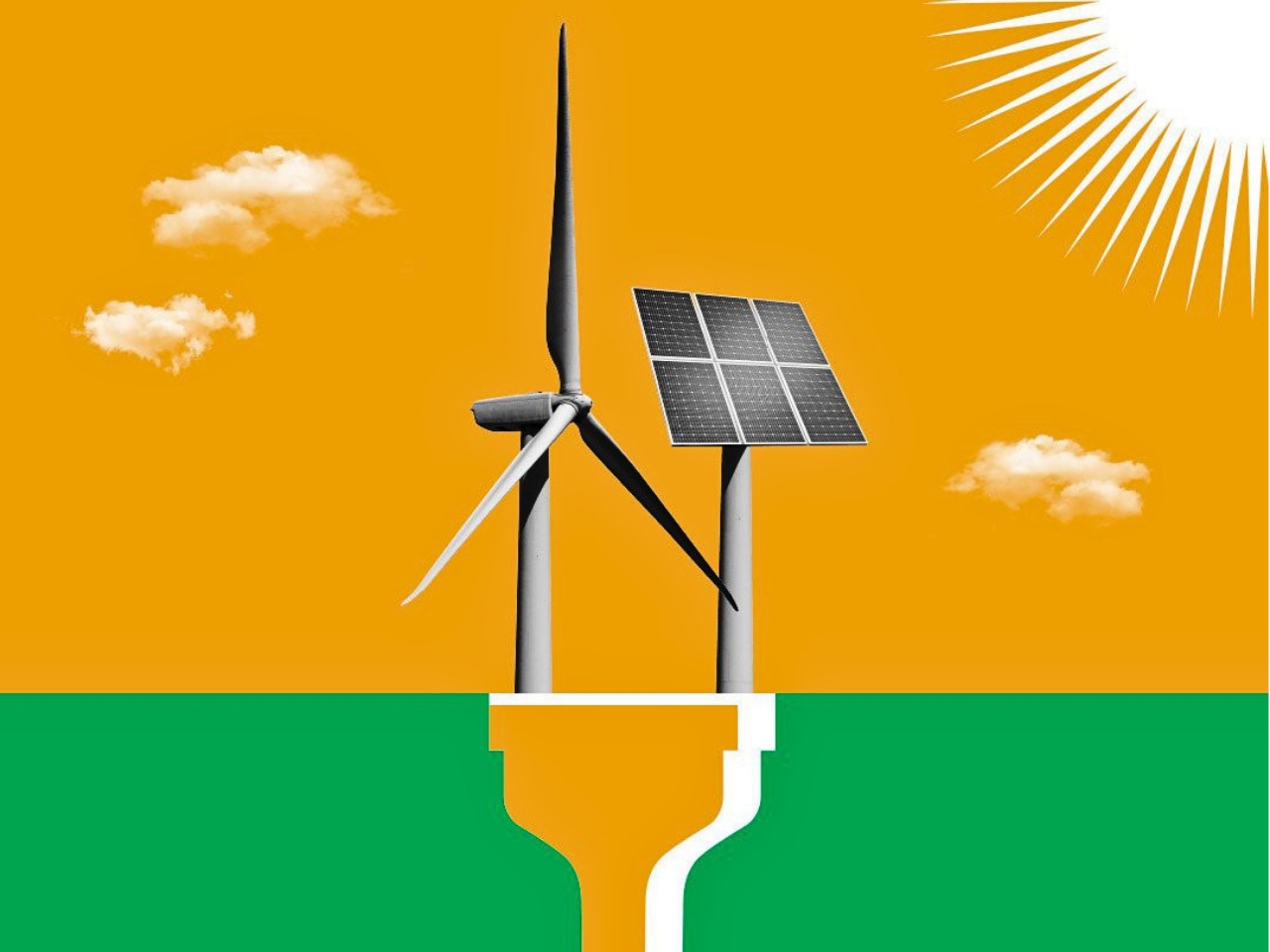
The image represent the renewable engergy growth

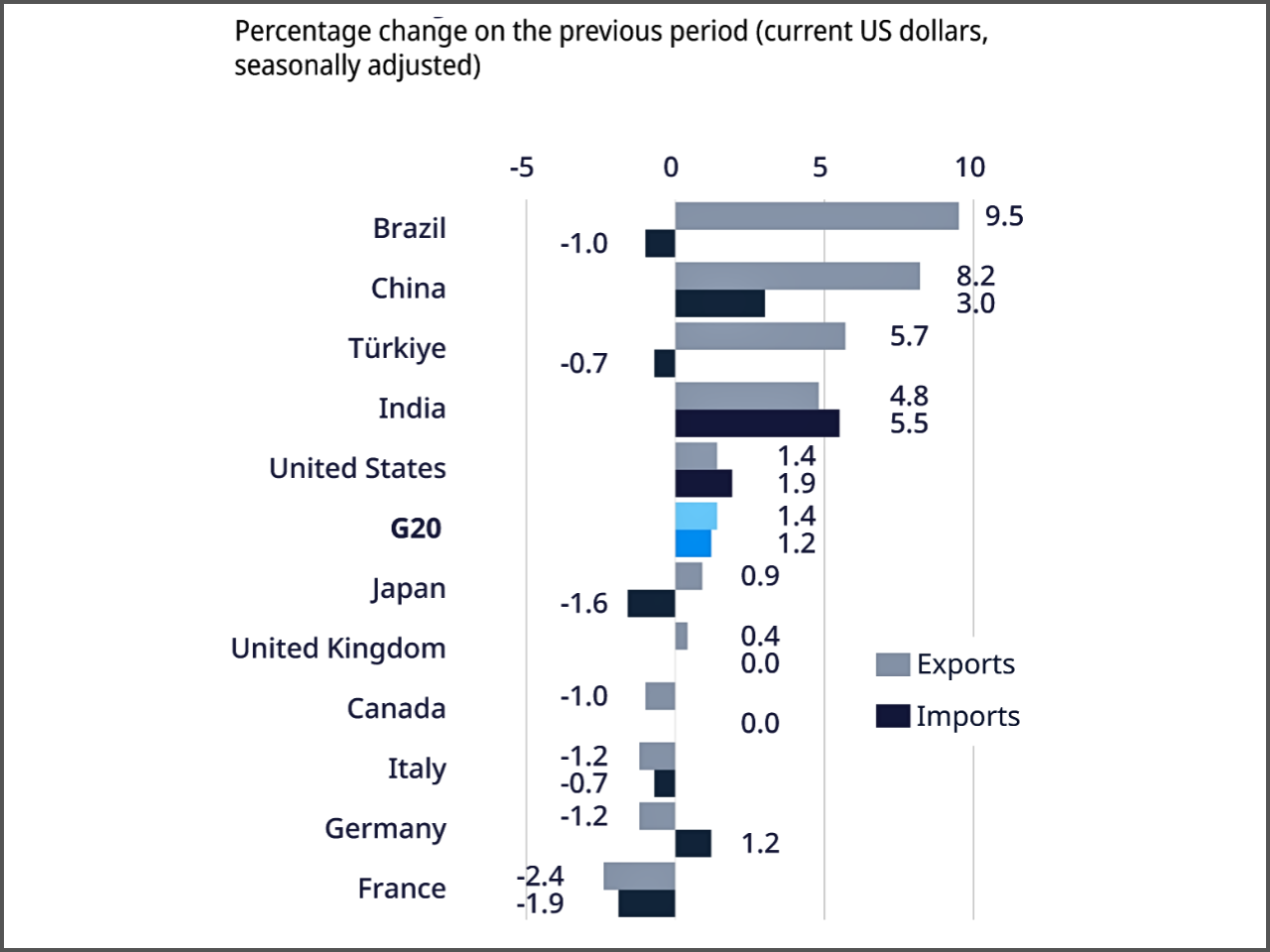
The graph represent the G20 service trade epanded modestly in Q4 2025

The image represent the UK and EU Sign Competition Cooperation Agreement, Strengthening Post-Brexit Ties

The image represent the cybersecurity measure to the globally

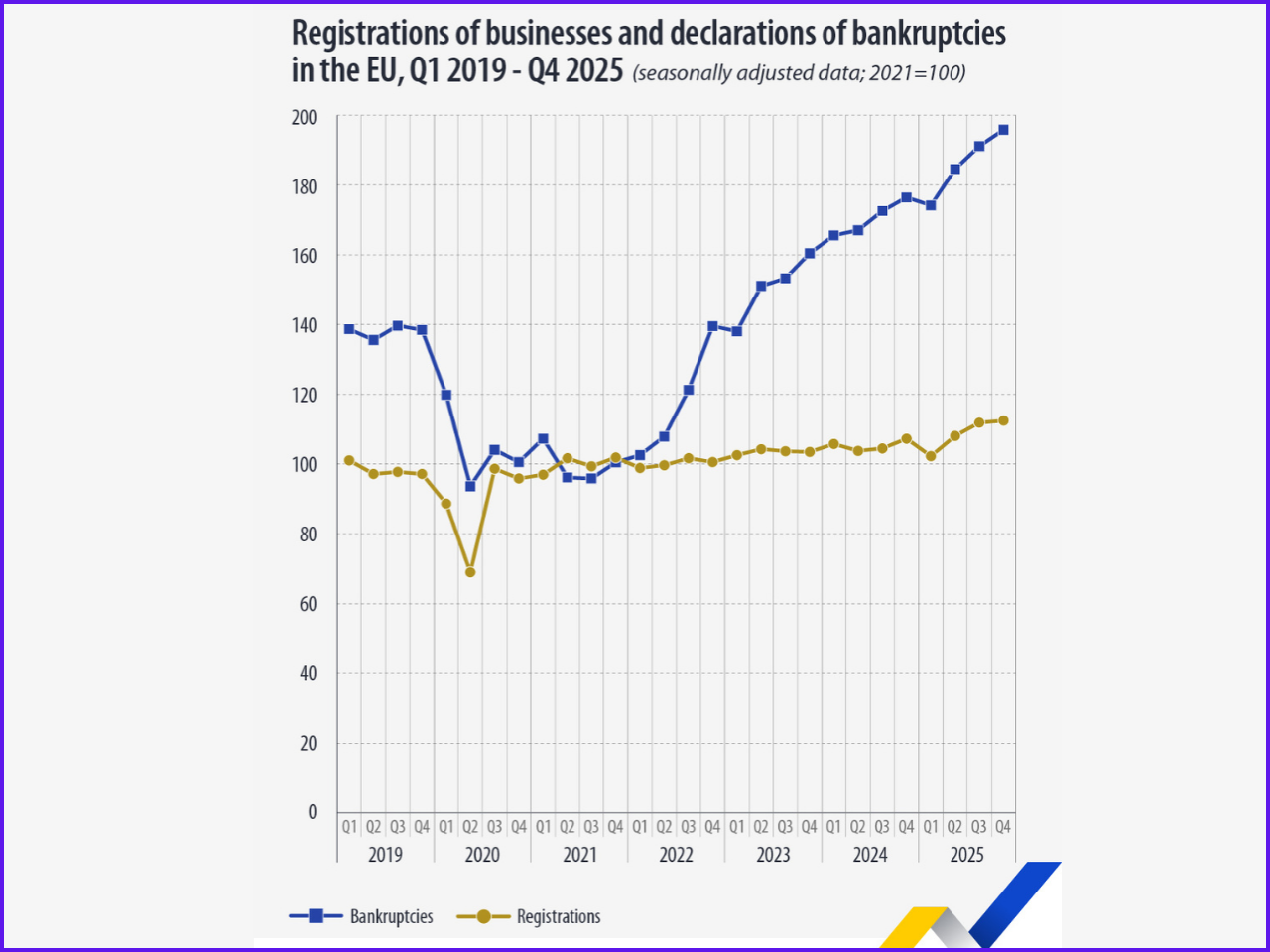
The graph repesent the EU-registration of business and declaration of bankruptcies

Read More From News >>>

Latest Explained
Bond-stock correlation trends analysis
Explained / May 22, 2026
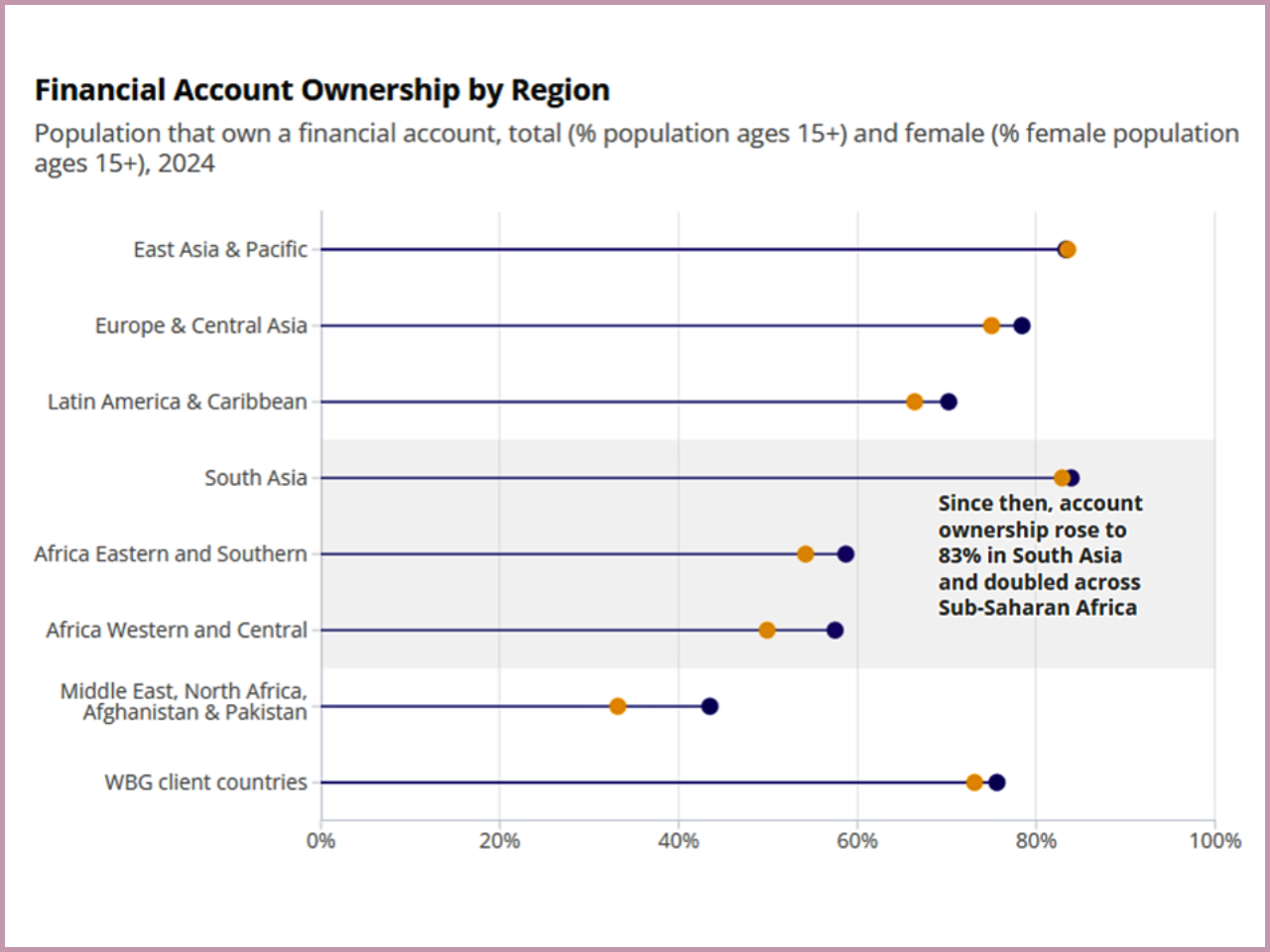
839 Million in Poverty, Yet 76% Have Financial Access: A Tale of Uneven Progress

The World Bank scorecard reveals mixed global development trends: 839 million in poverty, 76% financial access, and uneven progress in electricity & displacement, highlighting structural weaknesses & need for targeted action. The financial inclusion of women in South Asia is one of the most dramatic, as the number of female account owners increased from 27% to 83%. Aesthetically, the gender gap that used to prevail in the chart has been significantly reduced.

Bond-stock correlation trends analysis
Explained / April 01, 2026
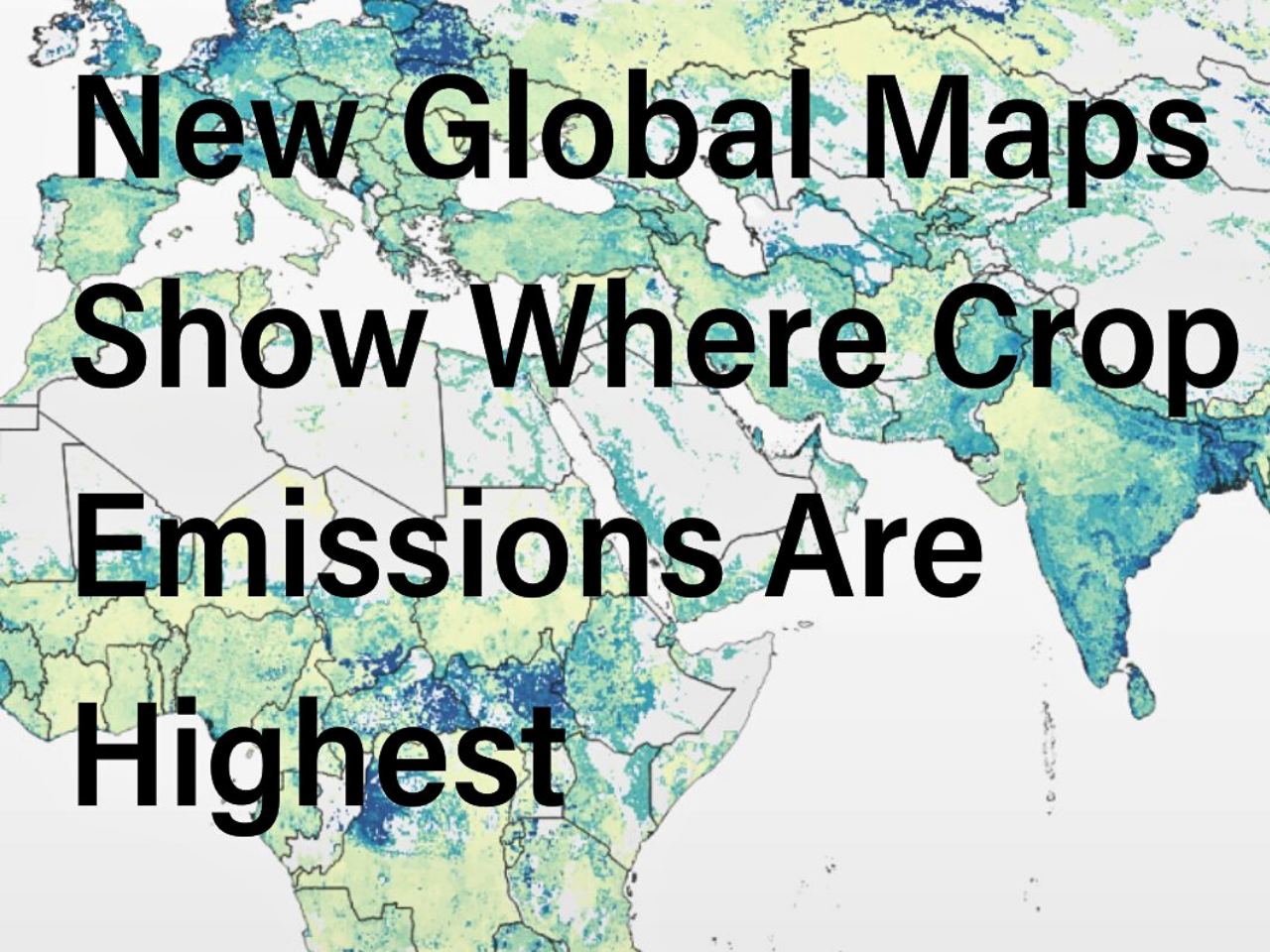
Crop Emissions Exposed: How Rice, Corn, and Palm Oil Are Heating Up the Planet

Emissions from drained peatlands rose slightly in Southeast Asia, though uncertainties remain in data estimates. Feeding a projected global population of nearly 10 billion by 2050 without sharply increasing emissions presents a critical challenge. Due to staple crops being the building blocks of food security, cultural identity, and livelihoods, replacing these crops is not an option that either makes sense or is desirable.

Bond-stock correlation trends analysis
Explained / March 31, 2026
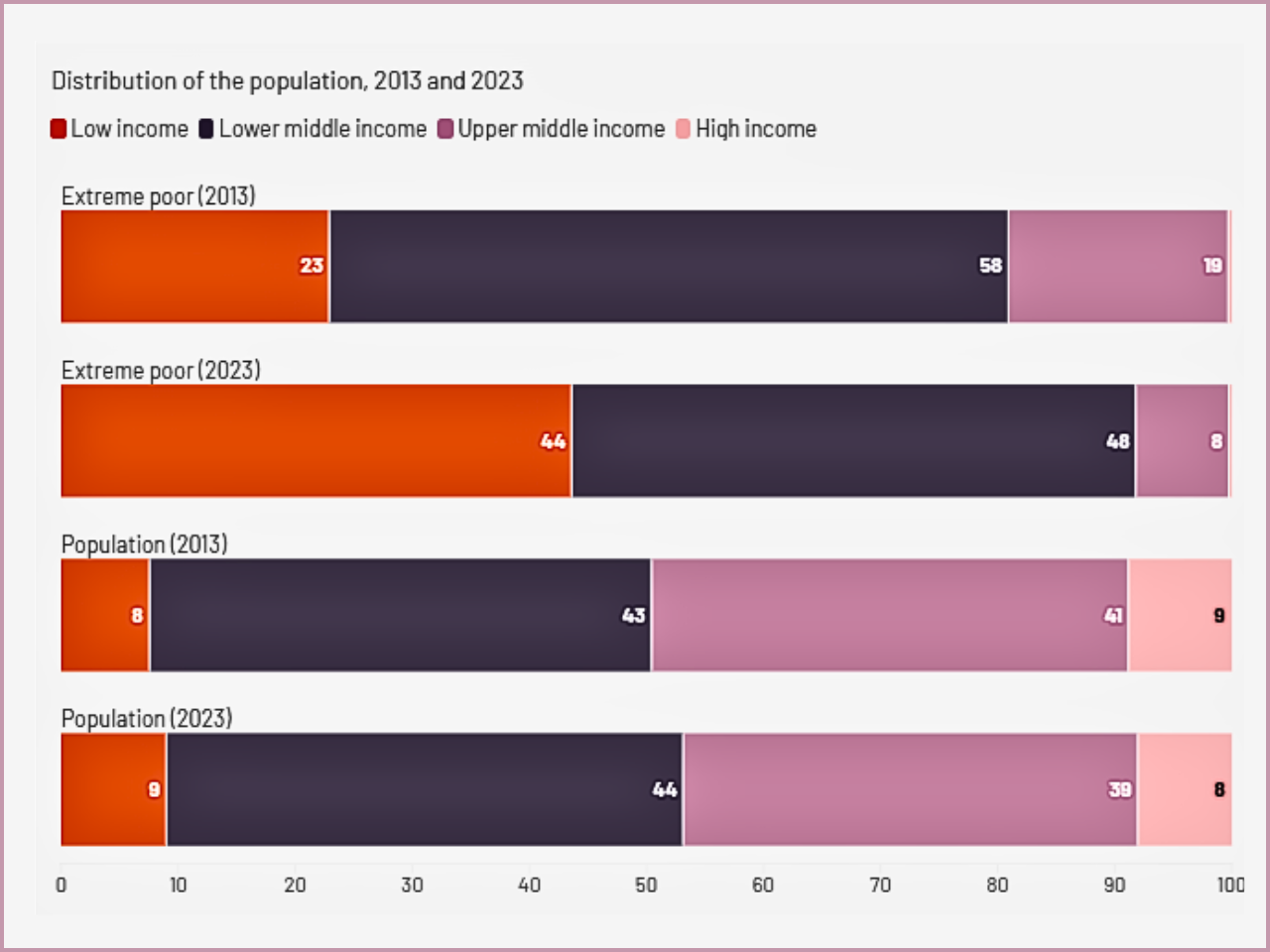
Global Poverty Shifts: Africa, Children Bear Brunt of Extreme Poverty

The percentage of people living in extreme poverty in rural areas of sub-Saharan Africa increased dramatically from 33 percent in 2013 to 53 percent as of 2023. The percentage of the world’s total poor who reside in urban areas of Africa has more than doubled since 2013, despite urban areas of Africa comprising a small proportion of the global population. There has been a significant change in terms of who makes up the population that falls below the poverty line today.

- Advertisement -


Editorial / Nilarani
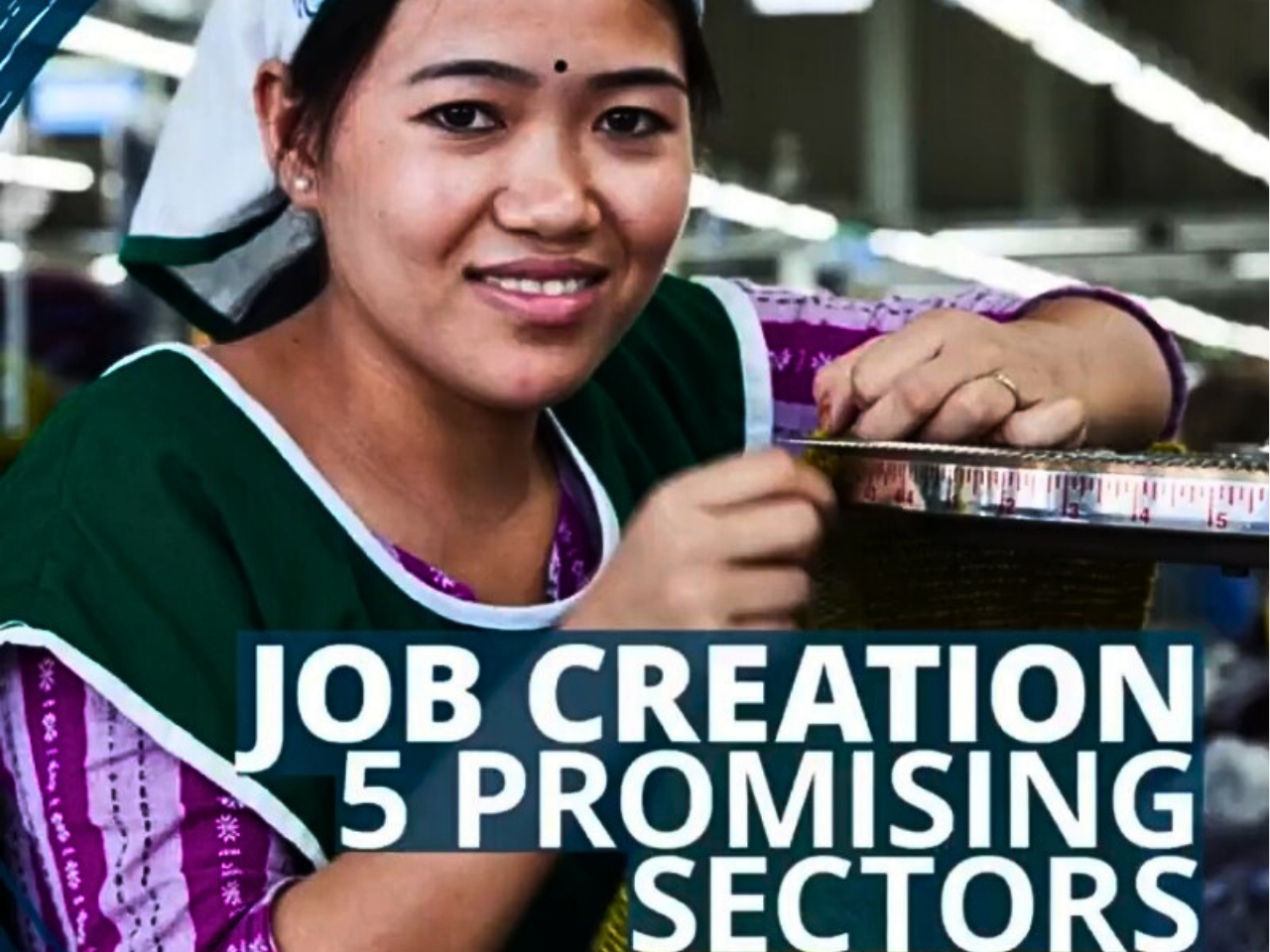
Jobs at the Forefront: World Bank's Strategy for a Resilient Global Economy

The World Bank Group has focused on five key industries in which there is great potential for creating employment opportunities: the energy and infrastructure sector, agriculture and agribusiness, health care, tourism, and manufacturing. Each of these sectors is interconnected with the other and supports the creation and development of many job opportunities and a broad-based development strategy.

Editorial / Avichal Sharma
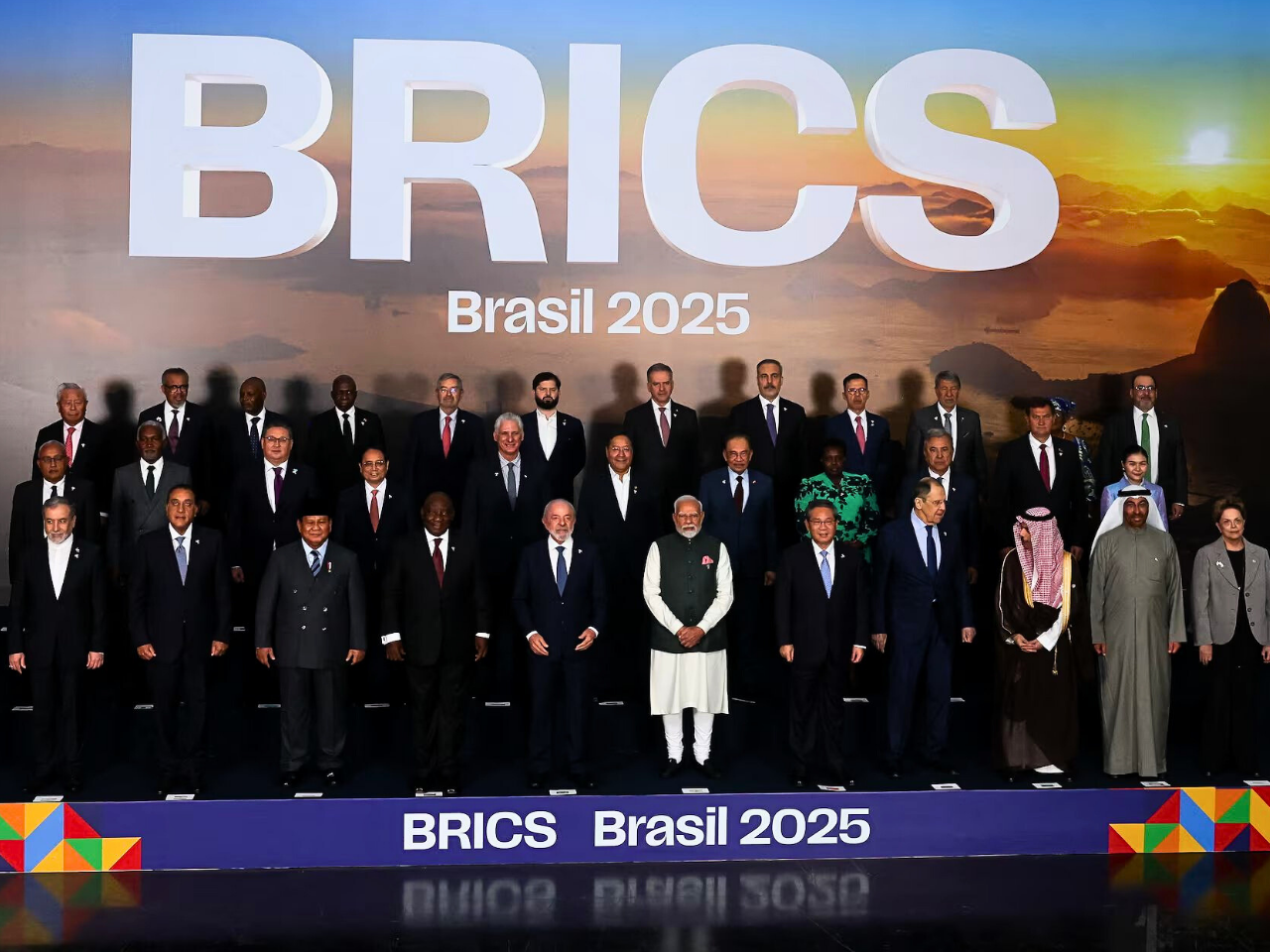
The Gathering Storm: How Trump's Tariffs Forged BRICS Unity

In a world long dominated by the financial tides of the US dollar, a new story is unfolding, driven not by a grand, planned design but by an unexpected external force: the tariff policies of Donald Trump. Trump's renewed presidency saw him sign an executive order in early 2025, first imposing tariffs on imports from China, then escalating to a "universal" tariff on nearly all imports.

Read More From Blog >>>


- Advertisement -