The future of the global economy in 2025 presented itself in an uncertain and geopolitical atmosphere with disruptions linked to climate conditions. Warfare, trade friction, increasing debt levels, and unstable markets put in place an atmosphere that initially instigated the pessimistic predictions regarding global growth. This notwithstanding, most economies, especially developing nations, portrayed a surprising resiliency and adaptability to these pressures. The focus on job creation as the main aspect of sustainable development began to be practiced by the economic institutions and policymakers who came to realize that not only do jobs help alleviate poverty, but also the stability of societies and the robustness of economic systems.The increase in the external debt is one of the major financial problems that developing countries are facing at this time.
According to the data provided by the World Bank, the International Debt Report, the net financial outflows of developing economies reached historic highs between 2022 and 2024 as the debt service payments surpassed new financing flows. This pattern recorded a peak in outflows of debts after almost fifty years. Increasing debt burdens constrained fiscal capabilities of investment in infrastructure, social programs, as well as development projects in most of the low- and middle-income countries. This financial strain brought to the fore structural weaknesses of world finance and made it clear that urgent measures need to be taken to ensure that domestic economic growth is achieved through job-creating policies. Although these factors were limiting, the world economy was a little better off than anticipated. By 2025, growth forecasts are expected to reach the estimates of 2.7 percent. This was due to a number of reasons. The energy markets of the world remained fairly stable, and this lessened the chances of a supply shock that would upset the economies. In most countries, interest rates started to fall due to the previous tightening of the interest rates that had shut international capital markets' accessibility.
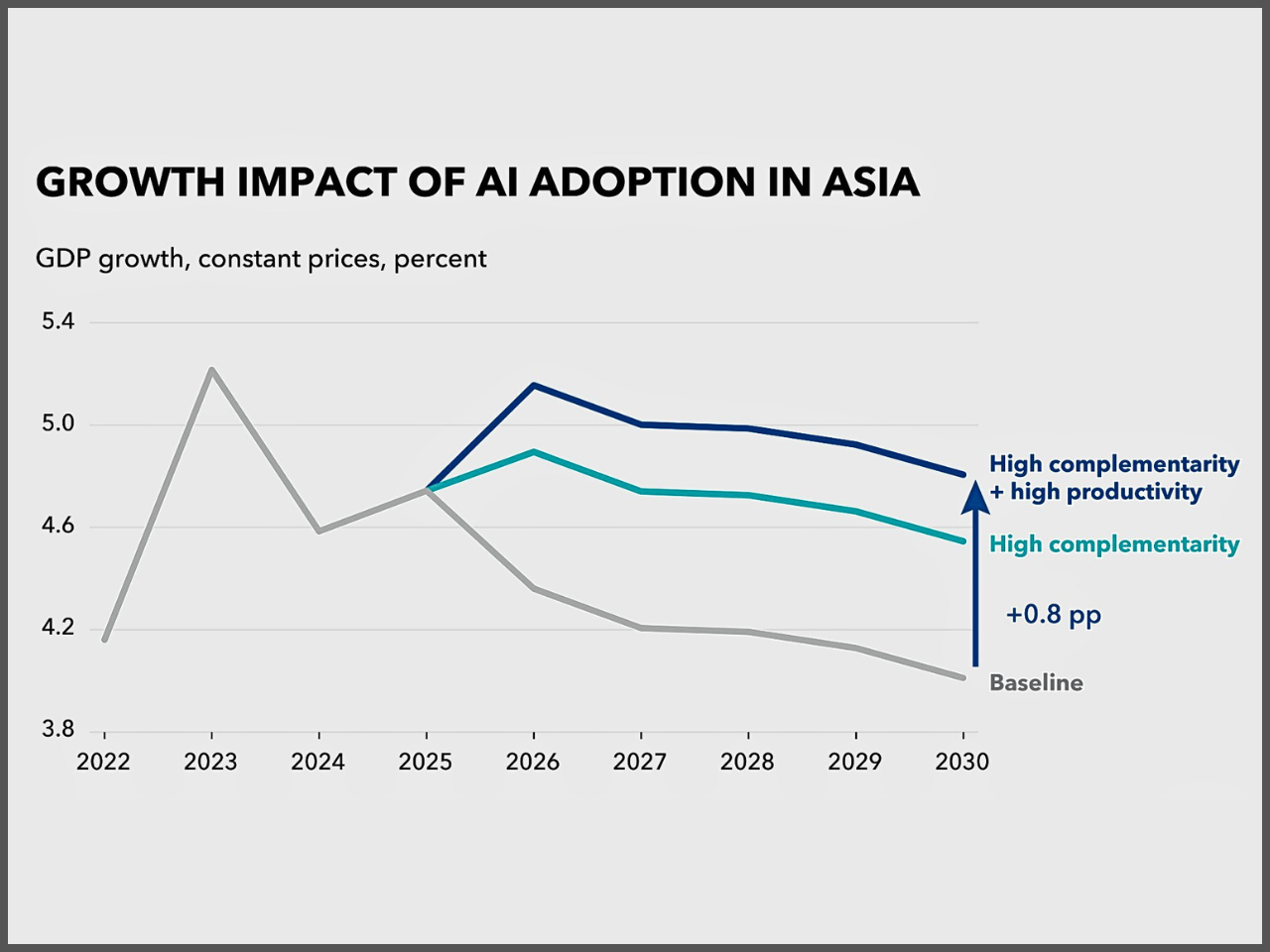
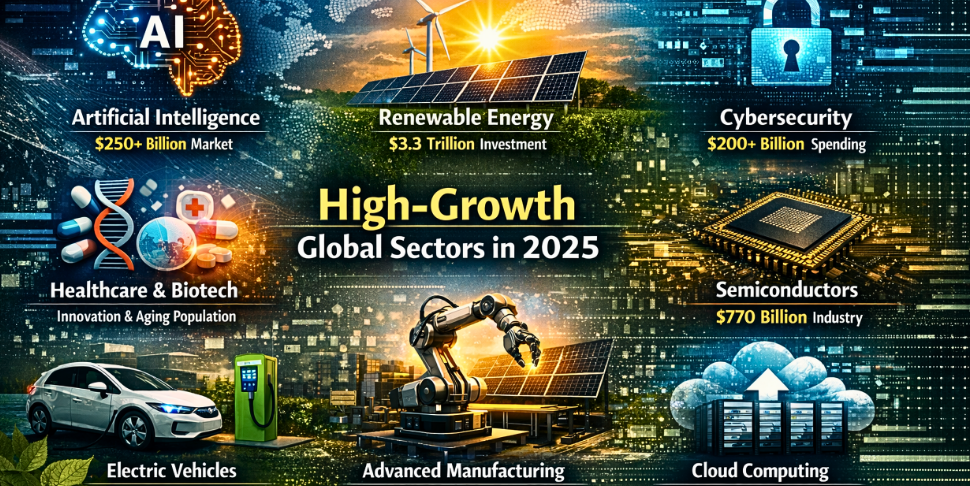
Moreover, trade policy unpredictability also reduced marginally as some of the geopolitical tensions eased. These changes made the environment of investment and trade more predictable. The fast change in production systems by the introduction of digital technologies, especially artificial intelligence, has been a significant factor in economic resilience. The thinking of technological innovation has brought rapidity in creating output in sectoral productivity, both in manufacturing and services. Nevertheless, the advantage of AI development is concentrated very much in the advanced economies. The development of the most prominent models of AI, research publications, venture capital, and patents is dominated by high-income nations. Conversely, the developing countries contribute much less in terms of technological advancement, even though they constitute a far bigger percentage of the human population in the world. This imbalance shows the enlargement of a technology gap that might define the future trends of economic competitiveness and inequality in the world.Meanwhile, the world is experiencing one of the greatest demographic shifts in our contemporary history. This means that in the next ten years, there will be more youths in the developing economies joining the working age of about 1.2 billion. This baby boom is not only an enormous potential but also a grave threat. Provided that there is enough job creation, this will be a potentially potent demographic dividend, which would boost the economy and innovation.
On the other hand, the inability to create enough jobs may result in social conflicts, migration stresses, and political instability.Based on this realization, development initiatives are paying more attention to areas that can produce massive employment with high capacity to enhance the resilience of the economy. Lessons on the development of the infrastructure and energy are at the center of this strategy. Good infrastructure in terms of electricity and transport is necessary to tie individuals to the economic prospects and for businesses to run effectively. Improving the energy infrastructure is especially important in Sub-Saharan Africa, where almost 600 million people still do not have access to it. The programs that are intended to increase access to electricity in the region are not only meant to enhance living standards but also to open the potential of agriculture, manufacturing, and services.Another pillar of the economic activity in the developing economies is agriculture. Smallholder farmers in the world contribute a significant portion of the world's food, as nearly 40 percent of employment in many low-income countries goes to agriculture. However, limited access to finance, poor market infrastructure, and old production methods are usually the limitations faced by farmers. As the world population is projected to expand by approximately 30 percent by 2050, the necessity to reform the agricultural sector is getting more and more urgent. By modernizing agriculture by sourcing better finance, the use of digital resources, and other enhanced market connectivity, food security could be increased concurrently with the creation of additional rural jobs.
Rural jobs in particular are significant, as noticed in Sub-Saharan Africa, where farmers lead the local labour markets. The employment in the area has received estimates of 70-80 percent of the rural employment directly related to farming. The strengthening of the agribusiness value chains, including food processing, transport, and agricultural technology, may thus be very crucial in increasing rural income and poverty reduction. The health care systems are also a relatively major source of employment and economic growth. Investment in health infrastructure and services creates employment at hospitals and clinics, as well as in an array of industries that support them, such as pharmaceuticals, medical technology, logistics, and manufacturing. An increase in access to quality health services will boost human capital through better productivity, educational attainment, and well-being. The enhancement of primary health care systems, especially of developing states, is thus socially and economically of priority.
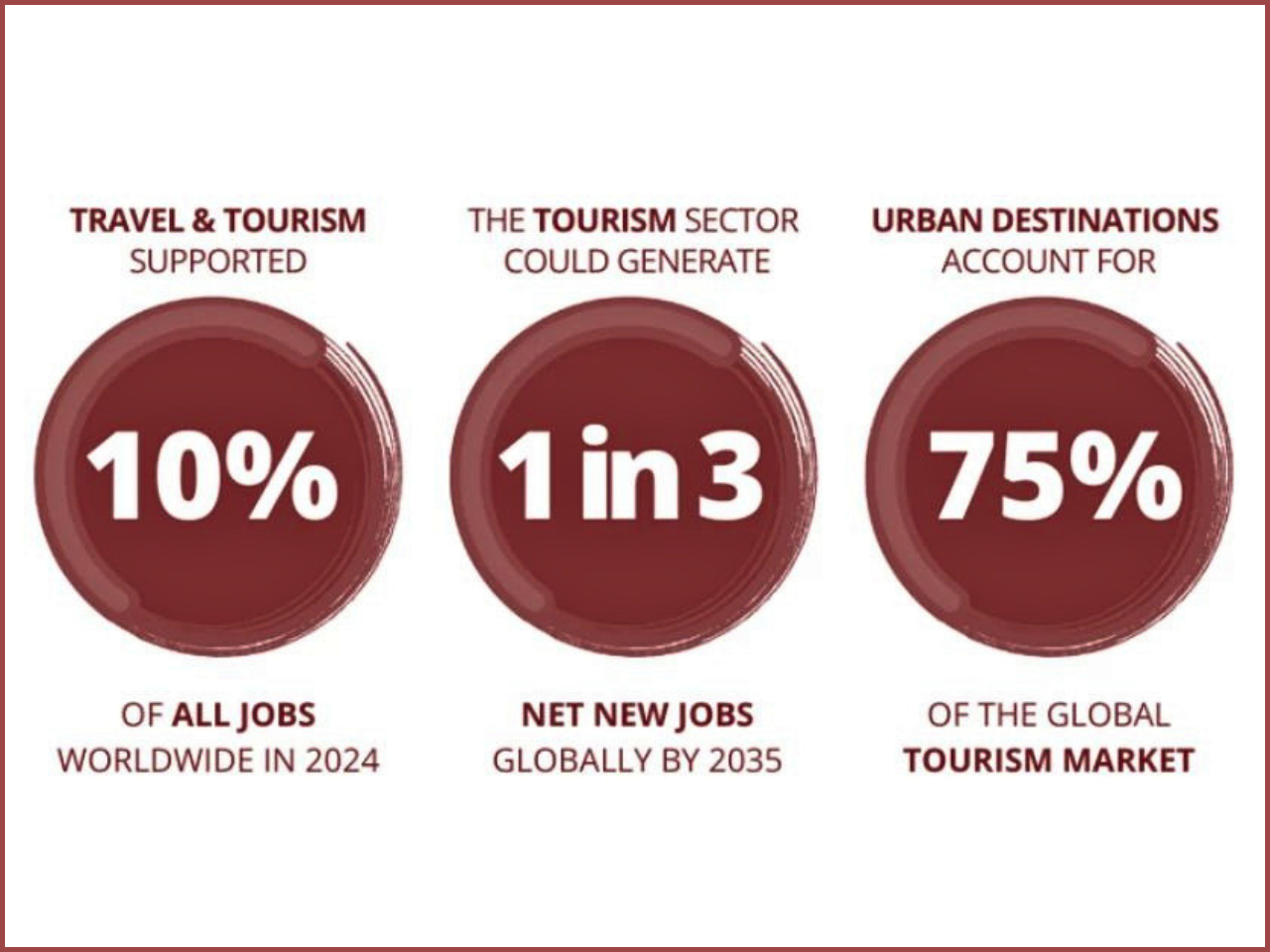
One more sector that has held immense growth in terms of creating employment and growing inclusively is tourism. The travel and tourism sector in the year 2024 recorded an estimated employment of around 10 percent of the entire employment in the global economy, sustaining an estimated 357 million jobs all over the world. It is projected that the sector might create almost one-third of the total number of new jobs in the world in 2035. The urban destinations are now acknowledged to absorb nearly three-quarters of the worldwide tourist market, yet the sustainable tourism projects are now widening their opportunities even in the countryside and in heritage locations.The developing nations are also using tourism as a means of both revenue generation and cultural conservation, as well as environmental conservation. Sustainable tourism programs assist local people in establishing small enterprises in hospitality, transportation, handicrafts, and cultural services. Tourism will also encourage conservation of heritage sites and ecosystems, and in places where there are abundant cultural or natural resources, employment is able to be generated. Production remains a core part of economic revolution. Diversification of the economy through industrial development helps countries not rely on major commodities but join the global supply chains. Production is also a source of job opportunities at various skill levels and thus enables a shift toward informal to formal jobs. Investment in new production units, logistic chains of supply, and export-driven industries has enabled most of the emerging economies to consolidate their local markets and improve external trade.The participation of the private sector must also be a part of these development strategies. The amount of financial resources to invest in such a large-scale economic transformation cannot be mobilized solely by the public institutions. Enhanced partnership between governments, development institutions, and the private investors has thus become a necessity.
The past years have been marked by a massive increase in the mobilization of private capital in global development financing due to the rejuvenated investor interest in emerging markets. The alliances allow the nations to afford big infrastructural initiatives, sustain new businesses, and generate jobs on a massive scale. In conclusion, the global 2025 experience guarantees that the global economy can be resilient in terms of long-term structural investments, as opposed to short-term crisis management. The policies regarding employment-based development, coupled with technological inventions, growth of infrastructure, and increased global collaboration, provide an avenue to inclusive and sustainable growth. As nations prepare to go on the journey and embrace the opportunities of the next decade, the general maxim is still the same: develop an economy able to create good jobs, empower communities, and offer stability in the growing uncertainty of the world.