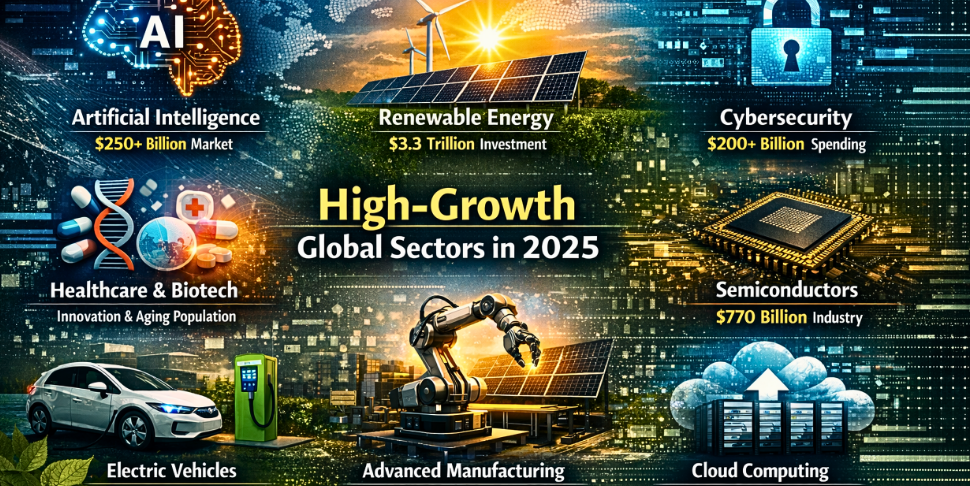
In addressing climate change and developing a sustainable future, renewable energy is one of the most important tools available. Burning fossil fuels for electric power or heating produces the majority of greenhouse gases that contribute to the greenhouse effect in the atmosphere.
According to 2023 data, the global power sector overtook all other sectors as the largest source of greenhouse gas emissions. Reducing global greenhouse gas emissions will be necessary, nearly by half by 2030, to reach net-zero emissions by 2050 to avoid the worst impacts of climate change. Transitioning away from burning fossil fuels towards green, clean, cost-effective, reliable, and accessible energy systems to achieve this goal.
Renewable energy sources such as solar, wind, hydroelectric, organic material, and geothermal energy will be produced naturally and with few or no greenhouse gases or other pollutants. While the use of fossil fuels is currently about 60% of the world’s electric generation, renewable energy utilization has substantially increased in the last few years. From 2015 to 2024, there have been approximately 2,600 gigawatts of renewable energy generation capacity, which approximates to a cumulative total of +140% of renewable generation capacity, while fossil fuel generation capacity has grown only limitedly over the same time period. Fossil fuels are more plentiful than renewable energy; therefore, the majority of countries are able to meet their future energy requirements. The vast majority of the world (80%) is currently using fossil fuels for their energy needs and, therefore, is susceptible to disruption due to changes in the geopolitics. In addition to being widespread and abundant throughout the world, renewable energy will allow countries to achieve 90% of their electric production needs by 2050.
In the last few years, renewable sources of energy have become the cheapest way to generate electricity in many parts of the world. Currently, more than 90 percent of all new renewable electricity generation projects are cheaper than fossil-fuel-based options. In addition to providing lower-cost electricity, the use of renewable sources of energy also has positive impacts on public health by reducing air pollution, which results in millions of premature deaths every year. Creating jobs and driving economic growth are also two major benefits associated with the transition to clean energy through renewable sources of energy. Therefore, the transition to clean energy through renewable sources of energy is beneficial to both society and the environment.