World News

24% Energy Spike and 45Million More in Severe Hunger: World Bank Flags Commodity Shock

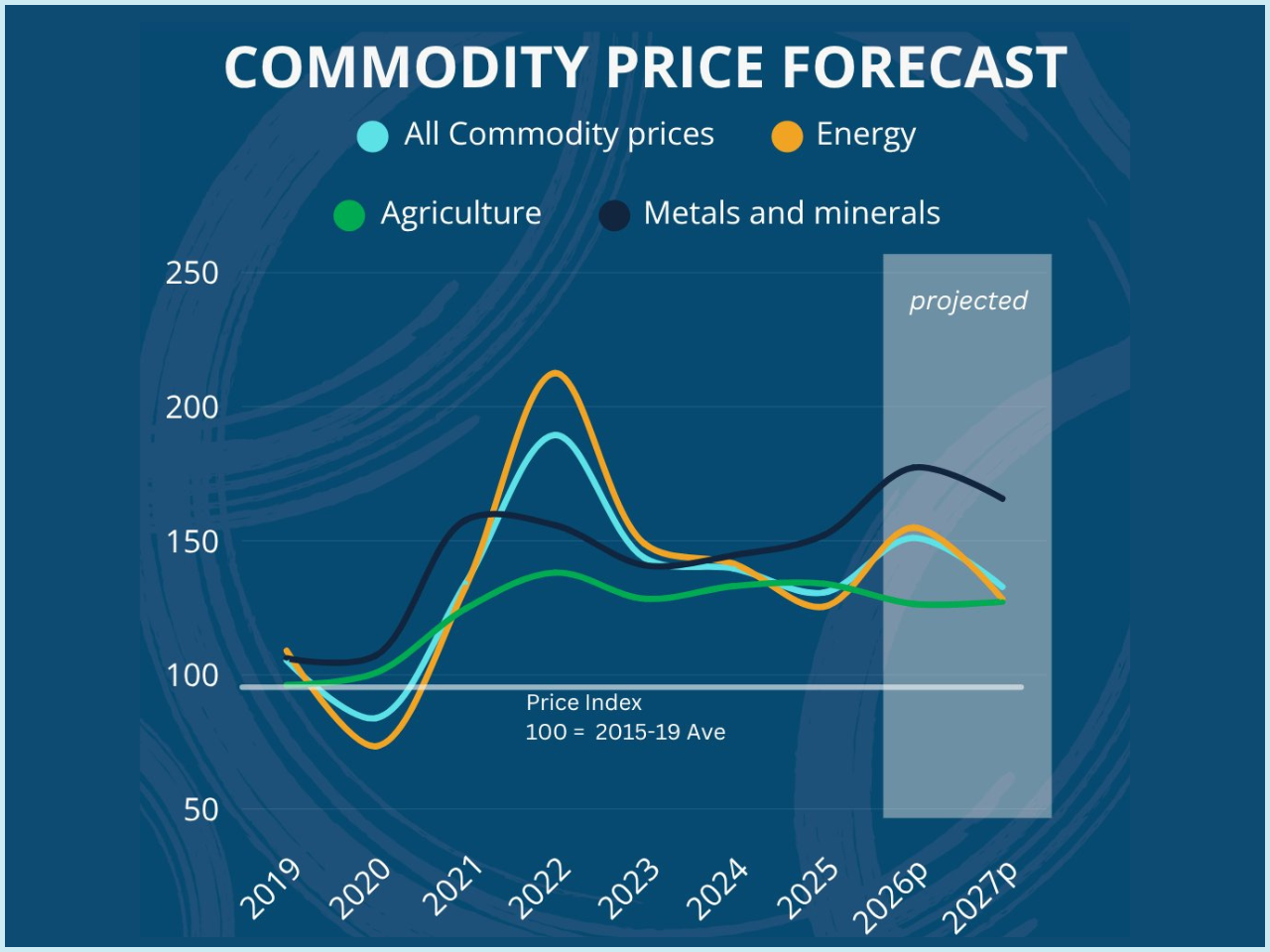
The graph represent commodity market outlook world bank report
Image source: World Bank

The World Bank’s Commodity Markets Outlook Report of April 2026 is a clear warning: the current conflict in the Middle East is causing major commodity markets to have grave consequences worldwide. Energy prices will rise 24% in 2026, back to their highest level since Russia’s invasion of Ukraine, with commodity prices expected to increase 16% due to sharp increases in energy and fertilizer and record-high metals prices.

The forecast for emerging markets and developing economies has been cut from its previous 4% growth for 2026 to 3.6%, while the inflation forecast has been lifted from 4.1% to 5.1%. Some 70% of commodity importers and over 60% of commodity exporters worldwide are at risk of experiencing less-than-anticipated growth.

The rise in food insecurity could also be significant, as the World Food Programme (WFP) estimates that if oil prices remain above $100 per barrel, up to 45 million more people could find themselves in the case of severe food shortages.

Latest News
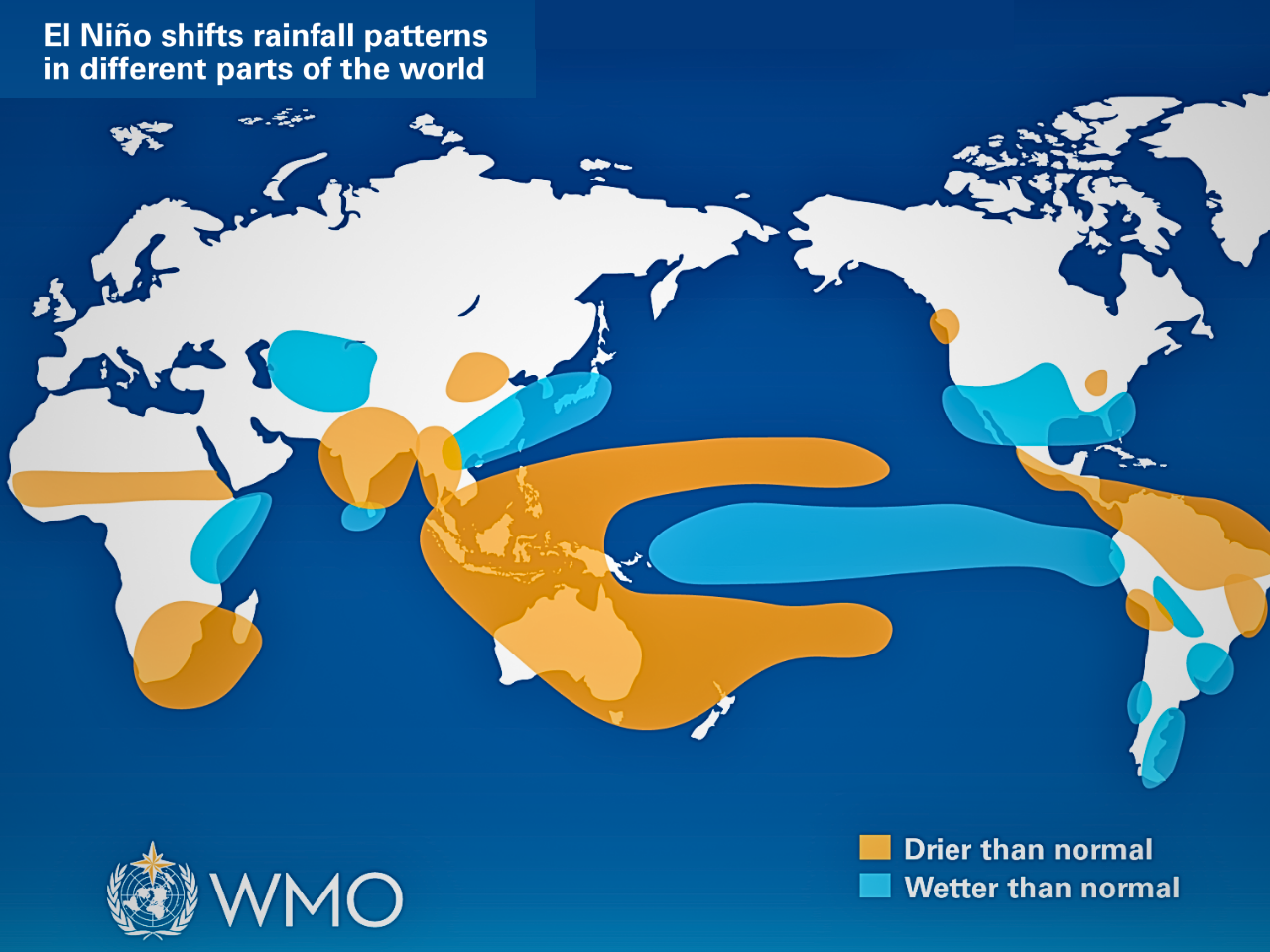
The image represent the El Nino climate crises in south asian monsoon

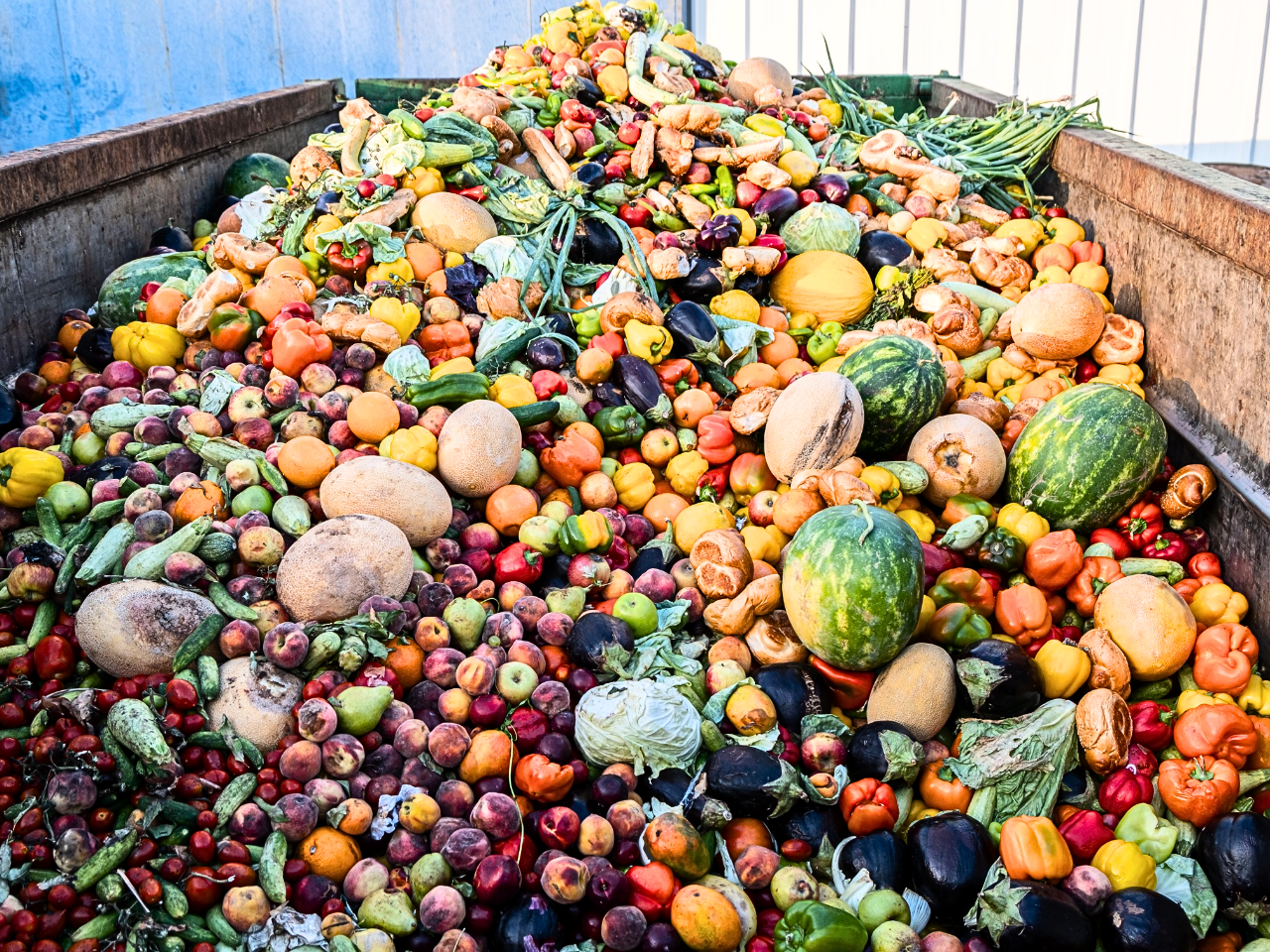
The image represent the fruits and vegitable waste

The image represent the ebola bunibugyo virus testing cube

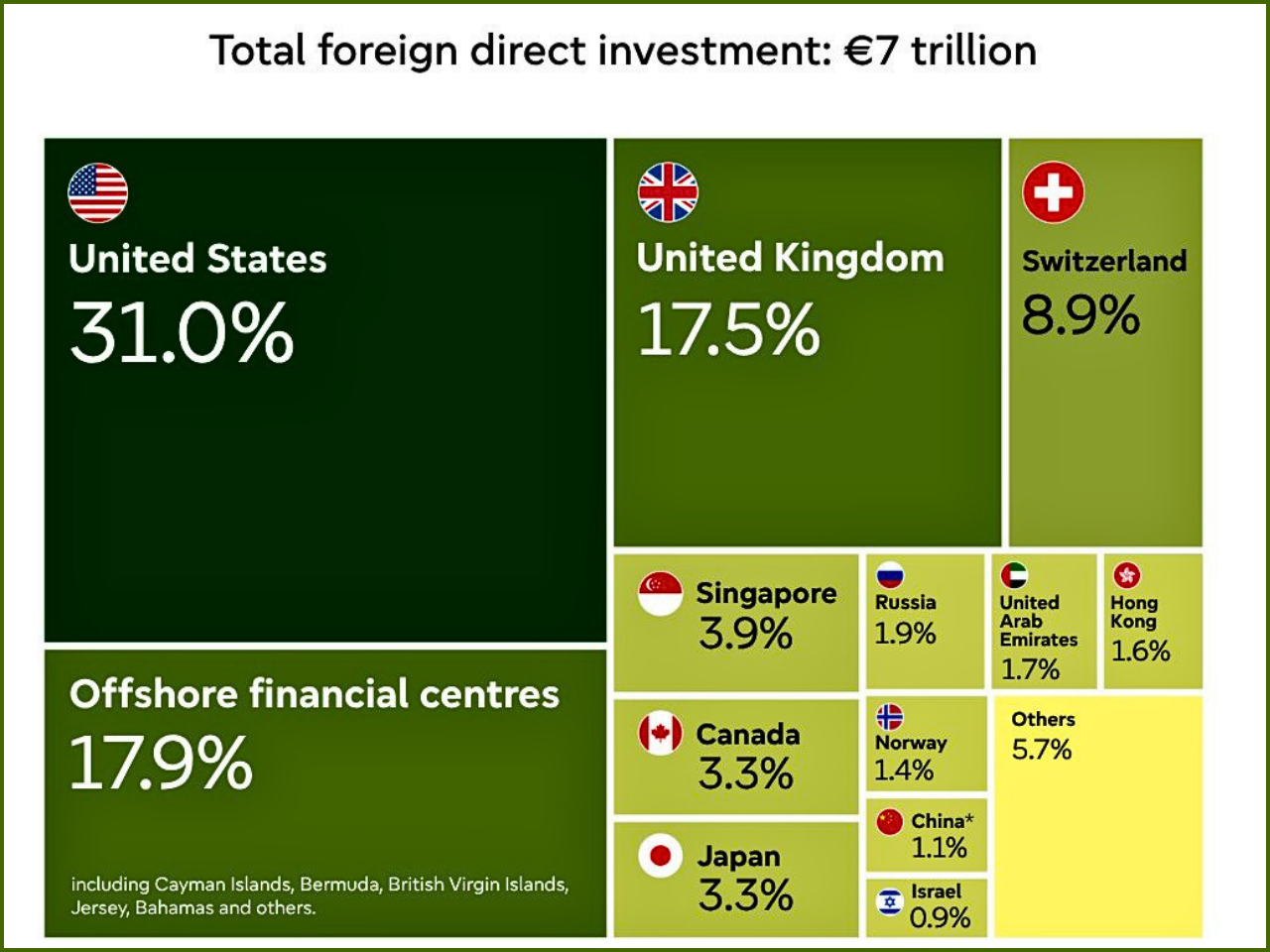
The image represent the foregin investment regulation ration for each nation

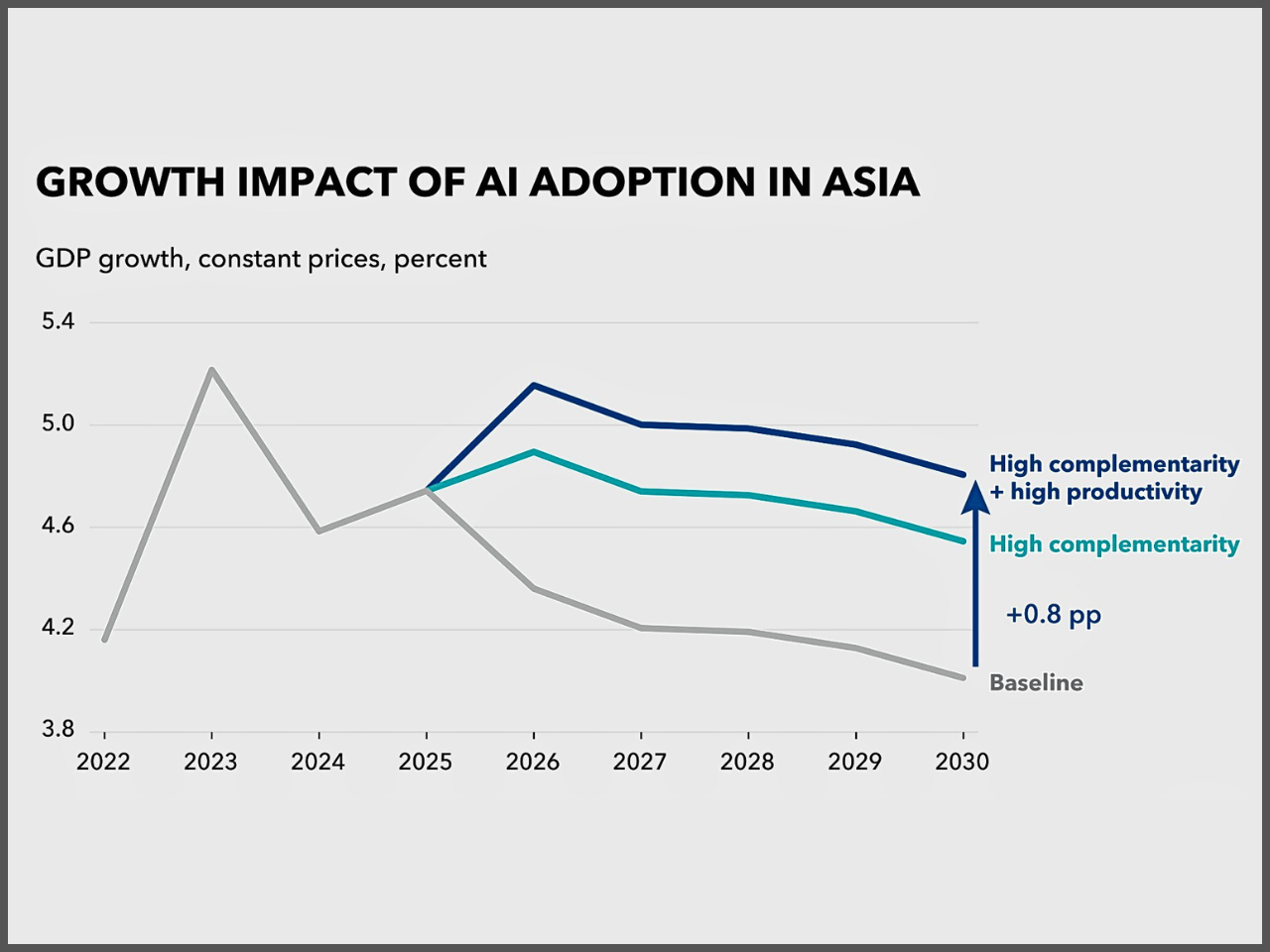
The image represent the AI impact

Read More From News >>>

Latest Explained
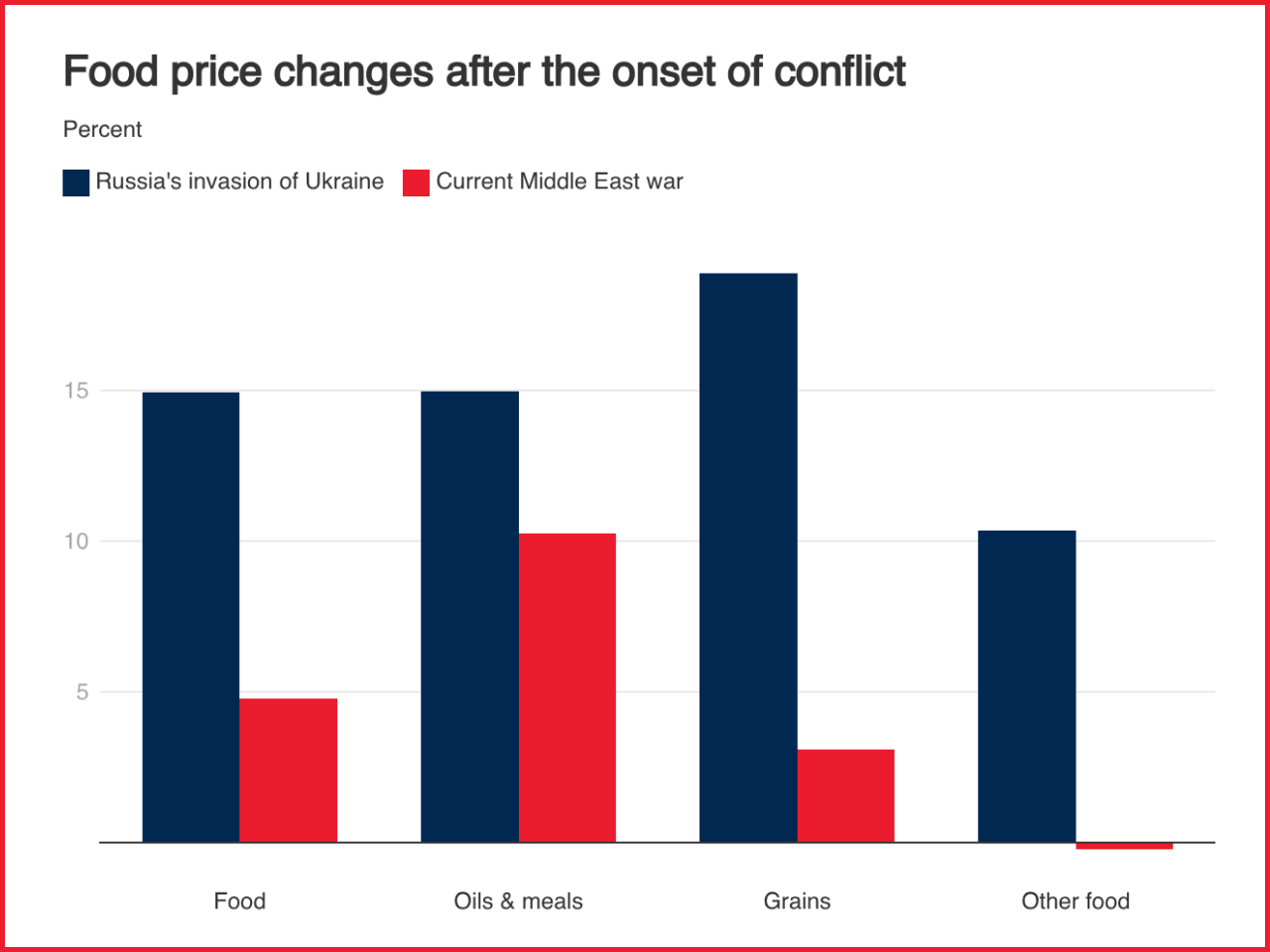
The graph represent world food market price crisis
Explained / June 05, 2026
Strait of Hormuz Closure Pushes Food Commodity Prices to April 2026 Levels Not Seen Since Jan 2024, World Bank Reports 5% Surge as Oil, Fertilizer, Transport Costs Escalate

The world food market is in crisis after the total closure of the Strait of Hormuz in late February pushed food commodity prices to April 2026 levels not seen since January 2024. The World Bank reported food prices increased 5% in two months from the conflict’s onset, driven by rising energy, fertilizer, and transport costs. Grains rose 5% in Q1 2026, oils and meals surged 10% with soybean oil up 16% quarterly, and food inflation hit 98% in Iran.

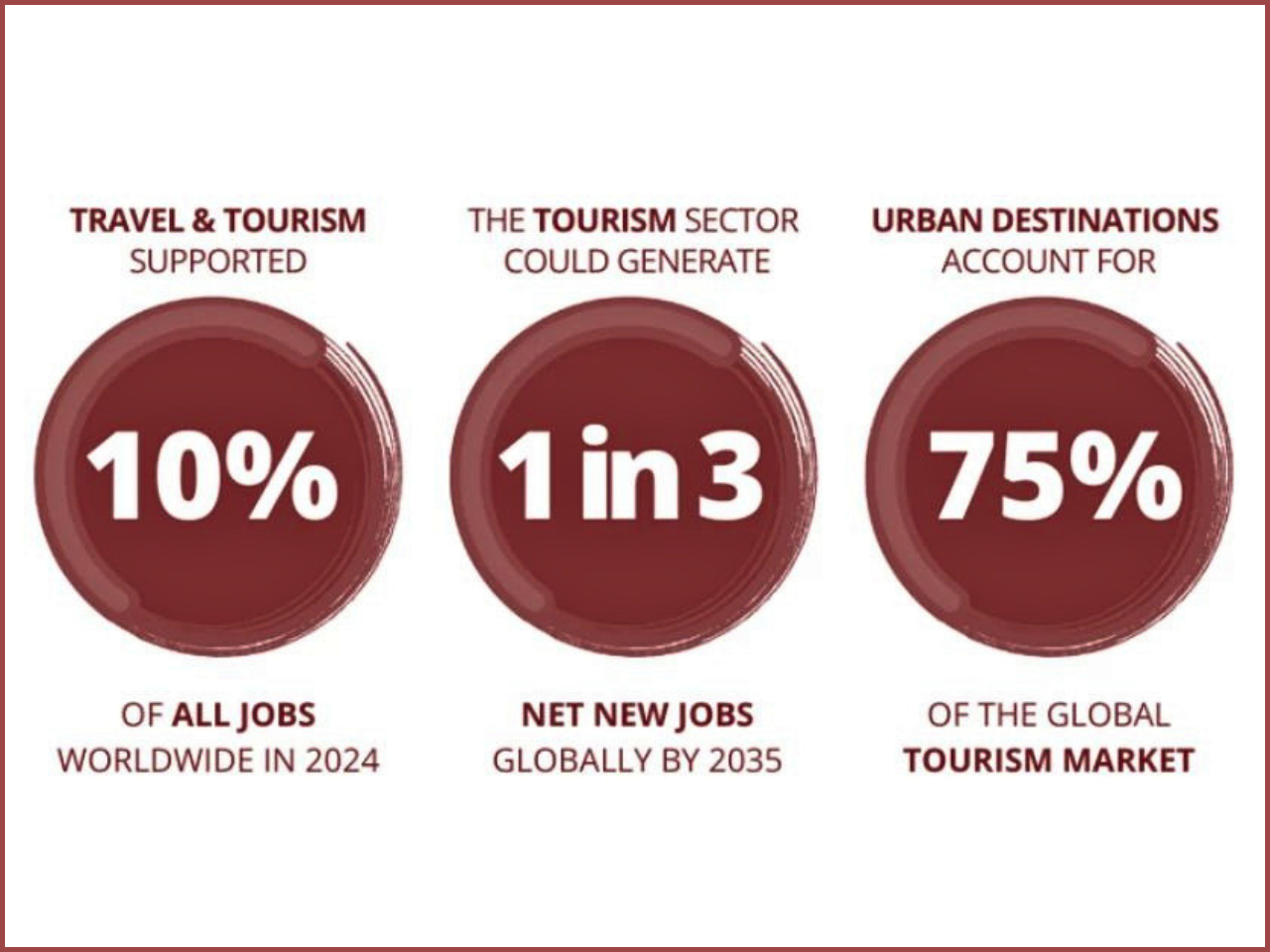
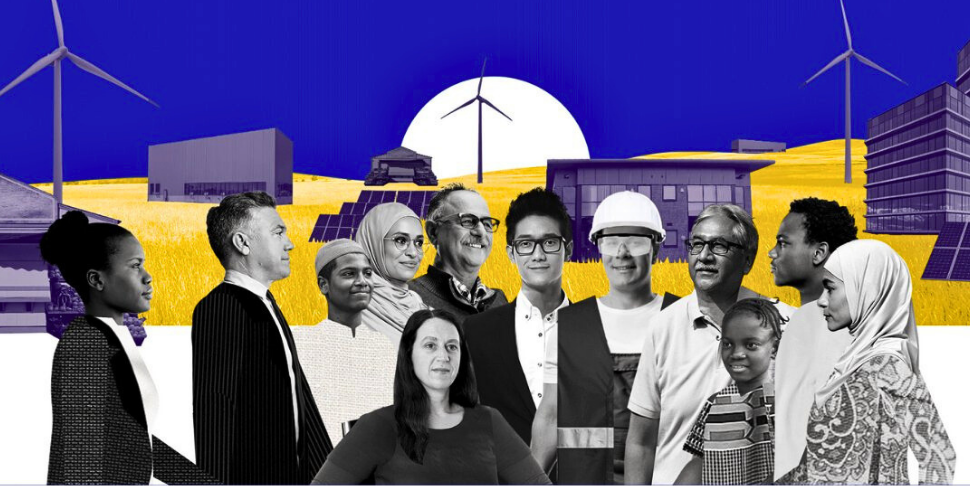
The image represent job growth and tech shifting in globally
Explained / June 02, 2026
1.2 Billion Youths, 357 Million Jobs: Can the Global Economy Keep Up

The global economy shows resilience in 2025, with growth forecasts at 2.7%. Key drivers include job creation, tech innovation, infrastructure development, and a focus on sustainable, inclusive growth amidst demographic shifts. In most countries, interest rates started to fall due to the previous tightening of the interest rates that had shut international capital markets' accessibility.

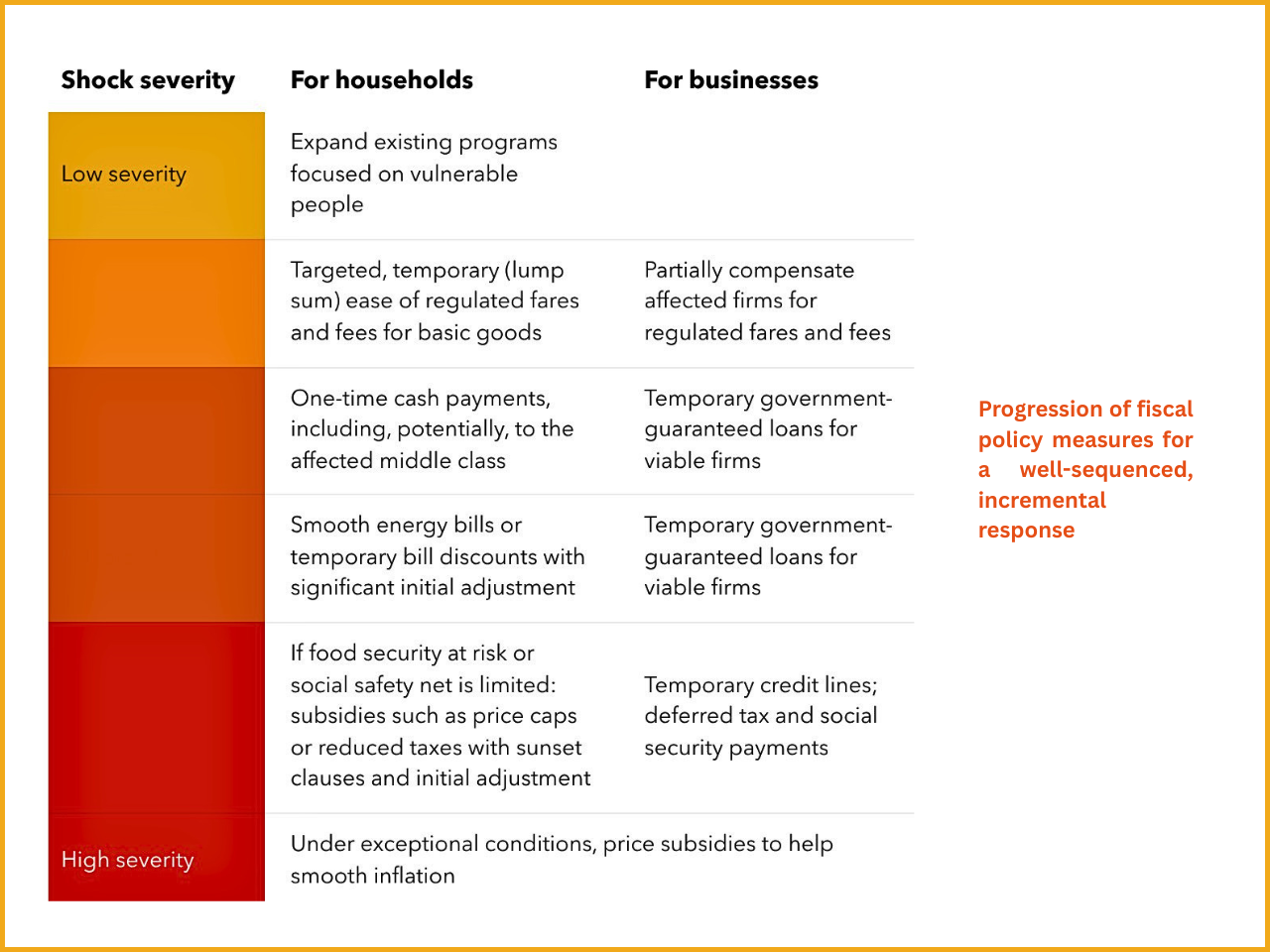
The image represent energy and food price shocks are in way that help vulnerable people and keep business open without further straining public finances
Explained / May 30, 2026
Subsidies Help the Rich More Than the Poor During Energy & Food Price Spikes

IMF recommends temporary, targeted cash transfers to low-income households instead of broad energy subsidies and price controls. Rising energy and food prices reduce consumer purchasing power and induce inflation. Key principles: let domestic energy prices reflect world markets, provide income transfers, give businesses liquidity not long-term subsidies. Broad subsidies distort markets, raise government debt, and benefit wealthy households more.

- Advertisement -


Editorial / Nilarani
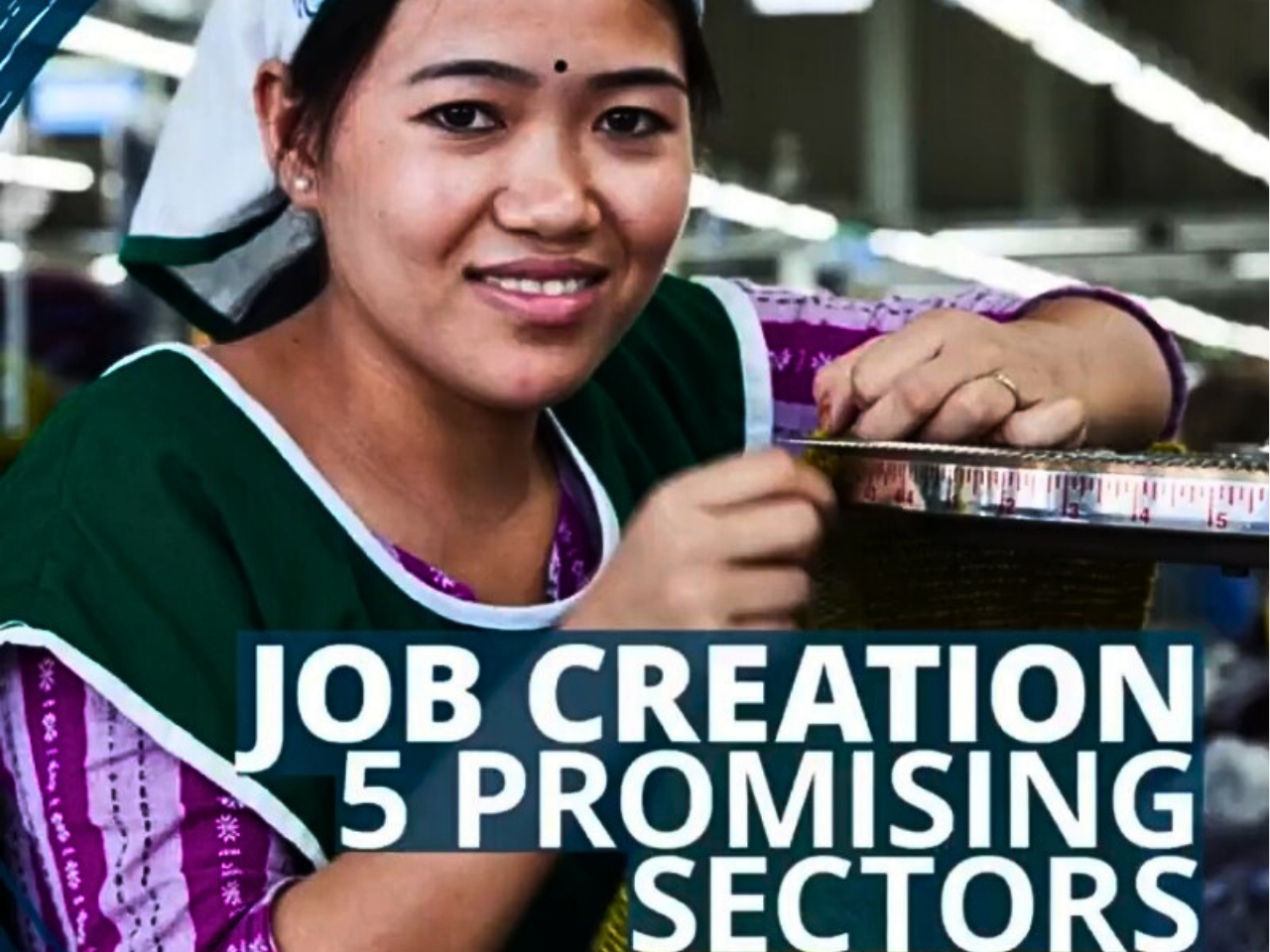
Jobs at the Forefront: World Bank's Strategy for a Resilient Global Economy

The World Bank Group has focused on five key industries in which there is great potential for creating employment opportunities: the energy and infrastructure sector, agriculture and agribusiness, health care, tourism, and manufacturing. Each of these sectors is interconnected with the other and supports the creation and development of many job opportunities and a broad-based development strategy.

Editorial / Avichal Sharma
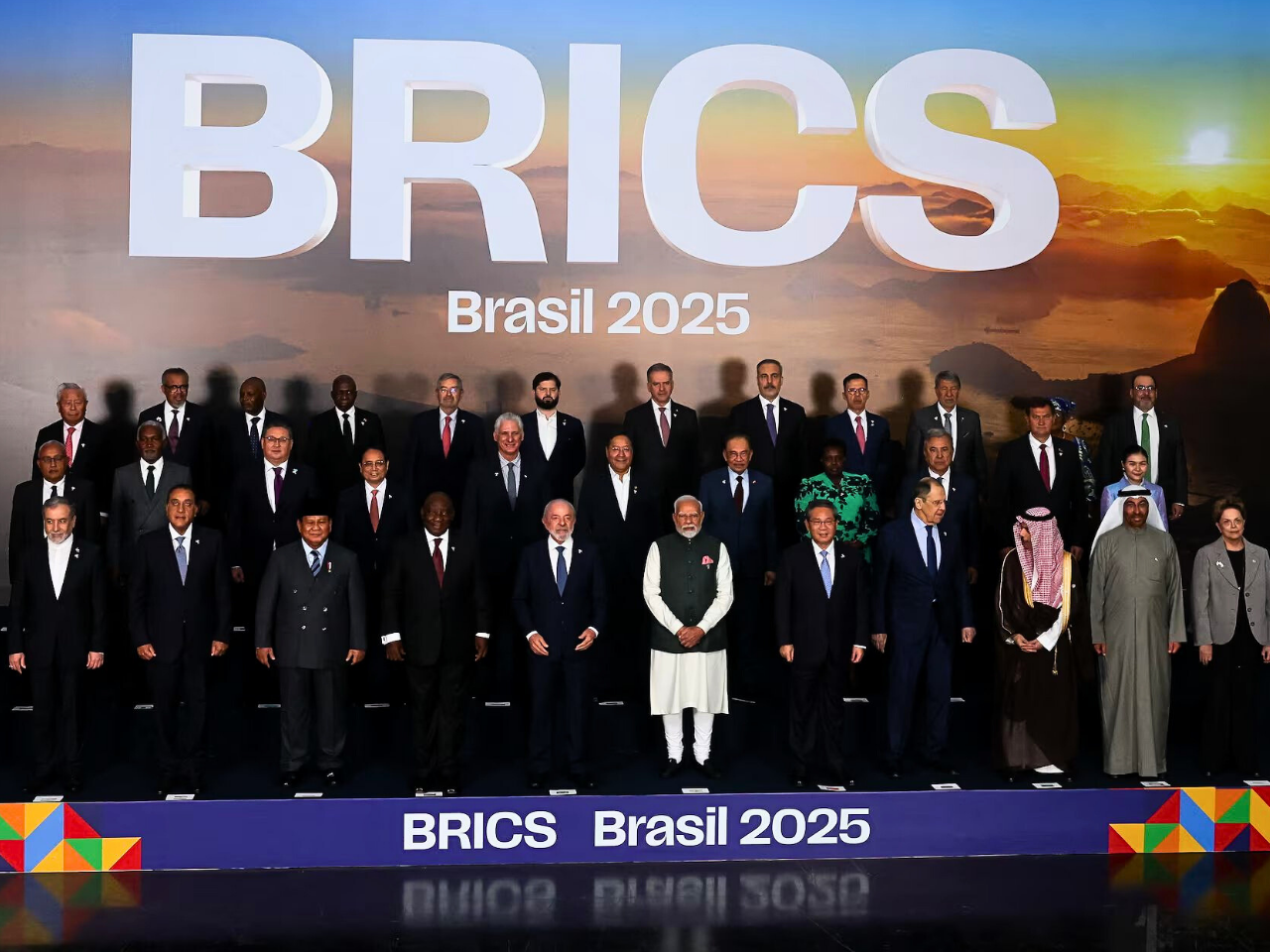
The Gathering Storm: How Trump's Tariffs Forged BRICS Unity

In a world long dominated by the financial tides of the US dollar, a new story is unfolding, driven not by a grand, planned design but by an unexpected external force: the tariff policies of Donald Trump. Trump's renewed presidency saw him sign an executive order in early 2025, first imposing tariffs on imports from China, then escalating to a "universal" tariff on nearly all imports.

Read More From Blog >>>


- Advertisement -